Some of the verses of “Only the lonely” by Roy Orbison:
Only the lonely Know the way I feel tonight Only the lonely Know this feeling ain’t right. But only the lonely Know why I cry Only the lonelyOnly the lonely Only the lonelyOnly the lonely Know the heartaches I’ve been through Only the lonely Know I cry and cry for you.
Of course, that song was about him losing his sweetheart, his baby, but it epitomizes how the lonely feel. Maybe he is right. Only the lonely can understand how being lonely feels. David knew how it felt.
Psalm 25:16 Turn to me and be gracious to me, for I am lonely and afflicted.17 The troubles of my heart are enlarged; bring me out of my distresses. 18 Consider my affliction and my trouble, and forgive all my sins. The Hebrew word for lonely is yachid: Only, solitary, unique, beloved. It is often translated “only”, or “only one” or “only son” but twice it is translated “lonely” (here and Ps 68:6).
Psalm 68:6 God makes a home for the lonely;
I guess I should be writing my own words on loneliness, but sometimes it is good just to quote from someone who already has great words on a topic,and such is the case here.
Gotquestions.org has a good article on loneliness.
“Being alone and being lonely are two different things. One can be alone without being lonely, and one can be lonely in a crowded room. Loneliness is, therefore, a state of mind, an emotion brought on by feelings of separation from other human beings. The sense of isolation is very deeply felt by those who are lonely. The Hebrew word translated “desolate” or “lonely” in the Old Testament means “one alone, only; one who is solitary, forsaken, wretched.” There is no deeper sadness that ever comes over the mind than the idea that we are alone in the world, that we do not have a friend, that no one cares for us, that no one is concerned about anything that might happen to us, that no one would care if we were to die or shed a tear over our grave.
No one felt loneliness more keenly than David. In a series of earnest, heartfelt appeals to God, David cried out in his loneliness and despair. His own son had risen up against him, the men of Israel went after him, and he was forced to flee from the city, and leave his house and family. Lonely and afflicted (Psalm 25:16), his only recourse was to turn to God and plead for mercy and God’s intervention (Psalm 25:21) because his only hope was in God. It is interesting to note that the word “lonely” is never used in the New Testament to describe people. In the New Testament, the word “lonely” only occurs twice and both times refers to desolate places (Mark 1:45; Luke 5:16), where Jesus moved off into the wilderness to be alone.
Whatever the cause of loneliness, for the Christian the cure is always the same—the comforting fellowship of Christ. That loving relationship with our Master has reassured and encouraged countless thousands who languished in prisons and even went to their deaths for His sake. He is the friend who “sticks closer than a brother” (Proverbs 18:24), who lays down His life for His friends (John 15:13-15), and who has promised never to leave us or forsake us but to be with us until the end of the age (Matthew 28:20). We can take comfort in the words of the old hymn that says it best: “Friends may fail me, foes assail me, He is with me to the end. Hallelujah, what a Savior!””
Some great thoughts. “Being alone and being lonely are two different things. One can be alone without being lonely, and one can be lonely in a crowded room.” I like being alone, and don’t always feel lonely when I am alone, though sometimes I am alone and lonely. I can be in a crowd and feel isolated and lonely if I am not fitting in. ” Loneliness is, therefore, a state of mind, an emotion brought on by feelings of separation from other human beings.” Sometimes I want to be alone, to not be part of the group. Our family made trips to Puerto Rico and Costa Rica in the last two summers. I am a pain to travel with b/c i am always worrying about something that might go wrong, about plane delays, about some of our family missing a flight, about not making it to the ferry on time to get to the island we were staying in, about someone getting hurt on the trip, about the best place to stay, about catching the flight home on time. I worry for the whole group, not just for myself. I actually thought to myself, “maybe it would be better if I just stayed home and let them go. Less stressful for me and for them also b/c they handle every situation easily. But then I thought, “as soon as I stay home and they fly out, I will feel a deep sense of isolation and loneliness.” So I go and try to deal with the stress. It really helps when they completely take over the planning of the trip and handle any situations that come up.
I think back to my college days. I was raised in Birmingham, Alabama and spend my first year of college at the University of Alabama in Tuscaloosa. I was miserable the whole time. I had friends, but not close friends. I kept myself busy with studying (engineering courses), but I headed home to B’ham as soon as that last class ended on Friday. I delayed going back to T-town as long as I could, usually going back on Sunday evening or even Monday morning at times. My girlfriend and wife to be was back in B’ham and I missed her. I didn’t have a cell phone or face time. The only communication I got from her was a letter she usually sent on Monday and I would get it on Wednesday. I would write her a letter on Monday and she would get it on Wednesday. We found those mushy letters recently and just laughed at them. I think I can say that I truly felt lonely. Finally, after one year in Tuscaloosa, I decided, “Why am I doing this?” I came home and spent the next 2 1/2 finishing my engineering degree at UAB back when UAB was one building only in the south side of B’ham. But I was happy being back at home. I saw my girlfriend more, but it wasn’t just that. I just enjoyed being in my home, my own room, not having a bunch of guys around in the dorm or apartment we stayed in. I was lonely in Tuscaloosa even though I wasn’t alone, but I wasn’t lonely in B’ham even though I was alone.
So what advice might I give to someone who is lonely. First of all, if you aren’t happy where you are, change if you can. Why be unhappy and lonely if you can help it? David had no choice. Saul was pursuing him in the wilderness for 10 years. He could not go home to his parents. He had to leave them in the care of the king of Moab (1 Samuel 22:4-14). I was able to go home to live with my parents in B’ham. It wasn’t like I did a lot of things with them while I finished my degree at UAB. It was just being at home with them. I lived pretty much independent even while I was in my parents’ house. But I wasn’t lonely.
If you are lonely and would like to change your circumstances, but you can’t, then what can you do. There might be many reasons that you can’t change them. Maybe work or school related. Maybe financial. Of course here is where we cite Bible verses about God will always be with you and never forsake you. Maybe your family or friends forsake and leave you, but He never will.
1 Peter 5:7“Cast all your anxiety on him because he cares for you”.
Psalm 27:9-10“Do not leave me nor forsake me, O God of my salvation. When my father and my mother forsake me, then the Lord will take care of me”.
Psalm 73:23-25“Nevertheless I am continually with You; You have taken hold of my right hand. You will guide me with Your plan”.
Isaiah 41:10“Fear not, for I am with you; be not dismayed, for I am your God; I will strengthen you, I will help you, I will uphold you with my righteous right hand”
Maybe a closer and deeper relationship with God is the key to dealing with loneliness. From AI on the internet: “While there isn’t a direct translation of “lonely” in the New Testament, the Greek word most closely associated with the concept of loneliness is “eremos,” which means “desert place” or “solitude,” often used to describe Jesus going to secluded areas to be alone.” It is no coincidence that Jesus went to these solitary places to pray when under duress. Luke 5:15 But the news about Him was spreading even farther, and large crowds were gathering to hear Him and to be healed of their sicknesses. 16 But Jesus Himself would often slip away to the wilderness (erémos: Desert, wilderness, solitary place, desolate)and pray. Mark 1:45 But he went out and began to proclaim it freely and to spread the news around, to such an extent that Jesus could no longer publicly enter a city, but stayed out in unpopulated areas (eremos); and they were coming to Him from everywhere.” Jesus just had to escape the people coming to him. It wasn’t that He didn’t love them or have compassion for them and their sicknesses. I mean he healed everyone who came to him and culled no one. But he needed his time alone with God in prayer, and that necessitated getting rid of all the distractions, pressures, and stressers. We need that kind of time alone with God. Get rid of all the clutter. Turn the phone off. Close the ipad. As Jesus said, get in a closet and pray. Like the movie, have a “Prayer room” dedicated to silence and prayer. Seek the wisdom and guidance of God. Maybe you are lonely where you are, but maybe God has you there for a reason and it would be bad to leave before He can accomplish HIs plans for you. Maybe you just need to tough it out until you think God is changing plans for you. Maybe being happy is not the main thing. If so, you need a prayer room to get the strength to keep doing God’s plan even if you are lonely. Jesus found those desert places, prayed alone with God, and then found the strength to go back to healing all those people he temporarily avoided.
If you are lonely but can’t change your circumstances, or even if you could change them but feel you need to stick it out so God can use you where you are to do HIs plans, then here is another suggestion. “A friend sticks closer than a brother” is a quote from the Bible, Proverbs 18:24. Often a good friend can help you deal with loneliness. Even more so than a family member perhaps. Maybe you don’t share a lot of things with your companions or coworkers or teammates. Maybe they like to do things that you don’t approve of, like drinking parties. Maybe you don’t approve of how they talk or gossip or curse. But a good friend is one you can talk to, share you feelings of loneliness with. Maybe just you and your friend can sit and talk or go somewhere or relax and watch TV or a movie. You might not even talk. You might just be there quietly for one another. God is the one we should really rely one for comfort in our loneliness, but that comfort of God is a spiritual thing of faith that you can’t see or touch. But often God uses close friends to give us His comfort. Pauls spoke of this in 2 Corinthians 1:3 Blessed be the God and Father of our Lord Jesus Christ, the Father of mercies and God of all comfort, 4 who comforts us in all our affliction so that we will be able to comfort those who are in any affliction with the comfort with which we ourselves are comforted by God”. Good friends empathize and comfort each other with the comfort that God gives each one. I do have a few close friends that I get comfort from, and I am thankful for that.
One other suggestion. Go out serving others in some way. Go find a widow to visit and talk with. Go feed the poor at a local food bank. Go play with some young kids and take them somewhere and buy them candy. Go visit someone else’s grandparents if your grandparents are not near by. Go to a Bible study in a small group. Get an online Bible course to guide you in a deeper Bible study of a Bible book or topic. Get a friend or friends to join you in a small group. That will give you something to look forward to.
BTW this blog article is dedicated to someone I love and respect who asked me to write an article on loneliness. She might have just been joking b/c I have been flooding emails with numerous Biblical articles on Daniel, the 2nd coming, Romans 9-11, etc. Pretty heavy reading. But I decided to write that article on loneliness for her.
Romans 11:25 Lest you be wise in your own sight, I do not want you to be unaware of this mystery, brothers:[k] a partial hardening has come upon Israel, until the fullness of the Gentiles has come in. 26 And in this way all Israel will be saved, as it is written, “The Deliverer will come from Zion, he will banish ungodliness from Jacob”;27 “and this will be my covenant with them when I take away their sins.”
Romans 11:27 is considered to quote from the Old Testament prophet Isaiah, specifically from passages like Isaiah 59:20-21 and Isaiah 27:9, although the exact wording aligns most closely with the Septuagint translation of these verses, which is the Greek translation of the Hebrew Bible used by early Christians;.
2 main questions from Romans 11:25-27: 1) Who is the “all Israel” that will be saved, and when will “all Israel be saved”? 2) What and when is the “fulness of the Gentiles”?
First of all, I must acknowledge that my interpretation of this passage comes from a full preterist view. That is important b/c that view eliminates futuristic interpretations of the passage. Many scholars believe that the passage is still to be fulfilled in our future, that it refers to the 2nd coming and a salvation of the Jewish people in the future. The full preterism view is that the 2nd coming was in 70 AD, so that would eliminate futuristic views completely. You can read my articles on the 2nd coming to. get a study of the full preterist view if you chose, but in this article I won’t defend the full preterism view.
Having said that, how do I answer those 2 main questions? Let’s look at the context of Romans 9-11. Those 3 chapters describe the process of saving the remnant of Israel (those who would believe that Jesus is the Messiah and be saved in the church) and the grafting in of the Gentile believers into the new covenant church along with the Jewish believers.
Key thoughts in these 3 chapters. 9:4 They are Israelites, and to them belong the adoption, the glory, the covenants, the giving of the law, the worship, and the promises. That would be fleshly Israel, that nation of Israel in the OT. 9:6 But it is not as though the word of God has failed. For not all who are descended from Israel belong to Israel, 7 and not all are children of Abraham because they are his offspring, but “Through Isaac shall your offspring be named.” 8 This means that it is not the children of the flesh who are the children of God, but the children of the promise are counted as offspring. “All who are descended from Israel” would be fleshly Israel, the nation. But “belong to Israel” would be the remnant of Israel who would believe in Jesus as the Messiah and be saved in the church. Those would be “the children of God, the children of promise”. “It is not the children of the flesh (the nation) who are the children of God”. In other words, not all who are of the fleshly Israel are in the remnant, only those Jews who believe in Jesus. “It is not as though the word of God has failed”. God made promises in the OT to save Israel in the Messianic Age. For example, Isaiah 27:9 “Therefore by this the guilt of Jacob will be atoned for, and this will be the full fruit of the removal of his sin” (quoted in Romans 11:27). The OT prophets spoke of “restore the fortunes of Israel” (Jeremiah 30:3,7,18; 32:44; 33:7,11; Amos 9:13-15). The cities will be rebult, Israel will return to their land and will dwell securely in the land. Israel will be saved (Jeremiah 33:16 “In those days Judah will be saved, and Jerusalem will dwell securely. And this is the name by which it will be called: ‘The Lord is our righteousness.’” God would make a new covenant with Israel (Jeremiah 31:31 “Behold, the days are coming, declares the Lord, when I will make a new covenant with the house of Israel and the house of Judah) in which he would “forgive their iniquity and remember their sins no more” (Jeremiah 31:34 For I will forgive their iniquity, and I will remember their sin no more.”) Jeremiah 31:36 “If this fixed order departs from before me, declares the Lord, then shall the offspring of Israel cease from being a nation before me forever.” The future of Israel would be as certain as the fixed order of the sun, moon, and stars in their orbits.
Now, on the surface, this looks as if these passages predict that the entire Jewish nation would be restored to the power of the nation under King David, that the nation of Israel would get and keep all the Promised Land forever in the Messianic Age, that the entire nation of Israel would be saved. But Paul says that “not all Israel belong to Israel” (Romans 9:6). He also says that these OT promises for Israel’s restoration and salvation have been fulfilled at the tiime he wrote Romans (“it is not as though the word of God has failed” Romans 9:6). This shows that those OT promises were made to the nation, but only the remnant (those Jews who accepted Jesus as the Messiah) would be the recipients of those promises. So, were those promises fulfilled phycially or is this figurative language? The remnant Jewish church did not receive the Promised Land that Joshua conquered. They did not rebuild cities. They did not restore the power of the kingdom under David. But they were saved spiritually and were the recipients of the OT promises. Therefore, those promises must be figurative language. Jesus said in John 18:36 “My kingdom is not of this world. If my kingdom were of this world, my servants would have been fighting, that I might not be delivered over to the Jews. But my kingdom is not from the world.” Jesus said in Matthew 21: 43 “Therefore I tell you, the kingdom of God will be taken away from you and given to a people producing its fruits.” Israel was God’s kingdom on earth in the OT (Exodus 19:6 and you shall be to me a kingdom of priests and a holy nation). God took that kingdom away from the fleshly nation of Israel and gave it to the church kingdom nation (of Jewish and Gentile believers). 1 Peter 2:9 But you are a chosen race, a royal priesthood, a holy nation, a people for his own possession. Revelatiiion 1:5 “To him who loves us and has freed us from our sins by his blood 6 and made us a kingdom, priests to his God and Father, to him be glory and dominion forever and ever. Amen.” The OT promises made to Israel were: 1) Spiritual, not physical, in nature; 2) Fulfilled only by the remnant of Jewish believers and not the entire nation.
Let’s move on to Romans 9:22 What if God, desiring to show his wrath and to make known his power, has endured with much patience vessels of wrath prepared for destruction, 23 in order to make known the riches of his glory for vessels of mercy, which he has prepared beforehand for glory— 24 even us whom he has called, not from the Jews only but also from the Gentiles? 25 As indeed he says in Hosea, “Those who were not my people I will call ‘my people,’ and her who was not beloved I will call ‘beloved.’” 26 “And in the very place where it was said to them, ‘You are not my people,’ there they will be called ‘sons of the living God.’” 27 And Isaiah cries out concerning Israel: “Though the number of the sons of Israel[c] be as the sand of the sea, only a remnant of them will be saved, 28 for the Lord will carry out his sentence upon the earth fully and without delay.” 29 And as Isaiah predicted, “If the Lord of hosts had not left us offspring, we would have been like Sodom and become like Gomorrah.”
Notice that most of the Jewish nation were “vessels of wrath prepared for destruction”, i.e. the Jews who rejected Jesus as the Messiah would be destroyed, a prediction of the judgment on the Jews in 70 AD when the Romans destroyed the city of Jerusalem and the temple and one million Jews were killed (according to Josephus). But God called the remnant who believed in Jesus as the Messiah to be saved, along with Gentiles who believed in Jesus as the Messiah. In 9:27 Paul quotes Isaiah 10:22. I like Gill’s Exposition of the Entire Bible “The remnant shall return”,…. This is said in allusion to Shearjashub, the name of Isaiah’s son, Isaiah 7:3 which signifies “the remnant shall return”, and was imposed on him, to give assurance of it; meaning, either that they should return from the Babylonish captivity, as they did, or to God by repentance; or rather the sense is, they shall turn to the Lord, be converted to Christ, to the faith and obedience of him, as some of them were when he came, a few, not all, only a remnant, as it is explained in the next clause”. In other words, Isaiah 10:22 could be a Messianic prediction of the remnant of believing Jews, which is the way Paul used it in Romans 9:27. For sure, Paul is saying that only a remnant of the nation of Israel would be saved in the Messianic Age. Remember that b/c in 11:27 he will say “all Israel will be saved”. Same language as chapter 9. The “Israel” of 11:27 would be the same remnant, spiritual church Israel as in ch 9. The “will be saved” would only refer to the remnant being saved and not the entire nation. Too many scholars intepret 11:27 based on their views of a future 2nd coming in which the nation of Israel will be retored to the Promised Land instead of examinng the context of chapter 9.
Paul concludes chapter 9, saying 9:What shall we say, then? That Gentiles who did not pursue righteousness have attained it, that is, a righteousness that is by faith; 31 but that Israel who pursued a law that would lead to righteousness did not succeed in reaching that law. 32 Why? Because they did not pursue it by faith, but as if it were based on works. They have stumbled over the stumbling stone, 33 as it is written, “Behold, I am laying in Zion a stone of stumbling, and a rock of offense; and whoever believes in him will not be put to shame.” This is discussing the unbelieving Jews and why they missed out on the spiritual promises of salvation by the Messiah. These would be the “vessels of wrath prepared for destruction”. Why did they miss out? B/c they pursued the Law to earn salvation by keeping the Law and became self righteous, not feeling that they needed the grace and forgiveness that Jesus came to bring the remnant. They were invited to receive that, but their self righteousness kept them from receiving it. “Many are called but few chosen” (Mt 22:14). BTW Calvinism says that only the arbitrarily predetermined elect are called, but Jesus says that not all those called will be chosen for salvation. Also, Paul in Romans 9:30-33 says that the Jews who did not accept Jesus as the Messiah did so off their own freewill choice, that they did so b/c they pursued the Law as a means of righteousness (which cannot save) instead of a means of leading them to the saving righteousness of Jesus (which can save). Does that sound like Calvinism where the elect really don’t have a choice. Paul says that the Jews had a choice, but made the wrong choice in how they pursued the Law. Read the article I wrote on Ephesians 1:15 for a more thorough discussion of predestination and Calvinism.
I know all this figurative fulfillment of OT prophecies for Israel is heresy to those who expect Jesus to set up a physical kingdom at his 2nd coming and that he will restore the nation of Israel to their land forever, but please consider the context of Romans 9. The OT promises to restore the fortunes of Israel and to restore them their land had been fulfilled when Paul wrote Romans. They were fulfilled only in and for the remnant Jews who accepted Jesus as the Messiah. Those OT promises were not fulfilled physically for the nation. Therefore, those OT promises must have been fulfilled spiritually and only for the remnant. I’m sure that could be put in some syllogistic reasoning. Syllogistic reasoning is a type of deductive argument that uses two premises to reach a specific conclusion. Here are some examples of syllogistic reasoning: All mammals are animals, camels are mammals, therefore camels are animals. Maybe, 1) All the OT promises for Israel in the Messianic Age were fulfilled for only the remnant by the time Paul wrote Romans. 2) Those promises were not fulfilled pysically for the nation when Paul wrote Romans. 3) Those promises could only be fulfilled spiritually for the renmnant, not the whole nation. I knowfigurative language can be confusing or even misleading. The Jews expected the OT promises to be fulfilled literally, for the power of the nation of Israel to be restored and a resoration to the Promised Land to be held forever. I can see why why would think that. That is also the reason they rejected Jesus, i.e. b/c he came to establish a spiritual kingdom, not physical. They expected the Messiah to defeat Israel’s enemies, the Romans, but he said he came to destroy spiritual, not physical, powers of the darkness. Even the apostles expected a physical kingdom, even after the resurrection. Acts 1:6 Then they gathered around him and asked him, “Lord, are you at this time going to restore the kingdom to Israel?” In other words, “Lord you didn’t restore the kingdom to Israel (physcially) while you were alive, but now we get it, now you are going to restore it to Israel?” Had they forgotten Mt 21:43 “Therefore I tell you that the kingdom of God will be taken away from you and given to a people who will produce its fruit.” The kingdom would not only not be restored to the nation, but it would be taken away from the nation. Remember, Jesus used figurative language a lot. He said that the fulfillment of Malachi 4:5 “See, I will send the prophet Elijah to you before that great and dreadful day of the Lord comes” was in John the Baptist, not the literal man Elijah coming. Mt 11:13 For all the Prophets and the Law prophesied until John. 14 And if you are willing to accept it, he is the Elijah who was to come. Mt 17:11 Jesus replied, “To be sure, Elijah comes and will restore all things. 12 But I tell you, Elijah has already come, and they did not recognize him, but have done to him everything they wished. In the same way the Son of Man is going to suffer at their hands.” 13 Then the disciples understood that he was talking to them about John the Baptist”.
I wish those who expect a literal fulfillment of OT promises to Israel would be consistent. In the same “restore the fortunes of Israel” passages of Jeremiah 33:7,11, it predicts 33:17 “For thus says the Lord: David shall never lack a man to sit on the throne of the house of Israel, 18 and the Levitical priests shall never lack a man in my presence to offer burnt offerings, to burn grain offerings, and to make sacrifices forever.” Would they not have to say that, since they expect the restoration of Israel to be still in our future, then 33:17 would be fulfilled in our future at the same time? If so, do they expect that when Jesus returns that Christians will go back to having a Levitical priesthood that burns animal sacrifices? That would be a total contradiction of the whole book of Hebrews. No, the literalists would probaly say, “Oh, well that part was fulfilled spiritually”. Do you see how inconsistent their interpretation is? Literal in 33:7, 11 but figurative in 33:17,18. Now, the unbelieving Jews today still expect both the restoration of Israel and the restoration of the Levitical priesthood to be fulfilled when the real Messiah comes in our future (they don’t believe Jesus was the Messiah). At least they are consistent, even if they are totally wrong! Why can’t the literalists see that they are making the same mistake that the unbelieving Jews made when they expected a literal fulfillment of the OT promises to Israel?????? They then might start preaching that the kingdom of God, of heaven, of Jesus is the church and that there is not physical kingdom to be set up at his 2nd coming.
They might even then examine the predictions of Jesus that his 2nd coming would be in the lifetime of those he was speaking to. Mt 11:23 `And whenever they may persecute you in this city, flee to the other, for verily I say to you, ye may not have completed the cities of Israel till the Son of Man may come. Mt 16:27 `For, the Son of Man is about to come in the glory of his Father, with his messengers, and then he will reward each, according to his work. 28 Verily I say to you, there are certain of those standing here who shall not taste of death till they may see the Son of Man coming in his reign. Notice “the Son of Man is about to come” That is the Greek word mello, and it always means “about to be, about to happen”. Thankfully Young’s Literal Translation (YLT) translates it correctly in Mt 16:28. Most translations just say “is going to come”. Jesus is a false prophet if his 2nd coming was not imminent, about to happen, or if some listening to him would not be alive when he returned in his reign or kingdom (same Greek word, basileia: Kingdom. Mt 24:29 “And immediately after the tribulation of those days, the sun shall be darkened, and the moon shall not give her light, and the stars shall fall from the heaven, and the powers of the heavens shall be shaken; 30 and then shall appear the sign of the Son of Man in the heaven; and then shall all the tribes of the earth smite the breast, and they shall see the Son of Man coming upon the clouds of the heaven, with power and much glory.” This coming of the Son of Man had to occur within the generation of those Jesus was talking to. Mt 24:34 Verily I say to you, this generation may not pass away till all these may come to pass. That word for generation is genea which always is used in the NT of a 40 year period or the people living in a 40 year period, like we speak of the x or z generation. Mt 1 has 42 generations of the genealogy of Jesus which covers about 2,000 years. In the chapter before Mt 24, Jesus had just predicted judgment on the Jews for killing the prophets and the apostles. He told them Mt 23:36 “verily I say to you, all these things shall come upon this generation.” The word generation clearly refers to that generation of Jews that were currently alive when he spoke. They are the ones who will be judged in about 40 years in 70 AD. Jesus told Caiaphas in Mt 26:64 Jesus saith to him, `Thou hast said; nevertheless I say to you, hereafter ye shall see the Son of Man sitting on the right hand of the power, and coming upon the clouds, of the heaven.’ We don’t know when Caiaphas died, but I believe Jesus is not a false prophet. Caiaphas must have lived to at least see the beginning of the 2nd coming in judgement on the Jews. These are the only 4 passages where Jesus predicts his 2nd coming. They all say that his 2nd coming would be within the lifetime of those he was speaking to, that it was “about to” happen. I challenge you to find any othe passage in the gospels where he predicts a “coming” that would not be within their lifetime. It is not to be found. Would that not be strange if a 2nd coming that is still in our future was never even predicted by Jesus in the gospels? Well, I guess I got into full preterism after all, but I still hope you will read my article “The 2nd coming” for a more thorough disscussion.
Back to Romans! Romans 10:3 “For, being ignorant of the righteousness of God, and seeking to establish their own, they did not submit to God’s righteousness. 4 For Christ is the end of the law for righteousness to everyone who believes.” This verse again shows that they had the freewill to not submit to God’s righteousness. Why would Paul blame them for not submitting if they did not have the freewill to either accept or submit (as Calvinism teaches)? It also shows again, as 9:32, that their problem was that they pursued the Law as a means of righteousness. The Law was given to show them that they could not obtain righteousness by Law keeping b/c no one could keep the Law perfectly, and the Law did not provide for eternal forgiveness of sisn by animal sacrifices. If someone understood that, they would gladly accept Jesus and receive the righteousness which is by faith in Jesus, the reckoned or imputed righteousness that Paul spoke of in Romans 4:2 “for if Abraham by works was declared righteous, he hath to boast — but not before god; 3 for what doth the writing say? `And Abraham did believe God, and it was reckoned to him — to righteousness;’ 4 and to him who is working, the reward is not reckoned of grace, but of debt; 5 and to him who is not working, and is believing upon Him who is declaring righteous the impious, his faith is reckoned — to righteousness: 6 even as David also doth speak of the happiness of the man to whom God doth reckon righteousness apart from works.” Then in Philippians 3:9 “not having my righteousness, which [is] of law, but that which [is] through faith of Christ — the righteousness that is of God by the faith.” That reckoned righteousness which comes by faith is Romans 10:9 because, if you confess with your mouth that Jesus is Lord and believe in your heart that God raised him from the dead, you will be saved. 10 for with the heart doth [one] believe to righteousness, and with the mouth is confession made to salvation.” It comes by faith and not keeping the Law (or any law).
Paul then brings up a possible objection: Romans 10:18 But I ask, have they not heard? Indeed they have, for “Their voice has gone out to all the earth, and their words to the ends of the world.” Maybe all fleshly Jews did not have the opportunity to hear the gospel and believe? Paul says that the gospel had been preached to the ends of the (Roman) world. Colossians 1:”23 if also ye remain in the faith, being founded and settled, and not moved away from the hope of the good news, which ye heard, which was preached in all the creation that [is] under the heaven, of which I became — I Paul — a ministrant.” Paul says that the gospel had been preached to the whole Roman world (empire) by the time he wrote Colossians in about 62 AD. Then Paul gives another possible objection, Romans 10:19 “But I ask, did Israel not understand?” Well, they probably didn’t understand the need for the gospel, but it wasn’t b/c they were not capable of understanding. It certainly wasn’t b/c only the predestined elect could understand by “I” (irresistible grace in Calvinism) when God would send His Spirit basically allowing and forcing the elect to be able to believe (Calvinism). Paul says that they simply refused to believe. Romans 10:21 But of Israel he says, “All day long I have held out my hands to a disobedient and contrary people.” They could have chosen to believe but refused to. It is amazing to me how Calvinists use Romans 9-11 as a proof text of their teaching when the context refutes Calvinism over and over.
All this might sound like God has rejected the whole nation of Israel. Paul anticipated that thought. Romans 11:”I ask, then, has God rejected his people? By no means!” He had rejected those Jews who refused to accept Jesus as Messiah and prepared them as vessels of wrath for destruction in 70 AD. But Romans 11:5 “So too at the present time there is a remnant, chosen by grace. 6 But if it is by grace, it is no longer on the basis of works; otherwise grace would no longer be grace.” God had not rejected the remnant of Jews who would believe in Jesus as the Messiah. Back to the remant idea. Yes, “chosen” but chosen by grace through faith; not the chosen of Calvinism (the elect chosen with irresistible grace without their freewill choice to believe or not). Romans 11:7 What then? Israel failed to obtain what it was seeking. The elect obtained it, but the rest were hardened, 8 as it is written, “God gave them a spirit of stupor, eyes that would not see and ears that would not hear, down to this very day.” If you didn’t read the context of chapters 9 and 10, you might say this is pure Calvinism in these verses. The “elect” obtained salvation and grace but God gave a stupor of unbelief that made them not believe in Jesus???? The context of chapters 9 and 10 show that the Jews had the freewill choice to accept Jesus as the Messiah or not. It shows why they failed to accept Jesus as the Messiah, i.e. they pursued the Law as a means of righteousness, which implies they were to blame and would be held accountable for their unbelief. In Calvinism, you have to blame God if someone is lost b/c He has arbitrarily predestined some to be lost regardless of their freewill choices. Again, Calvinism is wrong. Paul explains how God gave them a “spirit of stupor” that they could not see or hear. How did God do that? By somehow making their hearts unable to believe? No. Romans 11:9 And David says, “Let their table become a snare and a trap, a stumbling block and a retribution for them; 10 let their eyes be darkened so that they cannot see,and bend their backs forever.” The design of salvation was the death of Jesus on a cross like a common criminal. That was an intentional design to weed out those who would not accept God’s plan b/c of their pride. The cross would be a stumbling block to the Jews b/c they were looking for physical blessings and kingdom. 1 Corinthians 1:21 for, seeing in the wisdom of God the world through the wisdom knew not God, it did please God through the foolishness of the preaching to save those believing. 22 Since also Jews ask a sign, and Greeks seek wisdom, 23 also we — we preach Christ crucified, to Jews, indeed, a stumbling-block, and to Greeks foolishness, 24 and to those called — both Jews and Greeks — Christ the power of God, and the wisdom of God,25 because the foolishness of God is wiser than men, and the weakness of God is stronger than men.” In spite of Isaiah 53 predicting the death of the Messiah, they did not expect the Messiah to die.
Paul anticipates another thought. Romans 11:11 “So I ask, did they stumble in order that they might fall? By no means!” By this he means was the stumbling of the unbelieving Jews a permanent thing that left them with no hope? By not means, he says. “Rather, through their trespass salvation has come to the Gentiles, so as to make Israel jealous. 12 Now if their trespass means riches for the world, and if their failure means riches for the Gentiles, how much more will their full inclusion mean!” So, if those unbelieving Jews eventually see the Gentiles saved and are filled with jealousy, and if they change and accept Jesus as the Messiah, they can be saved. That would be their “full inclusion” (YLT). That would mean that, when you add them to the ones who initially accepted Jesus as the Messiah, you then have the “full” remnant that will be saved before 70 AD. BTW this pretty well answers the question in 11:27 “who is the all Israel who will be saved”. It is when the entire remnant is gathered by 70 AD by the preaching of the gospel in the whole Roman empire. Jesus spoke of this “gathering of the elect from the four winds” in Mt 24:31 And he will send out his angels with a loud trumpet call, and they will gather his elect from the four winds, from one end of heaven to the other. We have to assume that there were many such Jews who initially rejected the gospel but later accepted it and were added to the church. Paul warns the Gentile believers not to be arrogant toward any unbelieving Jews who later believe. He says that if God did not spare the unbelieving natural branches (the unbelieving Jews) b/c of their unbelief, then He will not spare Gentile believers fall away. Those unbelieving natural branches (unbelieving Jews) were cut off the tree, but they will be grafted back into the tree (just as the Gentile believers were grafted into the tree) if they repent and later believe in Jesus. BTW doesn’t this help up with the 11:27 “the fulness of the Gentiles”? The language of 11:12, “the full inclusion”, meant when all the remnant was saved and gathered. So does that mean that the “fulness of the Gentiles” would be similar, i.e. when all the Gentile believers were gathered by 70 AD? Maybe so.
That brings us to the actual topic we started with. Romans 11:25 Lest you be wise in your own sight, I do not want you to be unaware of this mystery, brothers:[d] a partial hardening has come upon Israel, until the fullness of the Gentiles has come in. 26 And in this way all Israel will be saved, as it is written, “The Deliverer will come from Zion, he will banish ungodliness from Jacob”; 27 “and this will be my covenant with them when I take away their sins.” Again, 2 main questions from Romans 11:25-27: 1) Who is the “all Israel” that will be saved, and when will “all Israel be saved”? 2) What and when is the “fulness of the Gentiles”?
Hopefully we have already seen that the “all Israel will be saved” refers to the gathering of all the remnant of the Jews who believed in Jesus as the Messiah. This gathering of the remnant would take place when “The Deliverer will come from Zion, he will banish ungodliness from Jacob”; 27 “and this will be my covenant with them when I take away their sins.” This is a quote from Isiah 59:20 “And a Redeemer will come to Zion, to those in Jacob who turn from transgression,” declares the Lord.21 “And as for me, this is my covenant with them,” says the Lord: “My Spirit that is upon you, and my words that I have put in your mouth, shall not depart out of your mouth, or out of the mouth of your offspring, or out of the mouth of your children’s offspring,” says the Lord, “from this time forth and forevermore.” There is a lot of debate on this quote b/c Isaiah says “to Zion” and Romans 11:27 says “from Zion”. You have to think that this is in reference to the 2nd coming, coming to Zion (Jerusalem) to establish the new covenant of Isaiah 59:21 where he will saved the remnant and take away their sins. You can research the “to” or “from” Zion if you want to dig deeper, but it is safe to say that 11:27 is referring to the 2nd coming of Jesus. In Mt 24, the elect remnant would be gathered (24:31) within that generation (24:34) and the 2nd coming (24:30) would be within that generation. So the timing and event match.
The fulness of the Gentiles. 11:27 “the fulness of the Gentiles”? The language of 11:12, “the full inclusion”, meant when all the remnant was saved and gathered. So does that mean that the “fulness of the Gentiles” would be similar, i.e. when all the Gentile believers were gathered by 70 AD? Maybe so. There was a process of natural branches being broken off, Gentile believers being grafted in, and then unbelieving Jews who later believed being grafted back in this Messianic church kingdom tree. All this would be fulfilled by 70 AD and the 2nd coming. That doesn’t mean that the process would stop after that. There would continue to be Jews and Gentiles converted, but Paul is peaking specifically of the process developing by 70 AD when the plan of redemption was finally realized. Here is a good statement AI from the internet. “The fullness is the state of being fully included in the covenant. A transitional period between Christ’s great commission and the destruction of Jerusalem (and the sacrificial system).” So by 70AD the gentiles are now fully included in the covenant.ApHere is a great image of that from pinterest.
Paul closes with this doxology: Romans 11:33 Oh, the depth of the riches and wisdom and knowledge of God! How unsearchable are his judgments and how inscrutable his ways!” God’s plan from all eternity was to save Jews and Gentiles who would accept His Son as the Messiah who died for their sins, and unite them in one body, the church. That was the mystery of Ephesians 3. Revelation 10:7 but that in the days of the trumpet call to be sounded by the seventh angel, the mystery of God would be fulfilled, just as he announced to his servants the prophets. What a great statement. Who would have ever thought that this would be God’s plan of salvation. Amazing!
I hope this is beneficial to you. Long but it needs a careful examination.
Were the 4 gospel really written by Matthew, Mark, Luke, and John? Were they written early, or as some say, in the late first century (if so, not written by Matthew, Mark, Luke and John b/c they died before 70 AD. Here is the liberal view on all that.
According to Bart Ehrman, the four gospels were written in the following order:
Mark: Written around 70 CE
Matthew and Luke: Written around 80–85 CE
John: Written around 90–95 CE
Bart Ehrman has said that the Gospels were written and circulated anonymously, and that Christian leaders later attributed them to Matthew, Mark, Luke, and John:
I believe all 4 gospels were written before 70 AD. First, let’s look at the 3 synoptics: Matthew, Mark, and Luke. There is one main proof for me. All 3 predict in detail the destruction of the temple and city of Jerusalem to happen in the future after writing the gospels. A whole chapter in each gospel predicts that: Mt 24, Mk 13, and Lk 21. There are many other such predictions in the gospels, like the parable of the wheat and tears in Mt 13, but we will
focus on those 3 chapters. For example, Mt 24 predicts several events to be fulfilled within that generation (24:34 Truly, I say to you, this generation will not pass away until all these things take place.). Mk 13 and Lk 21 do the same thing. The word genea in the NT always refers to a 40 year period or the people living in a 40 year period. For example, Mt 1 lists 42 generations from Abraham to Jesus, which is about 2,000 years. Mt 23:36 Truly, I say to you, all these things will come upon this generation. The word genea there obviously is referring to the generation of Jews that Jesus is speaking to.
Now, if Matthew was written after AD 70, don’t you think that he (or whoever wrote the gospel) would have said that prediction of 70 AD was already fulfilled, proving Jesus to be a true prophet? Matthew often quotes prophecies, like the birth of Jesus in Bethlehem (Mt 2), showing the fulfillment of that prophecy. Surely he would have done that with the Mt 24 prediction if it had already been fulfilled when he wrote the gospel. That means that the predictions in Mt 24 had not been fulfilled at the time of writing of the gospel. That means that the gospel was written before 70 AD.
For example, suppose we found an old, old book about the persecution of Jews in history, but we don’t know when it was written. Suppose that it tells about AD 70, about the killing of Jews in the Crusades, the killing of Jews during the Black Plagues (some blamed the Jews for the plague), etc. But suppose that it did not discuss the Holocaust. To me, that means that the book was written before the Holocaust happened. That means the book was written before 1945 AD. Do you see the point?
The gospel of John is a different case, but I believe that it was written before 70 AD (in spite of tradition saying that he wrote Revelation in 96 AD. Why do I believe that? The main reason is that I believe that he died before 70 AD. The church father Papias (60-130 AD) said that John died a martyr’s death as the hands of the Jews (he did not give a date). He supported that saying the John died a martyr just like Jesus had predicted that the brothers James and John would die. Jesus predicted that James and John would be martyred in the Bible, in Mark 10:35–45. In this passage, Jesus tells the brothers that they will “drink the cup I drink and be baptized with the baptism I am baptized with”. We know James the apostle was martyred by Herod in Acts 12. The only time John could have been killed by the Jews would have to be before 70 AD. A million Jews died in the siege of Jerusalem and 200,000 were carried away captive (according to Josephus who was present during the siege). Most say John lived to the year 100 AD and died a natural death, but that would contradict what Jesus predicted. Also, if he died as a martyr around 100 AD, surely there would be church father testimony to that fact, but there is none. The Jews did not have the ability to kill Christians around 100 AD. There is just the speculation that he wrote Revelation in 96 AD based on the statement of one church father (Irenaeus, 130-202 AD). That statement is not even clear as to what he is saying. But the internal evidence of the book of Revelation says that it was written during the reign of Emperor Nero (54-68 AD). Rev 17:9 This calls for a mind with wisdom: the seven heads are seven mountains on which the woman is seated; 10 they are also seven kings, five of whom have fallen, one is, the other has not yet come, and when he does come he must remain only a little while. Refer to my Revelation articles for a more thorough discussion but the seven kings here are the first 7 emperors of Rome starting with Julius Caesar. I know many historians say that the first emperor was Augustus, but Josephus at least twice says that Augustus was the 2nd king, not the 1st, and Josephus lived at that time and would know who was considered to be the first king of Rome, i.e. Julius. Also Seutonius, (a Roman biographer, 69-122 AD) wrote The Lives of the Twelve Caesars, beginning with Julius, not Augustus. So, at the time of writing Revelation, 5 kings were dead, “fallen” (Julius through Claudius), the 6th, “one is”, is reigning when the book is written, i.e. Nero (54-68 AD). So the book had to be written before Nero died in 68 AD. That certainly fits the Papias statement that John died a martyr’s death at the hands of the Jews. If John died before 70 AD, then obviously he wrote his gospel of John, and his letters (1,2,3 John and Revelation) before he died in 70 AD. There is some internal evidence also that John wrote his gospel before 70 AD. John 5:1 After this there was a feast of the Jews, and Jesus went up to Jerusalem. 2 Now there is in Jerusalem by the Sheep Gate a pool, in Aramaic[a] called Bethesda,[b] which has five roofed colonnades. He says there “was” a feast that Jesus went to (past tense) but then he says there “is” a pool in Jerusalem (present tense). The pool was Bethesday was still there when he wrote the gospel. After 70 AD, there would no longer be a pool there since the Romans destroyed everything. Like wise with Rev 11: 1Then I was given a measuring rod like a staff, and I was told, “Rise and measure the temple of God and the altar and those who worship there. The temple was still standing and Jews worshipping there when he wrote Revelation. It was destroyed in 70 AD, so the letter had to be written before 70 AD.
I hope this establishes that the 4 gospels were written before 70 AD. That means they were written by Matthew, Mark, Luke and John, since the early church would have rejected a forgery gospel while the 4 men were still living. The church fathers of the 2nd century all accepted the 4 gospels as being written by the 4 men. That’s why they were put in the NT canon later. In his work Against Heresies, Irenaeus of Lyons argued that there should be four Gospels because of the four zones of the world, the four winds…Irenaeus declared that the four he espoused were the four pillars of the Church: ‘it is not possible that there can be either more or fewer than four‘ he stated, presenting as logic the analogy of the four corners of the earth and the four winds (1.11. 8). The early church fathers quoted or cited the 4 gospels thousands of times as Scripture. Would they have done that if the 4 gospels were written by anonymous authors? If they accepted the 4 gospels as authentic and rejected many other gospels (like the gospel of Mary Magdelene, etc), then would they not have also rejected the 4 gospels unless they were very confident that they were genu
Why is it so important to establish the early date of writing of the 4 gospels? If they were written before 70 AD, then those who read the gospels would have been able to refute their authenticity, authorship, the stories and miracles they recorded. If they claimed a resurrection of Jesus within 40 years of his resurrection in 30 AD, then people living before 70 AD would have had the opportunity to refute that resurrection. If I claiimed that a certain man was raised from the Maple Hill Cemetry 10 years ago, then people could research that and either refute it or verify it. If I said a that man was raised 50 years ago, there would be very few living that could verify that or refute it. If the miracles of Jesus were mere legend, as well as his resurrection, as many claim them to be, then 20 or 30 years would not be enough time for a legend to be established. If the gospels were written anonimously by whoever in the late first century, how would they get their facts about Jesus ministry and miracles. Luke 1:1 Inasmuch as many have undertaken to compile a narrative of the things that have been accomplished among us, 2 just as those who from the beginning were eyewitnesses and ministers of the word have delivered them to us, 3 it seemed good to me also, having followed all things closely for some time past, to write an orderly account for you, most excellent Theophilus, 4 that you may have certainty concerning the things you have been taught. Luke could interview witnesses if he wrote his gospel before 70 AD while many witnesses were still alive. If he wrote it the late 1st century, many would be dead.
I’m sure some of the Christian apologists could make more arguments for the early date of writing of the gospels, but this article has my reasons. BTW the same logic used here could be used to say that the entire NT was written before 70 AD. Paul was beheaded by Nero around 66 AD, so all of his letters had to be written before he died and thus before 70 AD. Many of Paul’s letters also predict the coming of Jesus in 70 AD also (like 2 Thess 2), so they had to be written before that event.Hebrews was not written by Paul, but it has internal evidence that it was written before the temple was destroyed in 70 AD. Heb 9:8 By this the Holy Spirit indicates that the way into the holy places “is” (present tense) not yet opened as long as the first section “is” (present tense) still standing 9 (which is symbolic for the present age). That present tense “is” shows that the temple was still standing when the letter was written. Heb 10: 37 For, “Yet a little while, and the coming one will come and will not delay”. The only “coming of Jesus” here can be is the coming in judgment on Jerusalem in 70 AD, the “2nd coming”. No other coming would fit this verse if the book was written after 70 AD. This prediction came true in 70 AD, proving that the author, whoever it might be, is inspired by the Holy Spirit. James 5:8 You also, be patient. Establish your hearts, for the coming of the Lord is at hand. Thus James predicts the coming of Jesus to be “at hand” (i.e. soon, shortly) and this can only refer to the coming of Jesus in 70 AD. That proves that the book is written before 70 AD. Peter was an apostle and was killed by Nero, so he died about 66 AD and obviously 1,2 Peter were written before he died, before 70 AD. Jude was a brother of Jesus. Jude mentioned the coming of the Lord and the judgment of the great day, which I believe is 70 AD, so Jude was written before 70 AD.
In summary, from the internet (AI), “The primary evidence suggesting the Gospels were written before 70 AD is that they describe Jerusalem and its Temple as still standing, despite the fact that both were destroyed by the Romans in that year; this indicates the authors were writing before the destruction event, as they would have mentioned it if they were writing afterwards.”
Thanks for reading. You can trust your 4 gospels!!!!!!
God had promised Abraham the land of Canaan (Gen 12:1-3) and repeated that promise to Isaac and Jacob. God told Abraham that his descendants would be in slavery in a foreign land for 400 years (Gen 15:13-16) before they would come out and occupy the land. Moses led them out of slavery, but was not allowed to go into Canaan. He appointed Joshua to lead them into Canaan. In about 7 years, Israel defeated all the major forces of the cities of Canaan, starting with Jericho in the central part, then the conquest of southern Canaan, and finally the conquest of northern Canaan. The land was divided between the 12 tribes. The Levites received 48 Levitical cities (ch 21) spread throughout the land so they could teach the Law to all 12 tribes, but they did not get a “tribe portion” of the land. Instead, the 2 sons of Joseph, Ephraim and Manasseh, received a “tribe portion” of the land since Jacob had ultimately given Joseph the firstborn portion (Gen 48:21,22) which means that he would receive twice as much land as his brothers. There were 6 cities of refuge (ch 20). The 12 tribes then went to their respective parts of the land, and were commanded to finish utterly destroying the Canaanites. They did not utterly destroy them, but they did possess the land such that Joshua 21:43-45 says, “So the Lord gave Israel all the land which He had sworn to give to their fathers, and they possessed it and lived in it. Not one of the good promises which the Lord had made to the house of Israel failed; all came to pass.”
BIOGRAPHICAL:
Joshua has often been pictured as a type of Christ. Why is that? In 2 main ways. First, his name. Moses changed his name from Hoshea (“salvation” in Hebrew) to Joshua. “Jesus” is the Septuagint (LXX) spelling of Joshua, and Mary was told, “You shall call your son Jesus, for he shall save His people from their sins” (Mat 1:21). Secondly, Joshua led the Israelites to victory over all their enemies and enabled them to enter their “rest” (Jos 22:4) in Canaan. Their rest was a time of no more war with the Canaanites, and a time of prosperity as they took over all the wealth of the Canaanites. Read Deut 8:7-10 for a full description of the “rest” that they were allowed to enjoy in Canaan. Moses delivered them from Egypt (a type of our deliverance from the slavery of sin), but it was Joshua who led them to victory over all enemies and occupying the land, entering the “rest”. Many Israelites did not enter that rest due to unbelief and died in the 40 years in the wilderness (Heb 3), but the next generation under Joshua did enter the “rest”. Joshua was a 2nd type of Jesus in that Jesus overcame all enemies and led the 1st Christians to enter the Messianic “rest” after 40 years of testing and tribulation (not all made it as seen in the Hebrews warnings). Read Isaiah 65:17-25 for a great description of the “rest” that would be given Christians when the Messiah would come. That was fulfilled in a spiritual way in the spiritual blessings in the church of Jesus Christ, body of the save. Hebrews 4 pictures that Messianic rest as still future at the time of writing, so it must be referring to the final victory at 70 AD. It is unfortunate that many are still waiting for a physical fulfillment of that prophecy. Heb 10:35 says that they would get their reward, that rest, in a “very little while”. Joshua, of the tribe of Ephraim, died at 110 years old (24:29)
Here is a great topical outline of Joshua. I tried to put quotation marks where I quoted directly.
God commands Joshua to be strong and courageous. There are giants in the land and each city has an army to defend it. But God promises to be with him and give him success.
From Pastor Dave Martine:
B. Joshua Prepares the People (Joshua 1:10-18)
The tribes of Reuben, Gad, and Manasseh had requested land east of the Jordan and were not planning on crossing the Jordan. Joshua commanded the three tribes to first help their fellow Israelites in conquering the land west of the Jordan before they could settle east of the Jordan..
The 2 Israelite spies enter Jericho and meet Rahab, a prositute. She tells them how terrified the people are of Israel and their god, YHWH. They all had heard how YHWH defeated all the gods of Egypt in the 10 plagues and the drowning of Pharoah’s army in the Red Sea. She is ready to put her trust in the one true God of Israel, YHWH. BTW that tells us that every Canaanite had the same opportunity to turn from their false gods and turn to YHWH, but only Rahab did. God was just in wiping out the Canaanites due to their idolatry even though it seems like genocide to. us. The spies promises to spare her family.
From Truth Snitch
By Diane Norton:
3. Israel Crosses the Jordan River (Joshua 3:1-5:1)
The Israelites cross the Jordan River, into the land of promise, following the priests who carry the ark of the covenant. As at the Red Sea, God stops the flowing of the Jordan waters for the Israelites so that they cross on dry ground. Joshua and the Israelites set up twelve stones as a memorial at Gilgal, where they camp after crossing the Jordan. The leaders of Canaan hear of the drying of the waters of the Jordan and fear the Israelites. This crossing of the Joran confirmed to Israel that Joshua had taken over leading Israel just as the parting of the Red Sea confirmed Moses as leader.
Those men born during the 40 years in the wilderness had not been circumcised, so Israel paused to circumcise them even though that would leave them vulnerable to attack from the Canaanites (as Simeon and Levi attacked and killed the Shechemites after they had been circumcised. The place where they were circumcised is named, Gibeath Haaraloth translated as the “hill of foreskins.” They celebrate the Passover and start eating the produce of the land. The supply of manna that sustained them in the wilderness for 40 years ceases.
5. The Commander of the Army of the Lord (Joshua 5:13-15)
A man wielding a sword, the commander of the Lord’s army , appears to Joshua who falls on his face to the ground and requests instruction.The soldier tells tells Joshua to remove the sandals from his feet, for the ground upon which he is standing is holy. This soldier is probably the angel of the Lord, an appearance of God Himself in human form. He gives Joshua the battle plan for taking Jericho.
6. The Conquest and Destruction of Jericho (Joshua 6:1-27)
The Israelite people march around the city of Jericho, once each day for days, with seven priests carrying the ark and blowing on trumpets of ram’s horns continually. In front of the ark are the armed men, while the rear guard follow the ark. On the seventh day, they march around the city seven times. Joshua tells them that they are to destroy the city and should not covet or take anything (silver, gold, iron, bronze, or garments). During the seventh march around the city, the people hear the long blast of the ram’s horn and shout as instructed. The walls of the city miraculously fall, giving access to the Israelites who destroy Jericho and everyone and everything in it (both men and women, young and old, oxen, sheep, and donkeys), except for Rahab and her family. Anyone who attempts to rebuild the city now stands cursed. Joshua’s fame spreads.
7. The Sin of Achan (Joshua 7:1-26)
The spies sent to scout out Ai return and inform Joshua that it is a small city and that only a few soldiers need to be sent to take it. 3,000 Israelite men go to fight Ai and are defeated, losing 36 of their men.. Joshua is terribly disturbed b/c the Canannites would now think that Israel could be defeated. God tells Joshua that the defeat is due to “sin in the camp”: one of the Israelites has taken booty (a beautiful mantle from Shinar and 200 shekels of silver and a bar of gold weighing 50 shekels), from Jericho God reveals the culprit (by casting lots) to be Achan, of the tribe of Judah. He and his entire household (women, children, slaves, and livestock) are stoned, burned, and killed as punishment. A heap of stones is raised on the site, which to this day is named “the valley of Achor,” meaning “calamity.” This might sound like “group punishment” (punishing the whole group for the sin of one person) and I suppose that it is. God sometimes has to make an example for everyone to see what happens if he disobeys God. This reminds us of 1 Corinthians 5, where Paul rebukes the church for tolerating the sin of one member, and tells them to withdraw from him.
8. The Destruction of the City of Ai (Joshua 8:1-29)
Joshua and an army (30,000 in number) march against Ai and destroy it as they did Jericho. God tells them how to ambush and capturing the city of Ai. They kill all its inhabitants (12,000 in total). YHWH allows them to take livestock and other booty from the city as spoils of war. Ai is burnt and the king of Ai is hung; at sundown his body is taken down and thrown down at the city gates. Stones are raised into a heap on his body.
9. Covenant Renewal (Joshua 8:30-35)
The Israelites fulfill Moses’ instructions God had given Moses in Deuteronomy 27 to hold a covenant renewal ceremony at Mount Ebal and Mount Gerizim. 6 of the tribes read the curses of disobedience from Mt. Ebal and the other 6 tribes read the blessings of obedience from Mt Gerizim. Joshua builds an altar of unhewn stones at Shechem, and the priests offer sacrifices. Joshua cuts out a copy of the law of Moses in stone and reads it to the Israelites.
10. Treaty with the Gibeonites (Joshua 9:1-27)
The Gibeonites of central Canaan persuade the Israelites to make a peace treaty with them, so that they and their cities will not be destroyed. The Israelites were commanded to destroy all the nations in Canaan but they could make a treaty with nations outside of Canaan. They present themselves as having come from afar, showing their dry bread and dusty footwear as evidence. When the Israelites discover the trick, they honor the treaty, but consign the Gibeonites to be “hewers of wood and drawers of water” for the tabernacle.
11. Continued War with the Peoples of the Land (Joshua 10:1-11:23)
A. The Sun Stands Still as Israel Fights the Amorites (Joshua 10:1-15)
5 Canaanite kings attack the Gibeonites b/c they made a treaty with Israel instead of fighting Israel. Joshua honors his word given to the Gibeonites and marches all night to defend them. The Israelites defeat the five Amorite kings (of Jerusalem, Hebron, Jarmuth, Lachish, and Eglon) who have attacked Gibeon. At Joshua’s request, the sun stands still for a day so that the Israelites can have more time to completely kill the attacking armies. 10:14 14 There has been no day like it before or since, when the Lord heeded the voice of a man, for the Lord fought for Israel.
B. Five Amorite Kings Killed (Joshua 10:16-27)
“The five Amorite kings flee and hide in a cave. Joshua finds them and has large stones rolled over the mouth of the cave, imprisoning them there until their armies are destroyed. The five kings are then brought to Joshua, and they are killed as a symbol of what will happen to all of Israel’s enemies. Their bodies are hung until sundown and then thrown into the same cave where they had hidden themselves and stones are set over the mouth of the cave.”
C. Victories for Israel (Joshua 10:28-11:15)
Joshua and the Israelites capture and destroy many cities in the South – Makkedah, Libnah, Lachish, Gezer, Eglon, Hebron, and Debir. Canaanite kings in the North mobilize a large army (“as numerous as the grains of sand on the seashore”) to attack the Israelites but they are defeated and the territory in the North is captured, the cities plundered, and the people wiped out..
From historyinthebible.com
D. Summary of Joshua’s Victories (Joshua 11:16-23)
This is a summary of all the land that Joshua and the Israelites conquer in Canaan. However, the Anakim (giants) survived and are confined to the Phlistine cities of Gaza, Gath, and Ashdod. David will fight the Philistine giant Goliath later, and even kill 5 of Goliath’s brothers. The summary ends, “And the land had rest from war” (11:23). The period of the conquest of Canaan by Joshua was about 7 1/2 years.
E. The Kings Conquered by Moses (Joshua 12:1-6)
“These verses list the lands and kings conquered by Moses and the Israelites east of the Jordan River. This land was given as property to the tribes of Reuben, Gad, and the half-tribe of Manasseh.”
F. The Kings Conquered by Joshua (Joshua 12:7-24)
“These verses list the lands and the 31 kings conquered by Joshua and the Israelites west of the Jordan River.”
12. Dividing the Land for an Inheritance (Joshua 13:1-21:45)
The land captured by Israel, both east and west of the Jordan River, is divided and distributed by lots among twelve tribes. The Levite tribe does not get land, and Joseph gets two parcels of land for his two sons, Ephraim and Manasseh, who become basically 2 of the 12 tribes.
A. Introduction: The Land Still Unconquered and the Command to Divide the Land (Joshua 13:1-7)
The Lord lists for Joshua the parts of Canaan still unconquered by the Israelites The Lord commands Joshua to divide the land of Canaan for an inheritance to nine tribes plus one half-tribe of Israel that settle west of the Jordan.
B. The Land East of the Jordan Given by Moses to Israelite Tribes (Joshua 13:8-33)
“The text lists the lands and cities east of the Jordan River given by Moses to the other two tribes and a half-tribe of Israel: Reuben (15-23), Gad (24-28), and the half-tribe of Manasseh (29-33).”
C. The Land West of the Jordan Given by Eleazar and Joshua to Israelite Tribes (Joshua 14:1-19:51)
The land of Canaan, west of the Jordan, is divided by lot and given to nine Israelite tribes plus a half-tribe of Manasseh. Joshua and Caleb, the only two people still living of the generation that came out of Egypt, are given their own individual allotments of land. Caleb is allotted Hebron (14:6-15) and Joshua is given Timnath-serah in the highlands of Ephraim (19:49-51).
D. The Cities of Refuge (Joshua 20:1-9)
The Levites do not get a parcel of land. The Lord commands Israel to set aside 6 “cities of refuge,” where a person who has killed someone unintentionally can take refuge from those who would seek revenge (the “blood avengers). The cities are located throughout the land.
E. Cities for the Levites (Joshua 21:1-42)
“The priestly tribe of Levi, is given no land because “the LORD God of Israel is their inheritance” (13:33). The tribe of Levi is allotted 48 towns scattered throughout the territory of the other tribes. These towns include the six cities of refuge.
F. Promises Fulfilled (Joshua 21:43-45)
“Not one of all the good promises that the LORD had made to the house of Israel had failed; all came to pass” (21:45). Many today say that Israel never got the land that God promised Abraham, but these verses say that they did.
From Valley Bible Fellowship
13. An Altar Built and a War Prevented (Joshua 22:1-34)
“The eastern tribes–Reuben, Gad, and the half-tribe of Manasseh–return to their territory after having helped the other tribes conquer Canaan. They build a memorial altar on the western bank of the Jordan River. The other tribes interpret the building of the altar as rebellion against the Lord and threaten war, but the eastern tribes explain that the altar is meant to serve as a witness in generations to come that they, too, worship the same God as the rest of Israel.”
14. Joshua’s Exhortation (Joshua 23:1-16)
“Joshua has grown old and is about to die. He calls all Israel to him and exhorts them to obey the commands of the book of the law of Moses, so that they might not be enticed by the nations around them to forsake the covenant.”
15. Covenant Ceremony (Joshua 24:1-28)
“Joshua calls all Israel to him at Shechem, where he asks them to serve the Lord–the God of Abraham, Isaac, and Jacob–rather than other gods. They reaffirm their allegiance to the Lord, and Joshua makes a covenant with them there, erecting a stone as a memorial of the covenant.”
By Gwen White
16. Death of Joshua and Death of Eleazar (Joshua 24:29-33)
Joshua dies at 110 years of age and is buried in his land The bones of Joseph, which the Israelites brought out of Egypt, are buried at Shechem. The priest Eleazar, son of Aaron, dies and is buried at Gibeah.
Samuel was a religious leader in Israel during the 11th century BCE. His life is described in the Hebrew Bible (Old Testament) and is considered pivotal to Israel’s history:
Birth: Samuel was born to Hannah, a barren woman who prayed to God for a child. 1 Samuel 1:10 She was deeply distressed and prayed to the Lord and wept bitterly. Eli the priest thought she was drunk. She made a vow: 1 Sam 1:11 And she vowed a vow and said, “O Lord of hosts, if you will indeed look on the affliction of your servant and remember me and not forget your servant, but will give to your servant a son, then I will give him to the Lord all the days of his life, and no razor shall touch his head.” God granted he request and gave her a child, Samuel.
Dedication: Raised by El. Hannah dedicated Samuel to God and, after he was weaned, he was raised in the tabernacle at Shiloh by the priest Eli. He grew up surrounded by Eli’s 2 evil sons. Eli’s sons Hophni and Phinehas were guilty of several sins, including:
Extortion: They used their authority as priests to take the best parts of sacrifices for themselves before giving any to God.
Sexual immorality: They had sexual relations with the women who served at the tabernacle.
Violating sacrificial procedures: They did not follow the sacrificial procedures prescribed by Moses.
Despising the Lord: They did not know the Lord or regard him.
Eli tried to confront his sons, but they ignored him and continued in their evil ways. Eli did not remove them from office. A man of God rebuked Eli for not disciplining his sons (all he did was talk to them about their sins). The priesthood would be removed from Eli and his 2 sons would die on the same day.
The call of Samuel. Samuel heard a voice, “Samuel” 3 times. He woke Eli, thinking Eli was callig him, but it was not Eli. Eli told him it was God calling and to listen to His message. The message was: 1 Sam 3:13 And I declare to him (Eli) that I am about to punish his house forever, for the iniquity that he knew, because his sons were blaspheming God, and he did not restrain them. Eli made Samuel tell him in the morning what the message from God was. Eli accepted his fate.
Samuel becomes a prophet. 1 Sam 3:19 And Samuel grew, and the Lord was with him and let none of his words fall to the ground. 20 And all Israel from Dan to Beersheba knew that Samuel was established as a prophet of the Lord.
The ark of the covenant is captured. Eli’s 2 evil sons carried the ark with them to battle the Philistines. They were both killed and the ark was captured. When Eli heard that, he fell over backwards, his neck was broken, and he died at the age of 98. He had served as priest for 40 years.
The ark is returned to Israel. According to the Bible, the Ark of the Covenant was returned to Israel after being held by the Philistines for seven months:
The Ark is moved to Ekron: The Philistines moved the Ark from Ashdod to Gaza to Ashkelon to Gath to Ekron, but wherever it went, the people were struck with plague and rats. The Baal idol falls in front of it and is broken.
The Philistines decide to return the Ark: After seven months, the Philistines consulted their priests and diviners and decided to return the Ark.
The Ark is returned with gifts: The Philistines returned the Ark with gifts, including golden images of mice and tumors that had afflicted them.
The Ark is placed on a cart: The Philistines placed the Ark on a new cart drawn by two oxen and sent it on its way.
The Ark arrives at Beth Shemesh: The Ark arrived at Beth Shemesh, where the Israelites welcomed it back with joy. The Levites took the Ark down and placed it on a large rock. 70 men are killed b/c they look inside the ark.
The Ark is moved to Kiriath Jearim: The Ark was moved to Kiriath Jearim, where it remained for 20 years in the house of Abinadab. Can you imagine having the ark of the covenant in your house for 20 years? You know that it should be in the tabernacle at Shiloh, but after the 70 dying at Beth Shemesh, everyone is afraid of moving it.
The Ark is moved to Jerusalem: After 20 years,King David moved the Ark to Jerusalem around 1004 BC and placed it in a tent he had made just for the ark. That tent was called the “tabernacle of David” (2 Sam 6; Amos 9:11) and the ark stayed there for 40 years before Solomon built the temple and put the ark in the temple. He danced with his cloak off as it arrived in his capital Jerusalem that he had just captured.
Samuel starts a revival. He persuaded the people to put away their idols and prayed for them at Mizpah. The Philistines attacked them at Mizpah, but God sent a thunderstorm on them and they were defeated. Samuel set up the stone of Ebenezar (which means “stone of help”) in honor of the victory and God’s help. He would on a circuit to the cities to judge Israel and settle disputes. He was the last judge of Israel.
The people want to have a king. Samuel appoints his sons as judges, but they are evil and rejected by the people. They ask Samuel to give them a king “to be like the other nations”, thinking perhaps that the king would mount an army and protect them from enemies. God tells Samuel that they had rejected God, not Samuel, but that he would give them a king. He warned them about the negative consequences of having a king.
Loss of freedom: The people became the king’s servants and were no longer free.
Economic hardship: The people faced heavy taxation and regulations, making it more beneficial to work for the king than to run a business.
Military conscription: The king conscripted the people’s sons and daughters into military service.
Confiscation of property: The king took the people’s property.
Violence and alienation: The people experienced a spiral of violence and alienation.
Rejection of God: The Israelites rejected God’s way of leadership and turned to an earthly king instead.
Splitting of the nation: The people resisted the oppression of the king, and Israel split in two before the end of Rehoboam’s reign.
Samuel anoints Saul as the first king of Israel. Saul was a handsome, tall man from the tribe of Benjamin, who at first appeared to be the perfect king that the people desired. He seemed humble, not considering himself worthy of being a king. The Spirit moved Saul to join a group of prophets who were prophesying (probably dancing with music and in a frenzy). Saul was hiding among the baggage when Samuel went to anoint him as king at Mizpah. After his anointing, the Spirit came on Saul and he rescued the city of Jabesh Gilead when the Ammonites threatened to put out the right eyes of the men of the city as a conditon of not killing them. Again, it looks like Saul is the perfect choice for the king the people wanted.
Samuel’s farewell address. Samuel made the people witness that he had never wronged them. He warned them of the consequences if they and their new king disobeyed God. God sent thunder and rain all day to make them fear Him. They aked Samuel to pray for them. Samuel said 1 Sam 12:23 Moreover, as for me, far be it from me that I should sin against the Lord by ceasing to pray for you, and I will instruct you in the good and the right way.
Samuel rebukes Saul the first time (1 Sam 13,14). The Philistines had gathered to fight Israel at Gilgal with 30,00 chariots, 6,000 horsemen, and innumerable soldiers. Saul’s army of 3,000 were terrified and began deserting Saul. Samuel had told Saul to wait 7 days for him to come offer a sacrifice before the battle. Saul panicked when Samuel was late and offered rhe sacrifice himself. Samuel told him that his kingdom would be taken from him b/c of his disobedience. Saul’ army is only 1,200 men now with no iron spears or swords b/c the Philistines had stopped them from making them. Jonathon bravely took his 600 men and killed some Philistines in their camp, creating panic and the fleeiing Philistines killed each other. Saul and the rest of his army defeated the Philistines in spite of Saul’s sin of offering the sacrifice. Saul made a rash vow (like Jephthah who vowed to offer the first thing to come out of his house if God would give him victory in battle, and his daughter came out!) that no one would eat food until he had completely destroyed the fleeing Philistine army. Jonathon did not know Saul had done that, and at some honey. Saul’s vow also caused his men to desperately eat some captured animals, blood and all. Saul was going to kill Jonathon for breaking the vow, but the people interceded for Jonathon and saved him. Saul actually was very successful in defeating the enemies of Israel for some time after that. 1 Samuel 14:47 When Saul had taken the kingship over Israel, he fought against all his enemies on every side, against Moab, against the Ammonites, against Edom, against the kings of Zobah, and against the Philistines. Wherever he turned he routed them. 48 And he did valiantly and struck the Amalekites and delivered Israel out of the hands of those who plundered them.
Samuel rebukes Saul the 2nd time (1 Sam 15). God has already rejected Saul as king, but is He giving Saul a 2nd chance to redeem himself? Samuel told Saul destroy the Amalekites, who had attacked Israel from the rear coming out of Egypt, man, woman, child, and animals. Spare nothing. Saul took his army of 210,000 men and defeated the Amalekites but he spared the king Agag and the best of the animals, and “set up a monument for himself”. He partly obeyed God. Samuel rebuked him for not obeying God, but Saul began making excuses, saying they spared the best animals to offer as sacrifices. Samuel said, ““Has the Lord as great delight in burnt offerings and sacrifices, as in obeying the voice of the Lord? Behold, to obey is better than sacrifice, and to listen than the fat of rams. 23 For rebellion is as the sin of divination, and presumption is as iniquity and idolatry. Because you have rejected the word of the Lord, he has also rejected you from being king.” Saul said that he had sinned and asked for pardon, but it was too little, too late. His fate was sealed. Samuel then hacked Agag to pieces. A sad ending: 34 Then Samuel went to Ramah, and Saul went up to his house in Gibeah of Saul. 35 And Samuel did not see Saul again until the day of his death, but Samuel grieved over Saul. And the Lord regretted that he had made Saul king over Israel.
Samuel anoints David as the 2nd king of Israel (1 Sam 16). God sent Samuel to anoint David, the son of Jesse. He thought Eliab would be the one to anoint, but God said, ““Do not look on his appearance or on the height of his stature, because I have rejected him. For the Lord sees not as man sees: man looks on the outward appearance, but the Lord looks on the heart.” He passed over 7 more sons before the youngest son, David, who was keeping sheep, was brought in and Samuel anointed him. And the Spirit of the Lord rushed upon David from that day forward. And Samuel rose up and went to Ramah.
David flees to Samuel at Ramah (19:18-24). This is during the 10 years that Saul was chasing David trying to kill him. David had just escaped from Saul at David’s house with the help of his wife, Michal, Saul’s daughter. He told Samuel all that Saul was doing. David and Samuel went to Naioth.Saul sent messengers to go kill David, but the Spirit came over them when they saw the prophets prophesying, with Samuel at their head, and they began prophesying and did not take David. That happened 3 times. Saul then went to Naioth to take David and he stripped his clothes off and began prophesying, lying naked all night. The saying went out, “Is Saul among the prophets?”
The death of Samuel. 1 Sam 25:1 ; 28:3 Now Samuel died. And all Israel assembled and mourned for him, and they buried him in his house at Ramah. There is a traditional site of Samuel’s Tomb 3 mi SW of Ramah at Mizpah. He probably died aroud the age of 90.
Samuel appears to Saul at Endor.1 Sam 28 God was no longer speaking to Saul in any way. Saul had expelled all the mediums in the land, but was able to find a medium at Endor, and went there to get her to call up Samuel from the dead to tell him his fate. Samuel did appear to Saul in a vision to warn him of his death if he continued to violate God’s word. I think the medium (she is often called the witch at Endor) was surprised (she cried out with a loud voice when he appeared) that Samuel appeared b/c we know that mediums can’t really call up the dead. Samuel then told Saul that he and his sons were going to be killed the very next day by the Philistines.
Lessons: Samuel’s life is considered an example for believers today, with lessons including obedience to God, faith, and willingness to intercede for others.
Jeremiah 15:1 Then the Lord said to me, “Though Moses and Samuel stood before me, yet my heart would not turn toward this people.” God would not change his prediction of the fall of Jerusalem to Babylon even if Moses and Samuel were standing before God, pleading him to relent. The fact that God paired Samuel with Moses tells us the high regard God had for Samuel. Ezekiel 14:14 14 even if these three men, Noah, Daniel, and Job, were in it, they would deliver but their own lives by their righteousness, declares the Lord God. God would not relent even if Noah, Daniel, and Job were interceding for Jerusalem. Noah, Daniel, Job, Moses, and Samuel must be the most highly regarded OT characters. You might not expect Samuel to be in that group, so that tells you how important Samuel is in the eyes of God.
Samuel listened to God.1 Sam 3:1 Now the boy Samuel was ministering to the Lord in the presence of Eli. And the word of the Lord was rare in those days; there was no frequent vision. During the entire period of the judges (about 300 years), only twice is a prophet mentioned. Judges 4:4 Deborah was a prophetess. Judges 6:8 the Lord sent a prophet in the time of Gideon. Prophets were God’s spokesmen, delivering God’s messages to the people. Due to the disobedience of the people during that time, God had ceased sending prophets. He had basically quit speaking to the people. Prophetic messages were “rare”. Eli was a good priest, but his 2 sons were very evil, so God was not speaking to the people through prophets then either. Samuel would become a great prophet and would begin the institution of prophets, as observed by the group of prophets he was leading when Saul came to Naioth to try to kill David. Even as a child, God began speaking to Samuel with prophecies about the punishment of Eli.
Samuel always urged the people to obey God. He warned them of the consequences of disobeying God. But he also kept praying for them. 1 Sam 12:19-25 tells us a lot about the heart of Samuel for the people in spite of their constant disobedience. 19 And all the people said to Samuel, “Pray for your servants to the Lord your God, that we may not die, for we have added to all our sins this evil, to ask for ourselves a king.” 20 And Samuel said to the people, “Do not be afraid; you have done all this evil. Yet do not turn aside from following the Lord, but serve the Lord with all your heart. 21 And do not turn aside after empty things that cannot profit or deliver, for they are empty. 22 For the Lord will not forsake his people, for his great name’s sake, because it has pleased the Lord to make you a people for himself. 23 Moreover, as for me, far be it from me that I should sin against the Lord by ceasing to pray for you, and I will instruct you in the good and the right way. 24 Only fear the Lord and serve him faithfully with all your heart. For consider what great things he has done for you. 25 But if you still do wickedly, you shall be swept away, both you and your king.” He would never stop praying for them, no matter how bad it got.
Samuel was the last judge, and traveled on circuit to the cities judging the people and rendering decisions for them. But he was even greater as a prophet, in my opinion. You don’t think of him on par with Isaiah, Jeremiah, Ezekiel, and Daniel, but in God’s eyes he was right up there with them.
I hope you have enjoyed this study of Samuel, judge and prophet.
After Joshua died and his generation (the ones who conquered Canaan) died, there “arose another generation after them who did not know the Lord, nor yet the work which He had done for Israel” (2:10). They did not utterly destroy all the Canaanites and their altars (2:1-3) in their respective 12 land divisions even though they could have b/c the Canaanite fighting forces had been destroyed in the 7 years under Joshua. B/c of their disobedience, God left the Canaanite nations as a thorn in the side of Israel, and their gods as a snare to tempt them to idolatry (2:3; 3:1-6). They also intermarried with them, which was forbidden by the Lord (3:6; Deut 7:3,4).
This led to a cycle repeated several times in Judges as described in 2:11-23:
1. Sin: Israel fell into sin and idolatry;
2. Servitude: God let their enemies oppress them;
3. Sorrow: Israel cried out to God for help;
4. Salvation: God would raise up a judge to defeat their enemies, usually followed by a period of peace.
Here is a summary of the different Canaanite oppressions, the judges whom God raised up, and years of rest each judge provided Israel before the cycle repeated itself. The total period of the Judges probably around 300 years with some of the judges overlapping.
Not much on the first 3 judges. The 1st judge Othniel (Caleb’s younger brother) “killed the Mesopotamian king Cushan-rishathaim. The 2nd judge Ehud killed the Moabite king Eglon after 18 years of Moabite oppression. He went to Eglon, pretending to have a secret message from God. Eglon cleared the room. Ehud was left handed, so picture him putting his right hand up to his mouth as if giving a secret message in the ear of Eglon, while he pulled out an 18″ double edged sword that he had hidden on his right thigh under his clothes. Eglon’s servants had not done a good job searching Ehud for weapons. Eglon was very fat. Ehud stuck the 18” sword so deep into Eglon’s belly that the sword was no longer visible in the fat. Ehud sneaked out. Ehud’s servants delayed entering the room, thinking the king was “relieving himself in the closet of his cool chamber”. The delay allowed Ehud time to escape. He mounted an army and defeated the Moabites. The 3rd judge Shamgar is known for killing 600 Philistines with an oxgoad (a long stick with a pointed end used to prod oxen along). Kinda like Samson killed 1,000 Philistines with the jawbone of a donkey.
I want to focus on the story of the 4th judge, Deborah in Judges 4-5.
The Canaanite king Jabin and his commander Sisera had oppressed Israel for 20 long years. Israel was no match for the military strength of Jabin who had 900 chariots of iron (the Israelites probably had no chariots and very few crude weapons as the Philistines would have destroyed all those). Deborah was both a prophetess and a judge (judging Israel under a palm tree). Apparently there were no men willing to stand up to Jabin. Deborah had to challenge Balak to gather an army of 10,000 men and she would draw out Sisera to the river Kishon. 8 Barak said to her, “If you will go with me, I will go, but if you will not go with me, I will not go.” 9 And she said, “I will surely go with you. Nevertheless, the road on which you are going will not lead to your glory, for the Lord will sell Sisera into the hand of a woman.” Deborah went with Barak to the river to meet Sisera’s army and chariots. We learn from Deborah’s victory song in ch 5 that apparently the Lord heavy rains and all the 900 chariots got bogged down and could not move. Sisera’s army and chariots were defeated, “not a man was left”, and Sisera fled on foot. He fled to what he thought was the safety of the tent of Jael, the wife of Heber (there was peace between Jabin and Heber). Sisera must have been exhausted. Jael gave him some milk and told him to sleep. She was to guard the entrance in case Israelite soldiers came. While he was in deep sleep, she took a tent peg and drove it through his temple down into the ground. He must have died immediately without a struggle. We don’t know why Jael did this or what her husband Heber would say when he found out about what Jael had done b/c that would surely break the peace between their nations. When Barak arrived, Jael showed him the body of Sisera in the tent. Just as Deborah had predicted, the glory of victory went to a woman, Jael, and not Barak. Israel went on to destroy Jabin, king of Canaan.
Thus Deborah goes down in history as the only woman judge. Why did God choose a woman judge? B/c there were apparently no men with the courage to stand up to Jabin. Apparently there were not even any men like Gideon who. was very reluctant to fight the Midianites but after several signs given him by God he found the courage to defeat them with 300 men against 135,000 Midianites. Barak did answer the challenge, but only if Deborah would go with him to fight. Not very courageous (but at least he did go fight). The glory of victory would go to Jael, not Barak.
That might bring up a lot of questions. I think the Bible is pretty clear about what God expects. He created Eve to be a “helper” to Adam. Part of the curse put on Eve b/c of her sin was that “her husband would rule over her” (Gen 3:16). That makes sense since the electrician’s apprentice helper is in submission to the electrician. 1 Peter 3:1 Likewise, wives, be subject to your own husbands, so that even if some do not obey the word, they may be won without a word by the conduct of their wives, 2 when they see your respectful and pure conduct. 3 Do not let your adorning be external—the braiding of hair and the putting on of gold jewelry, or the clothing you wear— 4 but let your adorning be the hidden person of the heart with the imperishable beauty of a gentle and quiet spirit, which in God’s sight is very precious. 5 For this is how the holy women who hoped in God used to adorn themselves, by submitting to their own husbands, 6 as Sarah obeyed Abraham, calling him lord. And you are her children, if you do good and do not fear anything that is frightening.
That doesn’t meant that women are inferior to men in any way, mentally or spiritually. Peter does go on to say 7 Likewise, husbands, live with your wives in an understanding way, showing honor to the woman as the weaker vessel, since they are heirs with you[a] of the grace of life, so that your prayers may not be hindered. In what way is the woman the “weaker vessel”? This is from gotquestions.org. “What does it mean that the wife is a “weaker vessel”? The passage does not specifically say. There are many speculations. The most common proposal is that 1 Peter 3:7 is referring to physical weakness since the vast majority of husbands are significantly physically stronger than their wives. Some interpreters see other ways that women are, generally speaking, weaker than men, such as being less in control of their emotions. Others point to the idea that women are more easily deceived (based on 1 Timothy 2:14). The primary problem with these theories is that this passage, and the Bible as a whole, nowhere specifically identifies ways that women are weaker than men. First Timothy 2:14 simply says that Eve was deceived. It does not say that women are more easily deceived than men.”
So it probably does refer to the fact that most men (not all) are stronger then women. Maybe also that, since God made women to be able to nurse and raise children, they might be less in control of their emotions than men. Men think with their head, women think with their hearts. That’s no necessarily a bad thing b/c they need more emotion than men to unselfishly raise children from birth and to put up with their husbands! If true, that might make women more susceptible (not gullible) to false teachers as 2 Timothy 3 says, 6 For among them are those who creep into households and capture weak women, burdened with sins and led astray by various passions, 7 always learning and never able to arrive at a knowledge of the truth. Remember, as Paul points out in 1 Tim 2:14, Eve was deceived by Satan’s lies but the man was not deceived. It is controversial that the new pick for defense secretary says that women should not serve in combat roles. They were not allowed to do that until 2016 when restrictions were lifted, allowing women to serve in all combat roles. We’ll see how that one turns out! You can just hear the claim that Republicans are misogynists if the new secretary of defense gets his way!
We are embroiled in so many accusations in politics that it is hard to know the truth. From MSNBC: “Trump ran a campaign that included denying women their free will (i.e. the right to control their own bodies and have abortions legally). He vowed to be women’s protector “whether the women like it or not,” and he repeatedly praised the chaos that has ensued after the Supreme Court’s decision to overturn women’s federal right to abortion as “beautiful.” His victory has some in the MAGA movement eager to subjugate women, and their remarks all but affirm some people’s fears that a Trump win would unleash misogyny akin to that in “The Handmaid’s Tale.” Look up “The Handmaid’s Tale” if that statement make you curious about what that is. It is about a futuristic men led New England state where men totally suppress women’s rights and the women try to gain independence.
I am not defending Trump’s statements, but it is interesting that today a man is accused of misogyny (misogyny is the hatred of, contempt for, or prejudice against women or girls. It can also refer to social systems or environments where women face hostility and hatred because they’re women in a world created by and for men — a historical patriarchy) if he believes that abortion is killing life in the womb and that women’s rights to control their own bodies does not include killing babies in their wombs. That is not misogyny. That is standing up for what God says. A key passage is in Exod 21:22 “When men strive together and hit a pregnant woman, so that her children come out, but there is no harm, the one who hit her shall surely be fined, as the woman’s husband shall impose on him, and he shall pay as the judges determine. 23 But if there is harm, then you shall pay life for life, 24 eye for eye, tooth for tooth, hand for hand, foot for foot, 25 burn for burn, wound for wound, stripe for stripe. Apparently God considers life in the womb to be a living being during the entire pregnancy.
The other issue that brings the accusation of misogyny is what Paul said about wives being in submission to their husbands (Ephesians 5:25-33). Also in 1 Corinthians 11 Paul said 2 Now I commend you because you remember me in everything and maintain the traditions even as I delivered them to you. 3 But I want you to understand that the head of every man is Christ, the head of a wife is her husband, and the head of Christ is God. That is a mandate of God from the very beginning in Genesis. To teach that is not misogyny. Of course, the husband is to love and cherish his wife and take care of her needs, so he should not be a cruel dictator. But the fact remains that the Bible teaches that the husband is the head of the wife. Many today think Paul was not inspired and that we don’t have to follow his teaching. They say he is just homophobic and misogynistic and giving his opinions. But Paul was an apostle inspired by the Holy Spirit. His teachings are from the Holy Spirit.
That brings up the role of women in the church. One of my students asked if a woman could be the President, or a Princpal, or a CEO of a business, etc. I told him that I personally thought that was ok. Paul said in 1 Timothy 2: 11 Let a woman learn quietly with all submissiveness. 12 I do not permit a woman to teach or to exercise authority over a man; rather, she is to remain quiet. 13 For Adam was formed first, then Eve; 14 and Adam was not deceived, but the woman was deceived and became a transgressor. I think that restriction on women only applies to the church positions. For example, the qualifications for elders in 1 Timothy 3 is “husband of one wife”, so women could not be elders. Why not? Elders might have to refute false teaching and rebuke heretics., which would involve taking authority over the men. Some churches have women elders in spite of Paul’s teaching.
What about women praying out loud among a group of men? I have never thought that was wrong. Why not? 1 Corinthians 11 goes on to say that a woman could use her miraculous gift of prophecy or probably praying in tongues if she would wear a veil to show that she was not “usurping authority” over the men and trying to take over. So women could pray out loud in the presence of men (praying silently would not be in context here b/c that could not possibly be taken as usurping authority). Then in 1 Cointhians 14 Paul says 26 What then, brothers? When you come together, each one has a hymn, a lesson, a revelation, a tongue, or an interpretation. Let all things be done for building up. That could be gifted men or women using their gift in assemblies or meetings of Christians. So women could us that gift of prophecy to give a revelation in such a meeting as long as they word a veil to show subjection. I assume that women can give a teaching or lead in prayer in a mixed group of men and women today. Why not? I don’t think they would even need to wear a veil since that was a cultural way of showing subjection back then. Today, I think it would just be obvious if the woman was just humbly using her gift or knowledge or if she was trying to take over. The church I was raised in was so inconsistent on this issue. They would allow women to share a teaching in a classroom before going into the auditorium for the main service, but then they would not allow a woman to share a teaching in the main service. Why would going into the auditorium make it any different than in the classroom? It should either be wrong in both or right in both. I think the Bible teaches that it is ok in both! My church squelched the gifts of our women by keeping them from using their gifts in the assembly. But doesn’t Paul say in 1 Corinthians 14:33 “As in all the churches of the saints, 34 the women should keep silent (sigaó: To be silent, to keep silence, to hold one’s peace) in the churches. For they are not permitted to speak (laleó: To speak, to talk, to utter) but should be in submission, as the Law also says. 35 If there is anything they desire to learn, let them ask their husbands at home. For it is shameful for a woman to speak in church.” My church used that verse to say that women could not share a teaching or speak in the assembly, total silence. Of course, they allowed women to sing out loud but that was it (inconsistent again if they demand total silence). But requiring total silence of women in the assembly would be a contradiction of 1 Cor 11 where Paul said the women could speak in prayer or prophecy in any meeting of men and women. So how do we explain this verse in 1 Cor 14:34-35? Paul must have specifically been rebuking women who are usurping authority over the men in the assembly, butting in when the men are speaking, just blatantly taking over (maybe they think the men are not doing a good job leading the church). Paul tells those specific women to not speak at all but ask their husbands any questions when they get home. Paul is not making some general rule for all women to be totally silent in assemblies which would contradict 1 Cor 11. So I don’t think it is wrong for a woman in the assembly to share a teaching, to lead a song, to lead the group in prayer, etc. I do believe in the men taking the lead but often that does not happen. I guess women do have to step up at times.
But often the question is raised, “Is it wrong to have women preachers?” I say yes and here is why. Usually the preacher is considered the senior pastor of the church and will have the authority to rebuke false teachers or the immoral and rebellious in the church. A woman preacher might thus have to rebuke male members of the church and that would violate Paul saying women could not usurp authority over the men. Of course, a more relevant question might be, “why do we have paid preacher positions in the church today at all?” There was no such position in the early church. Churches were led by elders and deacons. The elders did the shepherding and they had gifted teachers. But no paid preachers. I think the addition of the paid preacher position is similar to the request to have king so they could be like the other nations (1 Samuel 8). The church leaves the house church model and starts to build buildings and hire preachers, youth ministers, and secretaries. It becomes a business instead of a simple house church where you would never hire a preacher for a house church. The “evangelists” mentioned in Ephesians 4:11 traveled to different churches to ground churches or rebuke heresy. They had miraculous gifts enabling them to do that. The church they went to might give them food and a place to stay, but they were not permanent paid preachers like today. Two other gifts in Eph 4:11 were pastors and teachers, both miraculously gifted positions. You might think that he is talking about preachers of churches who are called pastors today, but he is not. The word for pastor is poimén: Shepherd. It refers to elders, not preachers. In Acts 20 Paul is talking to the elders of Ephesus. 20:17 Now from Miletus he sent to Ephesus and called the elders (presbuteros: elder, older, presbyter) of the church to come to him. He said 20:28 Pay careful attention to yourselves and to all the flock, in which the Holy Spirit has made you overseers (episkopos: Overseer, Bishop), to care for (poimainó: To shepherd, to tend, to feed, to guide) the church of God, which he obtained with his own blood. All 3 words, shepherd (poimen, the same word in Eph 4:11 for pastors), overseers (episkopos, the word some churches use to have bishops), and elders (presbuteros, the same word some churches use to have presbyters) refer to one position in the church, that of elders. Local church assemblies had these elders and deacons, and that was it. It was the Catholic church that started making different positions of bishops and presbyters, but they were one and the same in the NT.
Many churches have different views on the role of women in their churches and in their assemblies. Each church must study and define these roles for their church. They just need to remember that we might end up agreeing to disagree. Each Christian must decide if he is comfortable with the role of women as defined by his church.
I know this article has gone off into several issues with a lot of my opinion. I don’t make my opinions on these issues to be heaven/hell issues that might diivide churches. I hope you enjoyed the study of Deborah, the only woman judge.
God had commanded the Israelites to completely wipe out the many Canannite kingdoms in the Promised Land. They did not finish the job and left many of the kingdoms intack. God said that he would let those Canaanite kingdoms become a snare to punish Israel and oppress them. The people would start to intermingle with the Canaanites and worship their gods. A kingdom like the Midianites or Philistines would oppress them and make life miserable for them. Under oppression, they would cry out to God for help. He would feel sorry for them and raise up a judge to deliver them. The land would have rest for several years after that until the people again began to worship the gods of the Canaanites, and God would send another Canaanite nation to oppress them. They would cry out… and the cycle would repeat itself.
Here is a great chart showing this cycle repeated throughout the period of the Judges (about 200 years).
The first. 4 were Othniel, Ehud, Shamgar, and Deborah (Barak working under Deborah). The land had rest for 40 years after Deborah, but then the Midianites oppressed the people after they sinned again. Judges 3-6 tells the story of the 5th judge, Gideon.
Here is a great chart giving the main events in Gideon’s life.
Without going into detail on each of the major events in his life, I want to focus on “Gideon, the reluctant, doubting judge”. The people do evil, the Midianites oppress them for 7 years, taking or destroying their crops, taking or killing their animals, laying their land “waste”. The people cry out to God. God feels sorry for them and sends an angel to appoint Gideon as the next judge to deliver Israel from the Midianites. Gideon is beating out his wheat in the winepress to hide it from the Midianites. He started off doubting God, saying that he had not seen God doing any miracles lately and questioning why God had forsaken them. He tried to use the excuse, “who am I that I should be a judge, I am the least in my clan”. He then asked for a sign, brought an offering, and the angel of the Lord burnt up the offering on a stone in front of Gideon. The angel vanished, and Gideon was afraid that he would be killed b/c he perceived that he had just seen the angel of the Lord. God told him he would not die. Gideon built an altar and named it “The Lord is Peace” (YHWH shalom: Peace, completeness, welfare, well-being, safety, prosperity). Surely that is all the proof that Gideon would need, right? Nope.
He was told to tear down his father’s altar of Baal and Asherah and to build an altar to God and offer a burnt offering to God on the new altar. He did so, but he did it an night b/c he was afraid of his family and the men of the town. The men of the town came the next day, found out it was Gideon who tore down the altar to Baal, and told Gideon’s father, Joash, to bring him out to die. Joash at least defended his son and challenged them, “If Baal is god, is he not able to defend himself”?
A large army of Midianites, Amalekites (Saul was supposed to wipe out the Amalekites but apparently didn’t, 1 Samuel 15), and others crossed the Jordan to attack Israel. The Spirit of the Lord comes on Gideon (supernatural strength and wisdom?) and he gathered an army of 32,000 men. So he is ready to deliver Israel now, right? Nope.
He asked God for the sign with the wet fleece and dry ground. So now his is ready, right? Nope. He then asked God to not be angry with him, but do dry fleece and wet ground, as if God can’t do it the other way around! I am shocked that God grants him this 2nd sign. You would think God is getting pretty angry with Gideon by now, but God is a patient God.
So he starts off with an army of 32,000 to fight against a Midianite army of 135,000. God tells him that he has too many men! Imagine how a fearful Gideon felt when God told him that. God told him to allow those who were fearful and trembling to go home, and 22,000 men leave. Gideon now has 10,000 men to fight 135,000 of the enemy. He then tells Gideon that he still has too many men. Gideon must be terrified by now. The men are tested by how they drink water, either bringing the water up in their hands to drink (so they can watch out for the enemy) or kneeling down on both knees with their face down drinking the water (not able to see the enemy). God told him to keep the first group (300) and send the rest home. God now has 300 men to fight 135,000 of the enemy. Gideon must be freaking out with fear!!!!!!
God is so patient with Gideon. He knows that his a so afraid, and a fearful leader will not be effective. Obviously Gideon is not totally convinced that God can win this battle with just 300 men. God tells him that if he is afraid, which he was, he should sneak into the Midianite/Amalekite camp with Purah where they heard a soldier telling of his dream in which the Midianites were defeated by “the sword of Gideon”, and Gideon’s fear was relieved and he worshipped God. That finally gave him the courage to attack Midian with his 300 men. Judges 7: 15And he returned to the camp of Israel and said, “Arise, for the Lord has given the host of Midian into your hand.” 16 And he divided the 300 men into three companies and put trumpets into the hands of all of them and empty jars, with torches inside the jars. Did the Spirit that was on Gideon devise this plan or did Gideon think of it on his own? They blew their trumpets, smashed their jars and cried out “a sword for the Lord and Gideon”. The enemy panicked and in their panic began killing each other. The fled the camp. Gideon called on other Israelites to chase them down and kill them.
The Ephraimites were angry b/c Gideon had not called on them to chase and kill the fleeing Midianites. Gideon told them he had reserved 3 of the Midianie princes for them to kill, and they were appeased. Gideon’s 300 men were exhausted as they chased the Midianites, and Gideon asked the men of Succoth for bread for his men, but they refused b/c the 2 commanders of the Midianites had not been captured and killed yet. To them, Gideon might not win this battle and the Midianites might attack Succoth for helping Gideon. The men of Penuel said the same thing. Gideon told them that he would punish them for this when he returned from killing Midianites. By now, 120,000 of the enemy were killed. The 2 commanders had 15,000 men left, and they were fleeing in panic. Gideon returned to Succoth and got the names of 77 of their leaders and tortured them with thorns and briars, and killed the men of Penuel. He then killed the 2 commanders. We assume that the last 15,000 Midianites were killed also.
What a great ending, right? Nope. The people wanted Gideon and his sons to rule over them (as a king? perhaps a sign that they would later ask Samuel to give them a king instead of judges), but Gideon declines, saying “The Lord will rule over you”. Being a ruler over this divided, sinful group of Israelites would not be easy for fun. Instead, he asked them to bring 1700 shekels of gold Midianite earrings taken as spoil, and he made an ephod and put it in his hometown. Maybe his intentions were good, but the people ended up worshipping the ephod (no surprise). The land had rest for 40 years with Gideon as judge.
Gideon had 70 sons and many wives. He had a son, Abimelech, by his concubine. He died at a good old age. After he died, the people turned to idolatry again and forgot all the good Gideon had done for them.
So, other than an interesting story about another judge, what do we come away with from the story of Gideon? My take is how God can patiently mold and assure someone whom he calls into leadership of his people. He can take a fearful, doubting man tolerate his constant doubting and even asking for signs, and use him to do HIs will. He gives him all he needs to assure him of victory and the Spirit to overcome his fears. He helps him find courage in spite of unbelievable odds. That’s my take from Gideon.
I can relate to Gideon. Perhaps you can also. I struggle with doubt about God. How can there be an eternal, an all powerful, all knowing, ever present God spirit that fills the universe, who created all things with amazing design and diversity out of nothing (I believe He did it in six 24 hour days, but even if he did it over a long period of time, the point is the same)? That’s almost unbelievable to me. The main reason I accept the idea of God is that there are no reasonable alternatives. Science says that you can’t get something from nothing (1st Law of Thermodynamics). If there ever was nothing, there would still be nothing. Science says that if matter was eternal, it would be constantly deteriorating and becoming disorderly (2nd Law of Thermodynamics). So even if matter was eternal by some random chance, it would have deteriorated into chaotic disorder instead of the order and design that we see. There is no way that random chance evolution could produce the 30+ physical constants (laws of math and physics) on earth essential for life to exist on earth, all from nothing. Add to that, there is the resurrection of Jesus. Acts 17:31 God gave proof by raising Jesus from the dead, the ultimate miracle. An open investigation of the historical accuracy of the resurrection will lead one to faith in Jesus and the God Yahweh who sent him. Sadly, I still have days when my doubts arise again. I might even die having doubts about eternal life. I hope not. I hope that God will give me the signs and assurance that He exists and that He is with me, just as He did with Gideon. I believe that He will. I really relate to the man who told Jesus, “I believe; help my unbelief”. I don’t think we have to have 100% doubt free faith. Just the faith of a mustard seed. I hope I have that at least. I hear people say, “How can a Christian be afraid of dying”? Some of us are probably afraid of dying. Will death really just be a moment in time and immediately after that brief moment we wake up in eternity? I think so. I hope so. If you are a doubter, I hope the story of Gideon will help you.
I can relate to Gideon’s fearfulness. Over and over it mentions that he is afraid throughout the whole story. I struggle with fear and being afraid. I always blame it on my mother. My dad was not afraid of anything, but my mom was always worried about what bad things might happen. I could have a sore on my toe and she would tell me about somebody who died of a toe infection. She kept me away from snakes. She kept me away from dangerous situations, like high places, which made me acrophobic (fear of heights). That fear carried over into all my life. A fear of trying new things, of getting in trouble with the government, of being sued (I was a school principal for 12 years), a fear of travel (I made everyone who traveled with me miserable with my fears), etc. I always think of the “what if” something bad happens. I worry a lot. I almost had a nervous breakdown worrying about one incident in the past. Gideon was always afraid and I’m sure he worried and thought up all the “what ifs” that might go wrong. To his credit, he let God use him to defeat the Midianites against great odds. He overcame his fears enough to lead Israel into battle and victory. He gave God the glory for his victory. Not bragging at all, but thankfully I overcame my fears enough to go to a school of preaching after I got my engineering degree, spend 5 years in the mission fields of Trinidad, West Indies and Colombia, South America. I think God used my wife and I to train church leaders in Trinidad who are still, 50 years later, leading the churches there. I never wanted the stress of being a principal, but twice it seemed like God was calling me to be a principal (12 years total) and perhaps used me to advance Christian education. I still worry too much, but I am working on it. I look back at whatever I have accomplished for God and give Him the glory. I think He used me to do His work in spite of my fears. I pray that the Spirit of God will help me overcome my fears in the future as there are surely many bad things that will happen as my wife and I age (I will be 75 soon). God will help you find the courage to overcome your fears, just he did with Gideon.
But what about Abimelech, his son by a concubine Judges 9 tells his story. Here is a summary. Basically Abimelech was a usurper who killed 69 of the 70 sons of Gideon by his wives (only Jotham escaped) and coerced the men of Shechem to make him king. After 3 years the Shechemites rebelled against him and he captured Shechem, raised the city and sowed it with salt. He killed 1,000 Shechemites trapped in a tower by burning it down. Abimelech was killed when a woman dropped a millstone on his head while he was attacking a tower in Thebez.
I close this long blog with the “parable of the bramble” given by Jotham the only surviving son of Gideon. He told this parable to the leaders of Shechem when they make Abimelech king. I will always remember this parable b/c it was my mother’s favorite parable for some reason (I can’t imagine why). She was a great student of the word, both OT and NT, and she knew all the parables of Jesus, but Jotham’s parable was her favorite. Here is what he told the Shechemites. 7 When it was told to Jotham, he went and stood on top of Mount Gerizim and cried aloud and said to them, “Listen to me, you leaders of Shechem, that God may listen to you. 8 The trees once went out to anoint a king over them, and they said to the olive tree, ‘Reign over us.’ 9 But the olive tree said to them, ‘Shall I leave my abundance, by which gods and men are honored, and go hold sway over the trees?’ 10 And the trees said to the fig tree, ‘You come and reign over us.’ 11 But the fig tree said to them, ‘Shall I leave my sweetness and my good fruit and go hold sway over the trees?’ 12 And the trees said to the vine, ‘You come and reign over us.’ 13 But the vine said to them, ‘Shall I leave my wine that cheers God and men and go hold sway over the trees?’ 14 Then all the trees said to the bramble, ‘You come and reign over us.’ 15 And the bramble said to the trees, ‘If in good faith you are anointing me king over you, then come and take refuge in my shade, but if not, let fire come out of the bramble and devour the cedars of Lebanon.’ The meaning is easy to understand. The only reason they had chosen Abimelech to be their king was that no worthy person wanted the position. That kinda relates to the U.S. now, doesn’t it.
Without getting too political, fiscal and moral conservatives were forced into a touch decision in the recent presidential election. A lot of Christians did not want to vote Republican for various reasons. But then the Democratic left leadership supports abortion and LGBQT, which are in total violation of the word of God so most Christians would not vote Democratic. Many Christians ended up voting Republican. But the sad thing is that the main issues were cost of living, inflation, and immigration- not restoring the U.S. to its Judeo-Christian values. Currently, 63% say abortion should be legal in all or most cases, while 36% say it should be illegal in all or most cases. according to a 2022 Gallup poll, 71% of Americans believe that gay and lesbian relations are morally acceptable, while 25% believe they are morally wrong. This is a significant increase from 2002, when only 38% of Americans held this view. Support for same-sex marriage has also increased dramatically over time. In 2022, 71% of Americans supported same-sex marriage in a Gallup poll, and 61% supported it in a Pew Research poll. According to recent Gallup polls, around 43-46% of Americans consider being transgender morally acceptable, while a slight majority (around 51-55%) view it as morally wrong. These are the issues that we should be voting on.
Maybe a majority of Americans did vote on those moral issues when they elected the Republicans who were more conservative. Mostly they voted on the economy in hopes that a new president can make things better financially, and I hope that he can. I just pray that God is working providentially to restore the U.S. to Christian morals based on the Bible no matter who is elected to the Presidency and Congress. 1 Tim 2:1 First of all, then, I urge that supplications, prayers, intercessions, and thanksgivings be made for all people, 2 for kings and all who are in high positions, that we may lead a peaceful and quiet life, godly and dignified in every way. 3 This is good, and it is pleasing in the sight of God our Savior. I’m afraid that most voted based on the economy. But what will get Americans to accepting God’s definition of what sin is? What will get this liberal majority to change their opinions? America has had a grass roots revival every 50 years or so to get us back to Bible morals. There was the 1st Great Awakening, the Great Prayer Revival, the 2nd Great Awakening. These revivals were possible and successful b/c the vast majority of Americans still believed that the Bible was the word of God. If the Bible said drunkenness was a sin, then to repent meant to stop drinking. But now, according to recent Gallup data, around 49% of Americans believe the Bible is “inspired by God, but not everything in it is to be taken literally,” while only 20% say it is the literal word of God, meaning the majority view the Bible as inspired but not necessarily completely literal. In other words, now the majority don’t believe that abortion and LGBQT are sinful even if the Bible appears to condemn it. They believe that the Bible is full of human opinions that are not binding on us today. The apostle Paul who condemned homosexuality (Romans 1:26-27; 1 Cor 6:9-10) was just homophobic and his writings are not inspired by God, they are just his opinions. So according to the majority, we don’t have to follow Paul’s opinions and writings. How can we have a grass roots revival if that is the case? What will convince pro abortion and pro LGBQT to change their minds on those issues if they don’t believe that God even condemns them in His Word? Where are we headed- Sodom and Gomorrah? I hope not. This addendum is not about Republican or. Democrat or how you voted. Each person should vote based on his conscience and respect how others vote. This is about praying that God will do whatever it takes to humble us and get us back to our Judao-Christian values based on the inspired word of God (2 Tim 3:16-17 16 All Scripture is breathed out by God and profitable for teaching, for reproof, for correction, and for training in righteousness, 17 that the man of God may be complete, equipped for every good work. Pray for our country. Remember the parable of the bramble.
One of the most interesting characters in the OT is Samson.
Here is a good summary of Samson’s life: from thequickviewbible.com
The chart does such a good job, and you can read Judges 13-16 for detials. Let’s focus on lessons we can learn from the life of Samson.
Good parents can raise troublesome children.” (Taken from the slide below). Samson’s parents wanted to raise the child they were promised for the Lord. Judges 13:8 Then Manoah prayed to the Lord and said, “O Lord, please let the man of God whom you sent come again to us and teach us what we are to do with the child who will be born.” Would that every parent asks God how to raise his/her children. 13:12 12 And Manoah said, “Now when your words come true, what is to be the child’s manner of life, and what is his mission?” As a parent do you envision the mission that God might be planning to use your child on when he/she grows up? They were told by the angel that their son was to take the Nazarite vow and never cut his hear or drink wine. They humbly accepted that and raised Samson to never break that vow. It seems as if his parents did everything right in raising their son to be godly, and yet he turned out to be “troublesome” as an adult. I can think of many parents who do all the right things to raise their children in the discipline of the Lord and yet one or more of their children turn out “bad”. I know Proverbs 22:6 promises “train up a child in the way he should go and he will never depart from it”, but that is a general rule and there are exceptions. Often a child raised properly will “sow his/her wild oats” but then return to a good foundation that was given them by their parents. Sometimes they never return. How can this happen? Sometimes parents take their children to church but never really spend quality time with their children. In Deut 6:4 “Hear, O Israel: The Lord our God, the Lord is one. 5 You shall love the Lord your God with all your heart and with all your soul and with all your might. 6 And these words that I command you today shall be on your heart. 7 You shall teach them diligently to your children, and shall talk of them when you sit in your house, and when you walk by the way, and when you lie down, and when you rise. 8 You shall bind them as a sign on your hand, and they shall be as frontlets between your eyes. 9 You shall write them on the doorposts of your house and on your gates.” That is quality time with a child, not just taking them to church and leaving their training to a youth minister. That’s passing your faith to a child on a day by day basis. He/she is constantly talking to his/her child about God. He/she reassures the child that God is with them to deal with problems. He is constantly giving godly wisdom to the child. Of course the parent must have a genuine faith before he/she can pass that faith on to his/her child. Timothy had a mother and grandmother with sincere faith that they passed on to Timothy. 2 Tim 1:5 I am reminded of your sincere faith, a faith that dwelt first in your grandmother Lois and your mother Eunice and now, I am sure, dwells in you as well. They also taught him the OT Scriptures from childhood. 2 Tim 3:14 But as for you, continue in what you have learned and have firmly believed, knowing from whom you learned it 15 and how from childhood you have been acquainted with the sacred writings, which are able to make you wise for salvation through faith in Christ Jesus. Even if a parent does all this, sometimes a child’s peer pressure overcomes the parental training. Especially today with the influence of social media and peers at school. Pornography, sexting, bullying, you name it.
Look at these statistics. According to various sources, between 50% and 80% of Christian students lose their faith or stop attending church while in college: Southern Baptist ConventionData from the Southern Baptist Convention indicates that they are currently losing 70-88% of their youth after their freshman year in college. Lifeway ResearchA 2017 Lifeway Research study found that 66% of young people who were raised in the church stopped attending church regularly between the ages of 18 and 22. BarnaBarna estimates that 70% of high school students who enter college as professing Christians will leave with little to no faith. Barna also projects that 80% of those reared in the church will be “disengaged” by the time they are 29. Now I don’t necessarily think that a child who quits going to church has lost his faith. Many churches today are “big businesses” that turn young people off. They see most of the money collected being spent on buildings and salaries instead of helping the poor, drilling wells for people to get clean water in foreign countries, printing Bibles to preach the gospel in major languages, etc. But churches still have man good things for worship, fellowship, Bible study, etc. and all Christians should be a part of some small group or big group. But children are often exposed to atheistic, evolutionary teaching in college that destroys their faith. Maybe parents did not ground them in Christian evidences like they should.
2. Choose a godly mate. Look at Solomon’s unwise choice of a wife. It all started with his desire to marry a Philistine woman (14:1Samson went down to Timnah, and at Timnah he saw one of the daughters of the Philistines. 2 Then he came up and told his father and mother, “I saw one of the daughters of the Philistines at Timnah. Now get her for me as my wife.” 3 But his father and mother said to him, “Is there not a woman among the daughters of your relatives, or among all our people, that you must go to take a wife from the uncircumcised Philistines?” But Samson said to his father, “Get her for me, for she is right in my eyes.” His parents tried to talk him out of it. He did what many young adults do: he married out of physical attraction regardless of the spirituality of the prospective mate. Who our children marry is a major concern of Christian parents. My wife prayed every night with each of our 3 children as they were growing up: God, help _______________ (their names) grow up to be a Christian and marry a Christian (before they knew what “marry” or “Christian” even meant). Thank you Father, all 3 married a godly mate who is helping them raise our 10 grandchildren in the Lord. Too often young adults confuse love with lust. David’s son Amnon wanted his half sister so bad that he tricked her to get her alone and then raped her. After he raped her, it says “his hate he had for her was greater than the love he had for her before he raped her”. He never had an agape love for her; he simply lusted for her. We have a major epidemic of lust and sexual immorality (fornication) among young people today. In America today, around 70% of people cohabit before marriage, and almost 90% have sex before they marry. Moreover, around 40% of kids are born to unmarried moms. Data from the 2002 survey indicate that by age 20, 77% of respondents had had sex, 75% had had premarital sex, and 12% had married. Even among those who abstained until at least age 20, 81% had had premarital sex by age 44. Bar hopping and “hooking up” (sex) with people they meet in the bars is common. The sanctity of marriage has been defiled. According to the American Psychological Association, approximately 40-50% of first marriages end in divorce. The divorce rate for second marriages is even higher, with approximately 60-67% of second marriages ending in divorce. The grass is not always greener on the other side. Hebrews 13:4 Let marriage be held in honor among all, and let the marriage bed be undefiled, for God will judge the sexually immoral and adulterous.
Samson insited on marrying the Philistine woman. This led to a marriage feast surrounded by pagan Philistine men. Samson for some reason challenged the 30 Philistine men at his bachelor party with a riddle (the lion and the honey). The men forced his fiance to get Samson to tell her the riddle (nagging him, “if you loved me you would tell me”) and she told the men the riddle and they won the bet. Samson went out and killed 30 Philistines to get the 30 garments to pay off the debt. In the meantime, his fiance’s father gave her to his best man as a wife (no doubt a Philistine man). I see movies where stuff like that happens! Apparently Samson was technically married to the woman after a 7 day wedding feast, so he goes to her house to have sex but her father won’t let him. So he tied the tails of 300 foxes with a torch between them and sent them to burn the Philistine fields. As revenge, the Philistines burned his wife and her father to death. He then killed more Philistines in revenge. Samson unwise choice of a wife led him into many bad things. Many young adults have made unwise choice of a mate that has led to divorce and miserable marriages that have led to many other sorrows and difficulties for their children.
3. Some people never learn from their mistakes. 16:1Samson went to Gaza, and there he saw a prostitute, and he went in to her. The Philistines surrounded the city but Samson arose at midnight, pulled up the doors and posts of the gate and escaped. If that wasn’t enough, he “loved” a Philistine woman named Delilah (apparently cohabited with her but did not marry her). What is this attraction with Philistine women? You know the story. The 5 Philistine lords paid her 1,100 pieces of silver each (5,500 total) to find out the source of Samson’s strength. This was worth thousands of dollars in our money. Jesus was betrayed for just 30 pieces of silver, so that tells you how badly the Phlistines hated Samson. She constantly nagged at him day after day and “his soul was vexed to death” (16:16). He told her 3 false ways to sap his strength until he finally gave him and told her that the source of his strength was his long hair. She then cut his hair while he slept. The Philistines came and captured him, put out his eyes, and put him grinding grain in a mil in the prison for several years. Much later, the Philistine lords had Samson brought to the temple where they were sacrificing to their god Dagon to mock and laugh at him. Unfortunately for them, they had forgotten to keep his hair cut while in. prison. He asked to be tied to the pillars. He asked God for one last chance to avenge himself against the Philistines and then he pushed the pillars apart bringing down the whole temple, killing 3,000 Philistines (more than he had killed in his whole life). He judged Israel 20 years before he died. Why did Samson not learn from his mistake of marrying the first Philistine woman? He follows that up with going to a Philistine prostitute and then shacking up with Philistine Delilah. Some people just never learn from their mistakes. They go from one bad relationship to another. They hang out with the wrong kind of people that leads to trouble and compromising of their morals. 1 Cor 15:33 Be not deceived: Evil companionships corrupt good morals. I have been around so many teens who regret getting in a bad group of kids, leading them to do things they know are wrong due to peer pressure. But some never learn from those mistakes. Their desire for acceptance overpowers their good sense.
4. God can use even the worst people to do His will. To me, the most astonishing thing about the story of Samson is that God used him to kill Philistines, the enemies of Israel, in spite of his “womannizing” and vengeful anger. Hebrews 11 still put Samson in the “hall of faith” (Heb 11:32). While uncertain which of the accomplishments in 11:34 apply to which hero of faith in 11:32, “made strong out of weakness” probably refers to Samson. He was so weak sexually, mentally, spiritually, and yet the Spirit of God would “move him” often to be super strong and kill Philistines. Surely Samson made it to heaven since he was in the hall of faith! In spite of his weaknesses and sinful desires and lust. That gives hope to a lot of Christian men. These statistics are hard to believe.
The statistics for Christian men between 18 and 30 years old are particularly striking: 77 percent look at pornography at least monthly.
36 percent view pornography on a daily basis
32 percent admit being addicted to pornography (and another 12 percent think they may be).
The statistics for middle-aged Christian men (ages 31 to 49) are no less disturbing:
77 percent looked at pornography while at work in the past three months.
64 percent view pornography at least monthly.
18 percent admit being addicted to pornography (and another 8 percent think they may be).
Even married Christian men are falling prey to pornography and extramarital sexual affairs at alarming rates:
35 percent had an extramarital affair.
55 percent look at pornography at least monthly.
Hesch adds: “It’s abundantly clear that pornography is one of the biggest unaddressed problems in the church.”
Another well-known pastor has dared to address the problem. The following excerpt is from an open letter Chuck Swindoll posted on his Insight for Living Website not long ago:
“The most recent studies available suggest that one out of every two people-that’s 50 percent of the people sitting in our pews, are looking at and/or could be addicted to Internet pornography… Truth be told, that statistic could be even higher… Stop and imagine the ugly but very real possibility of some of your own elders and deacons leaving your meetings and going home to surf porn. Think about youth leaders viewing it one minute, and leading a small group with your kids thirty minutes later. It’s ruining marriages, destroying relationships, harming youth, and hurting the body of Christ. You hardly need to be reminded that fallen pastors and priests did not “suddenly” fall. More often than not, pornography played a role in their downward spiral. My friend, it’s time to do something about it. In fact, we need to start today. Making a difference requires action… Our churches are in trouble. This is no time to simply wait and pray.”
I am not saying that God will save us if we continue to willfully sin by looking at pornography. There will come a time when we will fall from grace if we don’t repent and try to stop. But for many men, it is a lifelong uphill battle of the mind, and they lose most of the battles. They could easily get discouraged and just give up, thinking there is no way God would save them with this porn problem that they just can’t seem to shake. So what I am saying is, that if God saved Samson with his lust, that there is hope that God will save us in spite of us not being able to completely stop our lust problem. That might make us so grateful that we will try harder. But aren’t we leaving out something here? What about the work of the Holy Spirit? The Spirit can give you the power to do things totally against your sinful nature. That’ why we need to be constantly in the words of the Spirit in the Bible. The Spirit can providentially help us by giving us a close friend or mentor who will hold us accountable for our lust, someone we can openly discuss our lusts and trust to help us.
I hope this study of Samson is beneficial to you. It helps me just to write this blog article.
Ch 9: In the 1st year of Darius the Mede, which means between 539-536 BC.
Daniel has been in Babylon for 70 years now, making him at least in his 80’s. Daniel read in Jeremiah (not sure where that is found) about the 70 years, and knew that would be within 2-3 years more, so He asked the Lord to fulfill that promise to allow them to return to Canaan at the end of the 70 years. He confessed the sins of Israel. Gabriel appeared and gave him the “70 weeks” prophecy (24-27). See the chart “Daniel’s 70 weeks” for the main events predicted. The key is that the end of the 70 weeks is the “abomination of desolation”, and Jesus said in Mt 24:15 the the destruction of Jerusalem in 70 AD was the “abomination of desolation spoken of by Daniel”, and it had to occur within that generation (Mt 24:34). That means that the 70th week ended in 70 AD and this negates all the false interpretations of the 70 weeks has not even happened yet. There are 7 weeks (49 years) from the decree to rebuild Jerusalem, and 62 more weeks (434 years) until the Messiah (Jesus) is “cut off) (his death in 30 AD.
Then there is a gap between the 69th and 70th week. Why? Because the end of the 70th week would also be the 2nd coming of Jesus in 70 AD and the exact date of that was not given. They were to be ready at all times. He predicted that his 2nd coming would be within their lifetime, but he would not give them the exact date. They were to told to look for the signs that it was about to happen, such as the surrounding of the city by the Romans (Luke 21:21-24). The 70th week (the last 7 years) was from 63AD to 70 AD. In the middle of the 70th week began the wars of the Jews when the Jews rebelled against Rome and there was a 3 1/2 year period of war between the Jews and Rome leading up to the destruction of the temple and city by Titus. This 3 1/2 year tribulation on the Jews was the “time, times, and half a time” of Daniel 7:25 “He (Titus) shall speak words against the Most High, and shall wear out the saints of the Most High, and shall think to change the times and the law; and they shall be given into his hand for a time, times, and half a time”. BTW the dispensationalists also put a gap of going on 2,000 years now in their interpretation, but that is wrong b/c the 70th week ended in 70 AD.
Nero had ordered Vespasian to put down the revolt, but after he started doing so,Nero died and Vespasian returned to Rome to become the 10th emperor of Rome. He then sent his son Titus to finish putting down the revolt, which he did. In the middle of the 70th week in 67 AD is when the Jews quit making an offering to the emperor in the temple, which Josephus says was the beginning of the wars or the Jews.
Notice all the Messianic blessings that would be accomplished by 70 AD in 9:24, i.e. the atonement for sin, bringing in everlasting righteousness, anointing of the most holy place (the new most holy place in heaven, Hebrews 9), the sealing up of all vision and prophecy (Luke 21:21-24 says that in 70 AD all things that were written in the OT were fulfilled). All those things were accomplished by 70 AD.
The preterist view considers the prophecy to have been fulfilled by AD 70. By interpreting the “weeks” symbolically, preterists have more flexibility in determining the dates of the events predicted. They understand the “word to rebuild Jerusalem” as the decree of Persian king Cyrus in 538 BC. The “anointed one” in both v. 25 and v. 26 is Jesus, who is also regarded as the one who confirms the “strong covenant” of v. 27, and whose atoning work rendered the Jewish sacrifices obsolete and even abominable to God. Titus is the “prince to come,” whose armies destroyed the Jewish Temple in Jerusalem. Here’s what it looks like:
A great timeline of the 70 weeks by allkirk network
The dispensationalist view (which is wrong bc the 70th week ended in 70 AD) distinguishes between those prophecies pertaining to the nation of Israel (including Daniel 9:24-27) and those pertaining to the Christian church. It interprets the weeks the most literally, as exact seven-year periods. By starting with one of the decrees of the Persian king Artaxerxes—either in 458 BC (Ezra 7:11-26) if one uses a 365-day calendar, or in 445 BC (Neh. 2:1-8) if one uses a 360-day calendar—one can arrive at the Crucifixion of Christ in 33 AD for the end of the sixty-ninth week. However, the events of the seventieth week clearly did not take place in the seven years following Christ’s death, which is why dispensationalists posit a “gap” between the sixty-ninth and seventieth week. They often call this the “Great Parenthesis,” which corresponds to the current church age. The Parenthesis (unforeseen by Daniel) will come to an end with the Rapture (also unforeseen by Daniel), which will then lead into the seven-year Great Tribulation, during which time the Antichrist will make a pact with the nation of Israel, only to break it after 3 1/2 years and desecrate the rebuilt Temple. Here’s what it looks like:
Ch 10: In the 3rd year of Cyrus king of Persian.
This puts this vision right at 536 BC, the year the Jews are allowed to return from Babylonian exile to the Promised Land. An angel touches and strengthens Daniel who is in a terrible state of mourning. He said that he had been delayed by the prince of Persia for 21 days, but Michal came to help him. He came to tell Daniel what would happen to his people in the latter days (10:14 14 and came to make you understand what is to happen to your people in the latter days. For the vision is for days yet to come.”). He left to fight the prince of Persia, and then the prince of Greece.
Every kingdom and nation had an evil demonic prince. In 70 AD it was all the evil princes of all the kingdoms that were defeated spiritually and not their actual physical kingdoms. That is how Rev 20 says that the sea beast Rome was cast into the lake of fire and brimstone just like Satan and the earth beast false prophets were. Jesus defeated all demonic princes and powers in 70 AD, and Rev 11:14“The kingdom of the world has become the kingdom of our Lord and of his Christ, and he shall reign forever and ever.”
From slidesharecdn.com
Ch 11,12: In the 1st year of Darius the Mede (539 BC).
This vision tells of events from the Persian empire to Alexander up to the end time and the abomination of desolation (11:27, 31,35,40) with a conflict between the king of the north and king of the south. Many say it is a detailed account of events down to the Syrian Antioch Epiphanes in the 2nd century BC, but “the end” in Daniel always refers to the end of the age in 70 AD. Ch 11 is difficult to interpret as to who the king of the north and the king of the south are. I will leave that for deeper study.
Ch 12 is not hard to interpret, however, if we use Jesus’ interpretation of it in Matthew 24. At that time, the end time for these events to occur, there would be a distress on the Jewish nation such as had never been (Mt 24:21 Jesus said that would occur within the generation he was speaking to, thus 70 AD). It would a trampling of the holy people (the Jews) for a time, times, and half a time ( which is 3 1/2 years just as the little horn Titus did in 7:25). There would be a resurrection of the good and bad who had all been in hades up till 70 AD. It would be at the “end time” (12:4,9,13). This is the resurrection of which Paul said in Acts 24:15 “there is (mello) about to be a resurrection of the righteous and the wicked”, which was the “hope of Israel” (that hope could only come from this prediction of a resurrection of all those OT people in hades).
Daniel 12:“Now at that time Michael, the great prince who stands guard over the sons of your people, will arise. And there will be a time of distress such as never occurred since there was a nation until that time; and at that time your people, everyone who is found written in the book, will be rescued. 2 Many of those who sleep in the dust of the ground will awake, these to everlasting life, but the others to disgrace and everlasting contempt. We know this is 70 AD because Jesus cited this passage. Matthew 24:21 For then there will be a great tribulation, such as has not occurred since the beginning of the world until now, nor ever will. This tribulation was the suffering of the Jews in 70 AD.
Daniel was told to conceal these words since they were a long way off. The abomination of desolation is again the end event, and as Jesus confirmed in Mt 24:15, refers to 70 AD. Daniel was to go his way until the end (70 AD) and then he would rise again to receive his allotted portion at the end. This is why Paul said in Acts 24:15 that there was “about to be” (mello) a resurrection of the righteous and the wicked, which could only be 70 AD and the fulfillment of Daniel 12:2.
Daniel 12:7 I heard the man dressed in linen, who was above the waters of the river, as he raised his right hand and his left toward heaven, and swore by Him who lives forever that it would be for a time, times, and half a time; and as soon as they finish shattering the power of the holy people, all these events will be completed. 8 As for me, I heard but could not understand; so I said, “My lord, what will be the outcome of these events?” 9 He said, “Go your way, Daniel, for these words are concealed and sealed up until the end time. Jesus said “the end” would be 70 AD (end of the Jewish Age). Mt 24:13 But the one who endures to the end, he will be saved. 14 This gospel of the kingdom shall be preached in the whole world as a testimony to all the nations, and then the end will come.
Daniel 12: 11 From the time that the regular sacrifice is abolished and the abomination of desolation is set up, there will be 1,290 days. 12 How blessed is he who keeps waiting and attains to the 1,335 days! 13 But as for you, go your way to the end; then you will enter into rest and rise again for your allotted portion at the end of the age.” (1290 days would be about 3 1/2 years. ) This is the abomination of desolation of the temple in 70 AD. Jesus in Mt 24:15 that this abomination of desolation of Daniel would be fulfilled within the generation of those he was speaking to (Mt 24:34). This is the same abomination of desolation as Daniel 9:24-27.
Hebrews 4:Therefore, let us fear if, while a promise remains of entering His rest, any one of you may seem to have come short of it. 2 For indeed we have had good news preached to us, just as they also; but the word they heard did not profit them, because it was not united by faith in those who heard. Daniel would be raised in 70 AD to receive his rest and eternal reward, just as all the righteous of the OT were raised to receive their eternal reward.
From godawa.com
That concludes this blog study of Daniel. Everything predicted in the book was fulfilled by 70 AD, so you don’t need to listen to false prophets who say that the 70th week is still in our future. Predicting the events surrounding 70 AD and the destruction of the temple, Jesus said in Luke 21:22 for these are days of vengeance, to fulfill all that is written (i.e. all that was predicted by the prophets in the OT)”.
But Daniel is not just. doctrinal book of the end time (70 AD). It contains inspiring stories of the courage of convictions of Daniel and the 3 Hebrew boys.
You can see why Ezekiel included Daniel with Noah and Job as 3 men of great character. Ezek 14:14 even if these three men, Noah, Daniel, and Job, were in it, they would deliver but their own lives by their righteousness, declares the Lord God. Ezek 14:19 “Or if I send a pestilence into that land and pour out my wrath upon it with blood, to cut off from it man and beast, 20 even if Noah, Daniel, and Job were in it, as I live, declares the Lord God, they would deliver neither son nor daughter. They would deliver but their own lives by their righteousness. Ezekiel taunts the king of Tyre in 28:you are indeed wiser than Daniel; no secret is hidden from you; 4 by your wisdom and your understanding you have made wealth for yourself, and have gathered gold and silver into your treasuries. He is saying perhaps that Daniel, not Solomon, was the wisest man in the OT.
Why is it important to study the visions in Daniel?
1To appreciate the eternal spiritual kingdom of God, the church.
2 To keep Christians from being deceived by false prophets.
3 To deepen our faith in God’s word and fulfilled prophecies.
We must begin by going back to Nebuchadnezzar’s dream of a statue.
How do we identify these 4 kingdoms in the statue.
1) Daniel tells Nebuchadnezzar that Babylon is the head of gold (605-539 BC).
2) The Medo-Persians (539-331 BC) conquered Babylon in 539 BC and would be the chest of silver in the statue. Ch 8 will verify by name the Medo-Persians as the 2nd kingdom. They diverted the river flowing through Babylon and enterd secretly on the dry river bed and entered the city, conquering it as Belshazzaar (the grandson of Nebuchadnezzar) was hosting a fiest to honor the gods of wine and gold (Ch 5). It says that night Darius took the city.
3) Alexander the Great and the Greeks conquered the Persians in 331 BC and ruled the world till 168 BC. Ch 8 will verify the Grecian Empire by name as the thighs of bronze in the statue.
4) The Roman Empire (168BC-476AD) will be the legs of iron. We know this b/c Daniel 2:44-45 says that in this 4th empire that God would set up his kingdom. Jesus came preaching that the “kingdom of heaven is at hand” (the same kingdom predicted in Daniel 2:44-45). Mark 9:1 Jesus said that some of those listening to him would still be alive to see him coming in his kiingdom. Mt 16:18-19 Jesus told Peter, “upon this rock I will build my church…I will give you the keys of the kingdom of heaven”. Peter used those keys to open the kingdom to those 3,000 baptized in Acts 2 and they were added to the church, the spiritual body of Christ. The kingdom at hand was the church kingdom established in the book of Acts in the 1st century. Rome was the world power when Jesus said that, so Rome would have to be the 4th kingdom legs of iron that was ruling the world when that prediction was fulfilled.
A stone would crush all the kingdoms. That stone is Jesus. He did not physically destroy Rome or the other 3 kingdoms that no longer existed when he was on earth. His kingdom of Daniel 2:44-45 was a spiritual kingdom, the church. He said that his kingdom was “not of this world”. But Jesus did destroy the demonic princes that control all worldly kingdoms. This fulfilled Daniel 7:13 13 “I saw in the night visions, and behold, with the clouds of heaven there came one like a son of man, and he came to the Ancient of Days and was presented before him. 14 And to him (Jesus) was given dominion and glory and a kingdom, that all peoples, nations, and languages should serve him; his dominion is an everlasting dominion, which shall not pass away, and his kingdom one that shall not be destroyed. .Revelation 11:15 Then the seventh angel blew his trumpet, and there were loud voices in heaven, saying, “The kingdom of the world has become the kingdom of our Lord and of his Christ, and he shall reign forever and ever.”
From WVBS world video bible school
Ch 7: In the 1st year of Belshazzar of Babylon. A vision and dream of Daniel
Look at the statue image/chart to see this vision and what each animal represented. This vision matches the Daniel 2 statue perfectly. It also introduces that the iron beast had 10 horns, and a little horn coming up after the 10 horns. The iron beast is Rome, and the 10 horns would be the 1st ten emperors or kings (7:24) of Rome (from Julius Caesar, 63 BC, to Vespasian, 69-79 AD). Josephus says in a couple of references that Augustus was the 2nd king or emperor of Rome, so that makes Julius Caesar the 1st and Vespasian the 10th. Historians may record Augustus as the first emperor, but Josephus lived in the 1st century and he says that Julius Caesar was considered the first king of Rome, so we go with that. This vision also adds the throne scene (7:9-14) of the Ancient of Days sitting in judgment, with the Son of Man (Jesus) coming to Him in the clouds and being given a kingdom (7:13) which would never be destroyed (the same one a Daniel 2:44,45). Can you see why Jesus is called the Son of Man so many times in the gospels? Can you see why Daniel 7:13 is such an important prediction, as quoted by Jesus in Mt 24:30 with the Son of Man coming in the clouds to judge Jerusalem in 70 AD?
A boastful little horn comes up after the 10 horns who would wage war with the Jewish saints (7:21) for time, times, and half a time (7:25) until his dominion is taken away and “the sovereignty, dominion, and greatness of all the kingdoms of the world under the whole heaven will be given to the people of the saints of the Highest One; His kingdom will be an everlasting kingdom (7:26,27; same as 2:45; )”. This little horn is Titus who waged war with the Jews and destroyed Jerusalem in 70 AD. He was not an emperor at that time (Vespasian his father was) but he would be the next horn or emperor, (79-81 AD) thus “little horn”. 2 Thess 2:4 he exalts himself above every so called god and takes his seat in the temple of God (only Titus did this, not Nero). He is known as the “man of sin”. 2 Thess 2:7 7 For the mystery of lawlessness is already at work. That verse shows that the man of sin was someone living at the time Paul wrote 2 Thess. Many call this man of sin the “antichrist”, but this man of sin is not one of the many men suggested to be him over the last 2,000 years. He is not some future antichrist man of sin to come. Daniel 7:21 As I looked, this horn made war with the saints and prevailed over them, 22 until the Ancient of Days came, and judgment was given for the saints of the Most High, and the time came when the saints possessed the kingdom. Titus destroyed the temple in 70 AD and killed a million Jews (according to Josephus). He was not physically destroyed in 70 AD, but the demonic prince that controlled Rome (as well as all the demonic princes of all world kingdoms) was judged and destroyed by Jesus (as well as all demonic powers and Satan) and the kingdom of God, the church, became the eternal all powerful kingdom (spiritually, not physically since Jesus said that his kingdom was not of this world, John 18:36) with Jesus reigning as king forever (Dan 7:13). Rev 11:15 concludes the predictions of the destruction of the temple in 70 AD with these words: Then the seventh angel blew his trumpet, and there were loud voices in heaven, saying, “The kingdom of the world has become the kingdom of our Lord and of his Christ, and he shall reign forever and ever.”
So now we add the ch 7 imagery to the statue of ch 2. They match up as the same 4 kingdoms.
From Answersfromscriptureonline.com and oldkaptnk2
From rapturemyth.com
Image by oldkaptnk2
In Revelation 13 a beast with 10 horns arises out of the sea that has lion, bear, and leopard traits. Rev 13:1 “And I saw a beast rising out of the sea, with ten horns and seven heads, with ten diadems on its horns and blasphemous names on its heads. 2 And the beast that I saw was like a leopard; its feet were like a bear’s, and its mouth was like a lion’s mouth.” That this was the same imagery from Daniel 7 would be obvious to the readers of Revelation, and the sea beast would be identified as the Roman Empire.
Rome was the world empire when Revelation was written and would be the one to fulfill the predictions in Revelation that were soon to happen shortly after the time of writing. Rome was the sea beast whom God would use to judge Israel and destroy Jerusalem.
As a side note, Rev 17 gives us the internal evidence on when the book of Revelation was written. Revelation 17:9 “This calls for a mind with wisdom. The seven heads are seven hills on which the woman sits. 10 They are also seven kings. Five have fallen, one is, the other has not yet come; but when he does come, he must remain for only a little while. Revelation was written during the reign of the 6th emperor, Nero (54-68 AD). It had to be written before he died in 68 AD. The only basis for the traditional date of 96 AD is an ambiguous statement by Ireneaus in the late 2nd century, who was a chiliast and did not understand the meaning of the book.
Ch 8: In the 3rd year of Belshazzar of Babylon.A vision and dream of Daniel.
Again, look at the statue. Gabriel even tells Daniel that the ram is Media/Persia (the 2nd kingdom) and the goat is Greece (the 3rd kingdom) with a conspicuous horn, Alexander the Great. The goat attacks the ram and tramples it under its feet. This vision speak of a “small horn” magnifying itself to be equal to the Commander of Hosts (God) and trampling the holy place (the temple) and the host (the Jews), which would fit Titus again, the little horn of ch 7. It also says that the holy place will be restored in 2300 evenings and mornings, which is the prophecy William Miller wrongly interpreted to be the return of Jesus in 1843 AD. The vision pertains to the “time of the end” which is the end of the Jewish Age at 70 AD. The small horn even opposes the Prince of princes, i.e. Jesus, in some way. Titus sought to destroy all Jews, Christian and non-Christian in 70 AD. Many try to say that this small horn of Daniel 8 was Antiochus Epiphanes, the Syrian king who polluted the temple with pig stew and killed many Jews, but he can’t be the samll horn b/c 1) This vision was about the time of the end, i.e. end of the age in 70 AD; 2) Antiochus did not oppose the Prince of princes, i.e. Jesus. The small horn of Daniel 8 and the little horn of Daniel 7 are the same and fulfilled in Titus.
From Selan free ppt download
So now we can add the imagery of Daniel to the statue of Daniel 2 and the imagery of Daniel 7.
From LiamCherry
These are amazingly accurate predictions of the future made by Daniel in the 7th century BC. His predictions cover the next 4 kingdoms down to the 1st century AD. Especially amazing are the predictions about Alexander the Great conquering Medo Persia and then being divided into 4 smaller kingdoms (all happening in the 4th century BC). Fulfilled prophecy such as this proves that Yahweh is the only true God and that the Bible is the word of God. You can see why the agnostic Porphyry (2nd century AD) tried to discredit Daniel’s predictions by saying that they were written after the fact and not by Daniel but instead in the 2nd century BC. But the Jews who were entrusted by God with collecting the inspired writings of the prophets collected the book of Daniel as written by Daniel in the 6th century BC.

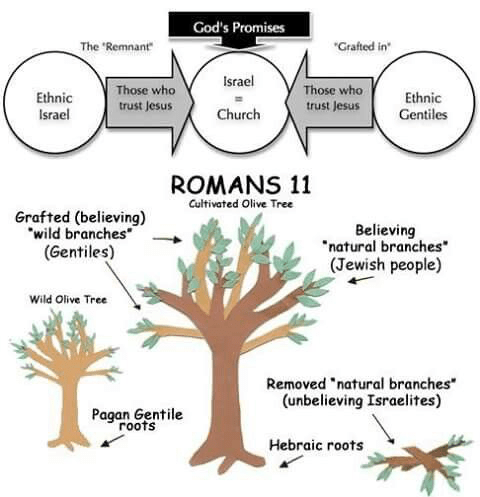

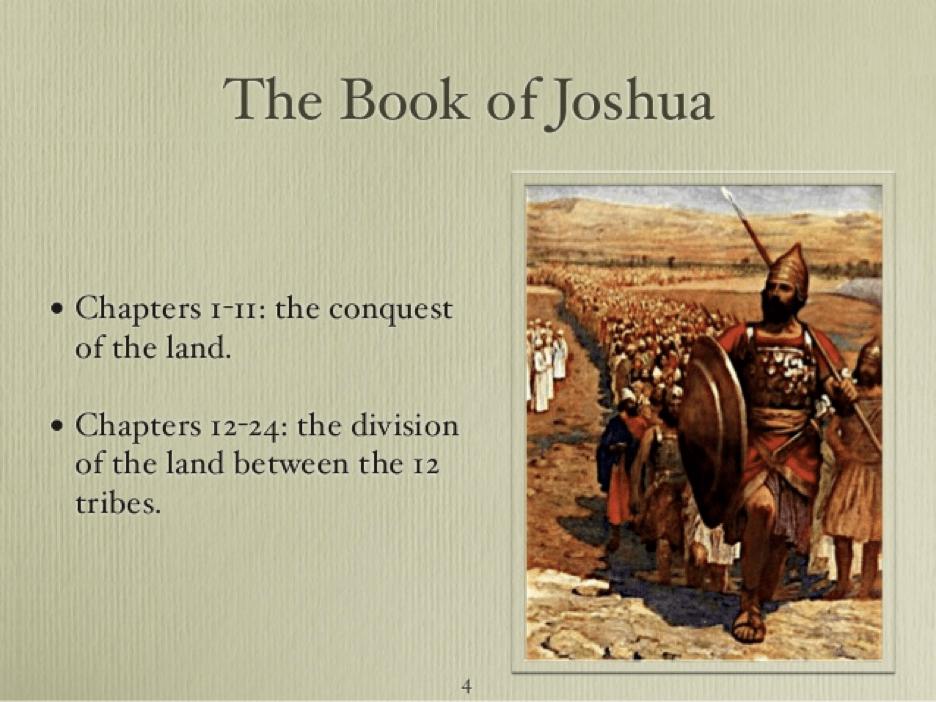

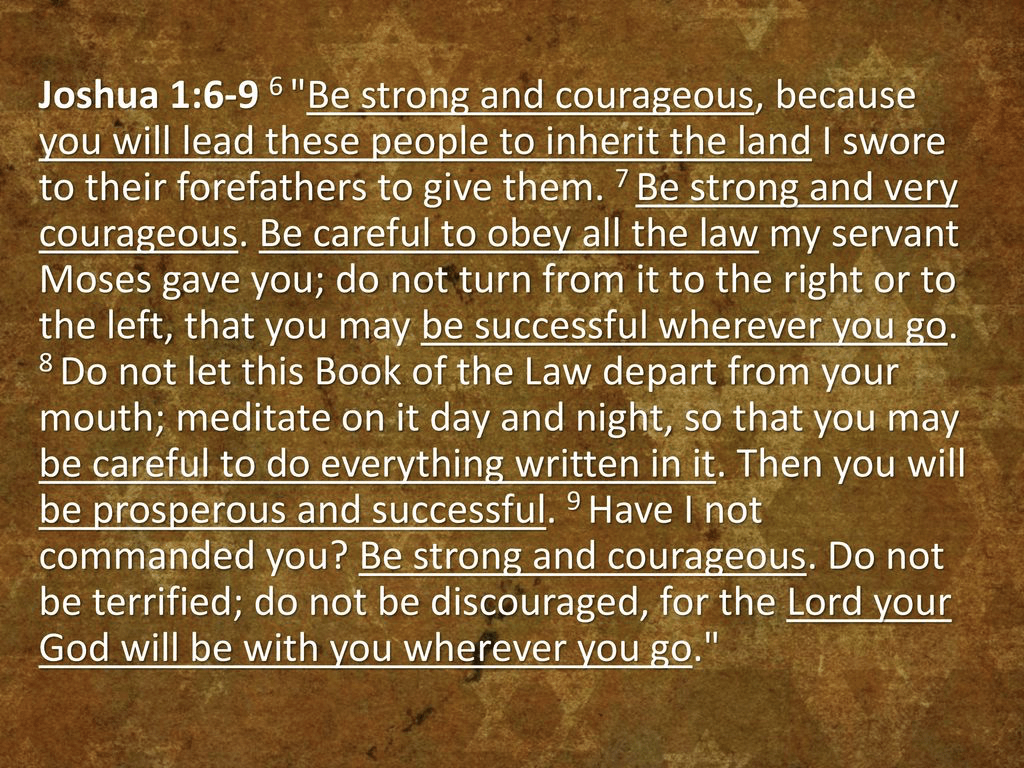
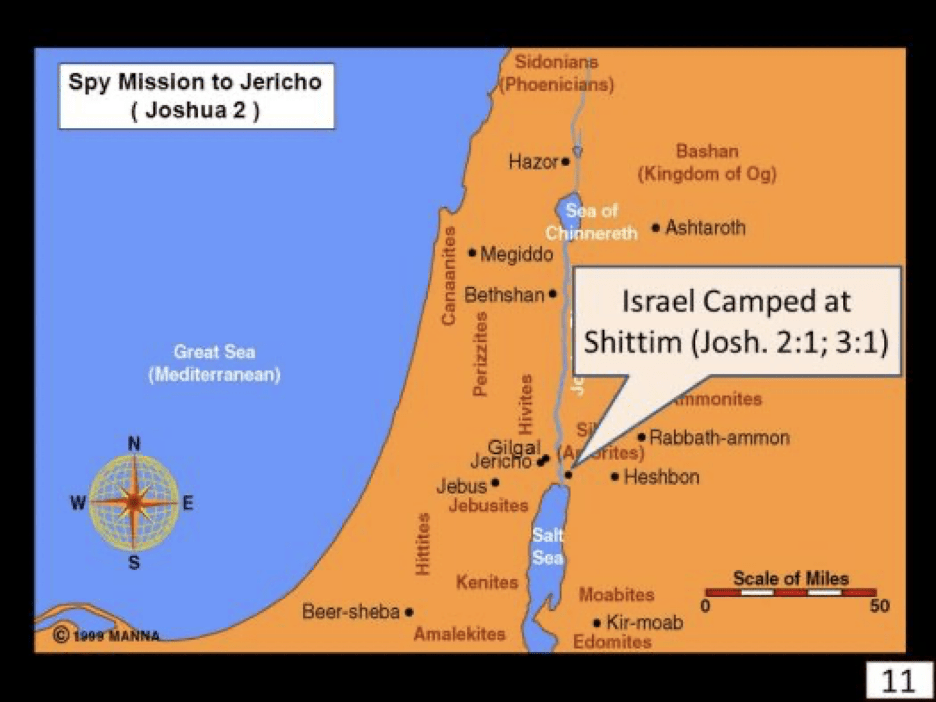
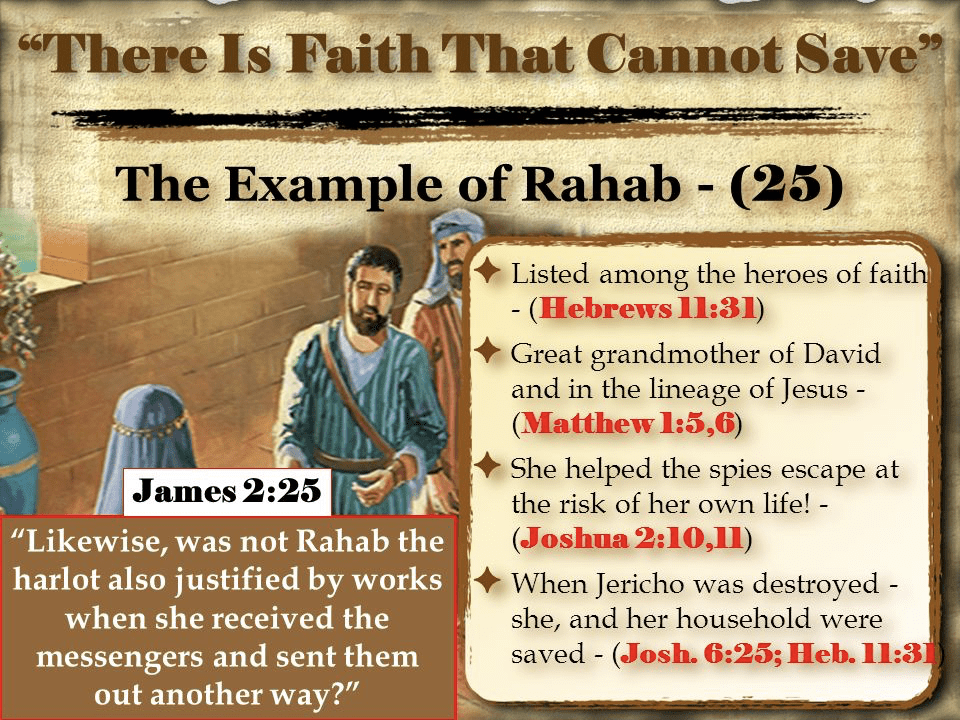
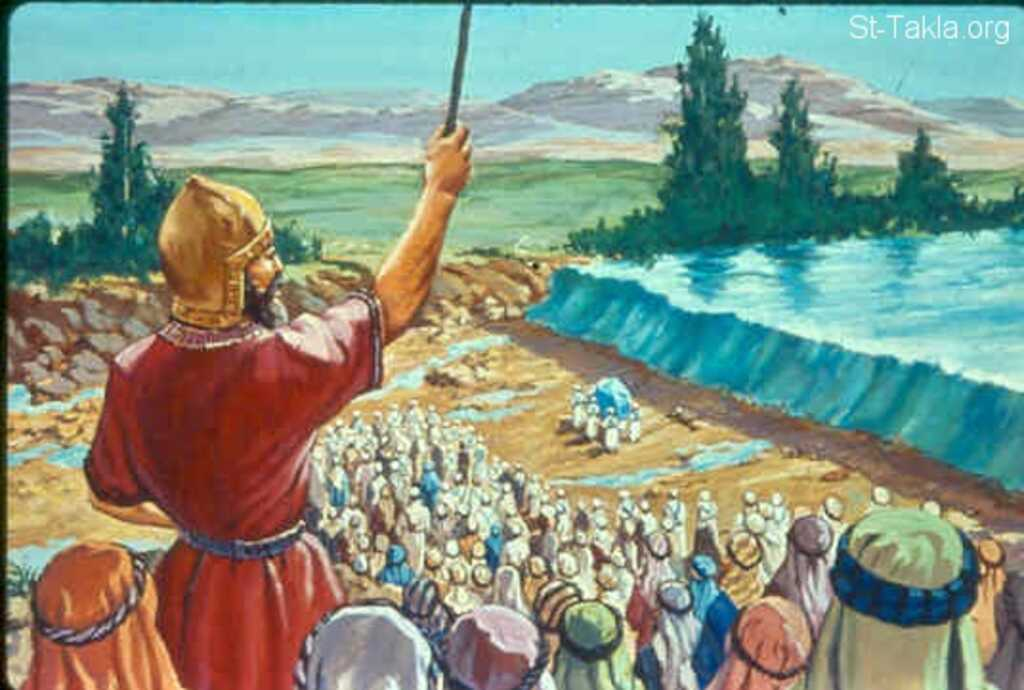
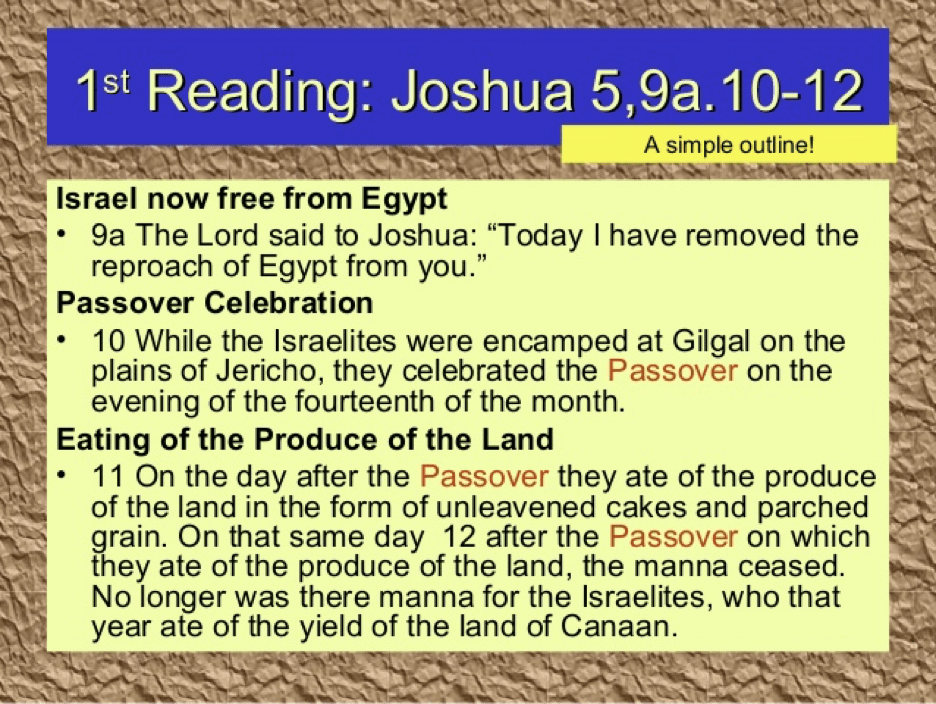
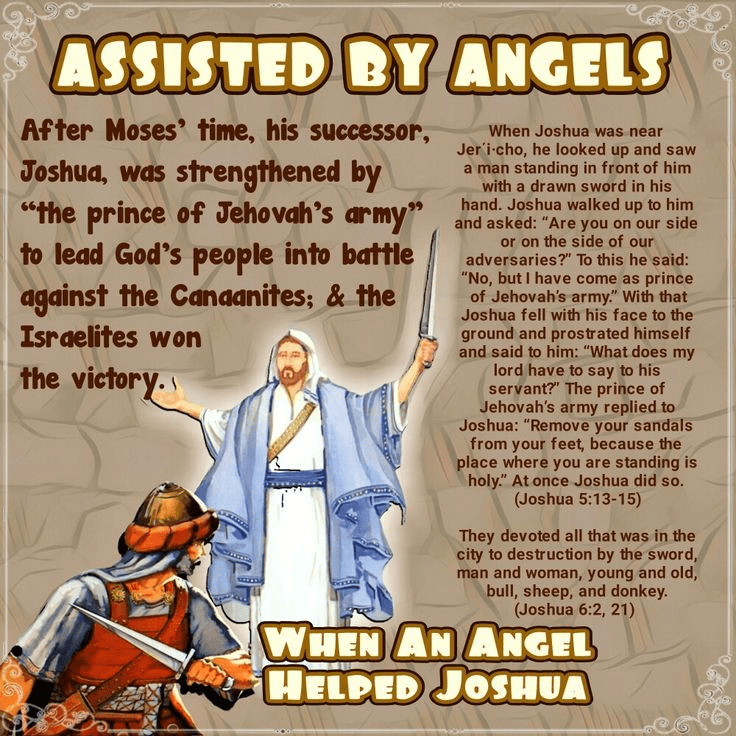
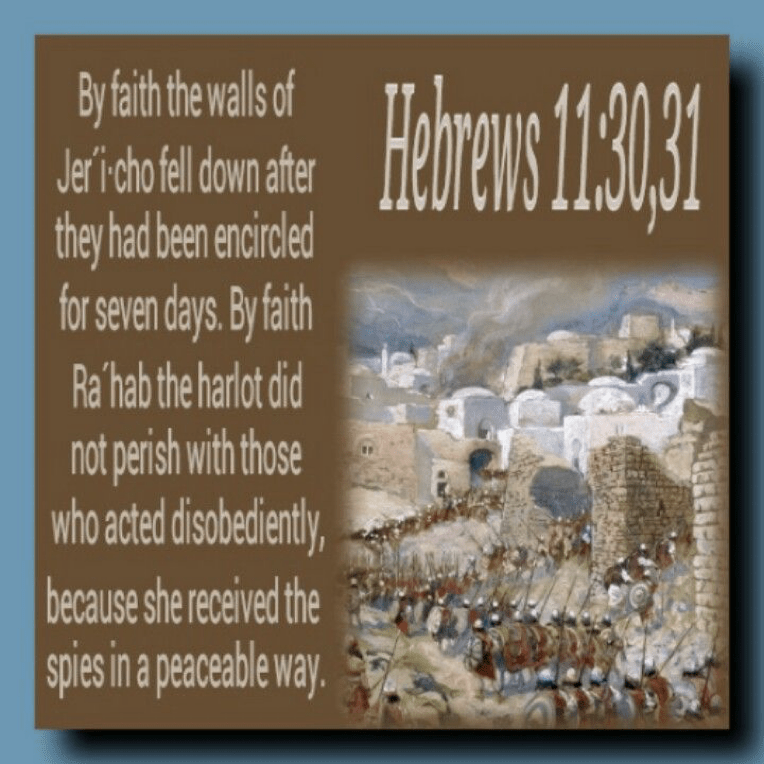
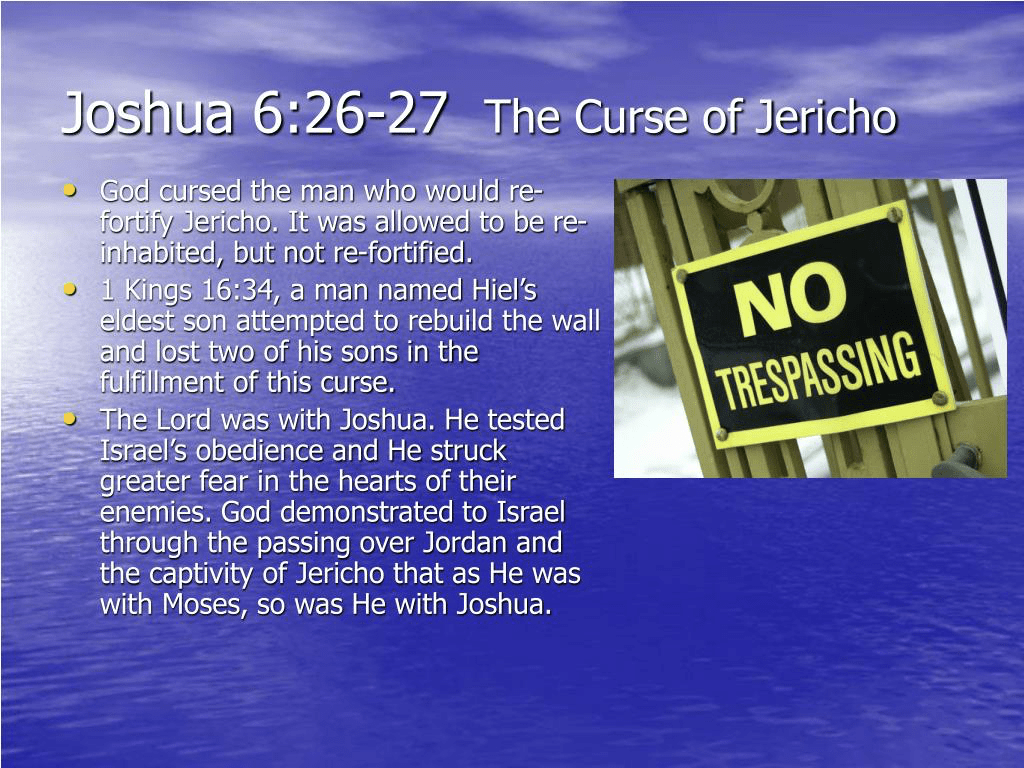
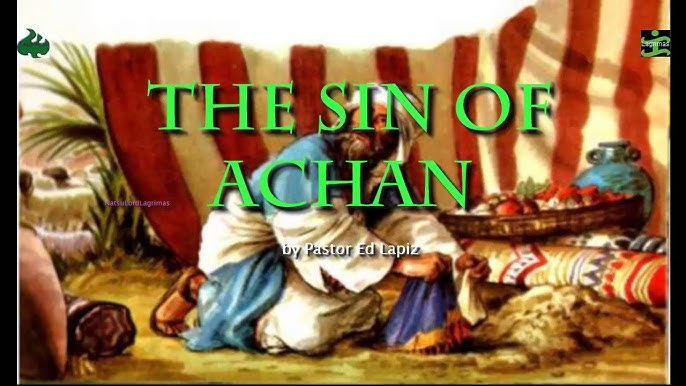
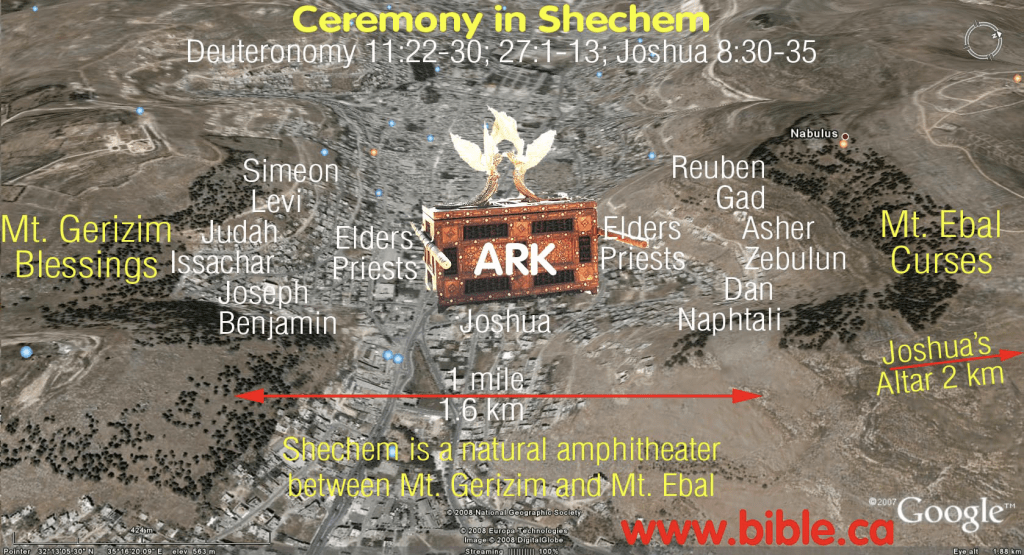


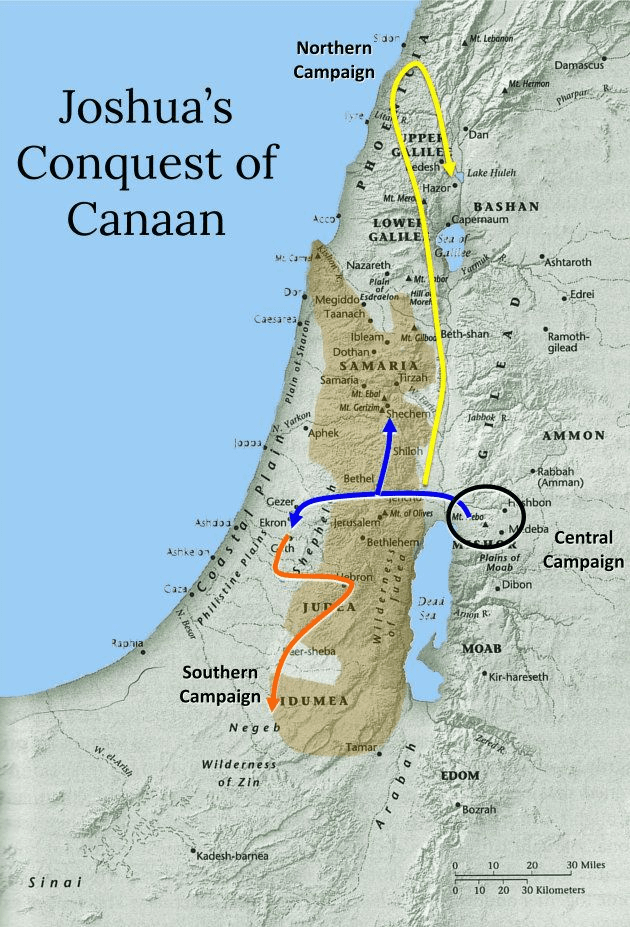
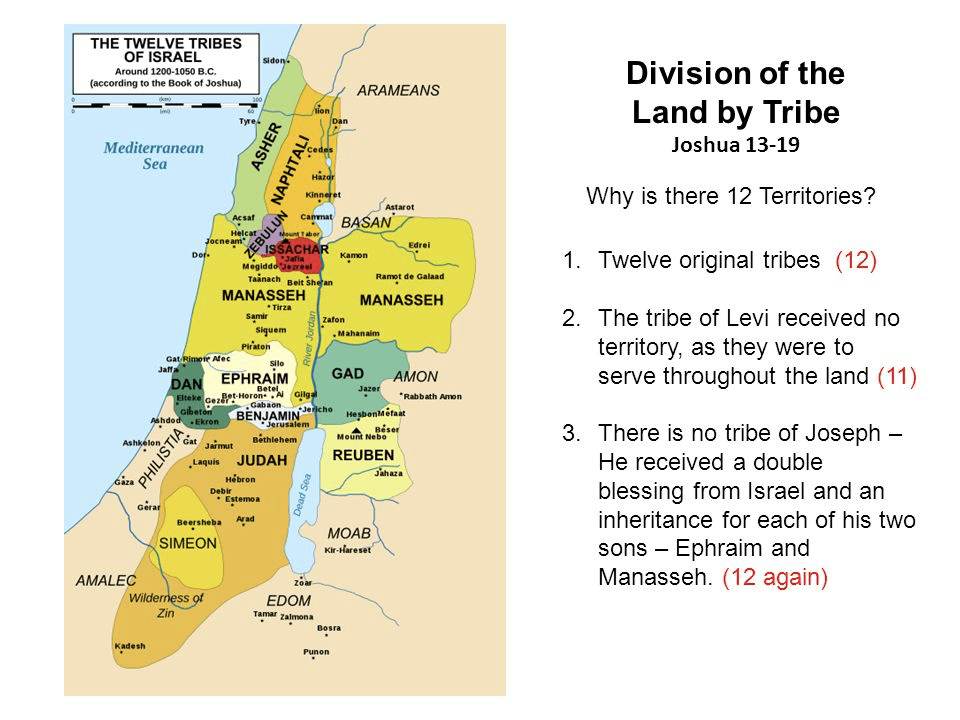
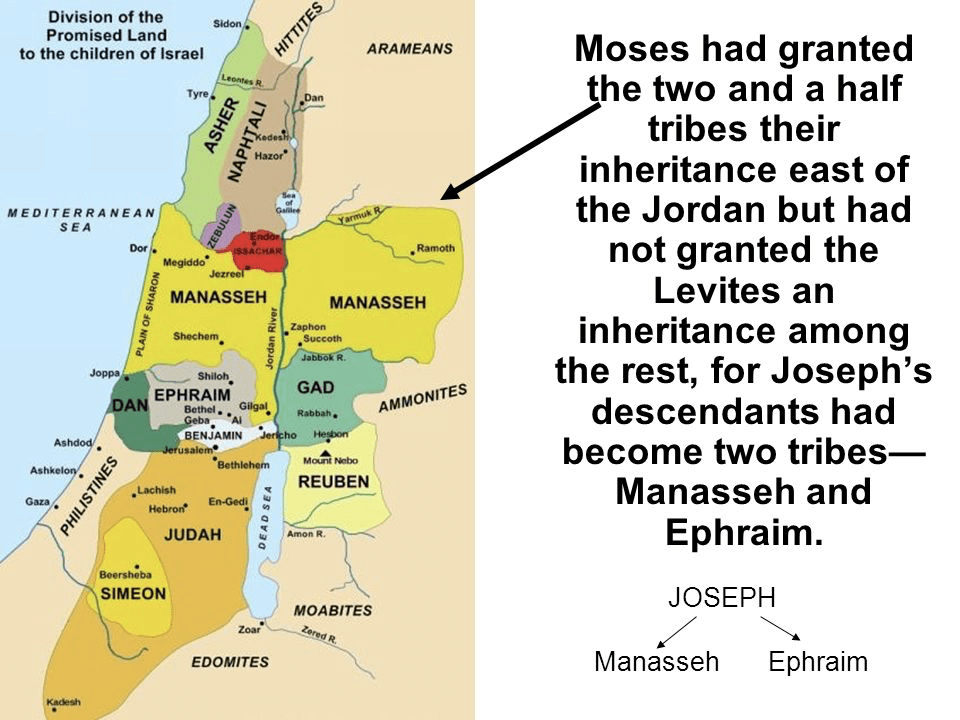
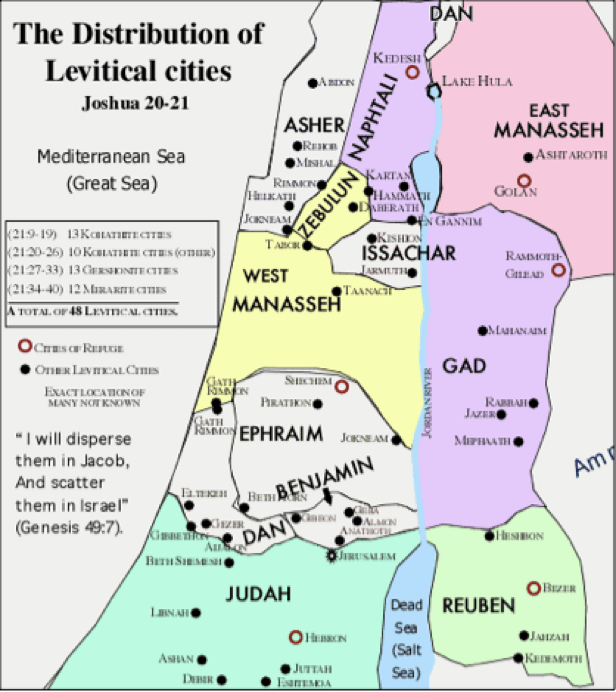
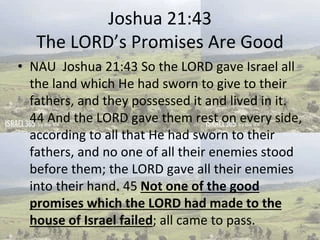
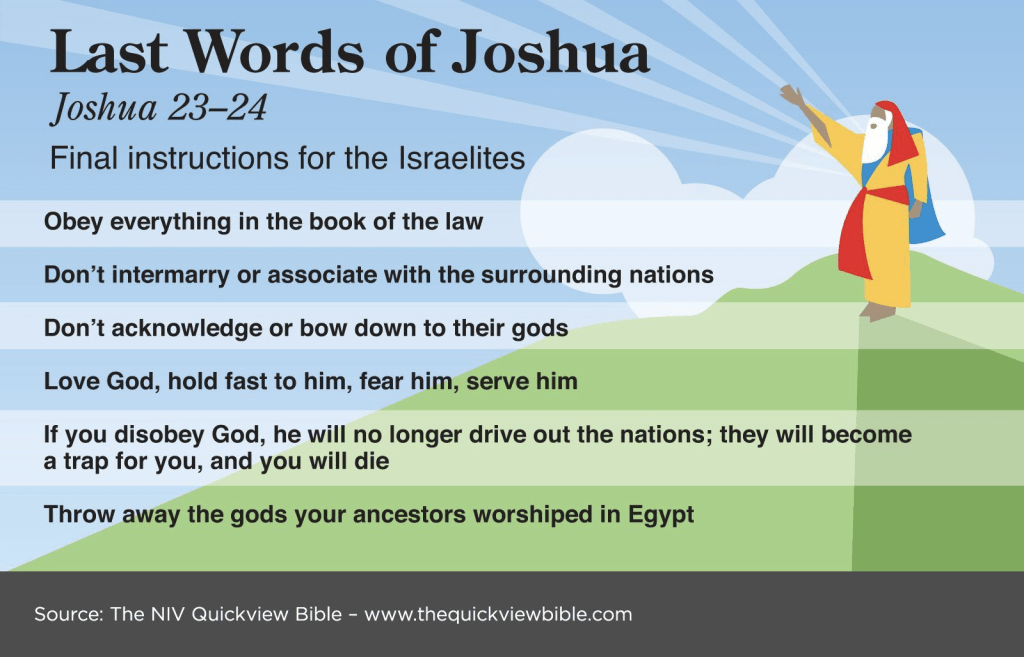
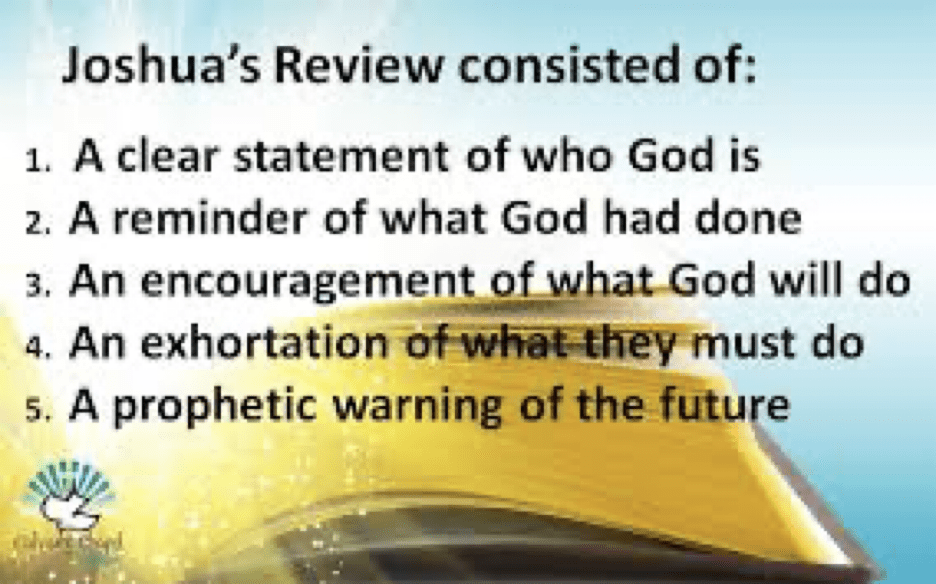
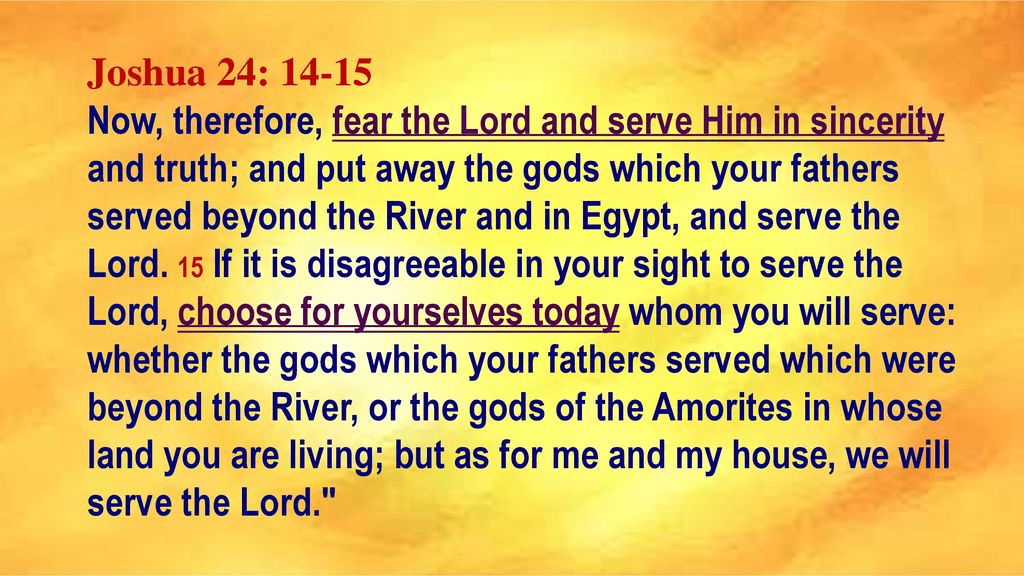
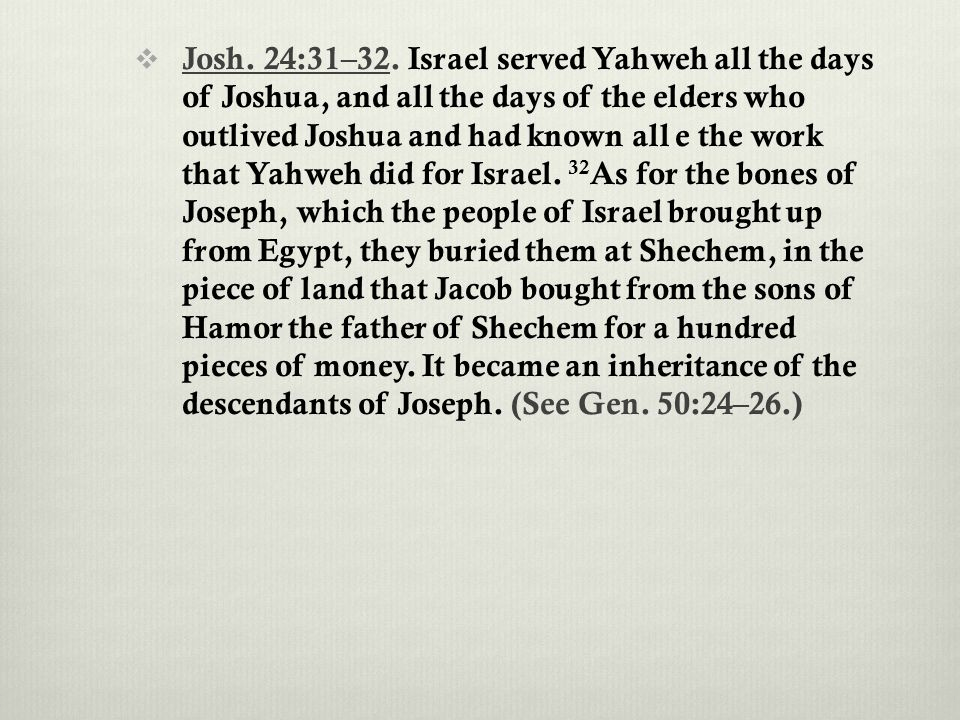

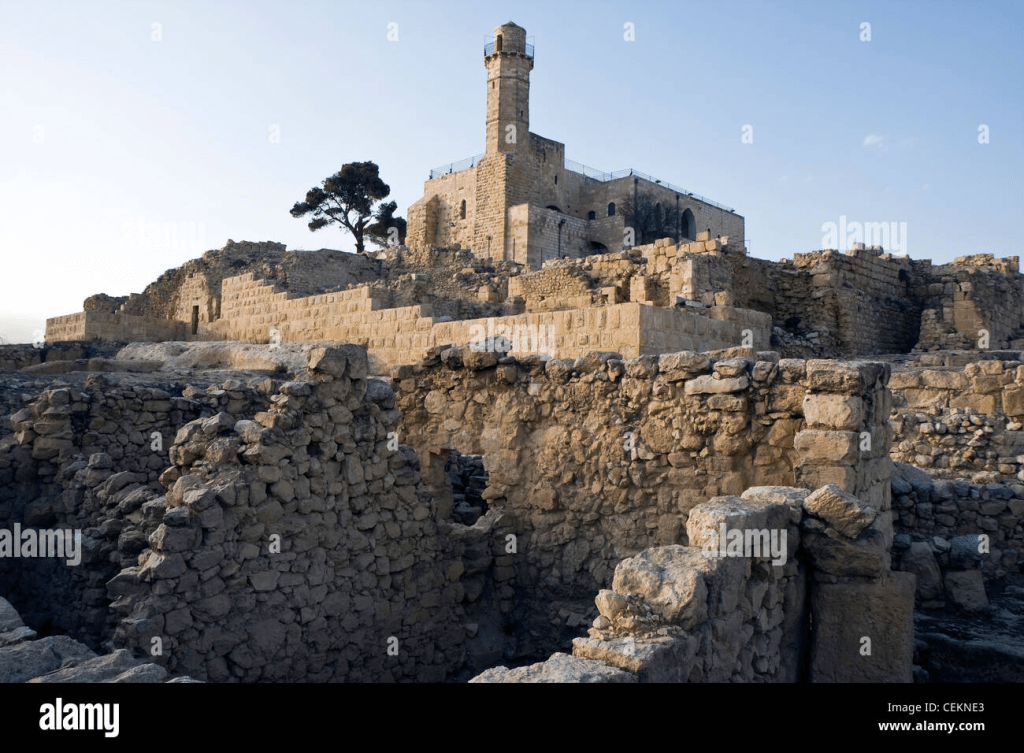
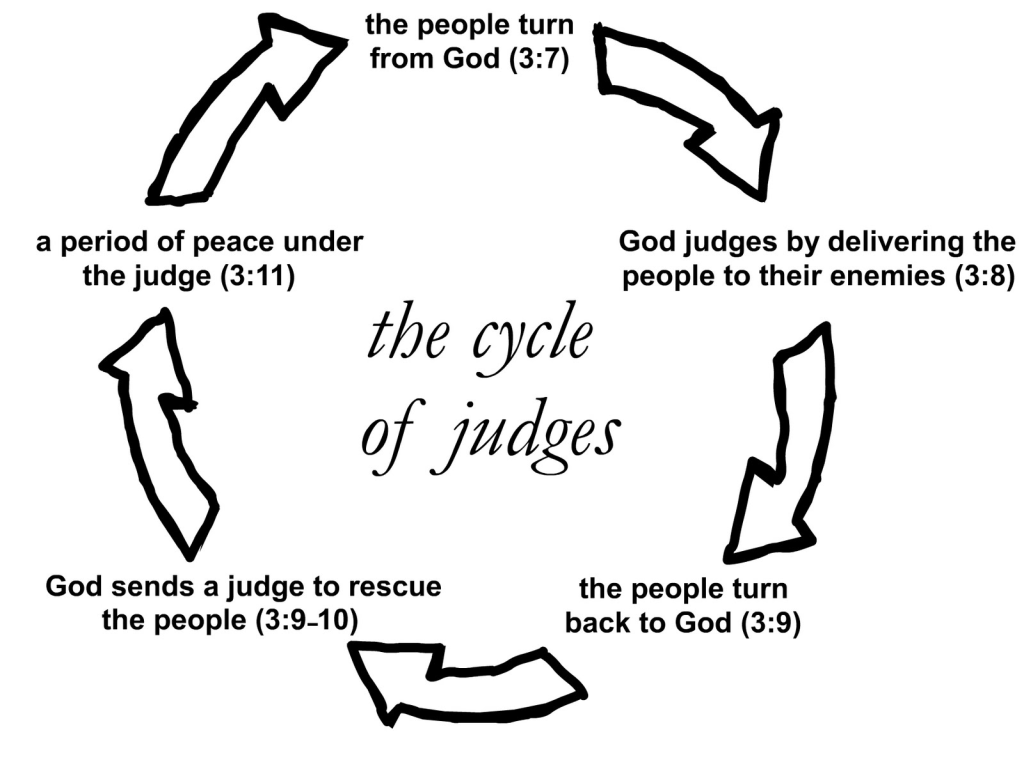
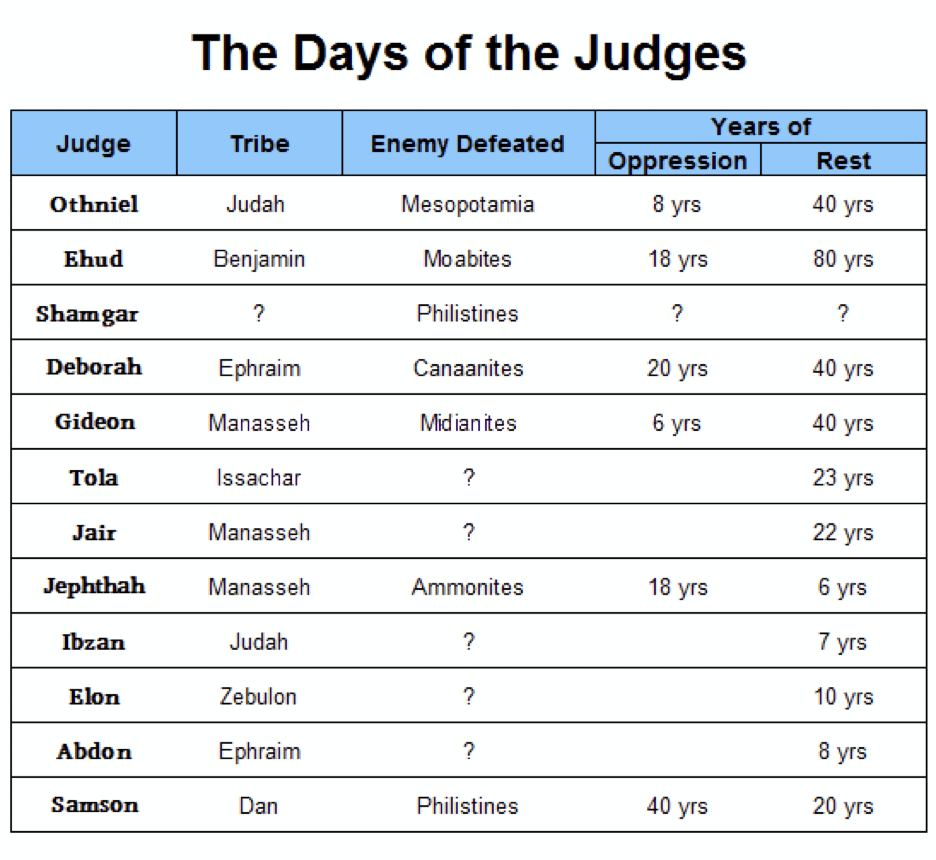
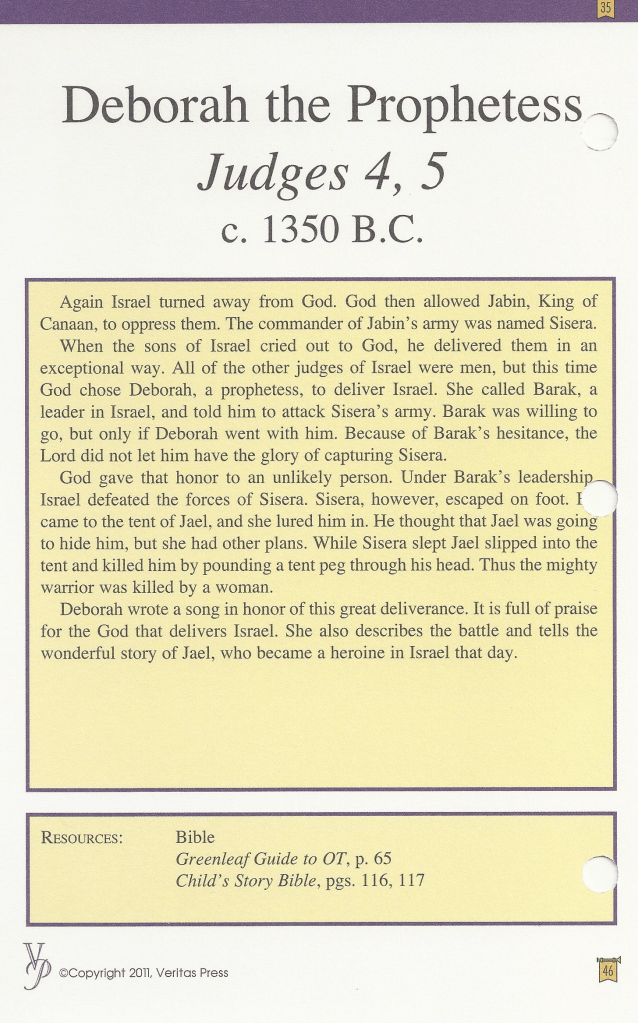
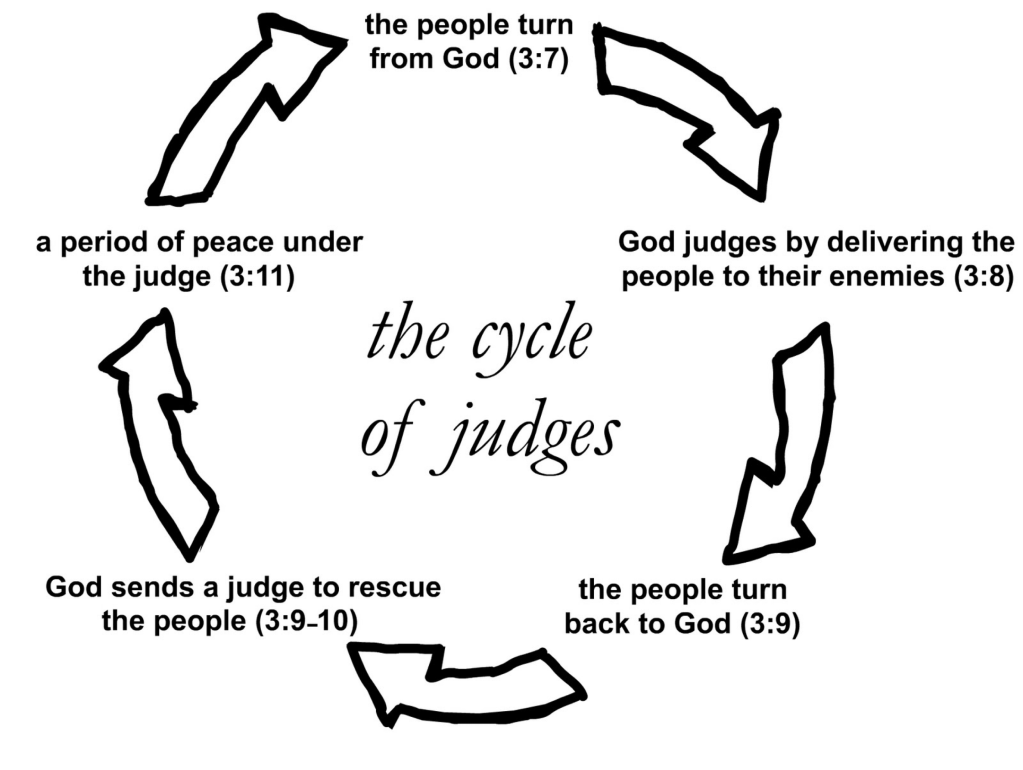
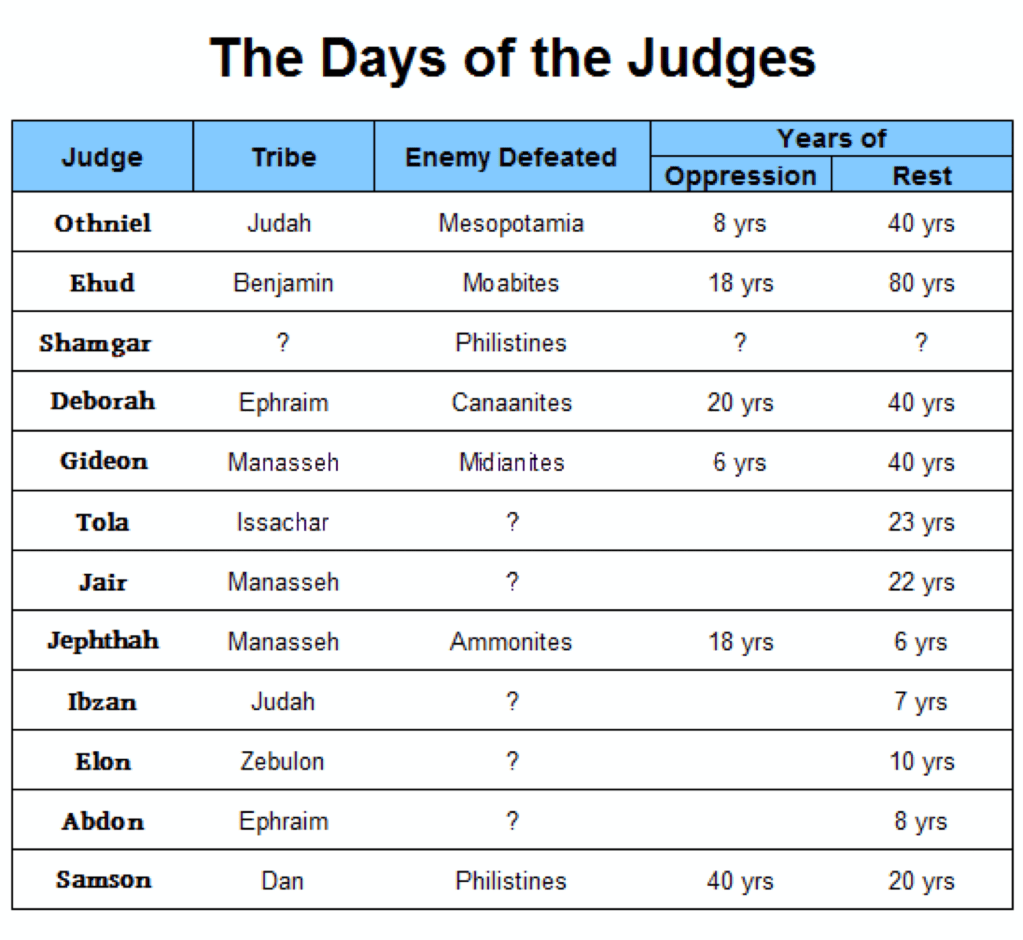
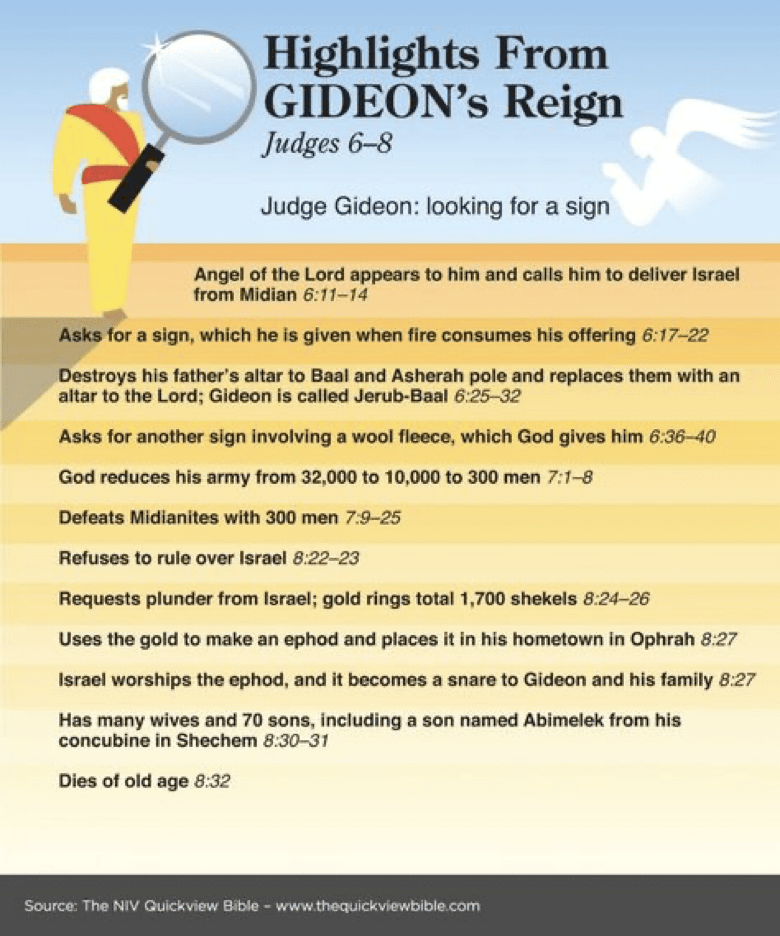
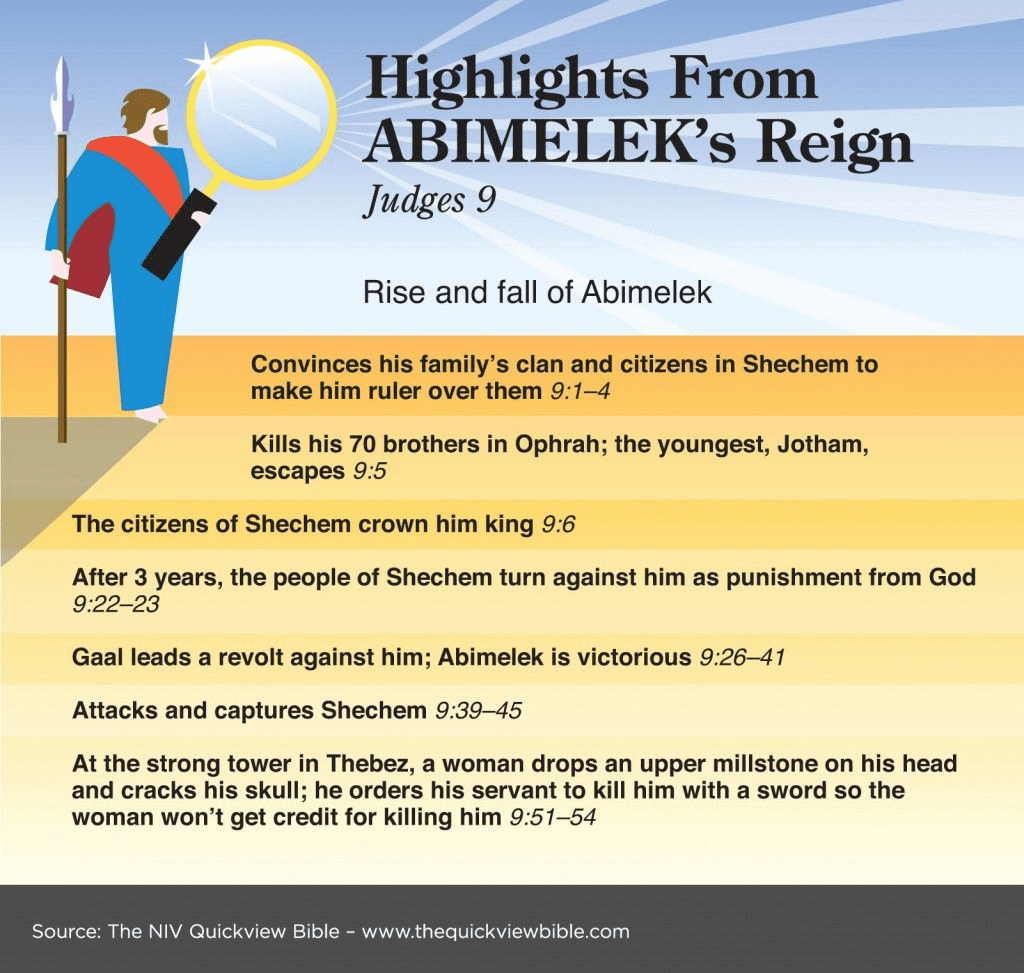
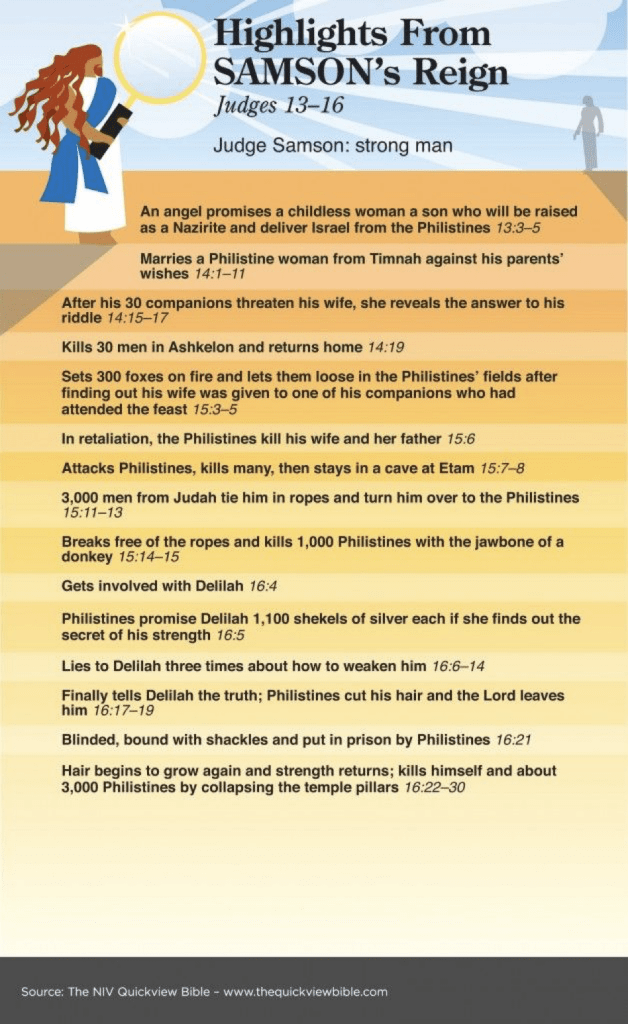


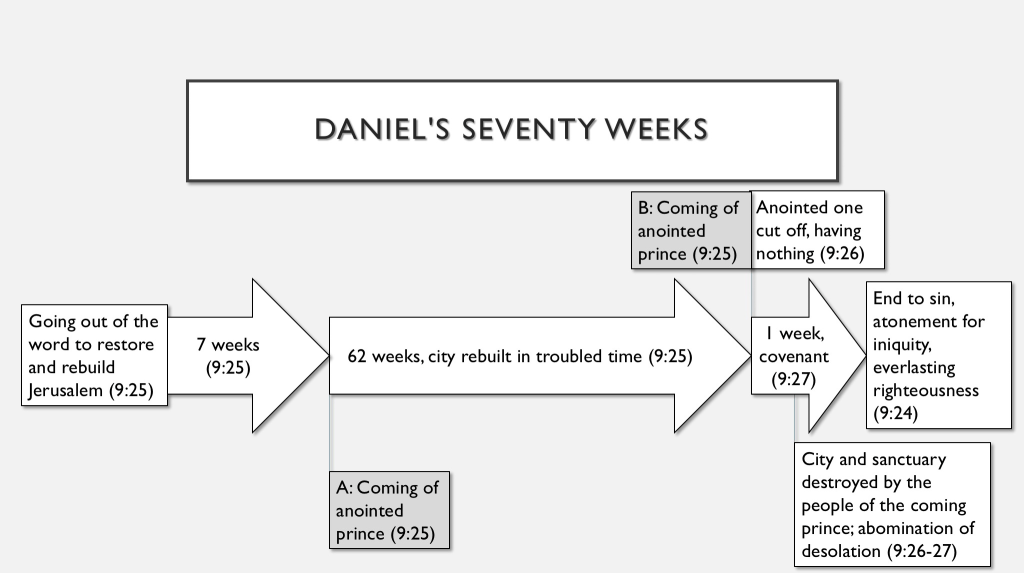
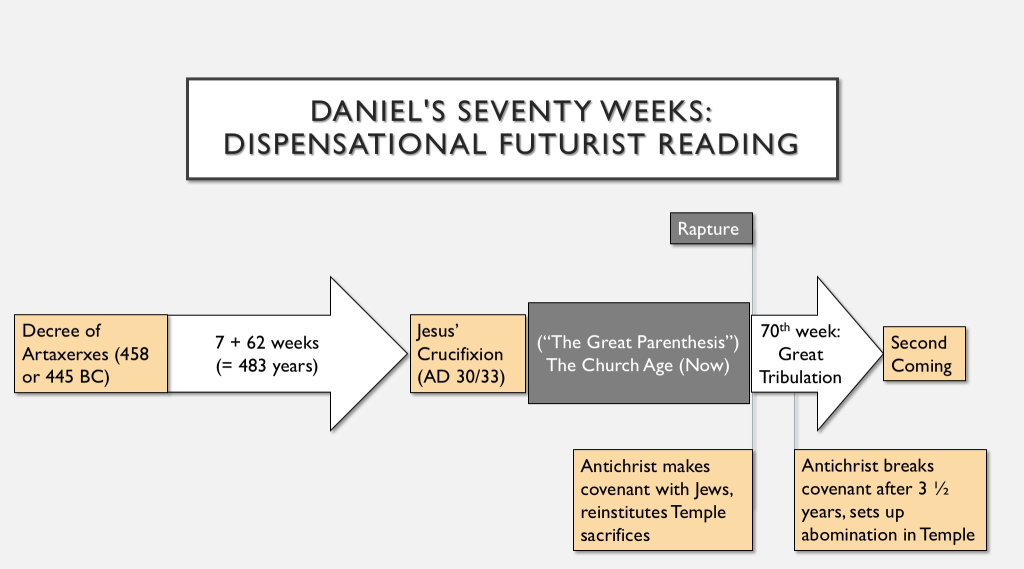


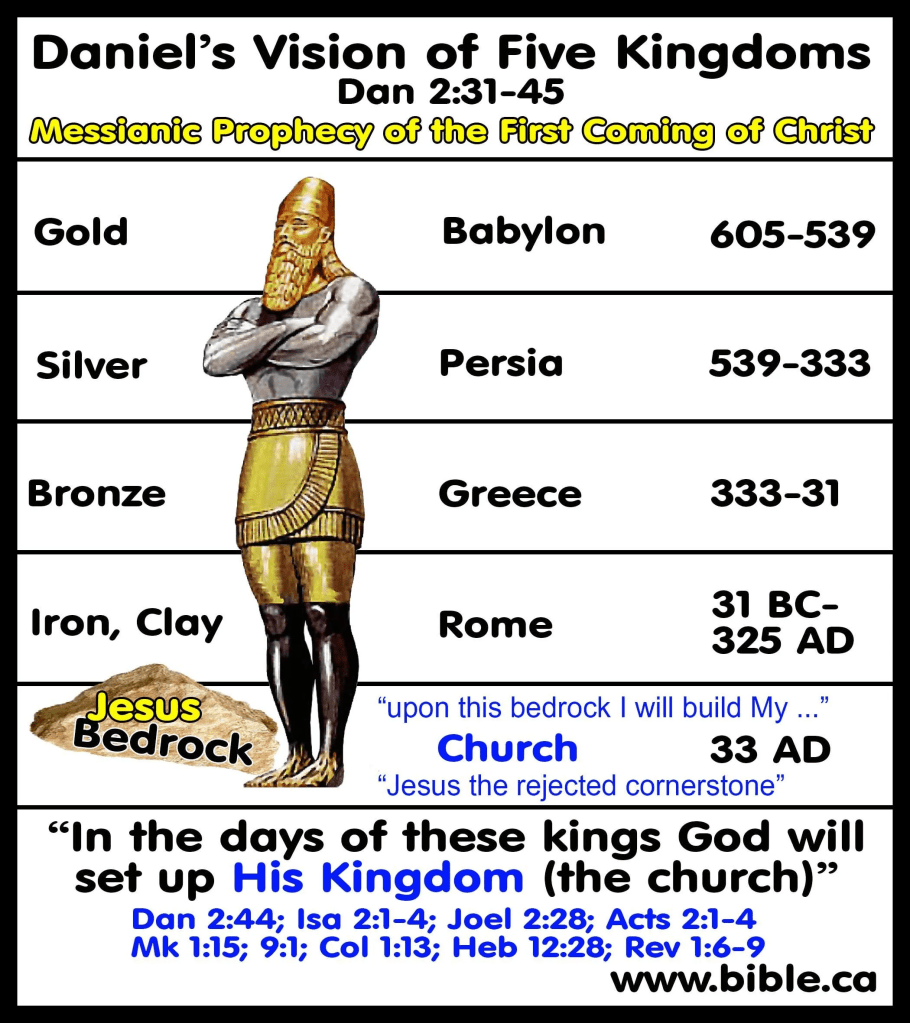
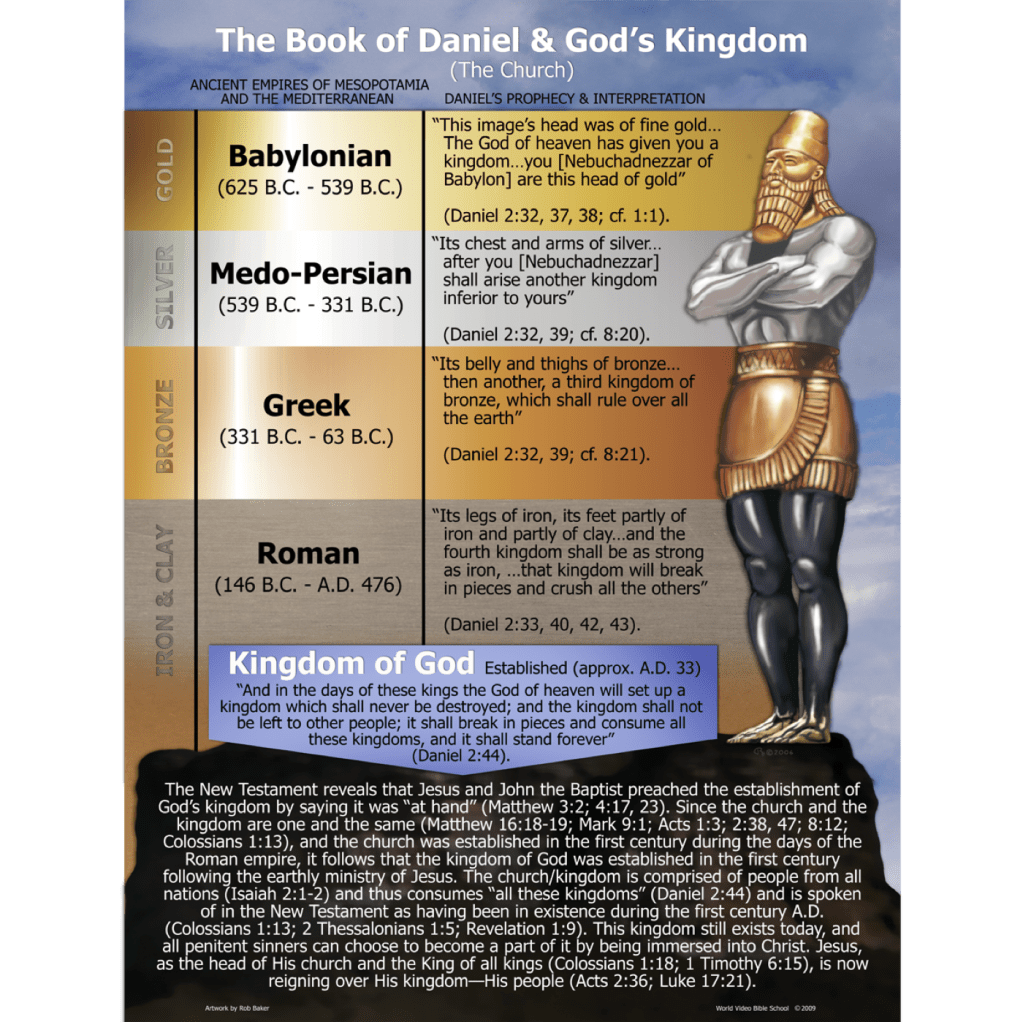
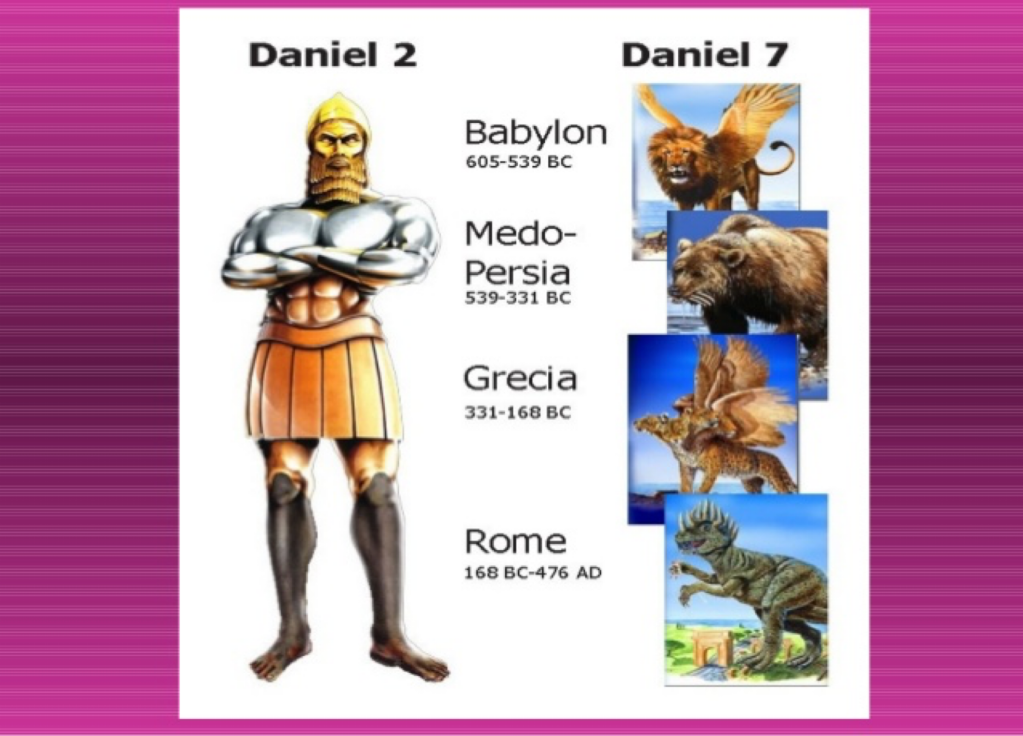
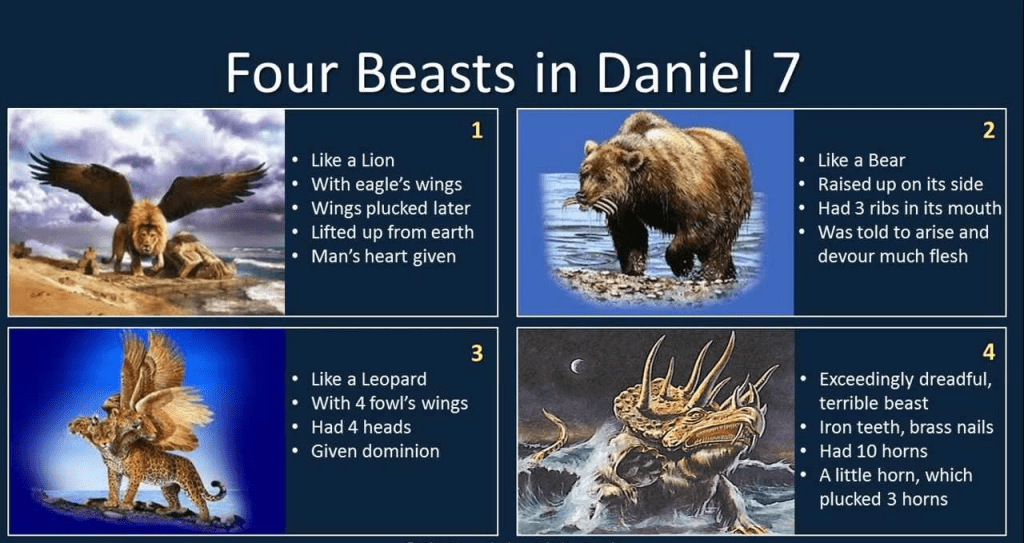

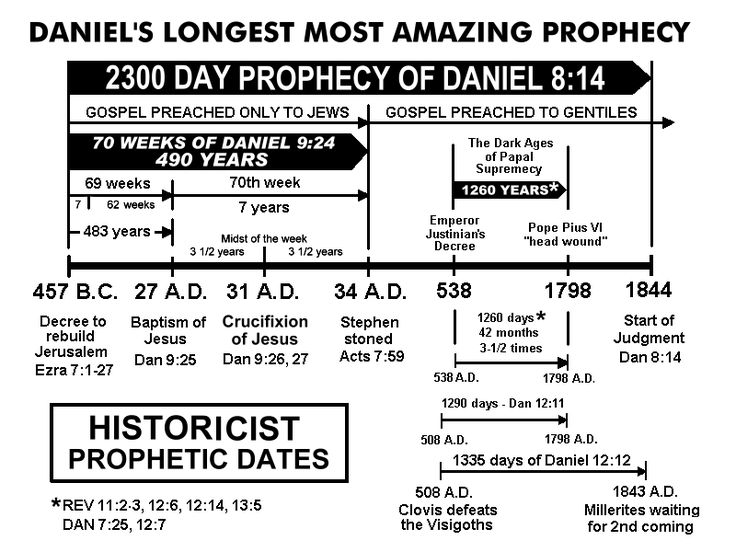

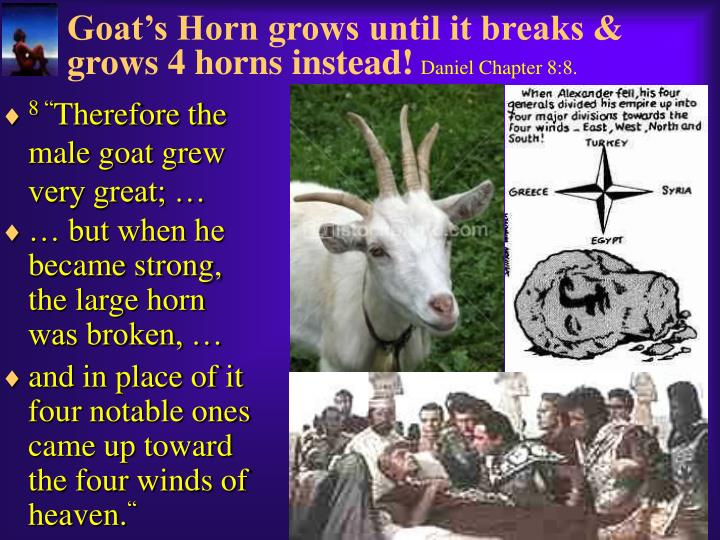
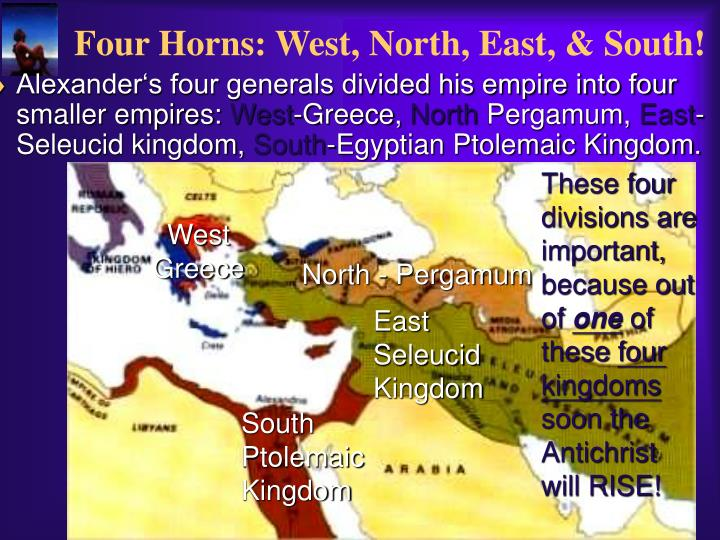
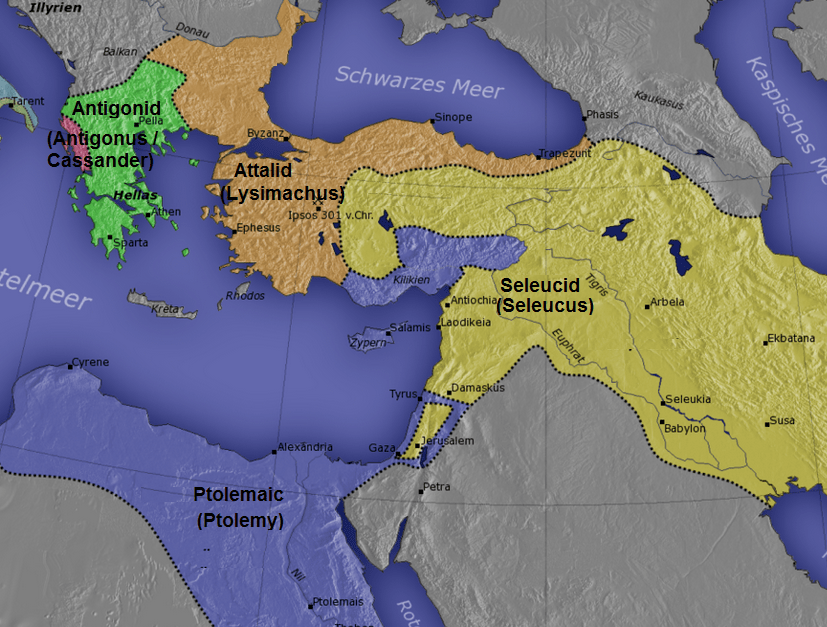
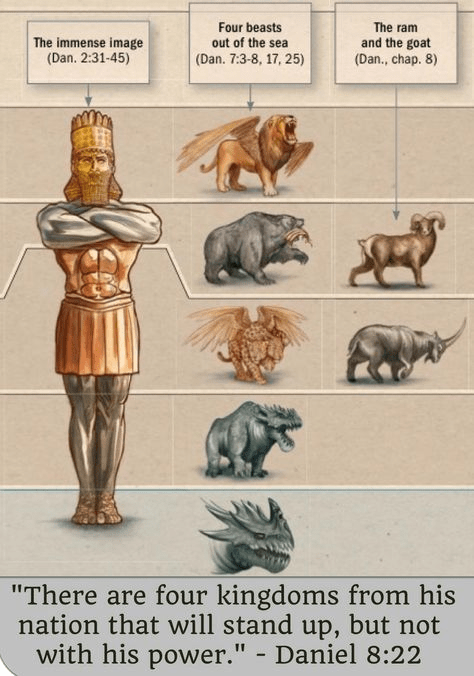
 Nicky's Notes