There were 6 “walks” in Eph 4-6. This referred to the way Christians were to live and act as a result of their special calling into the one body (the doctrinal section in Eph 1-3).
2. 4: 17-32 Walk no longer as the Gentiles
Paul had just talked about the church “maturing” (Eph 4:13), and now he describes what a mature church would look like.
4:25-32 But what does that mean to put off the old self and put on the new self. Let’s get specific on what to put off and what to put on.
4:30 A key verse in the midst of this. 30 And do not grieve the Holy Spirit of God, by whom you were sealed for the day of redemption. The Holy Spirit is constantly working to help us (through the written word and other ways) to do all this. Just like parents are constantly trying to instill these life principles in their children and it grieves them when their children do wrong and don’t do right. It grieves the Holy Spirit when we don’t.
Q: Which one (or ones!) of these do you struggle with the most to put away the bad and do the right?
Q: The “Gentiles” would be the non-Christians around us. Are the non-Christians today really as bad as Paul described them to be?
Are we really different than them? Do we need to be different like the Amish? Can we be “in the world but not of the world”? John 17:14 I have given them your word, and the world has hated them because they are not of the world, just as I am not of the world. 15 I do not ask that you take them out of the world, but that you keep them from the evil one. 16 They are not of the world, just as I am not of the world.
Would your friends and co-workers say that you are different? How could they tell a difference?
3. 5:1-2 Walk in love as Christ loved us and gave himself for us
The “walk” of Ephesians 5:2 refers to our behavior and how we act. We walk in love when we act like God. When we behave like Jesus, we are walking in love. Just as children like to imitate their parents, we are to mimic God in the same way Jesus copied His Father’s behavior.
The Greek word translated as “love” in this passage is agape. Agape is sacrificial, unselfish, unconditional love that proves itself through actions. It perfectly describes God’s love for us (John 3:16) and Christ’s love for us (1 John 3:16). With agape, “God showed how much he loved us by sending his one and only Son into the world so that we might have eternal life through him” (1 John 4:9, NLT). When the Bible says, “God is love” in 1 John 4:8, the word “love” is a translation of agape. God’s nature, His essence, is selfless, sacrificial, unconditional love.
The apostle John stressed that, since God loves us sacrificially and unconditionally, we ought to love others in the same way: “Dear friends, since God so loved us, we also ought to love one another” (1 John 4:11). Again, we walk in love by imitating God’s love for us in how we show love to others. Jesus taught the same principle when He said, “There is no greater love than to lay down one’s life for one’s friends” (John 15:13, NLT).
The apostle Paul gives a detailed description of how to walk in love: “Love is patient and kind. Love is not jealous or boastful or proud or rude. It does not demand its own way. It is not irritable, and it keeps no record of being wronged. It does not rejoice about injustice but rejoices whenever the truth wins out. Love never gives up, never loses faith, is always hopeful, and endures through every circumstance” (1 Corinthians 13:4–7, NLT). The greatest virtue we can nurture in our Christian walk is agape love (1 Corinthians 13:13).
In Ephesians 5:2, Paul said that Jesus “gave himself up for us.” Giving ourselves up means offering our lives to God in sacrifice. It means following, obeying, submitting, serving, and living in a committed relationship with Him. Giving ourselves up means walking in love. When we behave like this, our lives become “a fragrant offering” that is pleasing to God and everyone who encounters the scent (Leviticus 1:17; 3:16). Paul urged believers to offer themselves “as a living sacrifice, holy and pleasing to God—this is your true and proper worship” (Romans 12:1).
When we walk in love, we show the world that we are true followers of Jesus Christ: “Your love for one another will prove to the world that you are my disciples” (John 13:35, NLT; see also 1 John 3:14).
As God’s children and members of His family, we are called to deny our own selfish desires and interests for the sake of God and others. Although we are free in Christ, we use our freedom “to serve one another in love. For the whole law can be summed up in this one command: ‘Love your neighbor as yourself’” (Galatians 5:13–14, NLT). Peter said, “You were cleansed from your sins when you obeyed the truth, so now you must show sincere love to each other as brothers and sisters. Love each other deeply with all your heart” (1 Peter 1:22, NLT). This wholehearted, sacrificial imitation of God’s divine agape is what it means to walk in love.
Q: Would you friends, family, co-workers, people you do business with say that you are a loving Christian, that they see the love of God and of Jesus in you?
Of course there are different ways of expressing love?
Q: Which of these is your primary way of expressing love?
Having given 3 fairly deep doctrinal chapters, Paul goes on in the last 3 chapters to give day to day practical commands for living the life of one who has been saved and added to this church body of believers of all different backgrounds.
A key word is “walk”, used figuratively of how you move about as a Christian day to day, how you conduct yourself. There are 6 walks found in Eph 4-6. Let’s examine the first.
4:1-16 Walk in a manner worthy of your calling in the “unity of the faith” (which includes both dotrinal unity and love unity)
Q: Does God call us to become Christians? How? Do you consider your conversion to be a calling of God? Does God call people by some voice or thought that He puts in your head? We probably have different opinions on that, but one thing for certain is that he calls us “through the gospel”. The good news of salvatiion by grace through Christ’s death for us is the drawing power.
2 Thessalonians 2:13 But we ought always to give thanks to God for you, brothers beloved by the Lord, because God chose you as the firstfruits to be saved, through sanctification by the Spirit and belief in the truth. 14 To this he called you through our gospel, so that you may obtain the glory of our Lord Jesus Christ.
In ch 2 and 3 Paul gave the doctrine of the mystery of uniting Jew and Gentile believers into the one church body. But that brings together believers from two totally different backgrounds. Just as in the church today, we have many different backgrounds and personalities. It is one thing to say that we are united in one body, but it is another thing to say that we love and tolerate one another in love when we have conflicts and differences.
Q: 4:1-3 gives the qualities necessary for us to really have “unity” in the church. Which of these is the most important in your opinion? Which one do you struggle with practicing?
Paul then goes on to give the 7 doctrinal truths that are necessary to have “unity”. Hindus could have all the qualities in 4:1-3 and be united as Hindus, but that would not be unity in Christ. There are 7 basic doctrines and beliefs that we must have to really have Christian unity.
This list excludes those who believe in other gods than Yahweh and other Lords than Yeshua (Jesus). The one baptism is water baptism for the remission of sins (as opposed to the baptism of the Holy Spirit or of fire as some teach). There is one body, which is the church, which is believers all over the world.
Q: How exclusive is this list among those who have the one faith but are in many different denominations? It is exclusive, but some of the 7 doctrines could be interpreted differently.
Q: Does the one baptism have to be for exactly the right reason (i.e. the remission of sins) in the right manner (immersion)? Can it be sprinkling or pouring? Does that really matter? Can it be baby baptism? Why can’t we unite of what the “on baptism” of unity is?
Q: Does the “one body” include all the denominations who have many different names and beliefs but basically hold to these 7 doctrines? The church I was raised in taught that the different man made denominations could not be part of the “one body”, but I disagree with that. The one body is simply those saved by grace throug faith even though they are in different denominations. Unity of those denominations would be great, but not essential for salvation. The founders of the Churches of Christ, Stone and Campbell, sought to get believers from all denominations to put away their denominational names and creeds and just be united as Christians, but they did not say that those believers in those denominations were not Christians.
But what about the denominations that are going LGBQT? Are they still part of the one body?
The “one hope” is that of eternal life. But there are many views on eschatology (amillinealism, ? Do we all have to believe the same on eschatology? Add preterism to the chart below.
4:8 Jesus gave miraculous “gifts” to certain men in the early church to give the doctrinal truths necessary for unity. He “ascended” to heaven to pour out those gifts on men.
Act 2:33 Being therefore exalted at the right hand of God, and having received from the Father the promise of the Holy Spirit, he has poured out this that you yourselves are seeing and hearing.
This would include the 5 miraculously gifted leadership positions (apostles, prophets, evangelists, pastors, and teachers) as well as the miraculous gifts given to members of the church (1 Cor 12). Thus in 4:16 “every joint” helped maintain unity in the body.
These 5 gifted positions were to equip the saints for ministry, to build up the body, to a mature unity of faith and knowledge, to not be tossed about by deceitful doctrines, to speak the truth in love.
Jesus prayed for this “unity of the faith” in John 17:20 “I do not ask for these only, but also for those who will believe in me through their word, 21 that they may all be one, just as you, Father, are in me, and I in you, that they also may be in us, so that the world may believe that you have sent me. 22 The glory that you have given me I have given to them, that they may be one even as we are one, 23 I in them and you in me, that they may become perfectly one, so that the world may know that you sent me and loved them even as you loved me.
This is Jesus’ prayer on the night before he is crucified the next day. It would be like me knowing that I will die tomorrow and the night before I pray that my 3 children will always be united and love and help each other after I die.
Q: As a result of these gifted 1st century positions, do we have all that we need for Christian unity and “maturity” in the church? If we have all that we need doctrinally for unity, then why. do we have so many different denominations teaching so many different doctrines? I might teach my 3 children all that they need to become mature adults, but that doesn’t mean they will become mature adults.
What would be examples of “deceitful doctrines” that stray from that unity? This sounds more devious than just differences of interpretation on issues and doctrines that are not heaven or hell issues, such as those given by Paul in Romans 14 (eating of meats, observing of days, etc.). Deceitful doctrines sounds like doctrines taught by devious people trying to lure and pull believers away from the one body, maybe their motivation is power or sex or money.
Peter spoke of such false prophets in 2 Peter 2:But false prophets also arose among the people, just as there will be false teachers among you, who will secretly bring in destructive heresies, even denying the Master who bought them, bringing upon themselves swift destruction. 2 And many will follow their sensuality, and because of them the way of truth will be blasphemed. 3 And in their greed they will exploit you with false words. Their condemnation from long ago is not idle, and their destruction is not asleep.
Q: What are some doctrines that are not heaven or hell doctrines? Maybe instrumental music in worship, frequency of taking the Lord’s Supper, names and organization of churches, etc. We should not make any doctrine a heaven or hell doctrine unless the scriptures specifically do so. If we make almost every doctrine a heaven or hell one, then we will end up in untold division, as some groups have found out.
Q: So what are the doctrines are heaven or hell essential doctrines to the “unity of the faith”?
The list of 7 doctrines in this chapter is where we start, but even then the “one baptism” can be interpreted differently. Certainly the one faith would include the belief that Jesus is the Son of God whose death is the only way to be saved. That would rule out all the cults who deny the deity of Jesus.
There are certain sins that Paul says in Galatians 5:19 Now the works of the flesh are evident: sexual immorality, impurity, sensuality, 20 idolatry, sorcery, enmity, strife, jealousy, fits of anger, rivalries, dissensions, divisions, 21 envy, drunkenness, orgies, and things like these. I warn you, as I warned you before, that those who do such things will not inherit the kingdom of God. The Bible teaches that homosexuality is a sin, but the LGBQT issue has divided churches and believers, but there can be no compromise on that. Sometimes unity is not possible if some refuse to acknowledge the inspiration of Scripture and won’t allow the Bible to define what is right and wrong.
Q: Do we still need and have those gifted leaders today?
Apostles (the Mormon church has 12 apostles)? Paul spoke of false apostles: Paul spoke of “false apostes”: For such are false apostles, deceitful workers, transforming themselves into apostles of Christ. And no wonder! For Satan himself transforms himself into an angel of light. Therefore it is no great thing if his ministers also transform themselves into ministers of righteousness, whose end will be according to their works (2 Corinthians 11:13-15).
Prophets (many churches claim to have prophets)? What about all the prophets of all the cults? The Mormons have Joseph Smith as their prophet, the Seventh Day Adventists have Ellen G. White, the Jehhovah’s Witnesses have Rutherford and Russell, Christian Science have Mary Baker Eddy, and countless more examples. These false prophets have no miraculous confirmation that they are a prophet and no predicting of the future to confirm that they are prophets. They also add to the “all truth” that was given to the original apostles without any proof that Jesus is allowing them to do that.
Evangelists (are our preachers really evangelists?) In the early church, evangelists were gifted men who moved around preaching the gospel, establishing churches, grounding churches in the truth as Paul left Timothy in Ephesus to do (1 Timothy 1:3 As I urged you when I was going to Macedonia, remain at Ephesus so that you may charge certain persons not to teach any different doctrine) or as Paul left Titus in Crete to do (Titus 1:5 This is why I left you in Crete, so that you might put what remained into order, and appoint elders in every town as I directed you—). It was not a permanent paid position such as the paid clergy position that we have invented in churches today. The church did provide food and a place to stay for the evangelists who came to them. The Didache (a first century document) warns “You should treat apostles and prophets as the Gospel commands. Receive every apostle that comes to you as you would the Lord. But he must not stay more than one day, or two if necessary: but if he stays three days, he is a false prophet.” In other words, he must be preaching for the money! There were gifted elders and teachers to lead the church, so a permanent paid evangelists were not needed or authorized. We don’t have miraculously gifted elders or teachers today, but we still have many good elders and teachers in our churches. Why do we spend so much money of permanent paid pastors and preachers?
I can see how evangelists who do mission work to establish churches might need to be supported (as my family was doing mission work in Trinidad and Colombia), but even then that was not a permanent position. It is interesting that the Moravians sent out many missionaries all over the world (I encourage you to read about their history). They taught them a trade so they could support themselve in the foreign country they worked in, gave them money to get there, but did not support them as they lived there!
Pastors (i.e. elders; are our elders today gifted?): The word for shepherd is poimainó: to act as a shepherd. [4165/poimaínō (“to shepherd, tend”) occurs 11 times in the NT, usually with a figurative sense of “shepherding (tending) God’s flock.” This provides Spirit-directed guidance (care) conjunction with feeding His people (teaching them Scripture).] This is the word Paul used in Acts 20 when telling the elders (4245presbýteros – properly, a mature man having seasoned judgment (experience); an elder.) whom God had made to be overseers (episkopos: a superintendent, an overseer: this is the word used of elders in 1 Timothy 3 and Titus 14166poimḗn – properly, a shepherd (“pastor” in Latin); (figuratively) someone who the Lord raises up to care for the total well-being of His flock (the people of the Lord).) to “shepherd (Pastors (i.e. elders; are our elders today gifted?): The word for shepherd is poimainó: to act as a shepherd. [4165/poimaínō (“to shepherd, tend”) occurs 11 times in the NT, usually with a figurative sense of “shepherding (tending) God’s flock.” This provides Spirit-directed guidance (care) conjunction with feeding His people (teaching them Scripture).] This is the word Paul used in Acts 20 when telling the elders (4245presbýteros – properly, a mature man having seasoned judgment (experience); an elder.) whom God had made to be overseers (episkopos: a superintendent, an overseer: this is the word used of elders in 1 Timothy 3 and Titus 1) to shepherd (4166poimḗn – properly, a shepherd (“pastor” in Latin); (figuratively) someone who the Lord raises up to care for the total well-being of His flock (the people of the Lord) the flock. In other words, the 3 Greek words in Acts 20 refer to the same position: elders( presbyteros from which we get presbyters), overseers (episkopos from which we get bishops), shepherds (poimen from which we get pastors and shepherds). The early church organization at the local level was “elders and deacons”. Philippians 1:1: Paul wrote to the “overseers and deacons” in Philippi.1 Timothy 3: Paul lists qualifications for elders and deacons, including that elders should be experienced Christians with good reputations and well-ordered families. Titus 1: Paul refers to elders and overseers as the same. Acts 20:28: Paul spoke to the elders in Ephesus and told them to be overseers of the church. 1 Peter 5: Paul uses language of elders both shepherding and overseeing. In Christianity, the roles of presbyters and bishops have varied across time and denomination, often as 2 different positions, but the words refer to one position, that of elders.
Bottom line, the gifted “pastors” in Eph 4:11 were shepherds or elders, not preachers like the term is used for preachers in denominations today. They were appointed in churches even soon after they were established. Paul on his 1st missionary journey: Acts 14:21 When they had preached the gospel to that city and had made many disciples, they returned to Lystra and to Iconium and to Antioch, 22 strengthening the souls of the disciples, encouraging them to continue in the faith, and saying that through many tribulations we must enter the kingdom of God. 23 And when they had appointed elders for them in every church, with prayer and fasting they committed them to the Lord in whom they had believed. So Paul appointed elders in those local congregations very soon after he established those churches. Those elders would have met the qualifications for elders in 1 Tim 3, but they would have needed the miraculous gifts to enable them to guide and protect the flock from false teachers. I believe all the first century elders had miraculous gifts, just as Eph 4:11 claims.
We do not have miraculously gifted elders today, so do we still need elders? I think so. They just need to realize their limitations since they are not miraculously gifted. Of course, they can still protect the flock from heresy without being gifted by using the “all truth” in the Word, and they can still lovingly shepherd and care for the flock. They need to be careful about forcing their “opinions” on the flock.
Teachers : According to Ephesians 4:11, “pastors and teachers” are listed together, but whether they represent one single position or two distinct gifts is a matter of debate among scholars; some interpret it as meaning that all pastors should be teachers, but not all teachers are necessarily pastors, suggesting a distinction between the roles even if they are closely related. One of the qualifications for an overseer or elder was “apt to teach” (1 Timothy 3:1The saying is trustworthy: If anyone aspires to the office of overseer, he desires a noble task. 2 Therefore an overseermust be above reproach, the husband of one wife, sober-minded, self-controlled, respectable, hospitable, able to teach… Of the elders that Paul told Titus to appoint in Crete: Titus 1:9 He must hold firm to the trustworthy word as taught, so that he may be able to give instruction in sound doctrine and also to rebuke those who contradict it. So, elders did teach in the churches, but in Eph 4:11 the “teachers” probably referred to a different position from elders. There were miraculously gifted teachers in the early church. 1 Cor 12:27 Now you are the body of Christ and individually members of it. 28 And God has appointed in the church first apostles, second prophets, third teachers, then miracles, then gifts of healing, helping, administrating, and various kinds of tongues. 29 Are all apostles? Are all prophets? Are all teachers? Do all work miracles? 30 Do all possess gifts of healing? Do all speak with tongues? Do all interpret? 31 But earnestly desire the higher gifts.It is interesting that Paul list the top 3 gifted positions in the church at Corinth as apostles, prophets, and teachers. It is also interesting that he does not include the miraculously gifted positions of elders or evangelists. Evangelists traveled church to church, so I can see why they were not included, but were there not miraculously gifted elders in the church at Corinth. I found this on the internet:”No, elders do not appear in any Biblical accounts of the church at Corinth. The church at Corinth lacked the spiritual maturity that would have been necessary for elders to be present. The church was made up of people with a history of immoral lifestyles, including sexual immorality, idolatry, and adultery. There was also evidence that many Corinthian disciples were former members of pagan mystery cults.” But then I found this. “For example, there is nothing said in the New Testament of the Eldership in Corinth, yet the epistle of the church in Rome to the church in Corinth commonly called the epistle of Clement, written about the close of the first century, proves that there was a plurality of Elders in Corinth.” Maybe the church added elders after Paul’s death as the miraculous gifts ceased to exist?
Do we need teachers today in churches, even if they are not miraculously inspired? I think so. They just need to be grounded in the Word.
Ch 1 introduced the mystery: Eph 1:9 making known to us the mystery of his will, according to his purpose, which he set forth in Christ 10 as a plan for the fullness of time, to unite all things in him, things in heaven and things on earth.
Ch 3 will define and discuss that mystery.
Q: What do you think of when you think of a “mystery”?What is the mystery revealed to Paul?
Some classic examples include the Sherlock Holmes stories by Sir Arthur Conan Doyle, Agatha Christie’s novels about Hercule Poirot and Miss Marple, Alex Cross stories by James Patterson, Janet Evanovich’s Stephanie Plum mysteries, and many more. I found this on mysteries of the universe:
Some mysteries of the universe include:
Dark matter: An invisible form of matter that is thought to make up more than 80% of the universe’s mass, but scientists know very little about it.
Black holes: Because nothing can escape a black hole, physicists struggle to understand these objects and what happens when something falls into one.
Dark energy: A hypothetical form of energy that is thought to make up around 70% of all content in the universe.
The Big Bang: The Big Bang theory describes the origin of the universe as an explosion from an infinitely dense point, but it doesn’t explain what came before this event.
Quantum entanglement: A strange phenomenon that connects the entire cosmos into an integrated whole, and is the key to quantum computing and cryptography.
The Fermi paradox: The lack of evidence for alien life in our universe despite the seemingly endless opportunities for it to emerge.
Gravity: A basic force of nature that shapes the formation, structure, and motion of stars, galaxies, and the cosmos itself.
Origin of life: The origin of life on Earth is one of the great mysteries in the universe.
Greek for mystery: mustérion: a mystery or secret doctrine. In classical Greek a hidden thing, secret, mystery.
In the NT it is used of the mystery of the kingdom (Mk 4:11), and the mystery of the gospel. It is used 6 times in the book of Ephesians (1:9; 3:3,4,9; 5:32; 6:19).
The mystery of how God was going to save sinners, both Jew and Gentile believers in Jesus, was hidden all through the OT. The mystery was revealed to Paul and the apostles (Greek for revelation: apokalupsis: an uncovering). Paul would write down what had been revealed to him about the mystery; the readers could understand Paul’s insight (understanding) into the mystery when they read his letter. We can do the same today.
Q: Why was this mystery hidden all through the OT?
A great verse: The world was not ready to know the mystery until the fulness of times (Galatians 4:4) in the days of the Roman Empire when things were just right for spreading the gospel (one language, roads, Pax Romana peace, etc.). Many prophetic predictions about the Messiah had to be made and recorded even if the prophets didn’t understand what they were predicting. .
1 Peter 1:10 Concerning this salvation, the prophets who prophesied about the grace that was to be yours searched and inquired carefully, 11 inquiring what person or time[a] the Spirit of Christ in them was indicating when he predicted the sufferings of Christ and the subsequent glories. 12 It was revealed to them that they were serving not themselves but you, in the things that have now been announced to you through those who preached the good news to you by the Holy Spirit sent from heaven, things into which angels long to look.
Not even the angels or prophets could understand the mystery. It was like putting a puzzle together, piece by piece. You can’t see the full picture until all the pieces come together. Isaiah 53 is the closest prophecy to uncovering the mystery, but still incomplete.
The apostles did not understand the mystery while Jesus was with them. They were given the miraculous inspiration of the Holy Spirit to understand the mystery. Even after the resurrection, Acts 1: 6 So when they had come together, they asked him, “Lord, will you at this time restore the kingdom to Israel?” 7 He said to them, “It is not for you to know times or seasons that the Father has fixed by his own authority. 8 But you will receive power when the Holy Spirit has come upon you. They were still expecting a physical kingdom to be established by Jesus, just like the kingdom of David in the OT.
Another great verse:
1 Corinthians 2:6 Yet among the mature we do impart wisdom, although it is not a wisdom of this age or of the rulers of this age, who are doomed to pass away. 7 But we impart a secret and hidden wisdom of God, which God decreed before the ages for our glory. 8 None of the rulers of this age understood this, for if they had, they would not have crucified the Lord of glory. 9 But, as it is written,
“What no eye has seen, nor ear heard, nor the heart of man imagined, what God has prepared for those who love him”—
10 these things God has revealed to us through the Spirit. For the Spirit searches everything, even the depths of God. 11 For who knows a person’s thoughts except the spirit of that person, which is in him? So also no one comprehends the thoughts of God except the Spirit of God. 12 Now we have received not the spirit of the world, but the Spirit who is from God, that we might understand the things freely given us by God. 13 And we impart this in words not taught by human wisdom but taught by the Spirit, interpreting spiritual truths to those who are spiritual.
14 The natural person does not accept the things of the Spirit of God, for they are folly to him, and he is not able to understand them because they are spiritually discerned. 15 The spiritual person judges all things, but is himself to be judged by no one. 16 “For who has understood the mind of the Lord so as to instruct him?” But we have the mind of Christ.
Romans 16:25 Now to him who is able to strengthen you according to my gospel and the preaching of Jesus Christ, according to the revelation of the mystery that was kept secret for long ages 26 but has now been disclosed and through the prophetic writings has been made known to all nations,
I loved this image off the internet showing the process of revelation.
Romans 16:25 Now to him who is able to strengthen you according to my gospel and the preaching of Jesus Christ, according to the revelation of the mystery that was kept secret for long ages 26 but has now been disclosed and through the prophetic writings has been made known to all nations, according to the command of the eternal God, to bring about the obedience of faith— 27 to the only wise God be glory forevermore through Jesus Christ! Amen.
Colossians 1:25 of which I became a minister according to the stewardship from God that was given to me for you, to make the word of God fully known, 26 the mystery hidden for ages and generations but now revealed to his saints. 27 To them God chose to make known how great among the Gentiles are the riches of the glory of this mystery, which is Christ in you, the hope of glory.
Q: According to Eph 3:10,11, what was God’s eternal purpose that he was working out through the ages? What is the church’s responsibility to tell the world about this mystery and bring souls into this church of all ethnic group believers in Jesus?
A united believing church made up of all ethnic groups shows the result of this great mystery being fulfilled on earth. The death of Jesus for our sins was God’s plan from the beginning.
1 Peter 1:18 knowing that you were ransomed from the futile ways inherited from your forefathers, not with perishable things such as silver or gold, 19 but with the precious blood of Christ, like that of a lamb without blemish or spot. 20 He was foreknown before the foundation of the world but was made manifest in the last times for the sake of you 21 who through him are believers in God, who raised him from the dead and gave him glory, so that your faith and hope are in God.
But the church was also in God’s plan as part of saving people from sin through Jesus. The church’s main mission is to glorify God by our deeds and words. It should also be vitally concerned with spreading the gospel of this mystery to all nations. Instead, we find churches in the U.S. building multi milliion dollar buildings and spending about 80% of the money they collect (God’s money) on salaries, etc. instead of printing Bibles, supporting organizations that drill wells for clean water and that do humanitarian relief (all of which is followed up by preaching the gospel and establishing churches), helping persecuted believers in foreign countries (Voice of the. Martyrs does this constantly), etc. Eastern European Missions focuses on printing Bibles and children’s story Bibles in many languages to be distributed all over the world, including Arabic translations to try to allow Muslims to read the mystery.
Here is a great image of a puzzle that ends up showing Jesus. The prophets all contributed little pieces of the puzzle over many centuries. When you put a puzzle together you can’t see the full picture until you get it finished (unless you cheat and look at the puzzle picture on the box!) No one could see the Jesus puzzle put together until the 1st century when all the pieces came together.
Q: Have you ever thought about how great it is to be living after the mystery had been revealed? We get to see the finished picture?
3:14-21 PRAYER FOR SPIRITUAL STRENGTH
Q: What does it mean to be “rooted and grounded in love”? (A garden analogy?)
I came from a church that rooted and grounded me in correct doctrine, but love was not the main potting soil as I matured in Christ. Doctrine is essential but love is the potting soil that allows us to mature in Christ.
Q: What is the idea behind knowing the “breadth, length, height, and depth” of the love of Christ? But that love “surpasses knowledge”?
How can you know something that can’t be known? That must mean that love of Christ is something that must be experienced and not just a doctrine to be learned. In math, we have problems like how to divide by 0, but you can’t divide by 0, so it it undefined (the answer is basically unknown).
Q: What does it mean to be filled with the fulness of God?
What an image:
Q: What are your thoughts on 3:20-21? Not just what you ask but what you imagine (noeó: to perceive, think)? What power is at work within us? The church is to glorify God. Is that the organized church?
Do these verses help increase your faith and prayer life? You might ask God for things that you think you or others want or need. We might even imagine some great things to ask God for that are pretty much impossible. But God knows our hearts and minds and is able to do more than we can even ask or imagine. Wow!
Q: Give your overall impressions of these first 3 doctrinal chapters. Do they make you feel any more special in God’s eyes?
What was the favorite topic for you in these chapters?
Eph 2:1-10 is directly tied to 1:15-23. Again, from p. 19: This power of God’s working (that Paul wanted the eyes of their hearts opened to see) is in accordance with God’s power when he raised Jesus from the dead, seated him at His right hand “in the heavenly places” far above all spiritual powers of darkness and made him head over the church, which is his body. This last few verses will set the tone for God’s power raising us from the spiritual dead, making us alive spiritually, and seating us with Jesus at the right hand of God in the heavenly places.
Yes, “saved by grace through faith” is considered the central doctrine of the New Testament, primarily based on verses like Ephesians 2:8-9 which state that salvation is a gift from God received through faith, not by any merit of our own actions; essentially meaning that God’s grace is the sole basis for our salvation when we put our trust in Jesus Christ.
Key points about this doctrine:
Grace is undeserved favor: This means that God’s love and forgiveness are freely given, not earned by good works.
Faith is essential: To receive this grace, one must believe in Jesus Christ and accept his sacrifice as sufficient for their salvation.
Not by works: This doctrine emphasizes that salvation cannot be achieved through personal efforts or adherence to religious laws, but solely through faith in Jesus.
Romans 3:21 But now the righteousness of God has been manifested apart from the law, although the Law and the Prophets bear witness to it— 22 the righteousness of God through faith in Jesus Christ for all who believe. For there is no distinction: 23 for all have sinned and fall short of the glory of God, 24 and are justified by his grace as a gift, through the redemption that is in Christ Jesus, 25 whom God put forward as a propitiation by his blood, to be received by faith. This was to show God’s righteousness, because in his divine forbearance he had passed over former sins. 26 It was to show his righteousness at the present time, so that he might be just and the justifier of the one who has faith in Jesus.
27 Then what becomes of our boasting? It is excluded. By what kind of law? By a law of works? No, but by the law of faith. 28 For we hold that one is justified by faith apart from works of the law. 29 Or is God the God of Jews only? Is he not the God of Gentiles also? Yes, of Gentiles also, 30 since God is one—who will justify the circumcised by faith and the uncircumcised through faith. 31 Do we then overthrow the law by this faith? By no means! On the contrary, we uphold the law.
Romans 3 is perhaps the greatest detailed statement of salvation by grace through faith, not works. Eph 2:8-10 is a shortened form. Paul continually has to fight the Judaizers who are undermining his teaching of the gospel. They teach that the Gentile Christians should keep the Law of Moses as well as the teachings of Jesus. They made that a test of fellowship in the early church.
In Romans 3, he uses the term “justification” for salvation. It is a legal term. dikaioó: to show to be righteous, declare righteous. The believer is “made righteous/justified” (1344/dikaióō) by the Lord, cleared of all charges (punishment) related to their sins. Moreover, they are justified (1344/dikaióō, “made right, righteous”) by God’s grace through faith. This also called “imputed or reckoned righteousness” in Romans 4:What then shall we say was gained by Abraham, our forefather according to the flesh? 2 For if Abraham was justified by works, he has something to boast about, but not before God. 3 For what does the Scripture say? “Abraham believed God, and it was counted to him as righteousness.” 4 Now to the one who works, his wages are not counted as a gift but as his due. 5 And to the one who does not work but believes in him who justifies the ungodly, his faith is counted as righteousness. The Greek word for “counted or credited or imputed” is logizomai: to reckon, to consider. 3049logízomai (the root of the English terms “logic, logical“) – properly, compute, “take into account”; reckon (come to a “bottom-line”), i.e. reason to a logical conclusion (decision). This word is used 11 times in Romans 4 alone.
The “bottom line of” or “logical reason for” salvation is that works can’t save someone (neither works of the Law of Moses or any works system), and that God counts a person to be righteous by his faith, not works. It is “on the basis of faith”.
Philippians 3:8 Indeed, I count everything as loss because of the surpassing worth of knowing Christ Jesus my Lord. For his sake I have suffered the loss of all things and count them as rubbish, in order that I may gain Christ 9 and be found in him, not having a righteousness of my own that comes from the law, but that which comes through faith in Christ, the righteousness from God that depends on faith—
Romans 11:6 But if it is by grace, it is no longer on the basis of works; otherwise grace would no longer be grace.
Q: Does James contradict Paul in James 2?
James 2:21 Was not Abraham our father justified by works when he offered up his son Isaac on the altar? 22 You see that faith was active along with his works, and faith was completed by his works; 23 and the Scripture was fulfilled that says, “Abraham believed God, and it was counted to him as righteousness”—and he was called a friend of God. 24 You see that a person is justified by works and not by faith alone.
Martin Luther, the main leader of the Protestant Reformation, promoted 3 key concepts of reform of the Catholic Church.
The three solas are a set of maxims that summarize Martin Luther’s theology and were a rallying cry for Luther and other reformers:
Sola scriptura: Scripture alone
Sola gratia: By grace alone
Sola fide: By faith alone
By “faith alone” he meant salvation is not by works, just as Paul taught. But he called the letter of James a “strawy epistle” b/c of James’ saying that “a person is justified by works and not by faith alone”. He said that the letter should not be in the NT canon.
Paul and James do not contradict each other. Paul is discussing the basis of God saving someone, which is 100% by grace. But Paul does say that faith is necessary. James is discussing what kind of faith is necessary for salvation by grace, which is an active, working faith. Faith without works is dead and will not save someone. James is not saying that salvation is on the basis of works, which would indeed contradict Paul. Works prove or show that one has sincere, saving faith necessary to be saved.
Q: How many works are necessary to prove that one has the faith that is necessary to be saved?
A key verse: Matthew 13:8 Still other seed fell on good soil, where it produced a crop—a hundred, sixty or thirty times what was sown.
Also Luke 12:48 From everyone who has been given much, much will be demanded; and from the one who has been entrusted with much, much more will be asked.
In my religious upbringing, we were taught salvation by grace through faith. But b/c of our fear of teaching of denominations who taught that salvation was by grace through faith that did not include baptism, and who taught “once saved, always saved” (without having to have an active working faith), we ended up emphasizing the necessity of works so much that it left members thinking that there was no way they could do enough works to be saved. They doubted their salvation b/c of that.
He reconciled Jew and Gentile believers back to God through the blood of the cross. That made them brothers in Christ and took away the enmity between the two. to reconcile completely (ἀπό) (others, to reconcile back again, bring back to a former state of harmony. The Law of Moses was a source of conflict dividing the two, making the Jews feel superior, looking down and judging the Gentiles. Jesus took away that wall by destroying the condemning power of the law, even for the Jews who continued to keep the Law up till 70 AD. Of course, the Gentiles were never under the Law. There was now peace between Jew and Gentile believers.
The only way conflicts between different groups will be removed is when all of them become Christians, brothers and sisters in Christ.
John 14:27 Peace I leave with you; my peace I give you. I do not give to you as the world gives. Do not let your hearts be troubled and do not be afraid.
The church, made up of Jew and Gentile believers, is a spiritual temple built on the foundation of the apostles and prophets, with Jesus being the chief cornerstone.
Some great images taken from the internet:
Q: How was the Law a source of enmity between Jews and Gentiles?
The problem was not the law itself. The Law was spiritual (Romans 7), perfect. But it did separate the Jew from the Gentiles, giving the Jews a sense of superiority (Romans 2). But even then the Law, if used properly (Romans 10), would lead all Jews to Christ where they would be united with the Gentiles in the church. Under grace, the Law no longer had condemning power even if the Jewish Christians continued to keep the Law up till 70 AD. Jesus destroyed the condemning power of the Law when he died to save from sin. After his death, the Law should no longer be a source of enmity b/c both Jew and Gentile Christians were saved by the same grace, and none were saved by the Law.
Q: What are some of the sources of conflicts between groups of people today?
The world is full of hate and conflict. Most current is the Arab/ Israel conflict that goes all the way back to Isaac and Ishmael. We have the Ukraine/Russia conflict. There is North and South Korea. We still have a big racial divide in the U.S. in spite of decades of legislation trying to remove that. We have “hate crimes” against minority groups in the U.S.
Q: Many actual walls have been built to separate groups that are enemies, such as the Berlin Wall. Many peace treaties have been made in attempts to make peace between groups that are enemies, such as the Treaty of Versailles: Ended World War I between Germany and the Allies. The treaty required Germany to disarm, pay reparations, and recognize the independence of states that were previously part of the German Empire.
But what is the only way to make peace between groups that are enemies for whatever reason?
Q: In what way is the church built upon the foundation of the apostles and prophets? Does that mean there would be no additional apostles and prophets after the original ones?
(The Mormons and others claim to have apostles today.)
The original 12 apostles (minus Judas replaced by Mathias, Acts 1) plus Paul (an apostle out of due season, 1 Cor 15) were given special authority (Ephesians 4 will define that authority). Jesus told them that the Holy Spirit would guide them into all the truth.
John 14:26 26 But the Helper, the Holy Spirit, whom the Father will send in my name, he will teach you all things and bring to your remembrance all that I have said to you.
John 16:13 13 When the Spirit of truth comes, he will guide you into all the truth, for he will not speak on his own authority, but whatever he hears he will speak, and he will declare to you the things that are to come.
This led to a “once for all time” delivery of the faith of Jesus.
Jude 3:3 Beloved, although I was very eager to write to you about our common salvation, I found it necessary to write appealing to you to contend for the faith that was once for all delivered to the saints.
Only these original apostles had that special authority. There is no “apostolic succession” of apostles (as the Mormons claim they have with their apostles, and other groups like the Latter Rain claim to have apostles) after them to replace them and continue special revelation after they died.
Notice that this is giving thanks for the Ephesian believers b/c Paul had heard of their faith and love. He is thankful that they have believed and remained faithful even in a pagan city like Ephesus where Diana was worshipped (Acts 18).
He give these thanks in unceasing prayer and also prays that God will give them the “Spirit of revelation and wisdom and knowledge of him” having “their eyes enlightened to know 3 things:
1 The hope to which he has called you, i.e. the hope of eternal life.
2 The riches of his glorious inheritance in the saints
3 The immeasurable greatness of his power toward us who believe.
This power is in accordance with God’s power when he raised Jesus from the dead, seated him at His right hand “in the heavenly places” far above all spiritual powers of darkness and made him head over the church, which is his body. This last few verses will set the tone for God’s power raising us from the spiritual dead and seating us with Jesus at the right hand of God in the heavenly places.
Q: What does “having the eyes of your heart enlightened” mean in Ephesians 1:18?(Does the human heart have spiritual senses that are dormant but can be awakened by God?)
We may be overlooking certain obvious truths here. Physiologically, the human heart consists of nothing more than “a hollow organ that pumps blood through the circulatory system by rhythmic contraction and dilation.”[1] Therefore, perhaps we might recognize references to “the heart” as the predispositions, inclinations and traits of personality that are characterized by our minds, at the core of our consciousness.
Naturally, the mind and the heart are two separate aspects of human nature; we shouldn’t allow metaphorical or poetic language to overwhelm our common sense. With that in mind, we can proceed a bit further metaphorically as we identify the “biblical heart.” Dr. James Burton Coffman has observed:
“According to the Scriptures, it is ‘the heart’ that imagines (Genesis 6:5), understands (Matthew 15:13), reasons (Mark 2:8), thinks (Luke 9:47), believes (Romans 10:9), and loves (1 Peter 1:22). These passages are more than enough to identify the Scriptural ‘heart’ as the mind or seat of the intelligence” (emphasis added).
Interestingly, the “blindness of the heart” is found in Ephesians 4 (KJV).
Ephesians 4:18, KJV: “[Gentiles having] the understanding darkened, being alienated from the life of God through the ignorance that is in them, because of the blindness of their heart…”
Suppose we illuminate this verse a bit by relying on key phrases in the NASB, beginning at verse 17 for context:
Ephesians 4:17-18: “So this I say, and affirm together with the Lord, that you walk no longer just as the Gentiles also walk, in the futility of their mind, being darkened in their understanding, excluded from the life of God because of the ignorance that is in them, because of the hardness of their heart…” (emphasis added).
Here, the “eyes of [the] heart” constitute our intellect and mental, spiritual recognition of other-worldly truths. Paul’s reference to the Gentiles’ “ignorance” is helpful toward the remaining clause “hardness of their heart.” (“blindness” in KJV). As we put all the pieces together, we should understand that the phrase “eyes of the heart” is merely our conscious recognition of that which Satan labors so arduously to suppress:
2 Corinthians 4:3-4: “And even if our gospel is veiled, it is veiled to those who are perishing, in whose case the god of this world has blinded the minds of the unbelieving so that they might not see the light of the gospel of the glory of Christ, who is the image of God.”
Paul further relates his concern over the veil of duplicity that clouds the minds of the faithless:
2 Corinthians 11:3: “But I am afraid that, as the serpent deceived Eve by his craftiness, your minds will be led astray from the simplicity and purity of devotion to Christ” (emphasis added).
The biblical heart is clearly a vital aspect of our intellect, recognition of spirit truths, and the faithful humility we exercise in Christ.
According to the Bible, Elisha’s servant’s eyes were opened by the Lord in 2 Kings 6:17:
The king of Syria sent an army to capture the prophet Elisha in the city of Dothan.
Elisha and his servants were surrounded by the army at night.
The servant asked Elisha, “Oh, my lord, what shall we do?”.
Elisha replied, “Don’t be afraid. Those who are with us are more than those who are with them”.
Elisha prayed, “O LORD, open his eyes so he may see”.
The Lord opened the servant’s eyes, and he saw the hills full of horses and chariots of fire all around Elisha.
Elisha then prayed to the Lord to make the Aramean army blind, which he did. Elisha led the Arameans to Samaria, telling them, “This is not the way, nor is this the city. Follow me and I will lead you to the man whom you are seeking”.
Q: The spiritual blessings are found in “the heavenly places” (1:3). What are the “heavenly places”? 1:20 Jesus was raised to sit in the heavenly places.
This phrase is used 5 times in Ephesians: 1:3,20; 2:6; 3:10; 6:12. In 2:6, the saved are seated with Christ in the heavenly places, so it must be a spiritual realm that we are in while on earth and not just a future place in heaven somewhere in the future after we die. The blessings are “spiritual” in nature, not physical. We are living in a spiritual world that can’t be seen. It is a spiritual world in which both good and bad powers and authorities exist and work (6:12). It is a spiritual realm where Christ has defeated all the evil powers that can rule over us.
I believe it is a spiritual realm all around us, right now. I believe it is where my mother and father are, perhaps even totally aware of what is happening on earth.
Doesn’t this make you just feel different about everything you do? Can you see yourself living in a spiritual realm as in an out-of-body experience at all the things happening in this world?
Q: Do you believe that faithful Christians immediately go into another phase of these heavenly places when they die? If so, are they aware of what’s happening on earth? If so, can they be sad over bad things on earth? Does the phrase “no tears in heaven” apply here?
A couple of key verses.
John 11:24 Martha said to him, “I know that he will rise again in the resurrection on the last day.” 25 Jesus said to her, “I am the resurrection and the life.[d] Whoever believes in me, though he die, yet shall he live, 26 and everyone who lives and believes in me shall never die.
The OT dead were kept in hades until they were judged (Daniel 12:1,2) and given their final reward or punishment. That is not where the dead in Christ go. We are able to go be with Jesus immediately after death.
Revelation 21:1 Then I saw a new heaven and a new earth, for the first heaven and the first earth had passed away, and the sea was no more. 2 And I saw the holy city, new Jerusalem, coming down out of heaven from God, prepared as a bride adorned for her husband. 3 And I heard a loud voice from the throne saying, “Behold, the dwelling place of God is with man. He will dwell with them, and they will be his people,[b] and God himself will be with them as their God. 4 He will wipe away every tear from their eyes, and death shall be no more, neither shall there be mourning, nor crying, nor pain anymore, for the former things have passed away.”
This describes the new Jerusalem, i.e. the church, on earth after the old Jerusalem has been destroyed. It describes God dwelling in his people and his people dwelling in God, right here on earth, now. The “no more tears, no death, no crying, no pain” etc. is right now on earth for Christians. This is spiritual joy and life even though we still cry and die physically. These verses do not refer to life after death although they would also describe life after death. But they would not preclude sadness in heaven after death.
It’s been a while since I bogged on Nicky’s Notes but I plan on doing more now.
I am enjoying teaching Ephesians to our home group on Wednesday nights. Here are some thoughts on Ephesians. Paul finished his voyage to Rome (his 4th journey) in Rome as a prisoner under house arrest for 2 years (Acts 28). Here is a neat map off the google images.
During those 2 years, he wrote the “prison epistles” of Ephesians, Colossians, Philippians, and Philemon. While some claim this letter might not have been written specifically to the Ephesian church, it clearly says it was written to the Ephesians (1:1). Of course, Paul meant for all of his letters to be passed around and read by all the churches he was associated with.
There are two distinct sections in this book. 1) Doctrinal Ch 1-3; 2) Practical Ch 4-6
This article will discuss the doctinal section by dividing the 3 chapters into several topcs.
1:3-15 SPIRITUAL BLESSINGS IN CHRIST
I found this image.
Notice the phrase “to the praise of His glory” in 1:6,12,14. This section is about what God has graciously done for those who have “heard and believed in Him (Jesus)”.
These spiritual blessings were by the “purpose of HIs will” (1:5,9,11) and “plan” (1:10). All this was due to the “grace” of God (1:6,7). We did not and cannot earn it by good works. Notice that we were “predestined” (1:5,11) and chosen before the foundation of the world.
Before we get into the controversial issues in this section, just look at that list of spiritual blessings and rejoice in what God has done for you (if you are a sincere, faithful believer). Using the numbers in the image above:
#1 You were chosen by God. You didn’t choose your parents, your parents chose you. Not so with adopted chldren. The parents out of love and compasion chose to adopt you. That is how it is with us, the Father’s adopted children. Once adopted, we are fully accepted as if we were birth children. My wife and I try to make no distinction bewteen our natural and adopted children.
#2 We are blessed with being holy, not by our own goodness, but b/c God has made us holy by His grace. He has reckoned or imputed righteousness to us even though we are not righteous. The word for holy means “set apart”. The word for saint is “one who has been set apart”. We are all saints (not like the Catholic saints who have to acheive or earn sainthood by some great works). On your worst sinful day, you are still holy in the eyes of God by God’s doing, not your own. Repent, ask for forgiveness, and rejoice that you are still holy in the eyes of god. 1 Corinthians 1:30: “Because of God you are in Christ Jesus, who has become for us wisdom from God. In Christ we are put right with God, and have been made holy, and have been set free from sin”. Hebrews 10:10, 14: “And in accordance with this will [of God], we have been made holy (consecrated and sanctified) through the offering made once for all of the body of Jesus Christ (the Anointed One)”.
#3) You have been predestined to be adopted as sons of God, children of the Father. 1 John 3:1 “See what kind of love the Father has given to us, that we should be called children of God; and so we are”. I have 10 grandchildren, 5 of whom were adopted. I have seen the joy of those adopted grandchildren as they have found joy in finding the love and security of their new moms and dads (my children) whereas they were basically orphans before their adoption. That adoption as children of the Father and thus brothers of Jesus should mean just as much to us!
#4) You are blessed with grace “in the Beloved”, i.e. Jesus. The phrase “In Christ” is used 35 times in the book of Ephesians, 11 times just in this section alone. These spiritual blessings are only available “in Christ” to those who believe. Galatians 3:26 “for in Christ Jesus you are all sons of God, through faith. 27 For as many of you as were baptized into Christ have put on Christ. 28 There is neither Jew nor Greek, there is neither slave nor free, there is no male and female, for you are all one in Christ Jesus”.The emphasis is clearly on what God has done and not what we have done. He takes a sinner and by His grace, not by our works or goodness, He makes us a cleansed sinner even though we still sin. God gets all the glory when the world looks at a cleansed sinner. Our new cleansed self is not b/c of what we have done or the good works we do as Christians. It is 100% the work of God in cleansing us by His grace and power.
#5) You are redeemed by the blood of the Lamb. The Greek word: apolutrósis: a release effected by payment of ransom. As in paying a ransom price to free a slave. This redemption price was his blood according to the riches of his grace which he “lavished” on us (1:8). “Lavished” in the Greek is perisseuó: to be over and above, to abound. In English, “lavish” means bestow something in generous or extravagant quantities.
#6) You are forgiven of sins by God’s grace “in the Beloved”, ie. “in Christ. You don’t even have to live a sinless life. 1 John 1:7 “if we walk in the light…the blood of Jesus cleanses (present tense, continues to cleanse) us from all sin”. 1 John 2:1,2 “if we do sin, we have an adocate with the Father, Jesus Christ… the propitiation for our sins”.
#7 We know the solution to the mystery that was hidden all through the Old Testament that even the prophets did not understand (1 Peter 1:”10 Concerning this salvation, the prophets who prophesied about the grace that was to be yours searched and inquired carefully, 11 inquiring what person or time[a] the Spirit of Christ in them was indicating when he predicted the sufferings of Christ and the subsequent glories. 12 It was revealed to them that they were serving not themselves but you, in the things that have now been announced to you through those who preached the good news to you by the Holy Spirit sent from heaven, things into which angels long to look”). The mystery or hidden plan was how could God saved sinners and yet be just and punish sin which the just Judge of the universe must do? We know the answer to that mystery, i.e. that Jesus died for us, satisfying the wrath of God against our sins, allowing God to be “just and the justifier of the one who has faith in Jesus” (Romans 3:26).
#8 We are blessed to be united into the worldwide body of believers, the church, the spiritual body of Jesus, made up of different ethnic groups. We look different and live in different cultures, but we all have one thing in common, i.e. saved by God’s grace and children of God in one big spiritual family. I know it warms my heart to hear of fellow believers coming to Christ in foreign nations. It greives me to hear of brothers and sisters suffering for their faith in foreign countries as organizations like Voice of the Martyrs continual remind us of (get there monthly publication free). We have so much racial tension in America and yet there is nothing but love between us in Christ. We see the constant conflict between Muslims and Israel but then we hear of Arab Muslims being converted to Christ now worshipping with Jewish Christians in some places. #9)You have been predestined to receive an “inheritance”, eternal life, both now (1 John 5:13 ” I am writing these things to you who believe in the name of the Son of God that you may know that you have eternal life”) and after you die physically (John 11:25 Jesus said to her, “I am the resurrection and the life.[d] Whoever believes in me, though he die, yet shall he live”). Most would love to get the news that they just inherited a billion dolars. That does’t even compare with our inheritance!
#10 You are sealed with the Holy Spirit as a guarantee that you will receive that eternal inheritance. “Sealed” in the Greek: 4972 sphragízō (from 4973/sphragís, “a seal”) – properly, to seal (affix) with a signet ring or other instrument to stamp (a roller or seal), i.e. to attest ownership, authorizing (validating) what is sealed. “Guarantee” in the Greek: 728 arrhabṓn – properly, an installment; a deposit (“down-payment”) which guarantees the balance (the full purchase-price).
But now for the controversial topic:predestination (#3 above, Ephesians 1:5,11). The Greek word means “to predetermine, foreordain”. So, predestination is a Biblical doctrine. The question is whether God’s predestination takes away the freewill of men. Is the Calvinism doctrine of predestination Biblical?
What verses do Calvinists use to support Calvinism?
T
Romans 5: 12 Therefore, just as sin entered the world through one man, and death through sin, and in this way death came to all people, because all sinned—
U
Ephesians 1:4 even as he chose us in him before the foundation of the world, that we should be holy and blameless before him. In love 5 he predestined us[b] for adoption to himself as sons through Jesus Christ, according to the purpose of his will,
L
John 10:11 “I am the good shepherd. The good shepherd lays down his life for the sheep.
I
John 6:37 “All that the Father gives Me will come to Me, and whoever comes to Me I will never cast out.” 44 “No one can come to me unless the Father who sent me draws them
P
John 10:27 My sheep listen to my voice; I know them, and they follow me. 28 I give them eternal life, and they shall never perish; no one will snatch them out of my hand. 29 My Father, who has given them to me, is greater than all; no one can snatch them out of my Father’s hand.
What are the verses that refute Calvinism?
T
Rom 5:12 death passed upon all men b/c all have sinned, not b/c all have been born inheriting Adam’s sin
Ezek 18 the soul that sinners shall die. The chapter goes on to discuss a righteous man who has an ungodly son, and vice versa. Each one shall give account for his own sins.
U
Eph 1:13 those predestined had heard and believed the gospel.
John 3:16 “For God so loved the world, that he gave his only Son, that whoever believes in him should not perish but have eternal life.
Acts 2:37 Now when they heard this they were cut to the heart, and said to Peter and the rest of the apostles, “Brothers, what shall we do?” 38 And Peter said to them, “Repent and be baptized every one of you in the name of Jesus Christ for the forgiveness of your sins, and you will receive the gift of the Holy Spirit.
Salvation can’t be earned, but it is “conditional” based on the response of the hearer of the gospel.
L
2 Corinthians 5:15 says, “He died for all, so that those who live would no longer live for themselves, but for Him who died and was raised for their sake”.
1 John 2:2: “Christ is the propitiation for not only the sins of those who are believers, but of the whole world”.
Revelation 3:20 KJV Behold, I stand at the door, and knock: if any man hear my voice, and open the door, I will come in to him, and will sup with him, and he with me.
I
Ac 7:51 “You men who are stiff-necked and uncircumcised in heart and ears are always resisting the Holy Spirit; you are doing just as your fathers did.”
P
Galatians 5:4 You are severed from Christ, you who would be justified[a] by the law; you have fallen away from grace.
2 Peter 2:20 For if, after they have escaped the defilements of the world through the knowledge of our Lord and Savior Jesus Christ, they are again entangled in them and overcome, the last state has become worse for them than the first. 21 For it would have been better for them never to have known the way of righteousness than after knowing it to turn back from the holy commandment delivered to them.
Hebrews 6:4 For it is impossible, in the case of those who have once been enlightened, who have tasted the heavenly gift, and have shared in the Holy Spirit, 5 and have tasted the goodness of the word of God and the powers of the age to come, 6 and then have fallen away, to restore them again to repentance, since they are crucifying once again the Son of God to their own harm and holding him up to contempt.
Often verses in the Bible “seem” to contradict each other but we know the Bible is the inspired word of God and it cannot contradict itself. So seemingly contradictory passages must be harmonized. For example, how can John 10:27-29 (above under “P”) which supports Calvinism teaching that one of he elect can’t fall from grace be harmonized with Galatians 5:4 (above under “P” verses that refute Calvinism) which clearly says that some of the Galatian believers had “fallen from grace”? The answer s in taking a closer look at John 10:27-29. Verse 27 says “my sheep hear my voice, they listen and they follow me”. The security of the believer in Jesus here is clearly for those sheep who continue to follow Jesus, is it not? This doesn’t promise “once saved always saved” for those who cease following Jesus. How can Calvinists just ignore Galatians 5:4 and 2 Peter 2:20-21?
So how do some try to explain the apparent contradiction? Some would simply say, “that believer who goes back into sin and rejects faith in Jesus ” never was really saved, never was really one of the “elect”. But Galatians 5:4 says they had “fallen from grace”. You can’t fall from a horse that you were never on. You can’ fall from grace if you were never in grace. If “irresistable grace” (the “I” of Calviinism) was working on a perso to enable them to believe and be saved in the beginning, why would that “I” not keep them from ceasing to believe later in their spirtual journey? This type of trying to explain away the obvious teaching of the Scriptures leads to other issues. Can a believer ever be assured of his salvation if it might be that “he was never really saved” if he falls later? Yet, the preacher will tell him that he has the assurance of his salvation once he believes. Arminians who reject Calvinism and yet say they believe in eternal security of the believer often say “they were never really saved” if one “backslides” back into sin, and yet they assure the one who gets saved that he can have the full assurance of his salvation. True Calvinism would just say this discussion is meaningless. God’s power can save the elect even if they fall back into sain b/c salvation is just not by human goodness or works. God’s grace is so powerful that it can saved the elect even if they fall back into sin (whether they ever repent and change or not). I think that is the teaching of Calvinism, but there are probably Calvinists who have their own opinions on this.
Bottom line, why is it so hard to just harmonize John 10:27-29 and Galatians 5:4 and accept that initial salvation is conditional based on a person believing in Jesus (salvation is by grace through faith, not of works Ephesians 2:8-9) but continued salvation after that is also conditional on a sincere, working faith (James 2:24 you see that a man if justified by works and not faith alone). Thus one can truly be saved and have the full assurance of salvation by grace only to lose that salvation if he “falls from grace” through disobedience and loss of faith in Jesus. Of course, we would never know when one “crosses that line” into falling from grace (only God determiines that) but the line does exist according to Scripture.
Of course, that gets back to the “U” (unconditional election) of Calvinism. We know that one is not saved “on the basis of his works or what he does”, but that does not mean that there are no conditions one must submit to in order to be saved. As John 3:16 and Acts 2:38 show in the verses that refute Calvinism, two things are obvious: 1) Johne 3:16 Salvation is available to “whosover” chooses to be saved (not just an elect group arbitrarily chosen by God to the exclusion of all others to show God’s sovereign power); 2) Acts 2:38 they asked “what must we do?”. Why didn’t Peter tell them, “you are totally depraved due to the original sin of Adam (the “T” in Calvinism), you are unable to even believe or do anything in order to be saved, you need to just sin at the mourners’ bench and cry out to God for some sign that you are in the elect and if you don’t get that sign, sorry, no salvation for you? That is basically what Calvinism would tell someone to do although I’m sure many Calvinists modify that. It is obvious that God has placed “conditions” that one must meet in order to be saved even though salvation is 100% by grace. Those initial conditions to be saved are belief, repentance, confession, and baptism. The condition to remain saved by grace is a sincere, working faith (not a perfect faith or a sinless faith). It is obvious that the invitaion to salvation is available to anyone and not just the ones that God has predetermined to be saved (the “L” limited atonement, i.e since only the predestined elect are going to be saved, then Jesus only died for the elect and not ror all men which 1 John 2:2 (above) refutes). Of course this is the Arminian position that says that salvation is by grace and yet is consitonal based on the freewill choices of men on whether to believe and obey Jesus or not.
Is Calvinism really a dangerous doctine? Yes and no. Many true Calvinists or even Arminians who have a modified view of “once saved always saved” continue to believe, obey, and bear the fruit of the Spirit and are truly saved (even if they believe that they could backslide and yet still be saved (Calvinism)or even if they believe that there is the possiblity that they never were really saved if they do backslide (Aminianism)). So in the end, for those believers who are “faithful unto death”, the whole Calvinism vs Arminianism discussion is bunch of theological words. They just want to live for Jesus by God’s grace, assured of their salvation. So for them Calvinism is not a dangerous doctrine even if it is wrong.
But for many, Calvinism could be dangerous and that is the point of writing this long article trying to refute Calvinism. How could it be dangerous? 1) It could make someone believe that, even if he belleves he is one of the saved elect, that he can continue in a blatant sinful life that he will be saved anyway. Paul said, “shall we continue in sin that grace may abound?” (Romans 6:1). I think Paul anticipated someone saying that b/c he had just said in Romans 5:20 “where sin increased, grace abounded all the more”. If “P” of Calvinism is false and a person can fall from grace, then Calvinism could be fatally dangerous to the eternal salvation of such a person. 2) If could make someone quit tryiing to get saved if he sincerely goes to the mourners’ bench and yet gets no sign that the Holy Spirit is enabling him to believe and be saved. He feels nothing, there is no miraculous direct operation of the Spirit confirmation. He goes home discouraged, thinking there is no hope for his salvation. I have personally seen this happen to someone. That person was a sincere, hard working family man of impeccable character. He was taught the Calvinistic view of being saved, went to mourners’ bench, felt nothing and went home discouraged, thinking he was not one of he elect and that there was nothing he else he could do to be saved. I showed him Acts 2:38 and he said, “you mean I can simply choose to believe, repent, and be baptized” and be saved and have the assurance that I am saved?” I said “that’s what Peter an apostle said, that’s what the 3,000 did and they were added to the church, which is the saved (Acts 2:47), and that’s what you can do to be saved and know that you are saved”. He was so joyful. He was baptized that night and enjoyed his savlation by grace for many years until he died a few years ago. I thank God that He led that man and me to that conversation.
Do you see why I say that Calvinism can be a dangerous doctrine? Die hard Calvinists will read this article and immediately start refuting my points. Many Calvinistic preachers of Calvinistic churches would probably lose their position if they refuted Calvinism. Or maybe they just truly believe that TULIP is Biblical. My hope is that this article will help someone who is confused by Calvinism. Maybe someone like my friend who is searching for salvation but can’t find it b/c of Calvinism. Or just someone who thinks the Bible is full of contradictions that even the theological scholars cannot agree on.
I truly hope that the first part of this article will warm your hearts with the spiritual blessings that we have in Jesus. I hope the 2nd part about Calvinism will not take away from your Christian joy if your are indeed living for Jesus regardless of you doctrinal position on the matter. God bless your reading of this article. I pray that I have “spoke the truth in love” (Ephesians 4:15).
Ezekiel was carried in exile to Babylon in 596 BC (the 2nd deportation by Nebuchadnezzar), a decade before the fall of Jerusalem in 586 BC. He began prophesying 5 (1:2) years before Jerusalem fell and prophesied many years after the 586 BC.
His first vision in Babylon is of the 4 living creatures (1:5), the wheels, the throne, a man surrounded with a radiant glory, and a rainbow. Compare this with Rev 1. The 4 living creatures are probably symbolic of God’s agents of judgment on Judah, Israel, and the nations. They have eyes to see all that is going on over the earth. They can act rapidly.
God appointed him as a watchman (3:17) to warn the people to repent. He tells him to eat a scroll (3:1) that has bad predictions on it. Compare with Rev 10:9,10 where John is told to eat a little book that has the predictions of the book of Revelation.
He does several sign acts like making a siege on a small brick model of Jerusalem (4:1-3), lying on his side 390 days and then 40 days, eating food cooked over cow dung (4:12).
In ch 8 he has a vision of what is going on back in the temple (8:16) in Jerusalem: 70 elders worshiping idolatrous images, women worshiping Tammuz, 25 men worship the sun.
The glory of the Lord departed from the temple (10:18) and from Jerusalem (11:23) due to the idolatry of the people, but there will be a remnant saved.
He does more signs: carrying baggage (12:3) for exile around, eating food while quaking (12:18).
In ch 13 he denounces the false prophets (13:2) who say Jerusalem will not be destroyed.
Even Noah, Daniel, and Job could not spare Jerusalem’s fate (14:14).
He pictures Judah as an unfaithful wife whom he rescued from her birth, groomed her, married her, but she has become a harlot (16:28), committing adultery with the gods of other nations (Chapter 16). He says her older sister is Samaria (Israel) and he younger sister is Sodom (16:46).
In ch 18 he makes it clear that they are not being punished for the sins of their fathers, but for their own sins. That principle is stated in 18:20, “the soul that sins shall die. The son will not bear the punishment for the father’s sin, nor the Father bear punishment for the son’s sins.”
In ch 19, he gives a lamentation over the last 3 kings of Judah.
In ch 20 God refuses to be inquired of by the elders (20:3). Ezekiel reminds them of their idolatry in Egypt, rebellion in the wilderness, and idolatry in Canaan, and current idolatry.
In ch 21 Babylon will be a sharpened sword (21:9,19) that God uses to destroy Judah.
In ch 23 he tells of 2 harlot sisters: Oholah, which is Samaria (23:4), and Oholibah, which is Jerusalem (23:4). Both committed harlotry with gods of the nations and will be punished.
Why do you think God would not allow Ezekiel to mourn the death of his wife? 24:15-17
Ch 25-32 He gives prophecies against the surrounding nations: Ammon, Moab, Edom, Philistia, Tyre ch 26-28 (Isaiah 23: 1st by Nebuchadezzaar, later by Alexander), Egypt ch 29-32 (defeated by Necuchaddezzar in 572 and 568 BC; 29:18).
In 33:21-22 he gets word from refugees from Jerusalem that the city has fallen. The people will hear but not heed Ezekiel, but when his prophecies “come to pass-as surely they will- then they will know that a prophet has been in their midst” (33:33).
In ch 34 he condemns the shepherds (34:1) of Israel for not feeding and taking care of the flock. He predicts that God will set over them a shepherd, David (Jesus) (34:23,24). Jesus the good shepherd (John 10), chief shepherd (1 Pet 5:4), great shepherd (Heb 13:20)
He predicts that a remnant will be restored and God will put His Spirit in them to give them a new heart to obey Him. This is Messianic under the shepherd David (35:25-27).
In ch 37 he sees the vision of the valley of dry bones (37:1) (i.e. dead spiritual Israel). But God puts His Spirit (37:14) in them, they grow flesh and come out of graves and come alive. This has to be Messianic when God poured out His Spirit on all flesh. Joel 2:28; Acts 2.
In ch 37:15-28, he also unites 2 sticks, Israel and Judah, cleanses them, and makes David as their king (Jesus), makes an everlasting covenant and sets his sanctuary (37:28) in their midst. Compare this with Rev 21:1-3 where the New Jerusalem comes down to earth and God puts his tabernacle (sanctuary) among men and dwells among them. This is the church, 21:9.
Ch 38, 39 the. Messianic destruction of all of Judah’s enemies is represented by Prince Gog of Magog who come up to destroy Israel (38:14-16) in the “latter years” (38:8) but are destroyed by God. God will restore the fortunes of Israel (39:25) and pour out His Spirit (39:29) on Israel. Again, this is Messianic, Joel 2, Acts 2. In Rev 20:8 Gog is Rome attacking Jerusalem.
In ch 40-46 he gets a vision of a new temple (40:5) to be built one day. It will be larger and far more glorious than the temple of Solomon. The glory of the Lord will fill this temple again (43:1-5). That glory has been gone since the temple was destroyed.
Levitical priests will be offering animal sacrifices in this new temple (42:13; 43:18-27). For those who believe that this is to be a temple rebuild one day when the Messiah comes, this is a real problem. Hebrews teaches us that the priesthood of Levi and animal sacrifices have been done away, so surely God will not one day restore those.
There is a Prince who offers animal sacrifices and goes in and out of the temple (Chapter 46). Would this not be David the prince of 34:24; 37:25? Again that would be Jesus. Hebrews teaches us that Jesus our King offered his own blood, not animals. This is a real problem for those who think Ezekiel is predicting a physical temple to be built one day and Levitical priests offereing animal sacrifices.
This new temple must surely be figurative of the temple that the Branch (Jesus) would build one day (Zechariah 6:12-15). He is both king and priest on His everlasting throne. That temple will be the church, a spiritual temple (1 Cor 3:16;. 6:19) where God dwells (Ephesians 2:22). Notice in Rev 21:22 there is no temple in the new Jerusalem, the church (i.e. no physical temple).
In ch 47, Ezekiel sees a river 47:5 flowing out from this new temple. It provides life for the fish and there are trees on its banks that bear fruit year round for the healing of the nations. Compare this with Rev 22:1-5, a river of life flowing from the church temple of Rev 21.
The book ends with the naming of this new Jerusalem, “The Lord is there” (48:35). In Rev 21:1-3 God will make his abode among men and dwell with them in the church.
Extra discussion: What is the role of shepherds in the church today? Acts 20:17-38 where they are called elders, shepherds, and overseers. 1 Timothy 3:1-7; Titus 1:5-9 give the qualifications for elders. Hebrews 13:17 gives their responsibility. 1 Pete 5:1-3 stresses leadership by example not dictatorship. Eph 4:11 lists elders as pastors and teachers (one office); no doubt miraculously equipped in the 1st century. How much authority do elders even today since they are not inspired? Do we still need elders? Most elderships are boards of directors.
Habakkuk was recognized as a prophet to Judah. He prophesied after the fall of Assyria in 612 BC since he doesn’t mention Assyria at all. He probably then prophesied in the latter reign of Josiah or during the reign of Jehoiakim, one of the last kings of the southern kingdom of Judah. The reforms of Josiah were “too little, too late” to saved Judah from punishment. The book is unique in that it is a dialogue between Habakkuk and God. Twice, Habakkuk questions God about what God is doing or not doing, and twice God answers him (ch 1,2). It concludes with a confession of faith (ch 3).
Does injustice in society bother you? Does it bother you that so many evil people seem to get rich while the righteous never seem to “get ahead”? Does the violence, the mass shootings, bother you? Does it bother you that “the poor get poorer and the rich get richer” in life? Well, all these things bothered Habakkuk. He complained to God that “justice is never upheld”. He has been preaching to the people of Judah, condemning them for their sins, but after he does that, he goes to God in private, questioning Him about why He doesn’t punish the wicked. God answers him: “The wicked will be punished. I am sending the Chaldeans (Babylons) to punish the wicked in Judah. God did that when Babylon invaded Judah and destroyed the temple and Jerusalem in 586 BC.
But that answer bothered Habakkuk. 1:13 “Why are You silent when the wicked swallow up Those more righteous than they?” Ok, Judah deserved to be punished for their sins. But, he questions God, how can God use those who are more evil than Judah to punish Judah? The Babylonians worshiped many false gods. They were known for their immorality. The harlot (which was Jerusalem) in the book of Revelation had “Babylon” written across her forehead (Rev 17), a symbol of the immorality of Jerusalem. To use a nation to punish Judah that was more wicked and idolatrous than Judah really bothers Habakkuk.
Can you imagine this? God decides to punish the U.S. for our immorality, for forsaking our Judeo-Christian values, so He sends radical terrorists to take over our country. They will set off bombs in our major cities and overthrow our government. These terrorists are idolaters or, maybe atheists. How would you feel if that happened? Do you remember how we felt after 9/11 attacks. We look at America and we are grieved by the sexual immorality and violence in our country, by that lack of respect for the word of God, by the LGBTQ movement that seems to be taking over, etc. We know that our nation needs to be humbled. We know we need a grass roots revival like the Great Awakening. But for God to use idolatrous or atheistic savage terrorists to punish us? We may be wicked, but most of our people still believe in the one true God and most are still good people. Maybe this helps us understand how Habakkuk felt about God using the Babylonians to punish Judah.
“This account of wrestling with God is, however, not just a fragment from a private journal that has somehow entered the public domain. It was composed for Israel. No doubt it represented the voice of the godly in Judah, struggling to comprehend the ways of God. God’s answers therefore spoke to all who shared Habakkuk’s troubled doubts. And Habakkuk’s confession became a public expression — as indicated by its liturgical notations” (taken from Biblestudytools.com). Habakkuk waits for God’s answer to this 2nd question, expecting to be reproved for his questioning of God. 2:1 I will stand on my guard post And station myself on the rampart; And I will keep watch to see what He will speak to me, And how I may reply [r]when I am reproved”. God then makes a prediction and tells Habakkuk to write it down. 2:2-3 Then the Lord answered me and said, “Record the vision And inscribe it on tablets, That [s]the one who [t]reads it may run.3 “For the vision is yet for the appointed time;It [u]hastens toward the goal and it will not [v]fail. Though it tarries, wait for it; For it will certainly come, it will not delay”. He then predicts that He will indeed one day punish the Babylonians (ch 2). He gives 5 “woes” that will befall the Babylonians, condemning their brutality, greed, and idolatry. That will be fulfilled when the Medes and Persians defeat Babylon in 539 BC. The atheistic Communist Stalin defeated the atheistic Nazi Hitler’s invading forces in Russia, which was a major factor in the fall of Hitler. Many worried about the power of Stalin, and rightfully so. But no one would have expected or predicted the fall of the mighty Russian nation that happened many years later. Habakkuk’s prediction of the fall of the mighty Babylonian Empire, which had just defeated Assyria in 612 BC, is a critical prophecy. Some would even live to see Babylon fall in 539 BC some 50 years later after Habakkuk made this prediction.
Habakkuk says, 2:4 “Behold, as for the proud one, His soul is not right within him; But the righteous will live by his [w]faith”. He is encouraging the righteous in Judah to trust that God will eventually execute justice and punish the wicked even if that doesn’t appear that God is doing that at the time. In other words, quit questioning what God is doing and just trust Him. I don’t know where the U.S. is headed in the future. Will we become a secular state with very little respect for God? Will God punish us with another great depression to humble us, or more terrorist attacks? Will God allow radical Muslim terrorists to overthrow us? Will we destroy ourselves with corruption and immorality as the Romans did? I don’t know. We can only trust God that He will eventually execute justice and punish the wicked, whether in this life or the next. 2:20 “But the Lord is in His holy temple. Let all the earth be silent before Him.” Habakkuk tells us to quit questioning God, to be silent. Do you remember the little song using this verse. We sang that song to get children to be quiet in church services or VBS. Or we sang it in church to get people to be reverent during the service. Not quite the context as it originally used in Habakkuk.
Paul cites Hab 2:4 in Romans,” For I am not ashamed of the gospel: for it is the power of God unto salvation to every one that believes; to the Jew first, and also to the Greek. For therein is revealed a righteousness of God from faith unto faith: as it is written, “But the righteous shall live by faith” (1:16-17). Just as in Habakkuk, he is encouraging the righteous remnant to trust in God for their salvation through the saving gospel of Jesus Christ. This verse in Romans had a tremendous impact on Martin Luther, the founder of the Reformation Movement. I encourage you to stop here and read “Luther’s breakthrough in Romans”. https://lutheranreformation.org/theology/luthers-breakthrough-romans/ It introduces the term “infused grace” from Catholicism. God infuses or puts grace in believers so that by their righteous actions (penance and the rituals of Catholicism) can become righteous. That is a works based righteousness. Luther, using Hab 2:4, came to realize that righteousness is “imputed righteousness” where God reckons us to be right in his eyes, not on the basis of our works, but on the basis of our faith, our trusting in what Jesus did for us on the cross. His comment on this verse: ‘The righteous shall live by faith.’ Now I felt as though I had been reborn altogether and had entered Paradise. In the same moment the face of the whole of Scripture became apparent to me. My mind ran through the Scriptures, as far as I was able to recollect them, seeking analogies in other phrases, such as the work of God, by which He makes us strong, the wisdom of God, by which He makes us wise, the strength of God, the salvation of God, the glory of God. Just as intensely as I had now hated the expression ‘the righteousness of God,’ I now lovingly praised this most pleasant word. This passage from Paul became to me the very gate to Paradise.” [6] He had come to hate righteousness because he could never do enough penance or rituals to obtain it, but now he could love the fact that God makes us righteous simply through our faith. This verse will change the lives of all who are living under some legalistic works based system of religion. My own Church of Christ movement put so much emphasis on correct doctrine and working faith that it became similar to the Catholicism that Luther was raised in. We ended up leaving people to trust in their knowledge and works rather than the grace of God for their salvation. We seldom stressed that we are “saved by grace through faith and not works” (Ephesians 2:8,9) for fear that someone will adopt the Calvinistic “can’t fall from grace” error. Our teaching left believers with very little assurance of their salvation even though we worked hard to try to obtain it. It also caused many splits over minor doctrines that we made heaven/hell issues in our zeal for obedience to the truth. Many have “discovered grace” and felt the same experience that Luther did. They now have full assurance of their salvation. They no longer divide over minor issues, trusting that God’s grace will save us even though we disagree on minor issues. I remember how excited I was to get into a deep study of the book of Romans in the school of preaching that I attended for 2 years. Few east of the Mississippi River had boldly taught the message of Romans, but my Romans teacher did, and it changed my theology drastically.
Chapter 3 concludes with Habakkuk’s reaction to God’s 2nd answer about punishing the Babylonians one day. 3:2 Lord, I have heard [an]the report about You and[ao]I fear. O Lord, revive Your work in the midst of the years, In the midst of the years make it known; In wrath remember [ap]mercy.” 3:16-10
I heard and my [ay]inward parts trembled, At the sound my lips quivered. Decay enters my bones, And in my place I tremble. Because I must wait quietly for the day of distress, [az]For the people to arise who will invade us. 17 Though the fig tree should not blossom And there be no [ba]fruit on the vines, Though the yield of the olive should fail And the fields produce no food, Though the flock should be cut off from the fold And there be no cattle in the stalls, 18 Yet I will exult in the Lord, I will rejoice in the God of my salvation. 19 The Lord [bb]God is my strength, And He has made my feet like hinds’ feet, And makes me walk on my high places.
He can only trust God and wait for Him to act. He dreads the invading Babylonian army that will destroy the temple and Jerusalem and take Judah captive for 70 years. He can only beg that God be merciful as He executes His wrath on Judah. Somehow, he even comes to “exult and rejoice” in God in spite of the impending judgment that is coming on Judah. No doubt he lived to see the fall of Jerusalem and yet had faith that in the long run God would do what was best. Even the righteous remnant in Judah would suffer, but they could rejoice in their suffering. The righteous remnant of believers all across the globe can rejoice in their suffering. Many persecuted believers in Muslim and atheistic countries can rejoice in the message of Habakkuk.
So, when your eyes see things in life where you question why God allows bad, evil stuff to happen, and you begin to have doubts about God’s very existence or doubts about His character (is He a God of justice), then read the book of Habakkuk. Be silent and trust God. Try to rejoice in God. Try to assure others that God is still the one true God. Don’t feel guilty about your doubts and questions you are asking God. Study the Bible to find all the answers you can find.
Having read that, let’s do this article! Zephaniah is the great great grandson of the good king Hezekiah of Judah. Zephaniah and Habbakuk are the only two prophets who prophesied only to the southern kingdom of Judah after the Assyrian captivity of the northern kingdom of Israel (722 BC) and yet before the captivity of Judah to Babylon (586 BC). The other. major and minor prophets prophesied to both kingdoms (like Isaiah, Hosea, Amos, Micah) or to Judah some after 586 BC (like Jeremiah, Ezekiel, Daniel) or to some foreign nation (like Jonah, Nahum). He prophesied probably in the latter period of Josiah (some think about 630 BC), still before the fall of Assyria to Babylon in 612 BC (2:13 he predicts the fall of Assyria so it had not fallen yet). He also predicts the judgment of many other nations which would apparently be in the future at the hands of the Babylonians as they took world power from the Assyrians. Josiah was a good king of Judah whose reforms led to the discovery of the book of the Law of Moses which had been lost due to idolatry and neglect. Josiah had the book read to all the people and called on them to repent. Maybe Zephaniah is following up on that.
Zephaniah 1:7 [e]Be silent before the Lord [f]God! For the day of the Lord is near. 1:14 Near is the great day of the Lord, Near and coming very quickly; Listen, the day of the Lord!” The day of the Lord is a day of judgment on Judah. The Babylonians would carry the first captives to Babylon in 606 BC, the second captives in 596 BC, and the last group in 586 BC when they destroyed the city of Jerusalem and the temple. So indeed the day of the Lord was near and coming very quickly. The NT writers talk about a day of the Lord, a judgment day on the nation of Israel, and the 2nd coming of Jesus as being “near” (Revelation 1:3; 2:10; James 5:8; 1 Peter 4:7), “in a very little while” (Hebrews 10:37). Jesus had predicted the destruction of Jerusalem and the temple, and judgment on the Jews that the Romans would fulfill in 70 AD (Matthew 24) within the generation of those to whom he was speaking (Matthew 24:34). Jesus even predicted His coming while some to whom he was speaking would still be alive. I am amazed when people say that the word “near” could be “near in God’s time frame” and thus thousands of years since “with the Lord a day is like a thousand years ” (2 Peter 3:8). A day in God’s time frame is like a thousand years, or even a million years, since He is not bounded by time. But when Zephaniah or the NT writers predicted a day of the Lord that was near, he/they were not speaking in God’s time frame. It is obvious that he/they were speaking in the time frame of the people he/they were speaking to.
But back to this judgment that was imminent when Zephaniah prophesied. The people of Judah were worshiping idols, even the god Milcom (probably the god of the Ammonites). They might even have offered their first born to the god Molech (of the Moabites) as the evil king Manasseh of Judah did. God will judge them and send them into Babylonian captivity for 70 years (606-536 BC) to stop their idolatry. It is interesting that, while the Jews who later returned from captivity still were very sinful and disobedient to God (Malachi is a good picture of this), there is no mention of idolatry among the Jews after their captivity in Babylon all the way down to the times of Jesus. This cessation of idolatry was important to the coming of Jesus in the first century AD. At least the Jews in Jesus’ time were still believing in the one true God, Yahweh, and not idolatrous. That would have made it much more difficult when Jesus came as the Son of God (which god?), or when he claimed to be equal to the Father (John 5:18), or when Thomas called him “my Lord and my God” (John 20:28-29). If they were still idolatrous, the thought would be, “which god”?
In chapter 3, he condemns their princes, judges, prophets, and priests. Josiah’s reforms had helped, but the corruption within Judah and her leadership was too deeply rooted to have a grass roots revival that might spare her from God’s judgment. But there are some who are “humble and lowly” (3:12). There will also be a remnant (2:7,9; 3:13) for whom God will “restore your fortunes” (2:7; 3:20). We know a remnant did return from Babylonian captivity in 536 BC (actually 3 returns to rebuild the temple, reform the keeping of the Law, and the rebuilding of the walls). This might be what Zephaniah is referring to.
So what application do we get from this book, if any? We might look at the corruption in the leadership and people in our nation that was once built on Christian values. We might wonder if God is about ready to send some judgment on our country. Or we might look at God’s people, the Christians, and the churches in this great country. Have we become idolatrous with the worship of pleasure, or our possessions, our materialism and greed, our hobbies, our careers? Has the leadership within the church become corrupt? I mean, we are talking about the sins of God’s people and yet today even some church leaders are telling God’s people that things like homosexuality, gay marriages, etc. are not even sinful! We are trying to get God’s people to obey God’s word and yet some church leaders are telling God’s people that the writings of the NT are not really the words of God, just the words of men. 1 Thessalonians 2: 13 “For this reason we also constantly thank God that when you received the word of God which you heard from us, you accepted it not as the word of men, but for what it really is, the word of God, which also performs its work in you who believe.” The church has often become more like a religious business to be run with big budgets and professional staffs and expensive buildings. May God help us to humble ourselves and return to God.

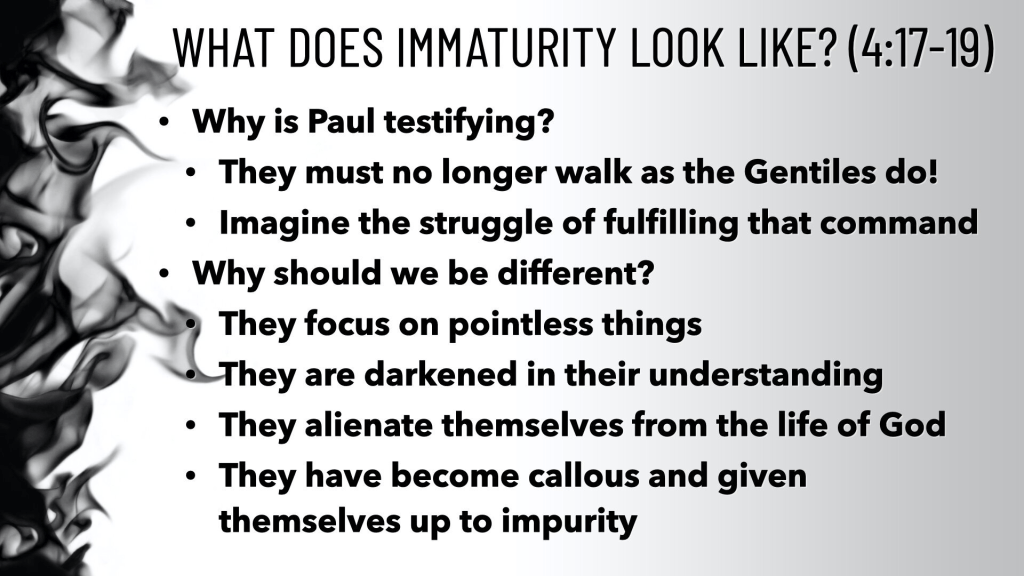
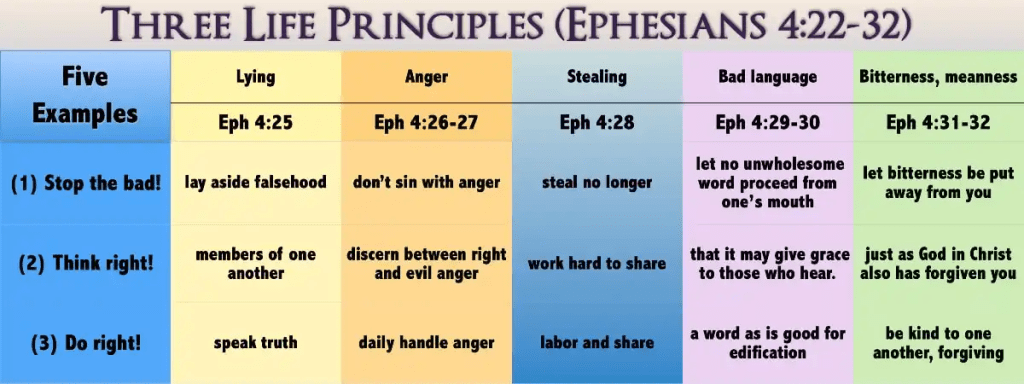
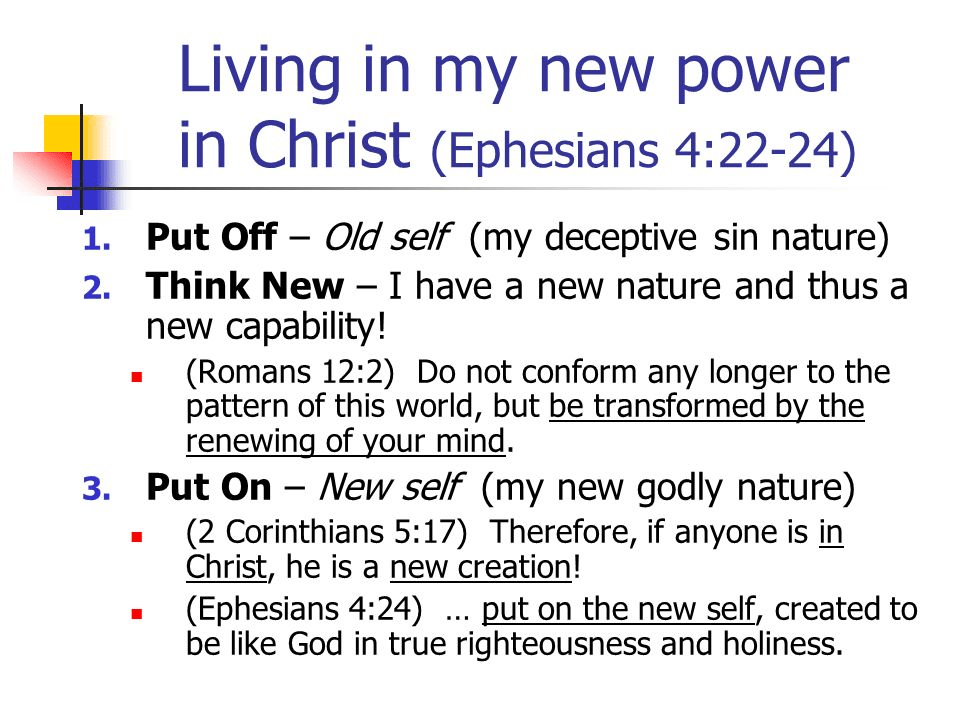
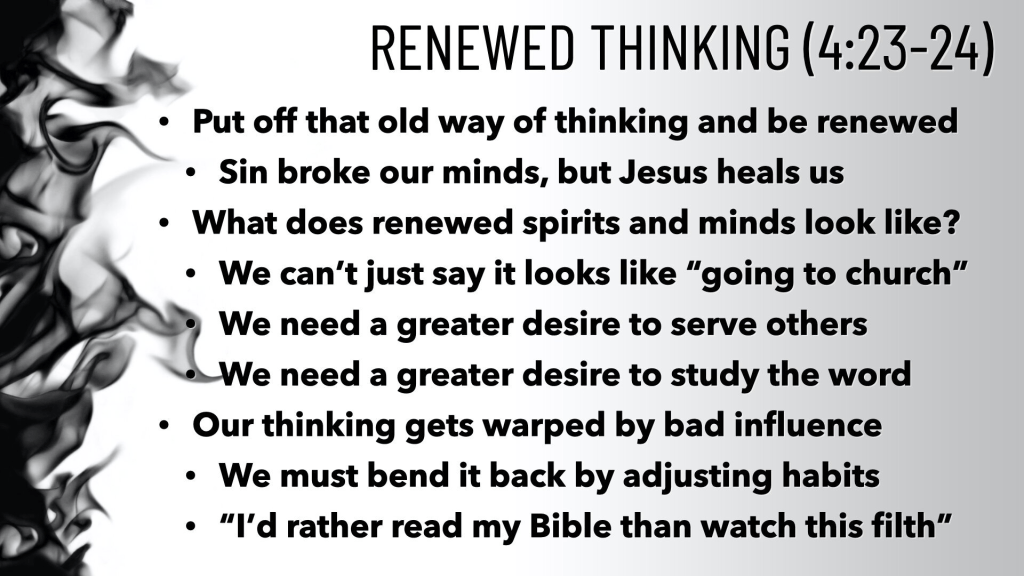
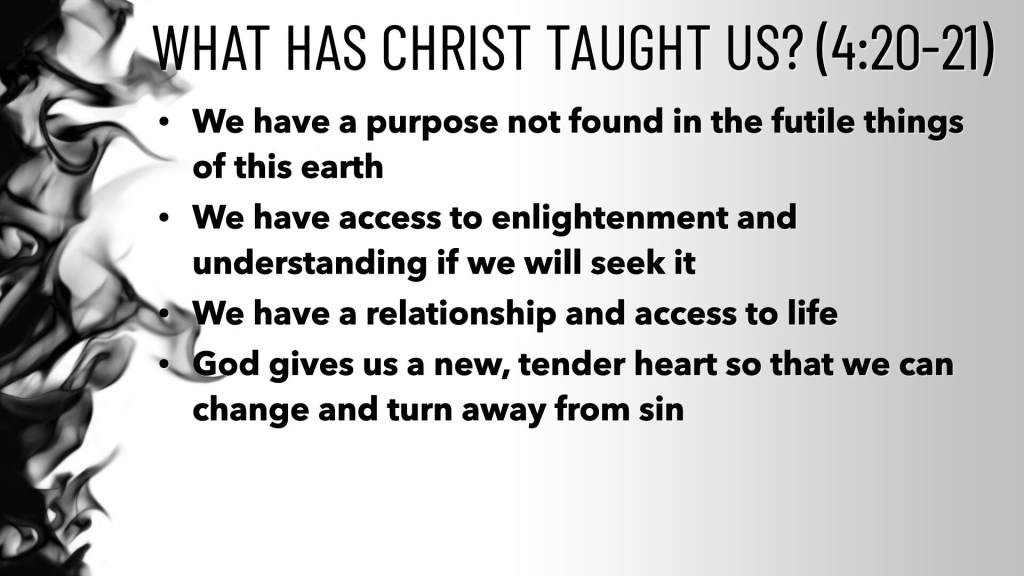
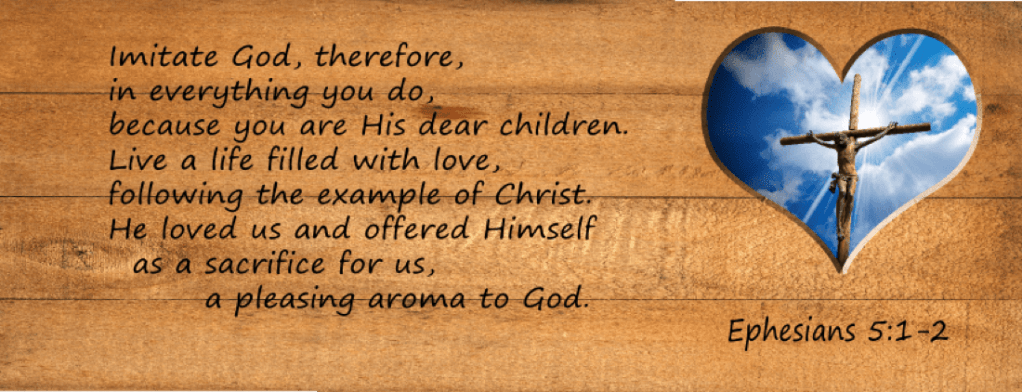


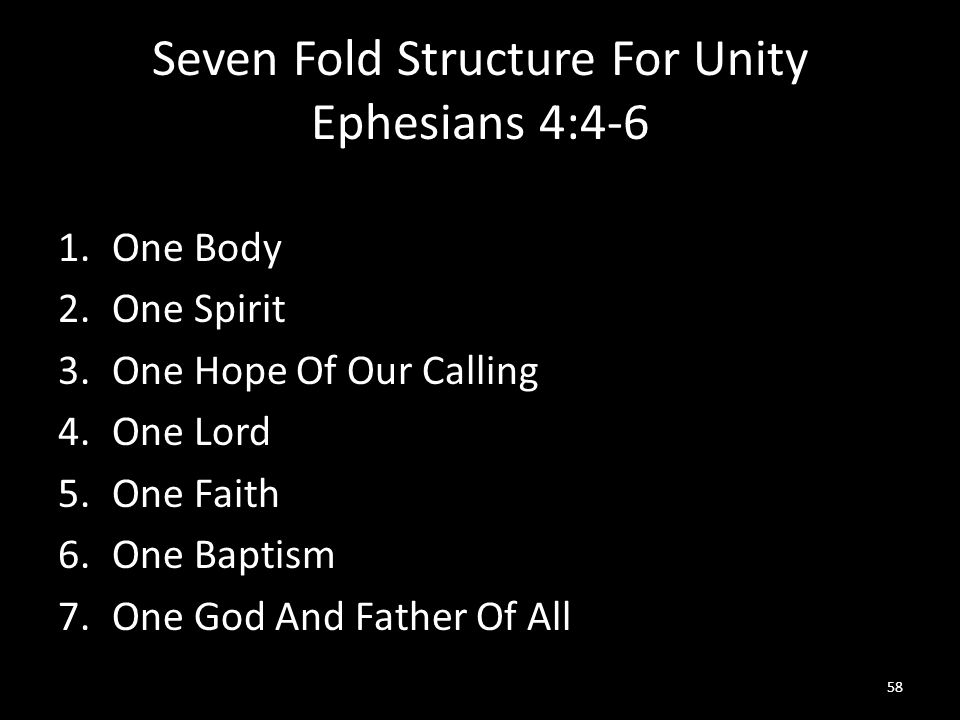
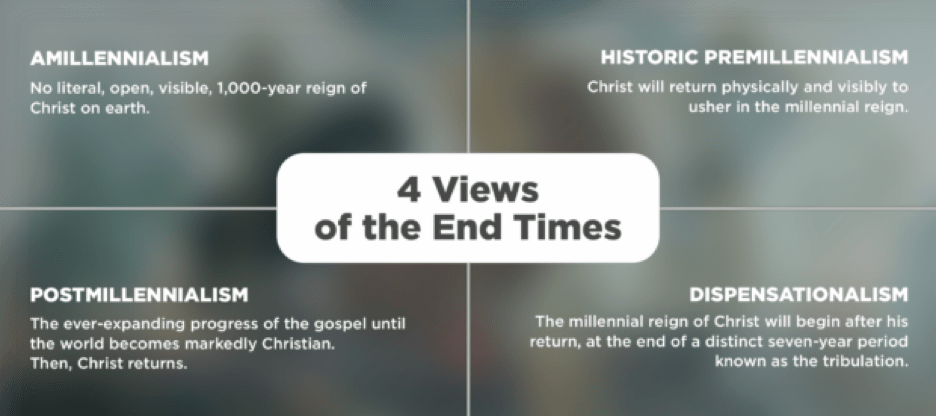
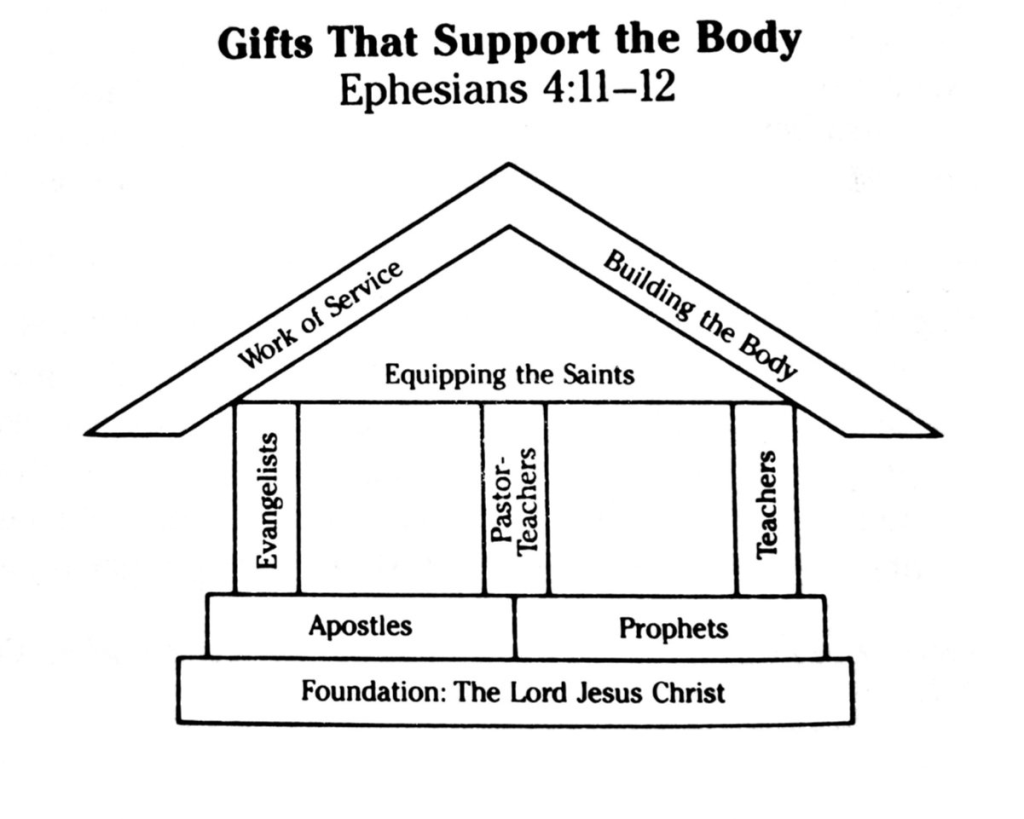
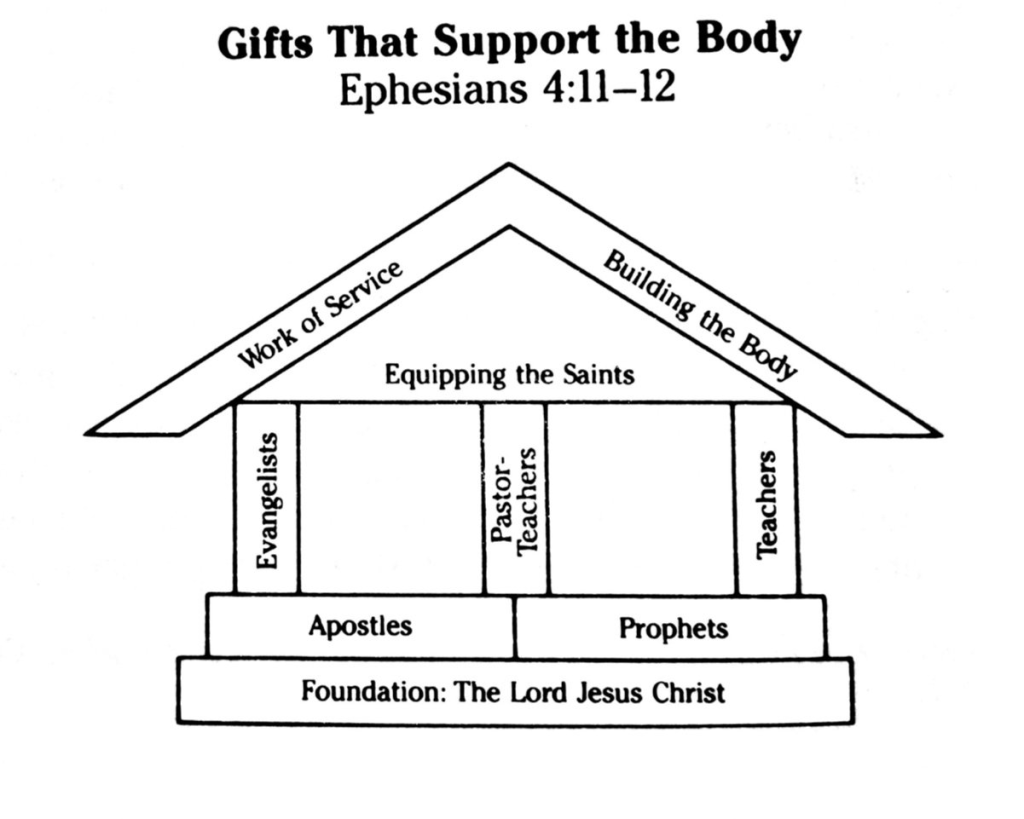
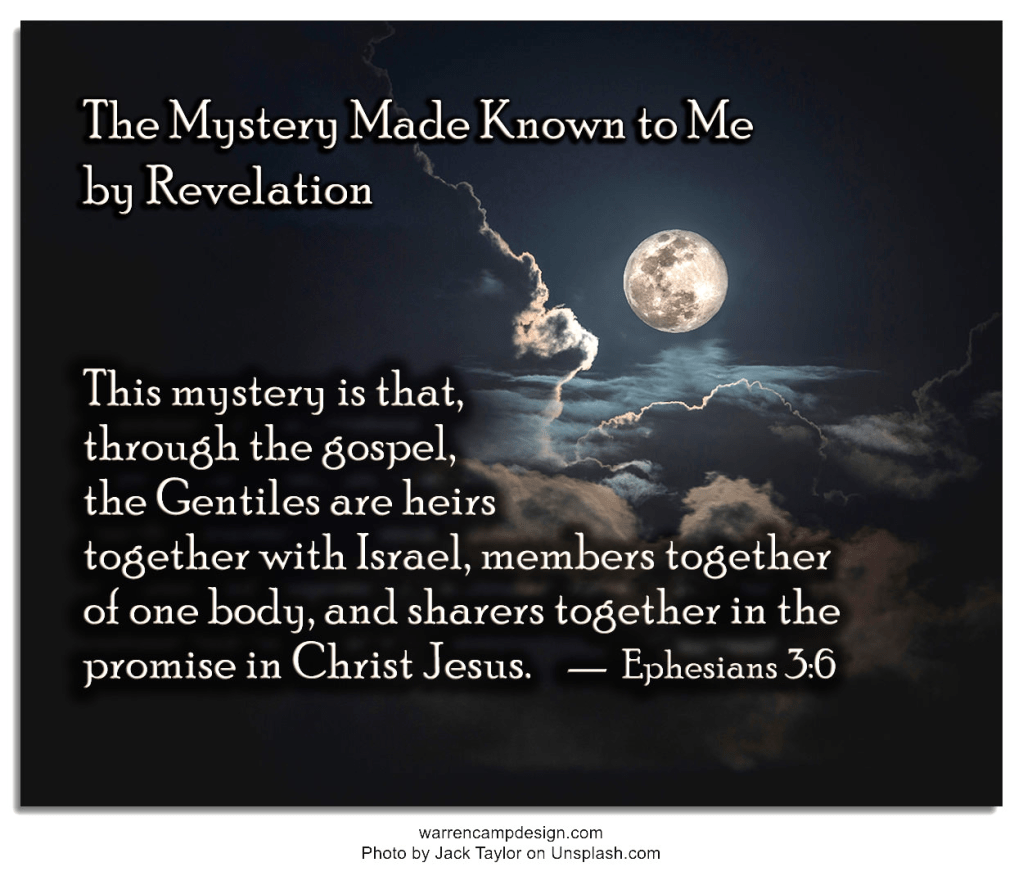
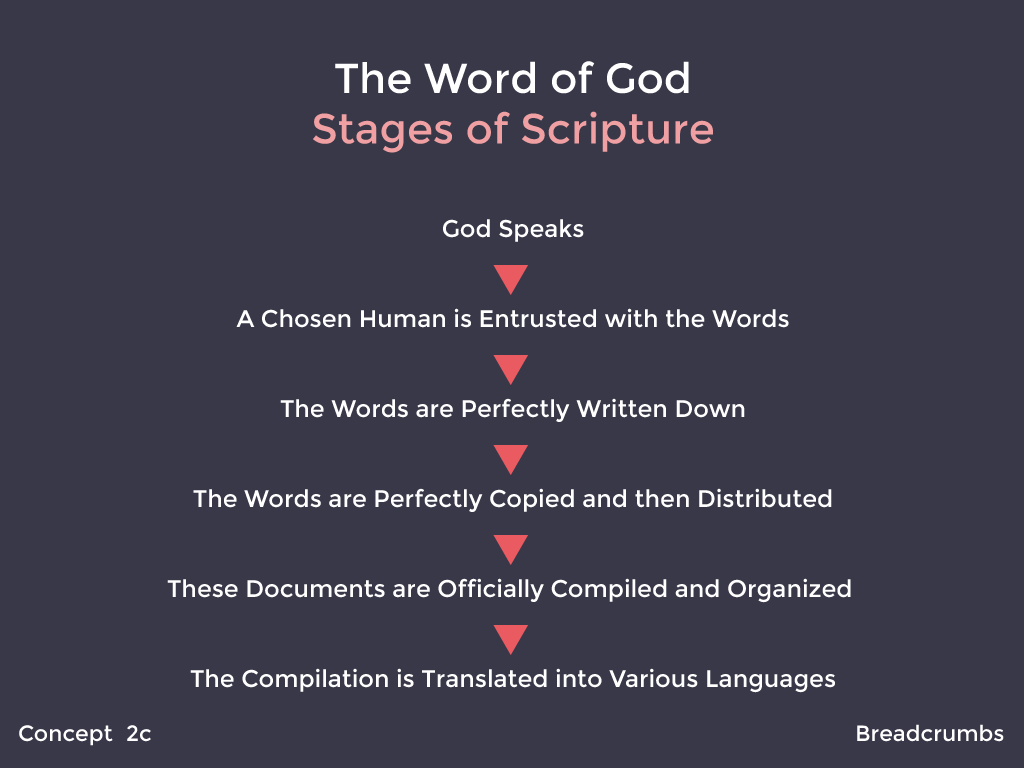
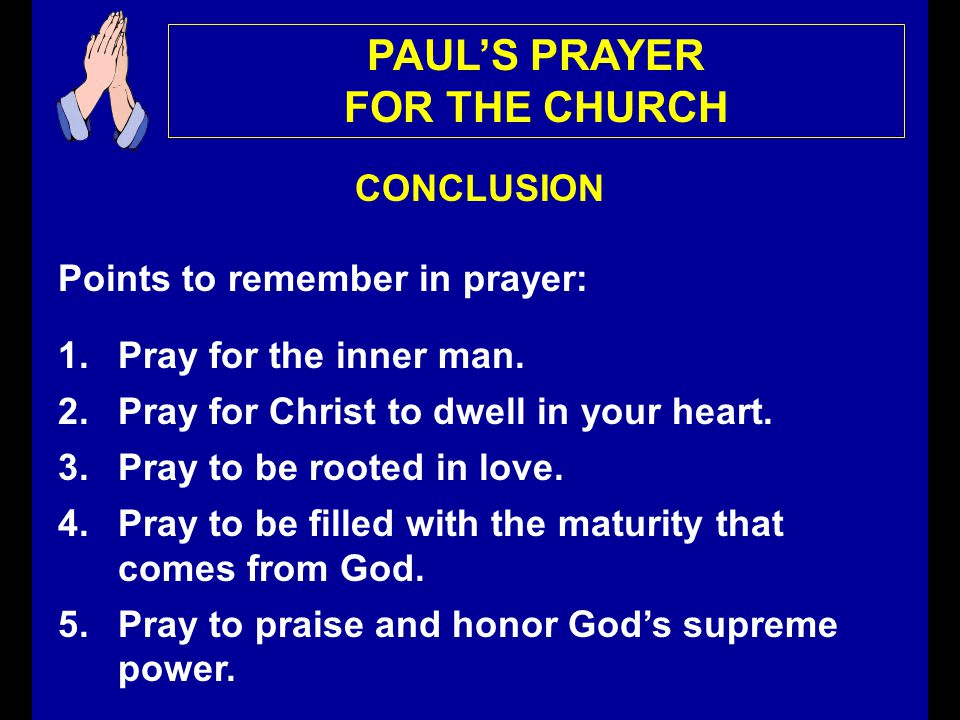
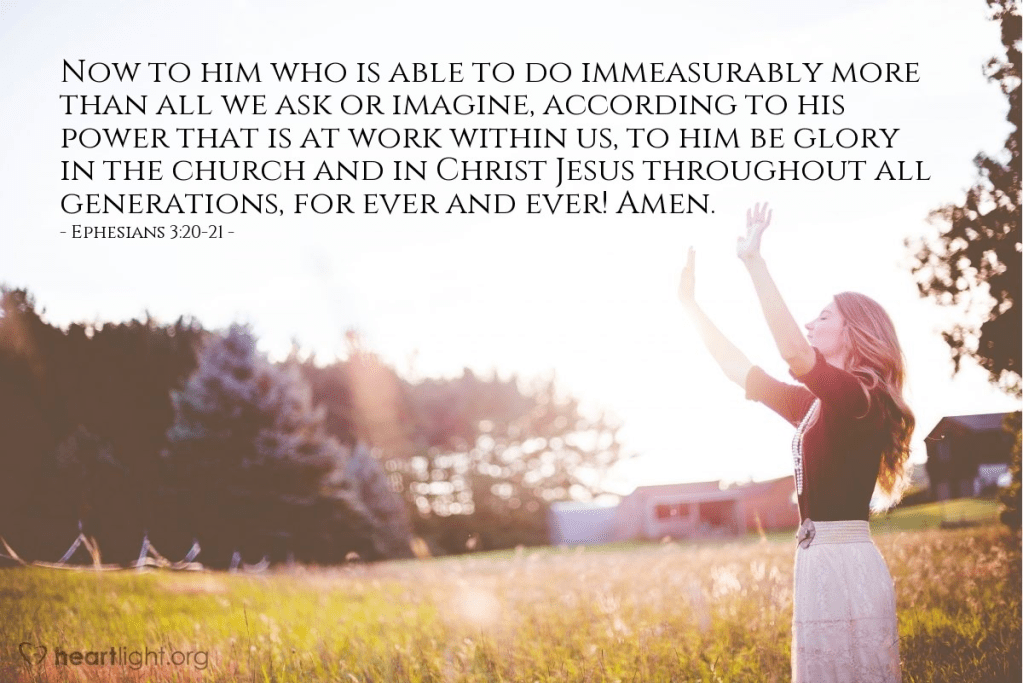
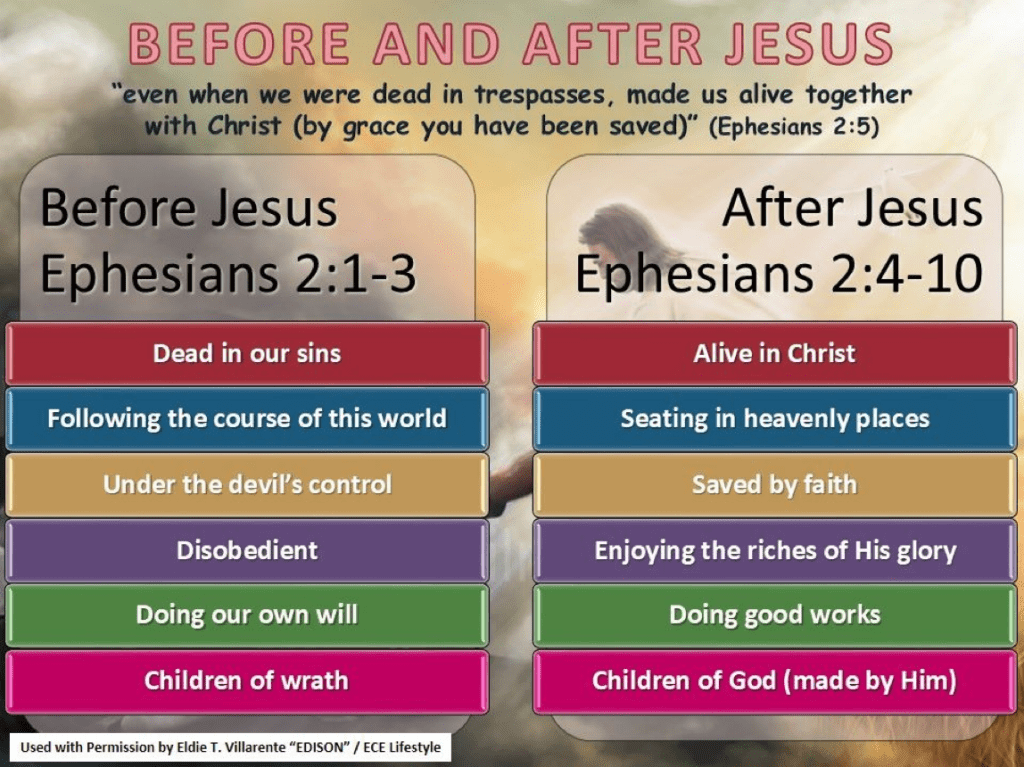
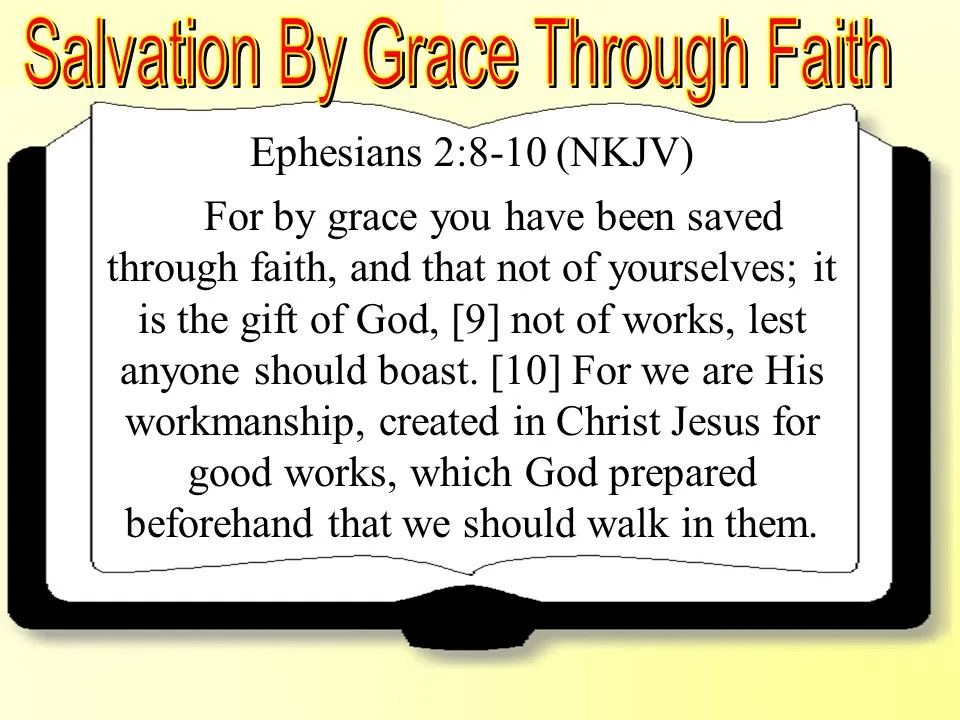

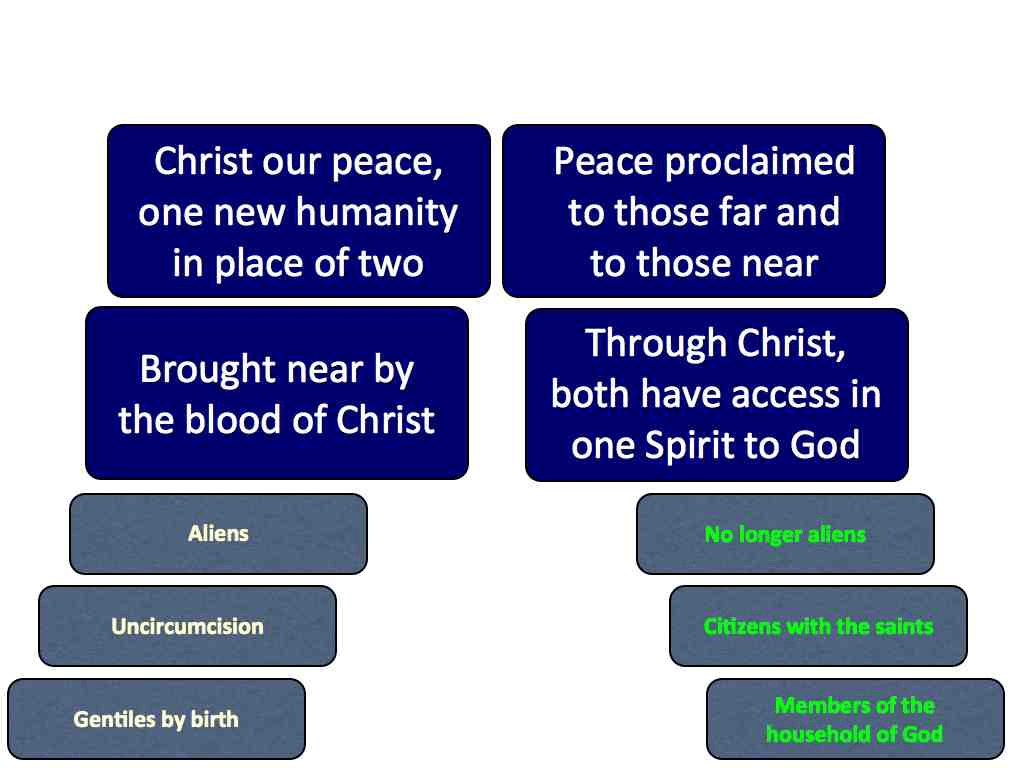

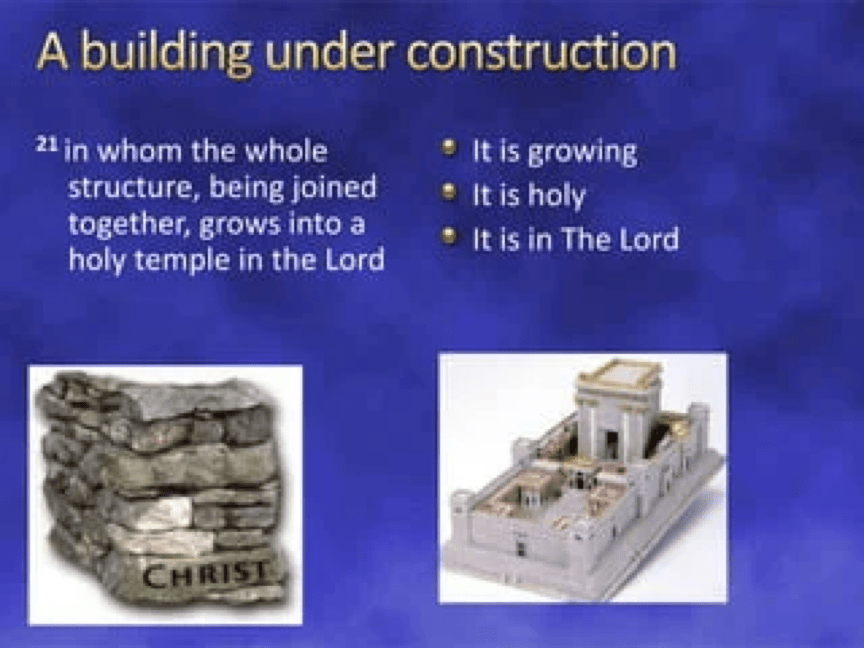
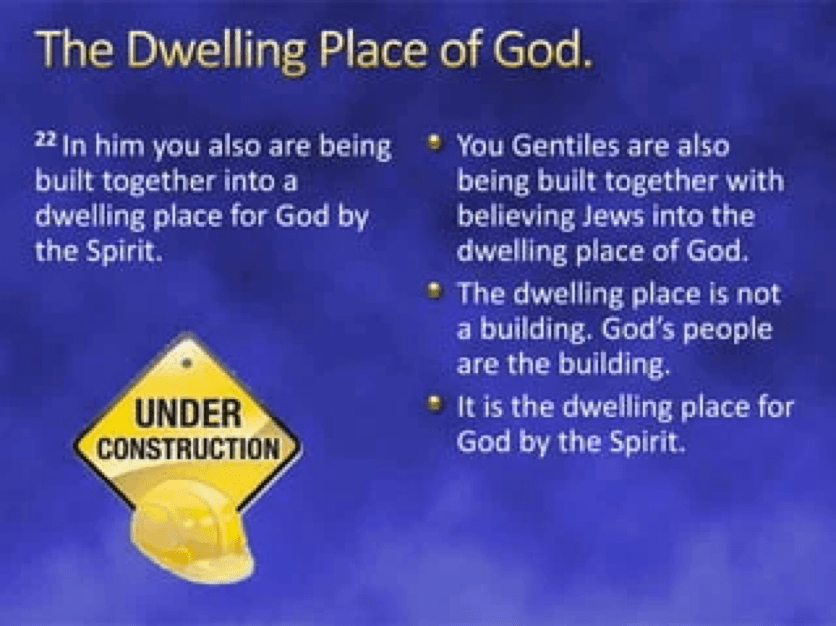
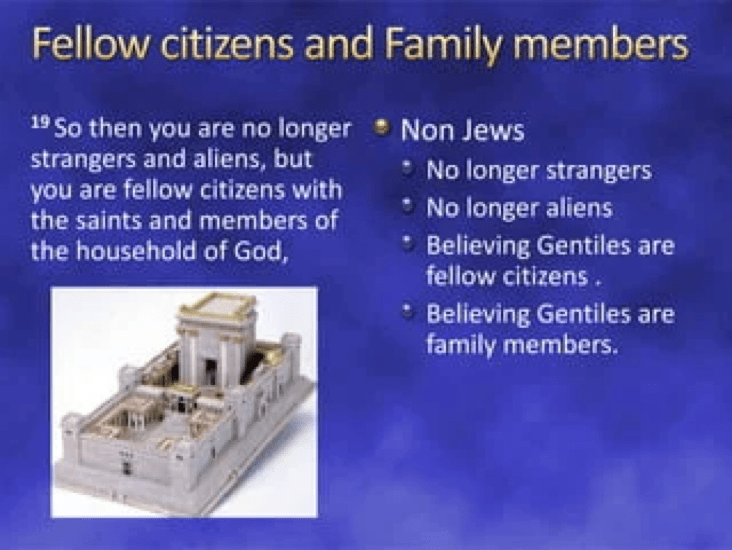
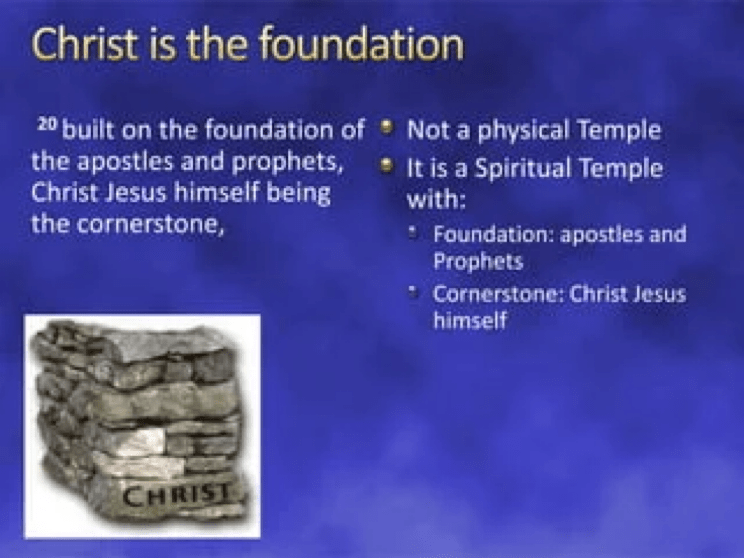
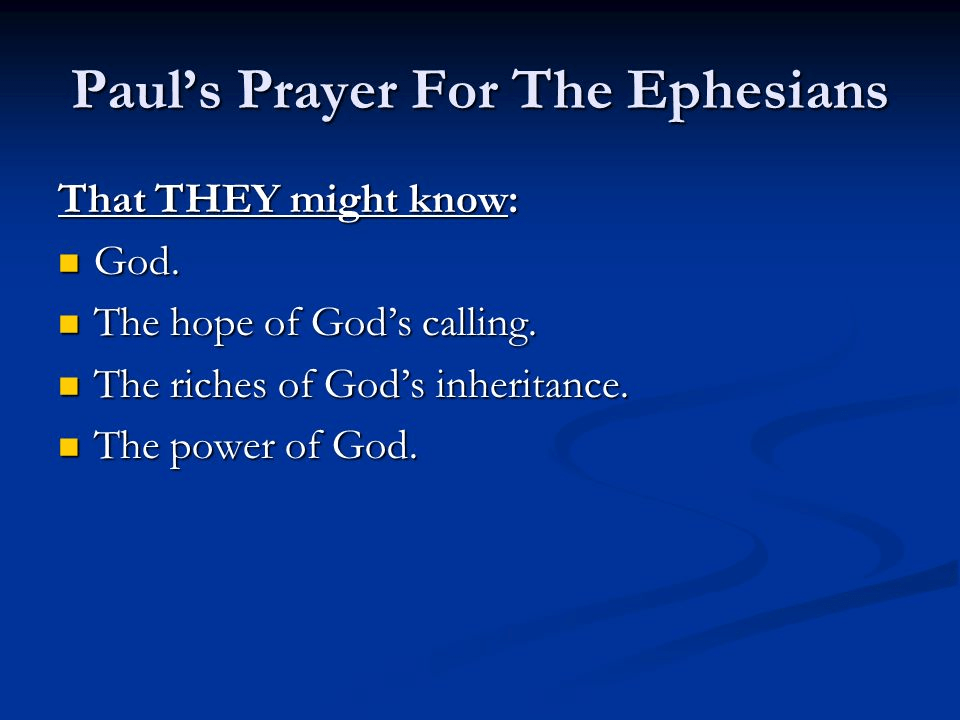


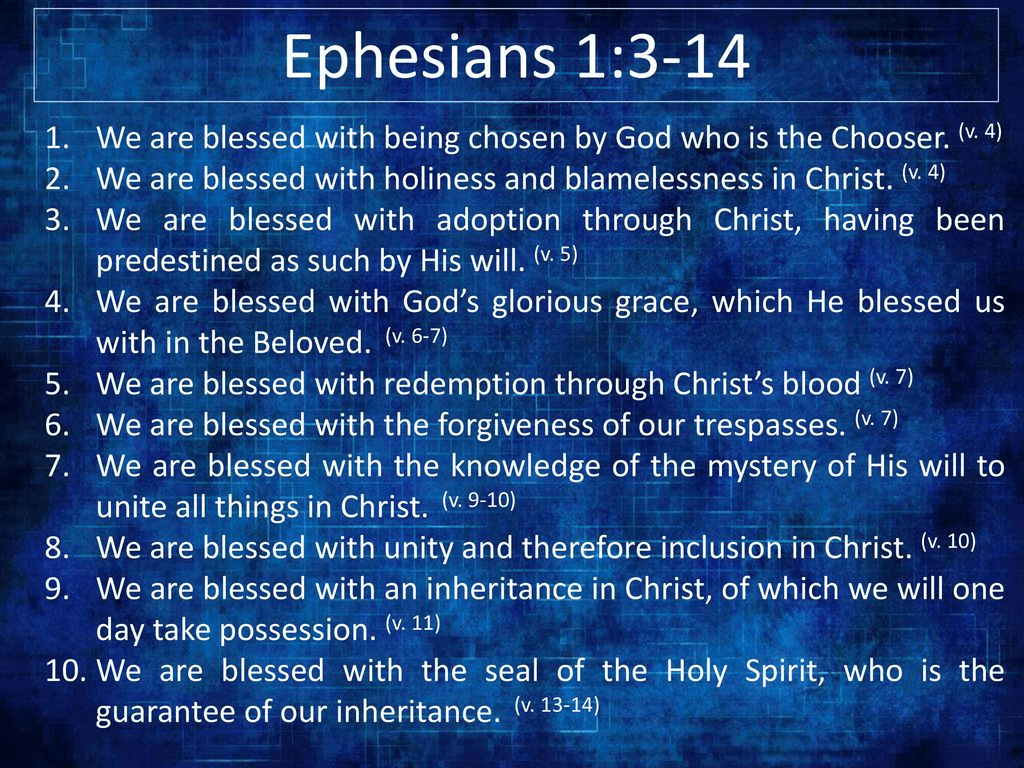

 Nicky's Notes