2 Timothy 4:1 I do fully testify, then, before God, and the Lord Jesus Christ, who is about to judge living and dead at his manifestation and his reign —2 preach the word; be earnest in season, out of season, convict, rebuke, exhort, in all long-suffering and teaching, 3 for there shall be a season when the sound teaching they will not suffer, but according to their own desires to themselves they shall heap up teachers — itching in the hearing, 4 and indeed, from the truth the hearing they shall turn away, and to the fables they shall be turned aside. 5 And thou — watch in all things; suffer evil; do the work of one proclaiming good news; of thy ministration make full assurance,
Another one of those “full preterism” verses in 4:1. Jesus is “about to” (mello, always means about to happen or about to be at a place). https://parousiafulfilled.com/mello-about-to-happen/index.php#:~:text=So%2C%20whenever%20something%20was%20%E2%80%9Cabout,(Matt%2017%3A12). For example For example, when Jesus prophesied his coming crucifixion, he told his disciples that the Son of Man “is about to” [Gk: μέλλει : mellei] suffer at the hands of certain men (Matt 17:12). Matthew 3:7 – But when he saw many of the Pharisees and Sadducees coming to his baptism, he said to them, “You brood of vipers! Who warned you to flee from the wrath to [Gk: μελλούσης : mellouses : which is about to] come (i.e. the judgment on the Jews in 70 AD). But mello is used in several eschatological passages like 2 Timothy 4:1 (a judgment of the living and the dead passage at his manifestation (epiphaneia: Appearing, Manifestation; used in 2 Thess 2:8 NAS: and bring to an end by the appearance of His coming) so this is a 2nd coming judgment passage. Matthew 16:27 – the Son of Man is going toi [Gk: μέλλει : mellei : is about to] come with his angels in the glory of his Father, and then he will repay each person according to what he has done.” Acts 17:31 – because he has fixed a day on which he willi [Gk: μέλλει : mellei : is about to] judge the world in righteousness by a man whom he has appointed; and of this he has given assurance to all by raising him from the dead.”Check the site just given for more uses. Luke 21:36 – But stay awake at all times, praying that you may have strength to escape all these things that are going toi [Gk: μέλλοντα : mellonta : are about to] take place, and to stand before the Son of Man.” Luke 21 is all about the end of the age in 70 AD and the destruction of the city and the temple in 70 AD, so the use of mello in 21:36 makes sense. Revelation 1:19 YLT – Write the things that thou hast seen, and the things that are, and the things that are about to [Gk: μέλλει : mellei : is (are) about to]iii ) come after these things.” Revelation was written in about 63 AD about things “shortly to take place” (Rev 1:1-3), so mello makes sense here also.
Preach (kérussó: To proclaim, to preach, to herald) the word. The verb κηρύσσω (kérussó) is used in the New Testament to describe the act of proclaiming or announcing a message publicly. It often refers to the preaching of the Gospel. That is something an “evangelist” like Titus would do, to preach the gospel (good news) message to sinners. We call our sermons “preaching”, but technically our sermons are just teaching (occasionally preaching the gospel good news of the death, burial, and resurrection of Jesus and how to be saved), but not preaching. Semantics I guess. I’m sure Titus preached the basic gospel message to unconverted sinners everywhere he could. There would be a season when people will not listen to sound (hugiainó: To be sound, to be healthy, to be well; the word we get “hygiene” from) teaching. They will have “itching ears” and will “heap up teachers” that will scratch their itching ears. (AI) “In the Greco-Roman world, rhetoric and philosophy were highly valued, and speakers often tailored their messages to please their audiences. This cultural context helps illuminate the metaphorical use of “knéthó” in the New Testament, where it warns against the tendency to seek out teachings that align with personal desires rather than divine truth.”
The number of false prophets and false teachers is amazing. Marshall Applewhite of Heaven’s Gate cult; Jim Jones of People’s Temple (Guyanaa tragedy). David Karesh of Branch Davidians cult. Charles Manson and the Manson Family. David Berg of the Children of God cult. Bhagwan Shree Rajneesh and the Rajneeshpuram,cult. Here is a site that discusses each of these false prophets and cults. https://www.teenvogue.com/story/most-famous-cults-history These are just a few of the many! Add Joseph Smith of the Mormons. Ellen G. White of the 7th Day Adventists. Rutherford and Russell of the Jehovah’s Witnesses. Mary Baker Eddy of the Christian Science. L Ron Hubbard and Scientology. Warren Jeffs of the Fundamentalist Church of Jesus Christ of Latter Day Saints. That list doesn’t include the many, many false prophets who falsely predicted dates for the 2nd coming.
But what is amazing to me is why so many people can be drawn to these false prophets. These false prophets and cult leaders obviously had charismatic appeal to people. But what was it that caused so many to be drawn to Joseph Smith and his Book of Mormon. Or to Marshall Applewhite and to Jim Jones, joining in mass suicide. (AI) “Cults prey upon the vulnerable among us, such as teenage runaways, drug addicts, abuse survivors, those who have lost someone close to them through death or a breakup, those suffering from insecurity or mental health issues, or anyone who feels disconnected from society.” But many are just well meaning people who like the personality and teachings of some preacher. Surprisingly the majority of those drawn to cults have higher education. Most have less religious and spiritual upbringing. Again it just amazes me that so many people would fall into the false teaching of cults and cult leaders. I’m not sure what the “fables” in 4:4 are that the false teachers are teaching, but the fables of the Book of Mormon would to me be a prime example. There are 17 million Mormons worldwide.
Next Paul turns to his expected imminent death. 2 Timothy 4:6 For I am already being poured out as a drink offering (spendó: To pour out as a drink offering, to make a libation, and the time of my departure has come. 7 I have fought the good fight, I have finished the course, I have kept the faith; 8 in the future there is reserved for me the crown of righteousness, which the Lord, the righteous Judge, will award to me on that day; and not only to me, but also to all who have loved His appearing.” The Law had drink offerings (Exodus 29:40), libations poured out in worship to God. His death would be like that. The Christian life is a constant battle against sin and evil. Paul fought the good fight. It is a race filled with obstacles and difficulties. Paul finished the course. It is life filled with doubt and bad things that challenge your faith in God. Paul kept the faith. He would get his crown stephanos: Crown). (AI) “In the New Testament, “stephanos” primarily refers to a crown or wreath, symbolizing victory, honor, or reward. Unlike a royal diadem, which signifies sovereignty, a “stephanos” is often associated with the wreath awarded to victors in athletic contests or given as a mark of honor and celebration. It is used metaphorically to describe the eternal rewards and honors bestowed upon believers by God.”
Next is Paul’s personal concerns. Remember that this is last winter, spent in a Roman dungeon. He wants Timothy to come to him in prison soon,, before he dies. He is sending Tychicus to Ephesus, probably with this 2 Timothy letter, to relieve Timothy in his work there so that Timothy can come see Paul in prison. He is cold and wants his overcoat he left in Troas. He feels deserted by many. He is lonely, having only Luke with him at the time he wrote. We wonder why he left his books and parchments in Troas, but he wants Timothy to bring them. We are happy to see that Paul says that Maark is useful him for service. We assume that is John Mark who deserted Paul and Barnabas on the 1st missionary journey. That caused a big argument between Paul and Barnabas over whether to take Mark with them on the 2nd journey as Paul refused to take him. Paul and Barnabas split up after that, with Paul taking Silas on his 2nd journey and Barnabas taking John Mark with him on a journey somewhere. In his hour of need, Demas deserted Paul, having loved this present world. Maybe that means that Demas was afraid to stick around with Paul in prison for fear that he also might end up in prison. He was deserted by all at his first defense (possibly a trial during his 2nd imprisonment in Rome). Can we even fathom how Paul felt in his last few months in a cold dungeon in Rome? If you were writing your last letter before you died, who would you write to and what would you say?
Paul did not expect to get out of prison this time like he did after house arrest in Acts 28. He expected to be released from the 2 year house arrest of Acts 28. He wrote Philippians during that 2 year house arrest, his 1st imprisonment, and wrote Philippians 1:21 For to me to live is Christ, and to die is gain. 22 If I am to live in the flesh, that means fruitful labor for me. Yet which I shall choose I cannot tell. 23 I am hard pressed between the two. My desire is to depart and be with Christ, for that is far better. 24 But to remain in the flesh is more necessary on your account. 25 Convinced of this, I know that I will remain and continue with you all, for your progress and joy in the faith, 26 so that in me you may have ample cause to glory in Christ Jesus, because of my coming to you again.” Not so this time in his 2nd imprisonment. But even if he died in prison this time he expected to be brought safely into the heavenly kingdom (i.e. wherever eternal life is).
2 Timothy 4: 9 Make every effort to come to me soon; 10 for Demas, having loved this present world, has deserted me and gone to Thessalonica; Crescens has gone to Galatia, Titus to Dalmatia. 11 Only Luke is with me. Take along Mark and bring him with you, for he is useful to me for service. 12 But I have sent Tychicus to Ephesus. 13 When you come, bring the overcoat which I left at Troas with Carpus, and the books, especially the parchments. 14 Alexander the coppersmith did me great harm; the Lord will repay him according to his deeds. 15 Be on guard against him yourself too, for he vigorously opposed our teaching.
16 At my first defense no one supported me, but all deserted me; may it not be counted against them. 17 But the Lord stood with me and strengthened me, so that through me the proclamation might be fully accomplished, and that all the Gentiles might hear; and I was rescued out of the lion’s mouth. 18 The Lord will rescue me from every evil deed, and will bring me safely to His heavenly kingdom; to Him be the glory forever and ever. Amen.
A reminder of Paul’s possible 4th journey after he was released from 2 years in house arrest in Rome (Acts 28). Notice Troas which is where he left his overcoat, books, and parchments. He left Titus in Crete and Timothy in Ephesus. He went through Troas where he left his overcoat and books and parchment. He planned to spend the winter in Nicopolis (Titus 3:12 When I send Artemas or Tychicus to you, do your best to come to me at Nicopolis, for I have decided to spend the winter there) and apparently did not make it there before being arrested and carried to Rome for his last winter during which he wrote 2 Timothy. He would have written the letter to Titus and the 1st letter to Timothy probably from Macedonia on his way to Nicolopis.
If you just had to try to read Paul mind as he is about to die, what do you think were his main concerns? 1 Timothy had a lot of instructions for Timothy to teach to the church about elders, deacons, roles of men and women members, widows, and false teachers. But 2 Timothy is more about instructions to Timothy to not be ashamed of Paul in prison, to be strong, to peach the word and rebuke false teachers. It is more personal as Paul mentioned Timothy’s mother and grandmother. He is very concerned about Timothy carrying on the work.
That concludes the study of 2 Timothy. Hope you enjoyed it.
2 Timothy 3: 1 But realize this, that in the last days difficult times will come. 2 For people will be lovers of self, lovers of money, boastful, arrogant, slanderers, disobedient to parents, ungrateful, unholy, 3 unloving, irreconcilable, malicious gossips, without self-control, brutal, haters of good, 4 treacherous, reckless, conceited, lovers of pleasure rather than lovers of God, 5 holding to a form of godliness although they have denied its power; avoid such people as these. 6 For among them are those who slip into households and captivate weak women weighed down with sins, led on by various impulses, 7 always learning and never able to come to the knowledge of the truth. 8 Just as Jannes and Jambres opposed Moses, so these men also oppose the truth, men of depraved mind, worthless in regard to the faith. 9 But they will not make further progress; for their foolishness will be obvious to all, just as was that also of Jannes and Jambres.
More verses on the last days. 2 Peter 3:3-4 ESV Knowing this first of all, that scoffers will come in the last days with scoffing, following their own sinful desires. They will say, “Where is the promise of his coming? For ever since the fathers fell asleep, all things are continuing as they were from the beginning of creation.” 1 Timothy 4:1 ESV Now the Spirit expressly says that in later times some will depart from the faith by devoting themselves to deceitful spirits and teachings of demons,” Hebrews 1:2 ESV But in these last days he has spoken to us by his Son, whom he appointed the heir of all things, through whom also he created the world.” Micah 4:1 ESV It shall come to pass in the latter days that the mountain of the house of the Lord shall be established as the highest of the mountains, and it shall be lifted up above the hills; and peoples shall flow to it.” Hosea 3:5 ESV Afterward the children of Israel shall return and seek the Lord their God, and David their king, and they shall come in fear to the Lord and to his goodness in the latter days.” Isaiah 2:2 ESV It shall come to pass in the latter days that the mountain of the house of the Lord shall be established as the highest of the mountains, and shall be lifted up above the hills; and all the nations shall flow to it.” Daniel 10:14 ESV And came to make you understand what is to happen to your people in the latter days. For the vision is for days yet to come.” 1 Peter 1:20 ESV He was foreknown before the foundation of the world but was made manifest in the last times for the sake of you.” Jude 1:18 ESV They said to you, “In the last time there will be scoffers, following their own ungodly passions.” Jeremiah 30:24; 23:20 ESV The fierce anger of the Lord will not turn back until he has executed and accomplished the intentions of his mind. In the latter days you will understand this.” 1 Corinthians 10:11 ESV Now these things happened to them as an example, but they were written down for our instruction, on whom the end of the ages has come.” Ezekiel 38:8 After many days you will be mustered. In the latter years you will go against the land that is restored from war 16 You will come up against my people Israel, like a cloud covering the land. In the latter days I will bring you against my land, that the nations may know me, when through you, O Gog, I vindicate my holiness before their eyes.” Daniel 2:28 But there is a God in heaven who reveals secrets, and He has made known to King Nebuchadnezzar what will be in the latter days. Your dream, and the visions of your head upon your bed, were these.”
My church taught that the “last days” was the Christian Age that started in 30 AD in Acts 2 and is still going. I believe the phrase refers to the last days of the Jewish Age, the period from 30-70 AD. In 70 AD In 70 AD the temple and city of Jerusalem were destroyed. Hebrews 8:13 When He said, “A new covenant (Jeremiah 31:31-34),” He has made the first obsolete. But whatever is becoming obsolete and growing old is about to disappear.” That was written in about 60 AD. Some say the old covenant ended in 30 AD, but this verse clearly says that the old covenant did not disappear till shortly after 60 AD, which would fit 70 AD as the date it disappeared. So we start to see that it makes more sense that the last days are the last days of the Jewish Age, ending in 70 AD.
The passage that really shows that is Acts 2:17 ‘And it shall be in the last days,’ God says, ‘That I will pour out My Spirit on all mankind; And your sons and your daughters will prophesy, And your young men will see visions, And your old men will have dreams; 18 And even on My male and female servants I will pour out My Spirit in those days, And they will prophesy. 19 And I will display wonders in the sky above And signs on the earth below, Blood, fire, and vapor of smoke. 20 The sun will be turned into darkness And the moon into blood, Before the great and glorious day of the Lord comes. 21 And it shall be that everyone who calls on the name of the Lord will be saved.’” Peter was quoting Joel 2:28-32.
The “great and terrible day of the Lord” was predicted by Malachi 4:5 “Behold, I am going to send you Elijah the prophet before the coming of the great and terrible day of the Lord.” Of course, the coming of Elijah was fulfilled figuratively in John the Baptist. Matthew 11:14 And if you are willing to accept it, John himself is Elijah who was to come.” 17:10 And His disciples asked Him, “Why then do the scribes say that Elijah must come first?” 11 And He answered and said, “Elijah is coming and will restore all things; 12 but I say to you that Elijah already came, and they did not recognize him, but did [d]to him whatever they wanted. So also the Son of Man is going to suffer at their hands.” 13 Then the disciples understood that He had spoken to them about John the Baptist.” That great and terrible day of the Lord would be when Jesus came in judgment on the evil Jewish nation, using the Romans, in 70 AD, killing a million Jews in the siege and destruction of Jerusalem. That would be his 2nd coming. A lot of people say that the last days were the days between the 1st and 2nd coming, which is correct. They just think the 2nd coming has not happened yet. If you understand that the 2nd coming happened in 70 AD, then the last days were the days between the 1st and 2nd coming. See my blog articles on the “2nd coming” if what I just wrote sounds heretical! That imminent judgment day on the Jews in 70 AD is why Peter would cap off his sermon with a warning: Acts 2:40 And with many other words he solemnly testified and kept on urging them, saying, “Be saved from this perverse generation!” It was that generation of evil Jews that would be judged. Matthew 23: 34 “Therefore, behold, I am sending you prophets and wise men and scribes; some of them you will kill and crucify, and some of them you will flog in your synagogues, and persecute from city to city, 35 so that upon you will fall the guilt of all the righteous blood shed on earth, from the blood of righteous Abel to the blood of Zechariah, the son of Berechiah, whom you murdered between the temple and the altar. 36 Truly I say to you, all these things will come upon this generation.”
I think that establishes that the last days were the last days of the Jewish Age from 30 to 70 AD. We are not living in the “last days” today as many would have you believe. The apostles believed that they were living in the last days, and it doesn’t make sense that the last days would last going on 2,000 years now. During those last days the miraculous gifts of the Holy Spirit would be poured out on “mankind”. Of course, that would mean that it was available to all mankind b/c the only way the miraculous gift of the Holy Spirit was given was by the laying on of the apostles’ hands. In the OT only a few received the miraculous power of the Holy Spirit (prophets mainly and Moses and the 70 men), but in the early church the miraculous would be given to all believers, men and women, servants and masters, as long as the apostles laid their hands on them. In Acts 8 the Samaritans were baptized but Acts 8:14 Now when the apostles in Jerusalem heard that Samaria had received the word of God, they sent them Peter and John, 15 who came down and prayed for them that they would receive the Holy Spirit. 16 (For He had not yet fallen upon any of them; they had simply been baptized in the name of the Lord Jesus.) 17 Then they began laying their hands on them, and they were receiving the Holy Spirit.” Paul laid his hands on the 12 men in Acts 19:1 Now it happened that while Apollos was in Corinth, Paul passed through the upper country and came to Ephesus, and found some disciples. 2 He said to them, “Did you receive the Holy Spirit when you believed?” And they said to him, “On the contrary, we have not even heard if there is a Holy Spirit.” 3 And he said, “Into what then were you baptized?” And they said, “Into John’s baptism.” 4 Paul said, “John baptized with a baptism of repentance, telling the people to believe in Him who was coming after him, that is, in Jesus.” 5 When they heard this, they were baptized in the name of the Lord Jesus. 6 And when Paul had laid hands upon them, the Holy Spirit came on them and they began speaking with tongues and prophesying. 7 There were about twelve men in all.” They received the miraculous indwelling of the Holy Spirit. The only exception to this practice was when God directly poured the Holy Spirit, the miraculous, on Cornelius to show the Jewish brethren and Peter that the Gentiles could be saved just s they were. Also God poured out the miraculous on Saul when Ananias came that Saul might be filled with the Holy Spirit (Acts 9). Ananias was not an apostle so I assume God just gave Saul the Spirit.
It would make sense that, since the miraculous gift of the Holy Spirit was given by the laying on of the apostles’. hands that the gifts would cease as they died off. Peter says in Acts 2 that the miraculous would be poured out during the last days from 30-70 AD, so that fits perfectly. Plus it is obvious that the miracles of those last days are not being done today.
As I said, my church taught that the last days was the Christian Age that started on 30 AD and is still going today until the 2nd coming. That’s a real problem since my church is mostly cessationist (i.e. the miracles ceased in the first century). According to Joel 2 and Acts 2, the miraculous would be poured out in the last days. If we are still in the last days, then the miraculous should still be abundant today, the same miraculous gifts found in the early church (1 Corinthians 12-14). But my church doesn’t believe they do exist today. The charismatics who believe in the miraculous today see that inconsistent interpretation and scoff at us. A correct understanding of the last days eliminates this problem.
That’s a long way to get back to 2 Timothy 3:1 but I thought it was a good place to basically do a study of the “last days” in the Bible. So Paul is saying that in the last days from 30-70 AD that all these sins would be rampant. There would be a falling away, an apostasy before 70 AD. Jesus predicted that: Matthew 24:9 “Then they will hand you over to tribulation and kill you, and you will be hated by all nations because of My name. 10 And at that time (i.e. the time of the end in 70 AD) many will fall away, and they will betray one another and hate one another. 11 And many false prophets will rise up and mislead many people. 12 And because lawlessness is increased, most people’s love will become cold. 13 But the one who endures to the end is the one who will be saved. 14 This gospel of the kingdom shall be preached in the whole world as a testimony to all the nations, and then the end will come.” All that had to happen within that generation of Jews: Matthew 24:34 Truly I say to you, this generation will not pass away until all these things take place.” Also 1 Timothy 4:1 But the Spirit explicitly says that in later times some will fall away from the faith, paying attention to deceitful spirits and teachings of demons.” Paul spoke of this in 2 Thessalonians 2:1Now we ask you, brothers and sisters, regarding the coming of our Lord Jesus Christ and our gathering together to Him, 2 that you not be quickly shaken from your composure or be disturbed either by a spirit, or a message, or a letter as if from us, to the effect that the day of the Lord has come. 3 No one is to deceive you in any way! For it will not come unless the apostasy comes first, and the man of lawlessness is revealed, the son of destruction, 4 who opposes and exalts himself above every so-called god or object of worship, so that he takes his seat in the temple of God, displaying himself as being God.” That “apostasy” could be the rebellion of the Jews against the Romans in the years before 70 AD that led to the destruction of the temple and city, or it could be an apostasy of believers (as Jesus predicted) who don’t endure in the face of persecution from the Jews and Romans.
As Jesus predicted in Matthew 24:9-12, this apostasy and falling away of believers would be led by false teachers who “slip into households and captivate weak women who are led on by various impulses”. They would “oppose the truth” just as the magicians, Jannes and Jambres, did when Moses came to Pharoah. Their names are not mentioned in Exodus, but they are here.
Then on a personal note to Timothy: 2 Timothy 2:10 Now you followed my teaching, conduct, purpose, faith, patience, love, perseverance, 11 persecutions, and sufferings, such as happened to me at Antioch, at Iconium, and at Lystra; what persecutions I endured, and out of them all the Lord rescued me! 12 Indeed, all who want to live in a godly way in Christ Jesus will be persecuted. 13 But evil people and impostors will proceed from bad to worse, deceiving and being deceived.” Paul commends Timothy. Paul makes an interesting observation: All who want to live godly in Jesus will be persecuted”. That has been the general rule for the 2,000 years of church and Christian history. Martyrdom and persecution of believers has been the rule not the exception. The church was its strongest in the first 3 centuries before Constantine legalized Christianity. It got weaker when it became fashionable to become a Christian. Millions of Christians are still being persecuted for their faith in India, North Korea, Muslim countries, Iran, China, and many other places. The lack of persecution of the church in the U.S. has made the church weaker actually.
Paul closes with one of my favorite passages on the inspiration of the Scriptures. 2 Timothy 3:4 You, however, continue in the things you have learned and become convinced of, knowing from whom you have learned them, 15 and that from childhood you have known the sacred writings which are able to give you the wisdom that leads to salvation through faith which is in Christ Jesus. 16 All Scripture (graphé: Scripture, writing) is inspired (theopneustos: God-breathed, inspired by God) by God and beneficial for teaching, for rebuke, for correction, for training in righteousness; 17 so that the man or woman of God may be fully capable, equipped for every good work.” This is the only one occurrence of this Greek word theopneustos, but the idea of “inspiration” of Scripture is found elsewhere. 2 Peter 1:20 But know this first of all, that no prophecy of Scripture becomes a matter of someone’s own interpretation, 21 for no prophecy was ever made by an act of human will, but men moved by the Holy Spirit spoke from God.” “Men moved by the Holy Spirit to speak and write God’s word.” 1 Corinthians 2:10 For to us God revealed them through the Spirit; for the Spirit searches all things, even the depths of God. 11 For who among people knows the thoughts of a person except the spirit of the person that is in him? So also the thoughts of God no one knows, except the Spirit of God. 12 Now we have not received the spirit of the world, but the Spirit who is from God, so that we may know the things freely given to us by God. 13 We also speak these things, not in words taught by human wisdom, but in those taught by the Spirit, combining spiritual thoughts with spiritual words.” Notice that inspiration was in words. The Holy Spirit somehow allowed the inspired writers and speakers to use their own vocabulary and thoughts but guided their thoughts and words so as to give the actual word of God, without errors (infallible). The apostles were promised this inspiration of the Holy Spirit: John 16: 13 But when He, the Spirit of truth, comes, He will guide you into all the truth; for He will not speak on His own, but whatever He hears, He will speak; and He will disclose to you what is to come.” So the Scriptures are verbal (in error free words) plenary (full truth, not just parts of the Bible but all of the Bible) inspiration (God breathed words by the Holy Spirit). Of course, only the original writings of the NT writers were error free. The copies and translations are not. However, a study of the transmission of the original writings will show that we have very, very accurate copies and translations even though we don’t have the originals We have over 5,000 partial or full manuscripts to use in making translations today.
This is AI and long but I think it is worth including:
The rejection of the inspiration of scriptures, often called biblical criticism or skepticism, stems from various viewpoints that challenge the traditional understanding of the Bible’s divine origin and authority.
Reasons for Rejection:
Historical and Literary Criticism:Some scholars argue that the Bible is a product of human authorship influenced by the historical and cultural contexts of its time, questioning its divine inspiration or inerrancy.
Scientific and Archaeological Discoveries:Some findings in science and archaeology have been interpreted as contradicting or challenging biblical accounts, leading some to question the Bible’s accuracy or reliability.
Moral and Ethical Concerns:Critics point to passages in the Bible that they consider morally problematic, such as violence, slavery, and discrimination, questioning its divine origin or relevance for modern society.
Internal Contradictions and Inconsistencies:Some argue that the Bible contains internal contradictions, inconsistencies, or errors that challenge its claim to be divinely inspired.
Humanist Perspective:Humanists, who emphasize human reason and experience, often reject the Bible’s claim to be divinely inspired, considering it a product of human culture and history.
Consequences of Rejection:
Loss of Authority:Rejecting biblical inspiration can lead to questioning the Bible’s authority as a source of moral guidance and religious truth.
Doubt and Uncertainty:Rejection of the Bible’s divine origin can create doubt and uncertainty about religious beliefs and practices.
Shifting Perspectives:Rejecting the Bible’s inspiration can lead to alternative interpretations of religious texts, emphasizing human agency and reason over divine revelation.
Conflict and Debate:The rejection of biblical inspiration can lead to conflict and debate between those who believe in the Bible’s divine origin and those who do not.
Different Approaches to Biblical Interpretation:
Literal Interpretation:Some believe the Bible should be interpreted literally, accepting its words as historically accurate and divinely inspired. But that doesn’t mean that there aren’t figurative parts of the Bible. Context determines literal or figurative.
Figurative Interpretation:Others argue that the Bible should be understood figuratively, recognizing its symbolic and metaphorical language.This method means that the Bible can’t be taken literally period.
The “sacred writings” that Timothy was taught from childhood would have been the OT scriptures, the 39 books of the OT as arranged into 22 books in 3 divisions: the Law, the Psalms, and the Prophets (Luke 24:27). But as time went on, the writings of the NT inspired writers would be considered Scripture also. 2 Peter 3:14 Therefore, beloved, since you look for these things, be diligent to be found spotless and blameless by Him, at peace, 15 and regard the patience of our Lord as salvation; just as also our beloved brother Paul, according to the wisdom given him, wrote to you, 16 as also in all his letters, speaking in them of these things, in which there are some things that are hard to understand, which the untaught and unstable distort, as they do also the rest of the Scriptures, to their own destruction.” Here Peter is saying that Paul’s writings are Scripture just like the OT writings were Scripture. Paul was an inspired apostle although he was not one of the original 12.
It is the responsibility of parents to teach the word of God to their children, just as Timothy’s mother and grandmother did (2 Timothy 1:5). A correct understanding of the OT Scripture would lead one to faith in Christ. Romans 10:4 For Christ is the end of the Law for righteousness to everyone who believes.” John 5:39 You examine the Scriptures because you think that in them you have eternal life; and it is those very Scriptures that testify about Me; 40 and yet you are unwilling to come to Me so that you may have life.” The Law would convict men of sin and their inability to save themselves by animal sacrifices. The Prophets or Writings would make many messianic predictions which were all fulfilled with 100% accuracy although written hundreds of years ahead of time. The OT and NT Scripture is beneficial for correction and training so that the man or woman of God might be fully capable, equipped for every good work. The Scriptures do have all the basic doctrines of truth, but the ultimate goal of the Scriptures is to equip us to do good works for God.
This was AI interesting: According to a 2022 Gallup poll, 49% of Americans believe the Bible is inspired by God, but not everything in it is to be taken literally: Fables, history, and moral precepts: 29% of Americans say the Bible is a collection of fables, history, and moral precepts recorded by man. Literal word of God: 20% of Americans believe the Bible is the actual word of God to be taken literally.” There is a lot of semantics here that can confuse the issue. I consider myself to be a literalists, but there are many portions of Scripture that are figurative and not literal. Such as the predictions in Matthew 24 that the stars would fall within that generation (24:34) which was obviously figurative. A lot of that 49% probably consider the Bible to be inspiring but not the word of God, and perhaps not completed inspired but full of errors. Groups like the LGBQT movement obviously do not believe that the Bible is word for word the word of God.
2 Timothy 2:20 Now in a large (megas: Great, large, mighty, from which we get “mega”) house there are not only gold and silver implements (skeuos: Vessel, implement, container, instrument), but also implements of wood and of earthenware, and some are for honor while others are for dishonor. 21 Therefore, if anyone cleanses himself from these things, he will be an implement for honor, sanctified, useful to the Master, prepared for every good work. 22 Now flee from youthful lusts and pursue righteousness, faith, love, and peace with those who call on the Lord from a pure heart. 23 But refuse foolish and ignorant speculations, knowing that they produce quarrels. 24 The Lord’s bond-servant must not be quarrelsome, but be kind to all, skillful in teaching, patient when wronged, 25 with gentleness correcting those who are in opposition, if perhaps God may grant them repentance leading to the knowledge of the truth, 26 and they may come to their senses and escape from the snare of the devil, having been held captive by him to do his will.”
Let’s make this practical. In our house, our kitchen has several different types of vessels or containers that hold things. We have the fancy Christmas dishes that stay in a cabinet above the frig to be pulled out at Christmas only. We have some fancy crystal drinking glasses over in an antique china cabinet that we pull out for special occasions only. We heave regular dishes, glasses, cups plates, and saucers that we use all the time. We have regular cooking pots but then we also have fancy cooking pots. Obviously we have some vessels that are held in higher honor than others. But we also have a garbage bin or trash can that we put leftover food and trash in. We have a garbage disposal that we put leftover or bad food in. They do not have much honor in our kitchen. Even these vessels are needed and part of our kitchen.
It is the same with God’s vessels, i.e. Christians. Some Christians are very special to God, useful for doing His work. Some will bear more fruit and do more good works for God, but they are “useful”, “prepared for every good work”. Matthew 13:23 But the one sown with seed on the good soil, this is the one who hears the word and understands it, who indeed bears fruit and produces, some a hundred, some sixty, and some thirty times as much.” Some Christians are not useful at all. They might still be saved by God’s grace, but they bear little or no fruit. Maybe Luke 8:14 they are the thorny soil that is so preoccupied by the worries, riches and pleasures of this life that they bear no fruit. 1 Peter 1:8 For if these qualities (moral excellence, knowledge, self-control, perseverance, godliness, brotherly kindness, love) are yours and are increasing, they do not make you useless nor unproductive in the true knowledge of our Lord Jesus Christ. 9 For the one who lacks these qualities is blind or short-sighted, having forgotten his purification from his former sins.”
So how does a Christian become more “useful”, sanctified (i.e. set apart for special use), prepared for every good work? 1) By cleansing ourselves from worthless debates over words and issues, and foolish and ignorant speculations 2:23. 2) By cleansing ourselves from “youthful lusts” (youthful b/c Paul is writing to a young man Timothy but lusts apply to all of us. Then, once you have done a “self-cleansing”, pursue ” righteousness, faith, love, and peace with those who call on the Lord from a pure heart.” Back to the kitchen analogy. You might have a special Christmas pot, but it has some very old moldy food in it from being in the frig several days. It is of no use until you get rid of the old food, cleanse it (wash it), and then you can use it to put the meat or potatoes that you just cooked. But you must get rid of the bad food, cleanse it, and then you can use it for good food. Too many of us who are supposed to be special vessels of the gospel for God to us are of no value b/c we have so many hidden sins. Our motives for even going to church are not pure. We must get rid of the bad sins and pursue the good things Paul spoke of. Then we will be of use for the Master.
2 Corinthians 4:7 But we have this treasure (the saving gospel) in earthen containers (skeuos: Vessel, implement, container, instrument, same as 2 Tim 2:20), so that the extraordinary greatness of the power will be of God and not from ourselves.” It is amazing that God would send His Son to die horribly on the cross for our sins but then entrust the spreading of the gospel with weak, fallible humans. If God wants everyone to hear the gospel, which he does, and be saved, why not some miraculous way that doesn’t depend on humans? I can’t imagine how that could be. At least in the first century, He gave miraculous gifts to apostles, prophets, evangelists, elders and teachers (Eph 4:11) to spread the gospel and deliver the once for all time truth. But then (I am a cessationist who believe those miracles have ceased) the miracles stopped by the end of the first century and since then it is uninspired, fallible men who have interpreted and spread the Bible and the gospel. Not only that, men have engaged in endless debate over the Bible and what it means. Others have gone off into “foolish speculation” (like the book of Mormon) and cults. So if you are trying to teach the Bible and the gospel to others, it can easily end up in debate, arguments, quarrels, pride, dissention, division, etc. So how does that special vessel of the gospel handle such debates? 2 Timothy 2:23 But refuse foolish and ignorant speculations, knowing that they produce quarrels. 24 The Lord’s bond-servant must not be quarrelsome, but be kind to all, skillful in teaching, patient when wronged, 25 with gentleness correcting those who are in opposition, if perhaps God may grant them repentance leading to the knowledge of the truth, 26 and they may come to their senses and escape from the snare of the devil, having been held captive by him to do his will.” With a gentle, loving disposition. Not argumentative or quarrelsome. Patient. Skillful in teaching (you must know the book backward and forward). You can’t let your pride get in the way. If the false teacher attacks you, you must turn the other cheek and turn it over to God. Be kind, not overly aggressive or pushy. Be a good listener and try to find points of agreement if there are any. I’m afraid a lot of the preachers in my denomination didn’t do all that. Many of them stood in the pulpit openly judging and condemning people in different denominations. Their attitude hindered many from accepting truth even if they were teaching truth. Many times they were too blind to see the legitimate points of the opponent.
Refer to 2 Timothy 1 blog article to get background of this last letter of Paul before he is beheaded in Rome by Nero about 65-66 AD. Remember he pretty well knows that this is his last winter. He is writing a very personal letter to his beloved son in the faith, Timothy. Instead of verse by verse, I am just giving some key texts and how they might apply to us.
2 Timoty 2:3 Suffer hardship with me, as a good soldier of Christ Jesus. 4 No soldier in active service entangles himself in the affairs of everyday life, so that he may please the one who enlisted him. 5 And if someone likewise competes as an athlete, he is not crowned as victor unless he competes according to the rules. 6 The hard-working farmer ought to be the first to receive his share of the crops. 7 Consider what I say, for the Lord will give you understanding in everything.” Soldier. Athlete. Farmer. Paul challenges Timothy to practice the hard work, self sacrifice, suffering, and endurance in his ministry as an evangelist. 1) Soldiers normally leave the comforts of home to go serve in the forces of his country. He can no longer just say “what do I want to do today”. He can’t just entangle himself with the affairs of everyday life. bible hub.com “The verb “emplekó” is used metaphorically in the New Testament to describe becoming entangled or involved in something, often with a negative connotation. It suggests being caught up or ensnared in affairs that distract or hinder one’s primary focus or mission.” 2) Athletes have to exercise great mental and physical discipline and training in order to win the victor’s crown. Roman athletics evolved to include iconic sports like gladiatorial combat (Trained fighters, often slaves, prisoners of war, or condemned criminals, battled each other or wild animals in amphitheaters) and chariot racing in grand venues like the Colosseum and Circus Maximus. Wrestling and boxing: Popular sports that helped to improve overall fitness and build strength and stamina. Running: A favorite activity in ancient Rome, with boys competing in footraces on the Campus Martius. Naval battles staged in flooded amphitheaters or specially constructed basins. 3) Famers work so hard to plant and harvest in all kind of weather conditions, exhibiting great patience when things go wrong. Timothy needs to be like these 3 things: soldier, athlete, and farmer.
2 Timothy 2:15 Be diligent to present yourself approved to God as a worker who does not need to be ashamed, accurately handling the word of truth. 16 But avoid worldly and empty chatter, for it will lead to further ungodliness, 17 and their talk will spread like gangrene. Among them are Hymenaeus and Philetus, 18 men who have gone astray from the truth, claiming that the resurrection has already taken place; and they are jeopardizing the faith of some.” (Young’s Literal Translation) These verses interest me b/c of Hymeaeus and Philetus. I am a full preterist, so I believe that the resurrection of the dead took place in 70 AD at the end of the Jewish Age. So I also believe that the “resurrection (of the dead) ha already taken place). So am I a heretic to be withdrawn from? Some have indeed withdrawn from full preterists i their congregations. The difference is this: Those 2 false teachers were teaching that the resurrection of the dead had already taken place and yet it was only about 64 AD when Paul wrote 2 Timothy. So the resurrection had not taken place at that time. A similar issue in 2 Thessalonians 2:1Now concerning the coming of our Lord Jesus Christ and our being gathered together to him, we ask you, brothers, 2 not to be quickly shaken in mind or alarmed, either by a spirit or a spoken word, or a letter seeming to be from us, to the effect that the day of the Lord has come.” The issue there was the 2nd coming, but the resurrection would occur at the 2nd coming, so the 2 events are tied together. Someone in Thessalonica was teaching that the 2nd coming had already happened when Paul wrote that letter in about 52 AD. But I am not denying the resurrection of the death. I just believe in happened in 70 AD. I guess in principle some would say that I am a heretic for my beliefs.
Why do I believe the resurrection of the dead has already happened in 70 AD. Acts 24:14 `And I confess this to thee, that, according to the way that they call a sect, so serve I the God of the fathers, believing all things that in the law and the prophets have been written, 15 having hope toward God, which they themselves also wait for, [that] there is about to be (3195méllō – properly, at the very point of acting; ready, “about to happen.”a rising again of the dead, both of righteous and unrighteous.” Notice “there is about to be a resurrection”. Go to this site and look at how the word mello is used. https://parousiafulfilled.com/mello-about-to-happen/index.php The word always in context means “about to be at a place or about to happen”. Most of the translations translate it correctly “about to” except in eschatological passages like Acts 24:15. There they translate it “there shall certainly be a resurrection” which is totally inaccurate. Paul is saying that the resurrection is about to happen. Soon. Imminent. Either the resurrection did happen soon after Paul said that or he is a false prophet. Or he is just mistaken in his thinking which would mean he wasn’t really inspired by the Holy Spirit in his writings. And if he was mistaken here, then why would we listen to anything that he wrote?
So where did Paul get his prediction that the resurrection was “about to happen” when he spoke in Acts 24:15. He said that he got it from the “Law and prophets”. So where did the old testament predict the resurrection of the dead? That has to be Daniel 12:1 “Now at that time Michael, the great prince who stands guard over the sons of your people, will arise. And there will be a time of distress such as never occurred since there was a nation until that time; and at that time your people, everyone who is found written in the book, will be rescued. 2 And many of those who sleep in the dust of the ground will awake, these to everlasting life, but the others to disgrace and everlasting contempt.” Does Daniel tell us when that resurrection will take place? It will happen at “the time of the end ” (12:4, 9), not the “end of time”. It would occur at the same time as the “abomination of desolation: 12:11 and from the time of the turning aside of the perpetual [sacrifice], and to the giving out of the desolating abomination, [are] days a thousand, two hundred, and ninety.” Daniel 9:26 And after the sixty and two weeks, cut off is Messiah, and the city and the holy place are not his, the Leader who hath come doth destroy the people; and its end [is] with a flood, and till the end [is] war, determined [are] desolations. 27 And he hath strengthened a covenant with many — one week, and [in] the midst of the week he causeth sacrifice and present to cease, and by the wing of abominations he is making desolate, even till the consummation, and that which is determined is poured on the desolate one.'” The predicted end event of the 70 weeks was the abomination of desolation (and the end of the city and the holy place) of the temple. Jesus said in Matthew 24:15 `Whenever, therefore, ye may see the abomination of the desolation, that was spoken of through Daniel the prophet, standing in the holy place (whoever is reading let him observe).” He then added 24:34 Verily I say to you, this generation may not pass away till all these may come to pass.” That word genea is always used in the NT of a 40 year period or the people living in a 40 years period (just as we say the baby boomers generation). Matthew 1 lists 42 generations from Abraham to Jesus, which is about 2,000 years if a generation is 40 or so years. So the abomination of desolation of Daniel 12:11 and 9:11 had to occur while the generation Jesus was speaking to would still be alive. That can only be the destruction of the temple and city in 70 AD by the Romans as God’s punishment on the Jews for all their evil sins.
Back to Acs 24:15. Paul was referring to the Daniel 12:1-3 resurrection, saying it was “about to happen” soon after he predicted that and he said that in about 55 AD. There is no other OT passages from the Law and the Prophets that predicts a resurrection of the dead. All the OT righteous and wicked went to the hadean world to await that resurrection of the dead at the end of the Jewish age in 70 AD. It was a spiritual resurrection. There were no actual bodies coming out of the tombs. But we trust that it did happen. The OT dead received their final sentencing when they were raised in 70 AD. The righteous received eternal life and immortality. The wicked received eternal separation from God, either in hell forever or being annihilated (a different subject not relevant here). Therefore, I am not a heretic for saying that the resurrection of the dead did happen in 70 AD b/c that is what the apostle Paul predicted. Yes, it has already happened but no heresy here.
BTW Paul was preaching a spiritual resurrection, not a physical bodily resurrection. In 1 Corinthians 15, he said that the physical bodies would be raised as “spiritual, incorruptible, glorious, and heavenly” body. He said that “flesh and blood cannot enter the kingdom of God”. He then said 15:51 lo, I tell you a secret; we indeed shall not all sleep, and we all shall be changed.” He is saying that at least some of the ones he is writing to would still be alive when this resurrection of bodies would occur. He added” 15:52 in a moment, in the twinkling of an eye, in the last trumpet, for it shall sound, and the dead shall be raised incorruptible, and we — we shall be changed: 53 for it behoveth this corruptible to put on incorruption, and this mortal to put on immortality; 54 and when this corruptible may have put on incorruption, and this mortal may have put on immortality, then shall be brought to pass the word that hath been written, `The Death was swallowed up — to victory; 55 where, O Death, thy sting? where, O Hades, thy victory?’ 56 and the sting of the death [is] the sin, and the power of the sin the law”. The believers, dead or alive, would be given “immortality” at the resurrection which would occur within the lifetime of those he was writing to. That fits Acts 24:15 and Daniel 12:1-3 perfectly.
So, in my opinion, we are not still waiting for a resurrection of the dead some day in our future. After 70 AD every baptized believer receives eternal life and immortality when he becomes a Christian. He can lose it if he falls from grace, but he has immortality and will live forever even after he dies. John 11:25 Jesus said to her (Martha), “I am the resurrection and the life; the one who believes in Me will live, even if he dies, 26 and everyone who lives and believes in Me will never die.” Is that not immortality?
Some say we die and still go to a holding place in hades like the OT dead. But most say that we die and go to be with Jesus immediately and begin enjoying eternal life with Jesus. I always ask those who say that, “if they go to be with Jesus immediately, then don’t they a spiritual body? why would they need to some day in the future at some future resurrection get their physical body raised from the dead so they could be with Jesus forever? they are already enjoying being with Jesus. They have all the spiritual body they need!” I never get much of an answer for those questions.
The key here is Acts 24:15 and mello. Please study that closely before rejecting all this. Is Paul mistaken in his prediction that the resurrection was about to happen when he spoke that? That has huge ramifications if Paul was mistaken. If he is correct, and he is, then that helps answer a lot of questions about the resurrection of the dead and when it happened.
Thanks for reading. This article might stretch your thinking a little bit.
Refer to 2 Timothy 1 blog article to get background of this last letter of Paul before he is beheaded in Rome by Nero about 65-66 AD. Remember he pretty well knows that this is his last winter. He is writing a very personal letter to his beloved son in the faith, Timothy. Instead of verse by verse, I am just giving some key texts and how they might apply to us.
2 Timothy 2:1 You therefore, my son, be strong in the grace that is in Christ Jesus. 2 The things which you have heard from me in the presence of many witnesses, entrust these to faithful people who will be able to teach others also.” This verse means a lot to me. When I finished 2 years at the school of preaching in West Monroe, La, the Lord guided my wife and I to do 3 years of mission work in Trinidad, West Indies. The work in Trinidad had been started all over on the island, mainly due to the work of Bob Brown. “Campaigns” all over the island led to thousands of baptisms. I went on one that baptized 150 in less than 2 weeks. That led to the starting of congregations all over the island. My coworker chose the southern part of the island b/c there were no missionaries or preachers, and the churches were young. But this verse was a key in our mission. We baptized more people and we established a few more congregations, but our mission was to train leaders in those churches that could carry on the work after we left without relying of U.S. money to pay preachers. After all, that is the way it was done in the New Testament early house churches.
We had seen the paid preacher system in mission work (foreign preachers paid by U.S. congregations) and wanted no part of that. It wasn’t Biblical and it wasn’t effective in the long run. We did start a full time 2 year school of preaching in Trinidad and we missionaries taught the classes, very similar to my school of preaching in La. That might have been needed since we brought in men from other islands as well as Trinidad to train. Looking back, I’m not sure how effective that really was, however. The best thing we did was a “Saturday” mini school of preaching for a year for local leaders, men and women, members who had regular jobs, those who could preach and teach the word. We did many of the same Bible courses, just cut back. We trained a customs agent, an oil company employee, a postman, etc. These men and women led the churches over the past 50 years since we were there! They have never had a paid by the U.S. preacher in that time. In turn, after we left after 3 years, they trained other men, just as 2 Timothy 2:1 says: entrust these to faithful people who will be able to teach others also.” The congregations are still doing well. Some of the men we trained have established new congregations and have done mission work in Guyana, which is just across the bay in South America.
It was kinda ironic when they would come back from a short mission trip to Guyana and tell me that there were several paid by the U.S. preachers in Guyana that were “momaguying” (deceiving, fooling, tricking) the U.S. supporting congregations by putting on a show when their representatives were in Guyana on short trips. Our Trinidadian guys saw that the Guyana paid preachers were just putting on a show while they were there, but after that weren’t working hard at all.
Such is the paid by the U.S. preacher system everywhere. Granted, short term pay of missionaries might be necessary. After all, we were supported by U.S. congregations while in Trinidad. But it was never to set up a paid preacher system in Trinidad, which we did not do. I know that system works well is some places, but only as long as the U.S. money keeps coming. Is it still viable? Maybe so if the preachers are honest, sincere men who are not preaching for money, for a job. But often that is not the case. Often those preachers will stop preaching and evangelizing if the pay stops. Also, the paid by the U.S. preacher tends to become “the pastor” who runs the show in the congregations, instead of installing elders to shepherd the flocks. I was glad to see one of our Trinidadian congregations appoint elders recently. I do know of some mission works that train leaders in some way but then expect the leaders to get jobs to support themselves; the U.S. churches give them “working funds” to their travel, etc. as they minister to the local congregations and that seems to work pretty well.
I know Paul said 1 Corinthians 9:6 Or is it only Barnabas and I who have no right to refrain from working for a living? 11 If we have sown spiritual things among you, is it too much if we reap material things from you? Galatians 6:6 Let the one who is taught the word share all good things with the one who teaches.” But is Paul talking about paying full time local. preachers? There was no such thing in the local church. He must have been talking about traveling evangelists like Timothy and Titus, who might not be able to support themselves with a job like Paul supported himself with tent making. That full time traveling evangelist might even end up being supported full time without supporting himself. Paul personally would never take money from the church he was establishing and working with. Paul spent 3 years working with the church in Ephesus but he told the Ephesian elders Acts 20: 33 I coveted no one’s silver or gold or apparel. 34 You yourselves know that these hands ministered to my necessities and to those who were with me.” Apparently he never took money from them. He made tents to support himself while working in Corinth. He did receive some help from the church at Philippi to give him more free time to preach (Philippians 4) while he was in Corinth, but he would not take money from the church in Corinth. Some elders actually received supplemental income if their shepherding took so much time from their jobs that they could not support their families. 1 Timothy 5:17 Let the elders who rule well be considered worthy of double honor, especially those who labor in preaching and teaching. 18 For the Scripture says, “You shall not muzzle an ox when it treads out the grain,” and, “The laborer deserves his wages.” But no full time local paid preachers.
But what amazes me is that we run the same paid preacher system here in the U.S. Usually there are several competent men leaders and elders who are “able to teach” (1 Timothy 3:2) , who “hold firm to the trustworthy word as taught, so that he may be able to give instruction in sound doctrine and also to rebuke those who contradict it” (Titus 1:9). Men who have jobs and are self supporting. And yet we hired preachers, often at large salaries and benefits, to preach sermons (which is the main thing they do). We build large congregations and draw new members (usually from other congregations which swap members all the time with other congregations) around the paid preacher’s ability to deliver sermons that appeal to us. The pay might include visiting the sick, which is really the work of the elders and members, or the paid preacher might insist that is not part of his work. This paid preacher system is not Biblical. I’m not saying that it is a sin. It’s just not Biblical. In house churches, elders did the shepherding. There were teachers. Evangelists were not full time local paid preachers. They traveled to different churches, stayed for different periods of time, were given food and a place to stay while they were at a church, but then moved on. They never became full time paid preachers for local congregations. The Didache (100 AD) said that if they stayed for more than 2 or 3 days that they were preaching for money and should be sent away. Again, many congregations do this system well. They hire really good preachers who can do very good sermons and draw members. Other congregations deal with the complications of this faulty system when they hire a preacher who doesn’t turn out to be a good person, or they just get tired of him and his sermons. Or he just moves on to a higher paying or better church situation. How much money is spent on this paid preacher system? Millions. (
AI) “According to available data, the average church allocates around 50% of their contributions towards staff salaries and benefits, while typically dedicating another 25-30% towards building costs, including maintenance and utilities, meaning a combined percentage of roughly 75% of contributions go towards staff and buildings combined.” About 10% of money collected goes to ministry programs for youth and adults among the members themelves. About 10% goes to mission work, printing Bibles for mission work drilling wells for clean water in Africa, supporting widows and orphans. That leaves about 5% miscellaneous. Here is a good article on how churches spend their money. https://www.churchlawandtax.com/manage-finances/budgets/how-churches-spend-their-money/ Church buildings now cost in the millions and churches have many on staff. One local church built a $1 million dollar bell tower which is impressive, but how many wells could be drilled for clean water and how many poor children overseas could be supported with that money? But could large churches with buildings and paid preachers and staff function without full time employee? Probably not. So, we just continue to do the same non Biblical system whether it is a wise use of the Lord’s money or not. I know this is just my opinion. Others would say that the system works well and, even though 75% of collections is spent on buldings and staff, there is a lot of good edification of members going on and at least 10-15% is going to missions, benevolence, etc. But in effective churches, usually that edification really happens in small groups that meet. The assembly does edify many, but the most personal one on one edifications comes from small groups that meet in houses. Sounds like the early church house churches, doesn’t it?
How would the church do if we did away with church buildings and paid staff and went to only house churches? (AI) “Due to the nature of house churches often operating underground or without official registration, it’s impossible to give a precise number of churches meeting solely in homes across foreign countries; however, estimates suggest millions of people globally participate in house churches, particularly in countries like China, where religious restrictions drive many Christians to meet in private homes; conservative estimates for China alone could reach tens of millions of house church attendees.” From https://jcgresources.com/en/resources/church_planting/en_contemporary/ “The most rapid growth in the house church movement is in restricted access areas like China, Asia, and North Africa. I attended one mission gathering and heard a missionary representative for China talk about house churches springing up like wildfire. The representative spoke of one Chinese leader who had planted 30,000 churches—all house churches. This Chinese leader trains people and within three weeks they are expected to plant a church. Well-known pollster George Barna has estimated that by the year 2025, membership in the conventional church in the U.S. will be cut by fifty percent, while alternative movements (like house churches) will potentially involve thirty to thirty-five percent of all Christians in the United States. (I wonder if that 2015 prediction has come true now that we are about to begin 2025? ). Similar movements of house churches are also rising up in other western nations like Australia, Austria, Canada, Finland, Germany, the Netherlands, Spain, Switzerland, and the U.K. House churches do not require ordained, seminary-trained professionals to function effectively. House churches point to the fact that New Testament teaching does not recognize clergy and laity distinctions. Those who are seminary or Bible school-trained can be assets to house churches, sometimes serving as catalysts who plant the first few house churches in a given area or people group. But they don’t always have to be physically present for house churches to have legitimacy or theological understanding. House churches do need godly, mature leadership (1 Timothy 3:1-12, Titus 1:5-9, 1 Peter 5:1-4). The training, however, happens primarily through an informal approach, with basic Bible knowledge and practical ministry as the main components. House church leaders are volunteers. Financial resources are normally used to support itinerant workers, missions, or meeting the practical needs of members, such as the poor, widows, and orphans. In most cases, the house church does collect an offering. And in rare cases, a house church may decide to support one of the leaders.
Larry Kreider writes:The Chinese house church movement has made a commitment to the Lord concerning how the church will exist even when they are freed from communism in the future. They have already made a decision that they will build no buildings. They want to keep their method of training and sending intact, and not focus on constructing buildings but on building people. House churches are fully functioning churches in themselves. They partake of the Lord’s supper, baptize, marry, bury, and exercise church discipline. Many house churches, however, do network with other house churches for mutual accountability, encouragement, and cooperation. Those in the house church movement long to return to New Testament Christianity. Many in the movement are fed up with the modern day version of Christianity that emphasizes crowds, church buildings, and unnatural hierarchies. They desire to go back to the values of simplicity and the priesthood of all believers, just like the early church. And houses churches are well-positioned to meet this need. They thrive without money or traditional hierarchy to make things happen.” So if the house church system works in China and other poor or persecuted areas, why couldn’t it work in the U.S. also? It could and in some places in the U.S. does.
Another informative article: https://www.hitland.net/resources/articles/article-house-church-movement.html “Focusing only on those who attend some kind of church (which I recall is about 43 percent of us), 74 percent of themattend only a traditional church, 19 percent attend both a traditional and a house church (i.e. small groups as part of a traditional church), and 5 percent are hard-core house church folks (house church only). Please don’t think of the house church as a new fad. For the first 300 years of Christianity, house churches were the norm. In fact, church buildings were quite rare until the fourth century, when the power-hungry Roman Emperor Constantine suddenly outlawed house church meetings, began erecting church buildings with Roman tax money, and issued a decree that all should join his Catholic Church. If you want to stick to a biblical model, the house church is your only choice. In China, the world’s largest church (120 million) is 90 percent based in homes.”
Of course, the reason that the house church only model might now work as well in the U.S might be that the average church member doesn’t really want it. He/she would rather go to a bigger, impersonal church assembly in a building, listen to a sermon, hear a band playing Christian music, and go home. That doesn’t mean he/she isn’t a sincere Christian who maybe has a Christian ministry somewhere, but many church attending members are only just “Sunday only” Christians. Also, house churches are a lot of work. My wife and I have had a Wednesday night small group (up to 25 people) every week for 30 years now. It is not a burden, but it does take commitment and work. My wife cooks for 25 people once per month (others do the same). We have to get ready for the meeting, etc. Also I’m not sure that most church members are evangelistic. Going to house churches is not just to save money. It is to try to bring in unchurched people who don’t like what they see in the modern church business system, who really would like to do simple early church Christianity. Or to bring in the unsaved and establish a close relationship with them so as to teach them the gospel. Once a house church gets to a certain size doing that (maybe 15-25), split off and start another house church. Again, a lot of church members might enjoy a house church group in someone else’s house, but they would never start another group in their own houses. Another issue might be providing for the members’ children in a house church model. But that should not be a hurdle. Parents take turns working with the children in each house church. Also, much of the meeting in a house church can be done with whole families being together for the singing, the Lord’s Supper, for encouraging words and family news, etc. Maybe the children can break off into children’s classes of some sort while the adults have a deeper Bible study.
Well, that is a lot! Sorry if you disagree and just like the current system. Enjoy it and get the most you can from it. It still has a lot of good things even if it is not Biblical.
I will use this outline, pulling up the verses, to teach the book. This is Paul’s last letter before he is beheaded by Nero, probably in about 66-67 AD. Nero died in 68 AD. The letter is full of personal concerns, as ch 4 shows. But main purpose of the letter is clear: to encourage Timothy to remain steadfast in his ministry as an evangelist, to endure whatever hardship comes, to teach the truth of the inspired word of God (3:16,17), to “preach the word”, and to refute false teachers, as well as to help Paul quickly with some of his needs and some last instructions, knowing he will die soon. Truly, the key verse: 2 Tim 4:5 “But you be watchful in all things, endure afflictions, do the work of an evangelist, fulfill your ministry.”
If you knew you were writing your last letter to a loyal, loving friend and co-worker or family member, or to a child or grandchild, what would you say? Not a suicide note, but suppose you are older and know that you are going to die of natural causes very soon.2 Timothy is Paul’s last letter as he expects to die soon in Rome.
He wrote 2 Timothy from Rome after his 2nd arrest and imprisonment (2 Tim 1:8,16;2:9) in 67 AD, with no hope of release (4:6-8)(as opposed to hope of release from his 1st imprisonment in Phil 1:25) to Timothy who was in Ephesus. He was beheaded by Nero in 67 AD. He had been deserted by friends and companions (1:15;4:10-11). He want Timothy to come see him before he dies, and to bring Mark (the same John Mark Paul did not want to go on the 2nd journey but now Paul finds him “useful to him for service” 4:11). He wants him to come before winter (he planned to spend the winter in Nicopolis (Tit 3:12) but apparently was arrested in Nicopolis and would spend his last winter in Rome instead. He wants him to bring his cloak (that he had left in Troas) for his physical warmth, and his “books, especially the parchments” (4:13) for his spiritual warmth! He sent Tychicus to Ephesus, apparently bringing this letter to Timothy. Tychicus probably delivered Paul’s letter to Titus. He warns against Alexander the coppersmith, which would fit with Ephesus and Demetrius the silversmith who started the riot (Acts 19) b/c Paul was hurting his trade. He speaks of being delivered from this 1st imprisonment so he could preach to the Gentiles, but now expects to be brought safely to the “heavenly kingdom”. He tells Timothy to greet Prisca and Aquila, and Onesiphorus (whose home was Ephesus but who had visited and helped Paul in Rome, 1:16-18). 2 Timothy gives more details about his “4th missionary journey”. Paul’s travels then during the Pastorals, were 1) possibly to Spain as some claim, 2) to Crete with Titus, whom he left there, (Tit 1:5), 3) to Ephesus (1 Tim 1:3) where he left Timothy, 4) on to Miletus (2 Tim 4:20) where he left Trophimus sick, 5) on to Troas (2 Tim 4:13) where he left his cloak and books, , 6) on to Macedonia (1 Tim 1:3) where he probably wrote 1 Timothy and Titus, 7) on to Nicopolis where he planned to winter (Tit 3:12) but 8) was arrested there and spend his last winter in Rome in prison (2 Tim 1:16,17), and died soon after a martyr’s death, according to tradition, on the Ostian Way, west of Rome, during the reign of Nero. See the map above. Here is a map that includes the possible visit to Spain right after his release from house arrest in Rome, his first imprisonment (Acts 28). This map says that he was arrested in Troas.
2 Timothy is intensely personal. He looks forward to the crown of righteousness and heavenly kingdom when he dies, but is sad over so many deserting him. He commends Timothy’s faith from his mother and grandmother, and warns him to guard the gospel entrusted to him against false teachers, like Hymenaeus and Philetus who said the resurrection had already taken place (2:17), warns of widespread sin in the last days, warns against those who enter into households and captivate weak women led on by various impulses, encourages him to preach the word and rebuke false teaches for the “time will come when they will not endure sound doctrine, but wanting to have their ears tickled, they will accumulate for themselves teachers in accordance to their own desires, and will turn away their ears from the truth, and will turn aside to myths” (4:2-4). He urges Timothy to flee youthful lusts and pursue righteousness, to not be quarrelsome, but be able to teach, kind to all, patient when wronged, with gentleness correcting those in opposition (2:22-25).
Instead of the usual verse by verse study, I think the summary above will be sufficient. Instead, I want to focus on the lessons we can learn from the letter.
(AI) “Key lessons from 2 Timothy include: remaining faithful to the Gospel even in the face of persecution, diligently guarding and teaching the truth of the Word, not fearing hardship, actively mentoring and equipping other believers, and prioritizing the calling God has given you to fulfill your ministry despite challenges and potential opposition.”
From Chuck Swindoll: “Paul understood that the ministry would only become more difficult for Timothy with the apostle’s impending death. (Indeed, at some point after this letter from Paul, Timothy was imprisoned for his faith [Hebrews 13:23]). Paul knew that Timothy’s task of keeping the church within the bounds of sound doctrine while encouraging believers to live their lives well for the sake of Christ would be an often thankless and difficult task. Though hardship would come, Paul wanted Timothy to continue in those things he had learned, drawing on the rich heritage of faith that had been passed down to the young pastor, not just from Paul but also from his mother and grandmother (2 Timothy 1:5–6; 3:14–15).
The most striking feature of Paul’s encouragement comes when the aging apostle used a phrase that showed up prominently in his letter to Timothy four years prior. In that earlier letter, Paul exhorted Timothy to “fight the good fight” (1 Timothy 1:18; 6:12). But in this letter, Paul turned that phrase on himself, writing that he had “fought the good fight . . . finished the course . . . [and] kept the faith” (2 Timothy 4:7). What a great encouragement it must have been to the young pastor of the church at Ephesus to know that his mentor boldly modeled his perseverance in the faith, even to the point of death. Second Timothy brings us to the brink of death, forcing us to consider its reality and how we might react when faced with it. Paul’s response instructs us still today. His mind was not on himself, dwelling on the injustice that had befallen him. Instead, trusting that God had him right where He wanted him, the aging apostle turned his attention to others, specifically to the church and to his young protégé, Timothy. Where do you hope your thoughts linger as you come to the end of your days?”
Some key sections that I really like. 2 Timothy 1:3 I thank God, whom I serve with a clear conscience the way my forefathers did, as I constantly remember you in my prayers night and day, 4 longing to see you, even as I recall your tears, so that I may be filled with joy. 5 For I am mindful of the sincere faith within you, which first dwelled in your grandmother Lois and your mother Eunice, and I am sure that it is in you as well. 6 For this reason I remind you to kindle afresh the gift of God which is in you through the laying on of my hands. 7 For God has not given us a spirit of timidity, but of power and love and discipline.” I just got an email from Trinidad where we did 3 years of mission work back in the 70’s. It was from a daughter of the first person we baptized in a town called Siparia. Her mother and her children (5 of them I think) became the nucleus of that small church that met in a community center while we were there. We hope to talk via whatsapp soon. The mom would be in her 70’s just as we are now. I’ve seen her once on a visit to Trinidad since the 70’s and the church is still going strong. She has apparently passed her faith on to her children, one of which emailed me. Like Paul, it brings me joy to think of the mom. It also makes me a little guilty that I am not “kindling afresh the gift that is in me” like I should. God used my teaching gift to start churches, evangelize, convert people to Jesus, train church leaders in the book, etc. back in the 70’s. Mission work was a burning passion for me after I attended a school of preaching in West Monroe, La for 2 years (after I got my engineering degree at UAB). Now I spend way too much time watching Amazon Prime movies and TV series like Murdoch Mysteries (I’m in season 14). I do still teach Bible part time in a Christian school, but I sometimes feel lukewarm in my passion. I pray that God will help me rekindle the fire during my last years on earth.
2 Timothy 1:8 Therefore do not be ashamed of the testimony of our Lord or of me His prisoner, but join with me in suffering for the gospel according to the power of God, 9 who saved us and called us with a holy calling, not according to our works, but according to His own purpose and grace, which was granted to us in Christ Jesus from all eternity, 10 but has now been revealed by the appearing of our Savior Christ Jesus, who abolished death and brought life and immortality to light through the gospel.” Salvation by grace through faith again, but notice Jesus “abolished death and brought life and immortality to light through the gospel”. Jesus came to abolish spiritual death, not physical death. Isaiah 25:8. ESV He will swallow up death forever; and the Lord God will wipe away tears from all faces, and the reproach of his people he will take away from all the earth, for the Lord has spoken.” What “death” does Isaiah predict will be swallowed up in the Messianic Age when the Messiah (Jesus) would come? 1 Corinthians 15:23 But each in his own order: Christ the first fruits, after that those who are Christ’s at His coming, 24 then comes the end, when He hands over the kingdom to our God and Father, when He has abolished all rule and all authority and power. 25 For He must reign until He has put all His enemies under His feet. 26 The last enemy that will be abolished is death.” When would death be abolished? At “the end”, which is the end of the Jewish Age at Jesus’ 2nd coming in 70 AD. 1 Corinthians 15:50 Now I say this, brothers and sisters, that flesh and blood cannot inherit the kingdom of God; nor does the perishable inherit the imperishable. 51 Behold, I am telling you a mystery; we will not all sleep, but we will all be changed, 52 in a moment, in the twinkling of an eye, at the last trumpet; for the trumpet will sound, and the dead will be raised imperishable, and we will be changed. 53 For this perishable must put on the imperishable, and this mortal must put on immortality. 54 But when this perishable puts on the imperishable, and this mortal puts on immortality, then will come about the saying that is written: “Death has been swallowed up in victory. 55 Where, O Death, is your victory? Where, O Death, is your sting?” 56 The sting of death is sin, and the power of sin is the Law; 57 but thanks be to God, who gives us the victory through our Lord Jesus Christ.” Notice “we will not all sleep”. That does not mean, “some people will be alive when he comes back in a couple of thousand years (at least). That means what it says: some of the ones he is writing to will still be alive when death is swallowed up and immortality is given to believers, dead or alive, at the 2nd coming in 70 AD. Either that, or Paul is making a false prediction and is a false apostle, certainly not speaking by the inspiration of the Holy Spirit. And he can’t be just “mistaken” as some claim. If he is mistaken then he is not inspired. If he is mistaken in this prediction, then how can we know whether he is mistaken in his other writings? Maybe he is mistaken in his denouncing of homosexuality (which is what many claim today). So in 70 AD, Jesus fully abolished spiritual death and gave immortality to believers, just as Isaiah predicted and Paul quotes Isaiah 28:5. The Law was the source of sin and spiritual death when you sin. The Law officially ended in 70 AD when Jesus came in judgment on the evil Jews, destroying the temple and the city of Jerusalem, in 70 AD. Hebrews 8:13 When He said, “A new covenant (in Jeremiah 31:31-34),” He has made the first obsolete. But whatever is becoming obsolete and growing old is about to disappear.” That was written about 60 AD. The Law basically did “disappear” in 70 AD. No more animal sacrifices after that. No more priests to offer them after that. No more genealogies to even confirm who the priests and the Messiah might be. When the Law ended, spiritual death ended. Immortality was only promised to believers, not the wicked unbelievers. John 11:25 Jesus said to her, “I am the resurrection and the life; the one who believes in Me will live, even if he dies, 26 and everyone who lives and believes in Me will never die.” Every believer after 70 AD will live forever after physical death. He will still die physically b/c Jesus did not come to destroy physical death. But what about those believers during the transition period between the old and new covenants (i.e. 30 – 70 AD)? Were they not saved from spiritual death? Did they not have eternal life (immortality)? Yes they did. But it was “already but not yet”. It’s like our presidential election. Trump is the president elect but not president officially until his inauguration 2 months later. That transition period was a special, one time only, period. The believers in that period were made alive from spiritual death. Ephesians 2:4 But God, being rich in mercy, because of His great love with which He loved us, 5 even when we were dead in our wrongdoings, made us alive together with Christ (by grace you have been saved), 6 and raised us up with Him, and seated us with Him in the heavenly places in Christ Jesus. They already had it, but officially they would not have immortality until 70 AD. Every believer after 70 AD would not be in that transition “already, not yet” state. We have eternal life, spiritual death has been conquered, and we have immortality to live on forever even after we die physically. We still interpret Bible verse as if we are living in that transition period. Or some teach that the 2nd coming hasn’t happened yet, so that means we are still in that transition period and death isn’t conquered for us and we don’t have immortality, which is a big problem to me. That would mean that Jesus did not finish his work, but he did. It leaves us still waiting for something that we already have.
Titus was a prominent figure in the early church. He traveled with Paul from Antioch to Jerusalem for the Jerusalem Council (see Acts 15 and Galatians 2). Paul did not have Titus circumcised as he did Timothy since Titus was Greek. In Galatians 2 Paul said that he took Titus to Jerusalem for the debate over whether Gentile Christians had to be circumcised or not. He used Titus as a “test case” for his argument against Gentile Christians having to be circumcised. Titus worked with Paul in Ephesus during his third missionary journey and may have delivered a letter to the Corinthian church from Paul (2 Corinthians 2:12–13).
Titus 1:5 For this reason I left you in Crete, that you would set in order what remains (leipó: To leave, to forsake, to lack) and appoint elders in every city as I directed you.” Some say that Paul established the church in Crete on his 4th journey when he left Titus there, but it says that Titus was to set in order what remains. So the church must have been in Crete for a while before Paul left Titus in Crete. Also there were Judaizer false teachers there. 10 For there are many rebellious people, empty talkers and deceivers, especially those of the circumcision, 11 who must be silenced because they are upsetting whole families, teaching things they should not teach for the sake of dishonest gain.” That sounds like already existing church families were being upset. I don’t think Paul established the church in Crete or else he would have appointed elders already, and yet he told Titus to appoint elders so apparently they didn’t have elders. It just appears that the church had been in Crete for some time, long enough to be down to “what remains” of the original church. Cretans were present on the Day of Pentecost in 30 AD (Acts 2:1 both Jews and proselytes, Cretans and Arabians—we hear them telling in our own tongues the mighty works of God.”). No doubt some Cretans were baptized among the 3,000 baptized and they would have gone back to Crete and established the church there.
Paul wrote Titus from Macedonia or Ephesus to Titus in Crete (2 Tim 1:5), probably 66 AD. Paul had visited Crete with Titus on his “4th missionary journey (see charts above) and left him there, having seen firsthand the problems. When he wrote the letter to Titus, Paul was on his way to Nicopolis, in Achaia, to spend the winter (3:12), but apparently was arrested in Nicopolis and sent to Rome for his final imprisonment and martydom. He hoped to sent Tychicus to Crete (3:12). He tells them to help Zenas the lawyer and Apollos on their way, so they would be coming to Crete. Just as 1 Timothy, Paul deals with issues of sound doctrine and church order. He tells Titus to “set in order” (1:5) what remains of a church now several years old as his death and the end of the miraculous period approaches, to appoint elders in every “city” with emphasis on men who are able to “exhort in sound doctrine and refute those who contradict”, warns against the Judaizers who preach for money and are “upsetting whole families”, and warns against foolish controversies and disputes about the Law (3:9-10), even rejecting a factious man after 2 warnings. His “sound doctrine” deals not only with heretical teachings, but with healthy (“sound”) Christian living of older men, older women, young women, young men, and slaves, urging all to engage in good deeds b/c of the great saving kindness, love, and grace given them through Jesus Christ. Titus was to teach these things and to reprove with all authority, letting no one disregard him (2:15).
The theme of the letter to Titus is “sound doctrine”. There are two parts to the sound doctrine.
Firstly, the core central truths of the gospel is part of the sound doctrine. One of the main qualifications for the elders that Titus was to appoint in every city: Titus 1:9 holding firmly the faithful word which is in accordance with the teaching, so that he will be able both to exhort in sound (hugiainó: To be sound, to be healthy, to be well) doctrine and to refute those who contradict it.” Sound doctrine is teaching that will make believers healthy in their faith. What were the false teachers teaching? 10 For there are many rebellious people, empty talkers and deceivers, especially those of the circumcision, 11 who must be silenced because they are upsetting whole families, teaching things they should not teach for the sake of dishonest gain. 12 One of them, a prophet of their own, said, “Cretans are always liars, evil beasts, lazy gluttons.” 13 This testimony is true. For this reason reprimand them severely so that they may be sound in the faith, 14 not paying attention to Jewish myths and commandments of men who turn away from the truth. 15 To the pure, all things are pure; but to those who are defiled and unbelieving, nothing is pure, but both their mind and their conscience are defiled. 16 They profess to know God, but by their deeds they deny Him, being detestable and disobedient and worthless for any good deed.” The “especially those of the circumcision” and “Jewish myths” tells us it is the Judaizers who were trying to make Gentile Christians be circumcised and keep the Law. Also they were teaching for money. Titus was to “reprimand them severely”. The elders appointed were “to refute those who contradict it (i.e. sound doctrine). These false teachers were worthless, detestable, disobedient liars. They were bad! The rest of the qualifications for the elders to be appointed by Titus were similar to those in 1 Timothy 3. Titus 1:6 namely, if any man is beyond reproach, the husband of one wife, having children who believe, not accused of indecent behavior or rebellion. 7 For the overseer must be beyond reproach as God’s steward, not self-willed, not quick-tempered, not overindulging in wine, not a bully, not greedy for money, 8 but hospitable, loving what is good, self-controlled, righteous, holy, disciplined”.
Secondly, there is a practical part of sound doctrine. Paul discusses that in Titus 2. Sound doctrine is not just a list of intellectual doctrines to be believed. It includes how Christians should live and act. Paul gives sound doctrine instructions (Titus 2:1 But as for you, proclaim the things which are fitting for sound doctrine) for older men, older women, young men, young women, and slaves.
Titus 2: 2 Older men are to be temperate, dignified, self-controlled, sound in faith, in love, in perseverance.”
3 Older women likewise are to be reverent in their behavior, not malicious gossips nor enslaved to much wine, teaching what is good, 4 so that they may encourage the young women to love their husbands, to love their children, 5 to be sensible, pure, workers at home, kind, being subject to their own husbands, so that the word of God will not be dishonored.” Of note here is “workers at home”. When I was young, preachers preached against Christian women working outside the home. Paul always tell women to be subject to their husbands.
6 Likewise urge the young men to be sensible; 7 in all things show yourself to be an example of good deeds, with purity in doctrine, dignified, 8 sound in speech which is beyond reproach, so that the opponent will be put to shame, having nothing bad to say about us.”
9 Urge slaves to be subject to their own masters in everything, to be pleasing, not argumentative, 10 not stealing, but showing all good faith so that they will adorn the doctrine of God our Savior in every respect.” Many Christians were slaves in the early church, so this was needed instructions. Paul always gave similar instructions to slaves.
Paul then gives the reason that such godly living is needed by all of these groups of Christians. Titus 2:11 For the grace of God has appeared, bringing salvation to all people, 12 instructing us to deny ungodliness and worldly desires and to live sensibly, righteously, and in a godly manner in the present age, 13 looking for the blessed hope and the appearing of the glory of our great God and Savior, Christ Jesus, 14 who gave Himself for us to redeem us from every lawless deed, and to purify for Himself a people for His own possession, eager for good deeds. 15 These things speak and exhort, and rebuke with all authority. No one is to disregard you.“
The saving grace of God instructed Christians to “deny ungodliness and worldly desires and to live sensibly, righteously, and in a godly manner in the present age”. Jesus gave Himself for us to “redeem us from every lawless deed and to purify for Himself a people eager for good deeds”. These verses sum up how Christians should live. You have the “don’t do’s”: deny ungodliness and worldly desires” and “redeem us from every lawless deed”, and the “do’s”: live righteously, sensibly, and in a godly manner” and “eager for good deeds”. Doesn’t that about sum it all up! We are saved 100% by the grace of god through faith in Jesus, we can’t earn it. But these verses tell what is expected of those saved by grace. No believer will do these things perfectly and the grace of God will continue to save us even when we sin (as long as we don’t fall from grace), but we must try to do these things.
3:1 is linked to2:15 These things speak and exhort, and rebuke with all authority. No one is to disregard you.” Then he adds: 3:1 Remind them to be subject to rulers, to authorities, to be obedient, to be ready for every good deed, 2 to slander no one, not to be contentious, to be gentle, showing every consideration for all people. 3 For we too were once foolish, disobedient, deceived, enslaved to various lusts and pleasures, spending our life in malice and envy, hateful, hating one another. 4 But when the kindness of God our Savior and His love for mankind appeared, 5 He saved us, not on the basis of deeds which we did in righteousness, but in accordance with His mercy, by the washing of regeneration and renewing by the Holy Spirit, 6 whom He richly poured out upon us through Jesus Christ our Savior, 7 so that being justified by His grace we would be made heirs according to the hope of eternal life. 8 This statement is trustworthy.”
3:1-2 is a basic list of things that every Christian should do out of gratitude for the grace of God that saves us. “Showing every consideration (prautés: Gentleness, meekness; usually translated “gentleness”, even “humility”)for all people”. Christians might tend to look down on non-Christians, but Paul says “remember that you too were just like they are, and it was only b/c of the kindness of God and His love and grace that you are saved, not on the basis of your deeds or works.” So show “consideration” or kindness or mercy to “all people”, including all the sinners around you. Be “humble” and not self righteous. Be “gentle” if they oppose you. 2 Timothy 2:25 with gentleness correcting those who are in opposition, if perhaps God may grant them repentance leading to the knowledge of the truth.”
“This statement is a trustworthy saying”. I assume that statement is all of vs 4-7. Here they are:
Christ Came to Save Sinners – 1 Timothy 1:12-17 “Here is a trustworthy saying that deserves full acceptance: Christ Jesus came into the world to save sinners—of whom I am the worst.”
A Noble Task – 1 Timothy 3:1-7 “Here is a trustworthy saying: Whoever aspires to be an overseer desires a noble task.”
The Value of Godliness – 1 Timothy 4:8-10 “For physical training is of some value, but godliness has value for all things, holding promise for both the present life and the life to come. 9 This is a trustworthy saying that deserves full acceptance.”
He Remains Faithful – 2 Timothy 2:11-13 “Here is a trustworthy saying: If we died with him, we will also live with him; if we endure, we will also reign with him. If we disown him, he will also disown us; if we are faithless, he remains faithful, for he cannot disown himself.”
Saved by Grace. Now What? – Titus 3:1-8 “But when the kindness and love of God our Savior appeared, he saved us, not because of righteous things we had done, but because of his mercy. He saved us through the washing of rebirth and renewal by the Holy Spirit, whom he poured out on us generously through Jesus Christ our Savior, so that, having been justified by his grace, we might become heirs having the hope of eternal life. This is a trustworthy saying.”
Paul then adds: 3:8 and concerning these things I want you to speak confidently, so that those who have believed God will be careful to engage in good deeds. These things are good and beneficial for people. 9 But avoid foolish controversies and genealogies and strife and disputes about the Law, for they are useless and worthless. 10 Reject a divisive person after a first and second warning, 11 knowing that such a person has deviated from what is right and is sinning, being self-condemned. Avoid those Judaizer myths, disputes about the Law. If a false teacher continues to divide the flock with their teachings, then reject them after 2 warnings. Romans 16:17 – Now I urge you, brothers and sisters, keep your eye on those who cause dissensions and hindrances contrary to the teaching which you learned… ” Some characteristics of a divisive person: Starting arguments. Spreading gossip. Creating cliques. Creating fear. Carrying grudges. Backstabbing. Deliberately undermining those in authority. Pitting one person off against another. Lying. Setting up rules in order to create social barriers. Being a racist or sexist or elitist. Giving orders and demanding obedience. Using principles (or even ‘righteous’ anger) as an excuse to cut off contact. The church has always been filled with “divisive persons”. The church at Corinth divided over favoritism toward different ministers who had worked with the church. 1 Corinthians 1:10 I appeal to you, brothers and sisters, in the name of our Lord Jesus Christ, that all of you agree with one another in what you say and that there be no divisions among you, but that you be perfectly united in mind and thought. 11 My brothers and sisters, some from Chloe’s household have informed me that there are quarrels among you. 12 What I mean is this: One of you says, “I follow Paul”; another, “I follow Apollos”; another, “I follow Cephas”; still another, “I follow Christ.” 13 Is Christ divided? Was Paul crucified for you? Were you baptized in the name of Paul? 14 I thank God that I did not baptize any of you except Crispus and Gaius, 15 so no one can say that you were baptized in my name. 16 (Yes, I also baptized the household of Stephanas; beyond that, I don’t remember if I baptized anyone else.) 17 For Christ did not send me to baptize, but to preach the gospel—not with wisdom and eloquence, lest the cross of Christ be emptied of its power.”
I was raised in a denomination that was filled with divisive persons and division. I think that, for the most part, the divisive persons sincerely thought they were simply refuting false teachers just like Paul told Titus to do, although probably many were carried away by the desire for power, to control, and pride. They operated under the belief that we had to get every doctrine right, and we had to rebuke and withdraw from everyone who disagreed. The problem was that they operated without the trustworthy statement in Titus 3. We are saved by grace. No one understands every single doctrine correctly. Grace must save us even if we don’t understand every doctrine correctly. Most doctrines that we disagree on are not heaven or hell issues. We must extend grace to others on such doctrines, just as God extends grace to us when we don’t understand every doctrine correctly. Divisive persons in the church constantly debate issues, making all kinds of points for their beliefs. For example, having kitchens in the church building. The divisive person says that we can only do things in the church specifically authorized in the New Testament by command, approved example, or necessary inference (CENI). Now, I can counter with my arguments that CENI is not a correct way to interpret scripture. But before I get into a debate with that person, I challenge them: “is this a heaven/hell issue? Will the grace of God save both of us even if we disagree? Should the church split over this issue? Is everyone who disagrees with you going to hell?” If I can’t get someone to see the grace of God that would allow us to agree to disagree on this issue, then it is futile to debate the issue with that person.
By the same token, my denomination probably created division among churches at large. We taught that a church is not the “one true church” if it did not have the right name, the right form of governance, the right baptism, the right worship (without instruments; the “5 acts of worship”), etc. We condemned the division among the many denominations and appealed to them to come be the one true church with us. Yet these denominations, for the most part, agreed with us on the basics: salvation by grace through faith in Jesus’ sacrificial death, the Deity of Jesus, the necessity of baptism (though interpreted differently), the godly obedience of those saved in all areas of their lives, the mission of the church to preach the gospel to the world, etc. We disagreed over instrumental music, how often to take the Lord’s Supper, the name of the church, etc. But even if we were right on those doctrines, those are not heaven/hell doctrines to be divided over. But we were the ones actually causing division in the church at large b/c we made those doctrines to be heaven/hell. If we had not done that, we would have said that all denominations were part of the one body even if they differed in a lot of ways.
I remember when I was young the preacher quoting Galatians 1 to condemned denominations. 1:6 I am amazed that you are so quickly deserting Him who called you by the grace of Christ, for a different gospel,7 which is not just another account; but there are some who are disturbing you and want to distort the gospel of Christ.8 But even if we, or an angel from heaven, should preach to you a gospel contrary to what we have preached to you, he is to be accursed! 9 As we have said before, even now I say again: if anyone is preaching to you a gospel contrary to what you received, he is to be accursed!” The preacher was saying that the denominations were preaching a distorted gospel when they, for example, said instrumental music was not a sin and not a heaven/hell issue to be divided over. But look at the context of Galatians. Those who were preaching a different, distorted gospel were the Judaizers who were trying to force Gentile believers to be circumcised. Paul said, “that is not a heaven or hell issue (6:15 For neither is circumcision anything, nor uncircumcision, but a new creation), but if you make it so and divided the church over that issue, then you are the divisive persons preaching a distorted gospel. In other words, anyone who divides the church over issues that are not heaven/hell is condemned by Paul in Galatians. Yet that is what we were doing in my church, making instrumental music a heaven/hell issue when it is not (in my opinion). We accused the denominations of preaching a distorted gospel when it was really we who were preaching a distorted gospel. I’m thankful that many of our churches have grown past these mistakes and now preach grace and fellowship believers in all denominations.
Yes, there are some heaven/hell doctrines that we must refute, even divide over, such as the Deity of Jesus, salvation by grace through faith in Jesus’ death, the necessity of love, the necessity of obedience in the moral commands (not practicing sin). But there are very few. The LGBQT is a heaven/hell issue. It has caused division in many churches such as recently with the Methodist Church. Also we can’t fellowship with groups like the Jehovah’s Witnesses and Christian Science who deny the Deity of Jesus. But we must be very careful when we make any issue a heaven/hell issue and divide the church over it. My philosophy is this: If the New Testament does not specifically say that an issue is a heaven/hell issue, then don’t make it one. “Specifically” means book, chapter, verse that says the issue is absolutely essential for salvation. Not a verse that teaches the correctness of the issue but a verse that says that the issue is a heaven/hell issue.
Paul closes the letter to Titus with personal concerns. Titus 3:12 When I send Artemas or Tychicus to you, make every effort to come to me at Nicopolis, for I have decided to spend the winter there. 13 Diligently help Zenas the lawyer and Apollos on their way so that nothing is lacking for them. 14 Our people must also learn to engage in good deeds to meet pressing needs, so that they will not be unproductive. 15 All who are with me greet you. Greet those who love us in the faith. Grace be with you all.” Tychicus probably delivered the letter to Titus. He probably wrote the letter while in Macedonia. He planned to spend the winter at Nicopolis (find it on the map above; not sure why he was headed there), but probably was arrested before he was able to do that. He probably spent his last winter in prison in Rome awaiting his beheading from Nero. He wrote 2 Timothy during that last winter in prison. He was cold and told Timothy to come bring him a coat! I. 2 Timothy 4:13 When you come, bring the overcoat which I left at Troas with Carpus, and the books, especially the parchments.” It was common practice to help ministers and messengers with food and a place to stay as they traveled among the churches (thus help Zenas and Apollos). “Engage in good deeds” again (2:7,13; 3:1), so that must be important for Paul to keep repeating that. We are not saved by our good deeds (3:5) but we must do good deeds or works if we are saved and if we want to continue to be saved. We are justified by grace not works (3:7), but that doesn’t mean we don’t have to do works as a condition of continued justification. James 2:24 You see that a person is justified by works and not by faith alone.” “Engage in good deeds to meet pressing (anagkaios: Necessary, needful, indispensable).needs”. Helping Zenas and Apollos with their needs was a pressing need. The early church only took up collections for pressing needs such as helping widows and orphans. Justin Martyr 150 AD in First Apology described the collection of money in the Sunday assemblies: “Those who have means and are willing, each according to his own choice, gives what he wills, and what is collected is deposited with the president. He provides for the orphans and widows, those who are in need on account of sickness or some other cause, those who are in bonds, strangers who are sojourning, and in a word he becomes the protector of all who are in need.” Google his full description of a 2nd century assembly. Of course, they did not have church buildings, utility bills, paid preacher payrolls, insurance on the building and church vehicles as part of their “pressing needs”. 70-80% of money collected by churches today goes to those things and not the needs mentioned by Justin Martyr. How did we get to where we are today in the “church business” system????????
“Engage in good deeds to meet pressing needs that they won’t be unproductive (unfruitful).” Luke 8:14 And the seed which fell among the thorns, these are the ones who have heard, and as they go on their way they are choked by worries, riches, and pleasures of this life, and they bring no fruit to maturity.” John 15:6 If anyone does not remain in Me, he is thrown away like a branch and dries up; and they gather them and throw them into the fire, and they are burned.”
1 Timothy 6:11 But flee from these things, you man of God, and pursue righteousness, godliness, faith, love, perseverance, and gentleness. 12 Fight the good fight of faith;take hold of the eternal life to which you were called, and for which you made the good confession in the presence of many witnesses. 13 I direct you in the presence of God, who gives life to all things, and of Christ Jesus, who testified the good confession before Pontius Pilate, 14 that you keep the commandment without fault or reproach until the appearing of our Lord Jesus Christ, 15 which He will bring about at the proper time—He who is the blessed and only Sovereign, the King of kings and Lord of lords, 16 who alone possesses immortality and dwells in unapproachable light, whom no one has seen or can see. To Him be honor and eternal dominion! Amen.”
Those who teach and preach the word must “flee” (pheugó: to flee, escape, avoid: it can be translated “run away from”) from “controversial questions and disputes about words, from which come envy, strife, abusive language, evil suspicions” and pursue (diókó: To pursue, persecute, chase, press forward) the good things mentioned. Paul uses this idea of “fleeing” certain things elsewhere. 2 Timothy 2:22 Now flee from youthful lusts and pursue righteousness, faith, love, and peace with those who call on the Lord from a pure heart. 23 But refuse foolish and ignorant speculations, knowing that they produce quarrels. 24 The Lord’s bond-servant must not be quarrelsome, but be kind to all, skillful in teaching, patient when wronged, 25 with gentleness correcting those who are in opposition, if perhaps God may grant them repentance leading to the knowledge of the truth, 26 and they may come to their senses and escape from the snare of the devil, having been held captive by him to do his will.” There is the “gentleness” of 1 Timothy 6:11 things to pursue. 1 Corinthians 6:18 Flee sexual immorality. Every other sin that a person commits is outside the body, but the sexually immoral person sins against his own body. 19 Or do you not know that your body is a temple of the Holy Spirit within you, whom you have from God, and that you are not your own? 20 For you have been bought for a price: therefore glorify God in your body.” 1 Corinthians 10:13: “No temptation has taken you except what is common to man. God is faithful, who will not allow you to be tempted above what you are able, but will with the temptation also make the way of escape, that you may be able to endure it”. The word flee can also be translated “escape”. 1 Corinthians 10:14 Therefore, my beloved, flee from idolatry.” Remember: Ephesians 5:5 For this you know with certainty, that no sexually immoral or impure or greedy person, which amounts to an idolater, has an inheritance in the kingdom of Christ and God.” Greed (the desire for more) is idolatry, the worship of things ahead of God. Luke 12.15: “Then he said to them, “Watch out! Be on your guard against all kinds of greed; life does not consist in an abundance of possessions.” Joesph fled from temptation: Genesis 39:7-22 (KJV)And it came to pass about this time, that Joseph went into the house to do his business; and there was none of the men of the house there within. And she caught him by his garment, saying, Lie with me: and he left his garment in her hand, and fled, and got him out.” You can’t just stand there and think about whether you should do something or not. You should already have the conviction that you will not get near something bad. You will be aware of the danger when you see it. When you are caught in a tornado, you know to run, drive away as fast as you can in the opposite direction. You look for an “escape” route when there is a fire in a building. All this applies to temptation and to getting caught up in “controversial questions and disputes about words, from which come envy, strife, abusive language, evil suspicions”.
“Fight the good fight of faith”. As he sat in a Roman prison (his 2nd imprisonment after being released from his 2 years of “house arrest” of Acts 28), awaiting imminent beheading by Nero, he wrote this: 2 Timothy 4:7 I have fought the good fight, I have finished the course, I have kept the faith; 8 in the future there is reserved for me the crown of righteousness, which the Lord, the righteous Judge, will award to me on that day; and not only to me, but also to all who have loved His appearing.” So Paul lived what he preached. “I have fought the good fight” is also significant for believers today because it serves as a stark reminder that the Christian life is a struggle against evil—within ourselves and in the world: I think that is what the “good fight” is, i.e the fight against evil-within ourselves and in the world. The Greek word for “fight” is agónizomai: To strive, to struggle, to fight, to labor fervently (from which we get “agonize”). It can be translated “compete” as in 1 Corinthians 9:NAS: Everyone who competes in the games exercises self-control”. It can be used of fighting in warfare. From gotquestions.org “Our battle is not with flesh and blood “but against principalities, against powers, against the rulers of the darkness of this age, against spiritual hosts of wickedness in the heavenly places” (Ephesians 6:12). The Christian life is a fight in that Christians face a never-ending struggle against evil—not an earthly military campaign, but a spiritual battle against Satan. This is why we must “take up the whole armor of God, that you may be able to withstand in the evil day” (see Ephesians 6:13-18).” Paul was a warrior in spiritual battle. He fought or contended with false teachers in the church. He fought with those trying to kill him or persecute him. He fought through many dangers without quitting, surrendering, or turning back. Our battle is not with flesh and blood “but against principalities, against powers, against the rulers of the darkness of this age, against spiritual hosts of wickedness in the heavenly places” (Ephesians 6:12).” Paul reminded Timothy to “endure hardship as a good soldier of Jesus Christ” (2 Timothy 2:3). We are fighting evil in our own spiritual battles, but we are also fighting the Lord’s battles against evil as His soldiers. The Israelites soldiers went out fighting the Lord’s enemies, but they were fighting the Lord’s battles. But can you imagine a soldier during WWII sitting around in a nice cozy office while a battle is raging right around them? Is that us? We have become complacent. We still go to church and believe in the right doctrines, but we compromise so much. We don’t really fight to put off sin in our lives. We don’t fight to defend the truth against all the false doctrine that is out there. We are not bad people. We just don’t really get our hands dirty in the spiritual warfare out there.
What is the “good confession” that Paul told Timothy to be faithful to? 6:12 “take hold of the eternal life to which you were called, and for which you made the good confession in the presence of many witnesses. 13 I direct you in the presence of God, who gives life to all things, and of Christ Jesus, who testified the good confession before Pontius Pilate.” What was the confession Jesus made before Pilate? I believe that is found in Matthew 26:62 The high priest stood up and said to Him, “Do You offer no answer for what these men are testifying against You?” 63 But Jesus kept silent. And the high priest said to Him, “I place You under oath by the living God, to tell us whether You are the Christ, the Son of God.” 64 Jesus *said to him, “You have said it yourself. But I tell you, from now on you will see the Son of Man sitting at the right hand of power, and coming on the clouds of heaven.” Jesus confessed to Pilate “You got it right Pilate, I am the Christ the Son of God.” Peter made the good confession in Matthew 16: 15 He *said to them, “But who do you yourselves say that I am?” 16 Simon Peter answered, “You are the Christ, the Son of the living God.” 17 And Jesus said to him, “Blessed are you, Simon Barjona, because flesh and blood did not reveal this to you, but My Father who is in heaven.” Martha made the good confession” John 11:27 She *said to Him, “Yes, Lord; I have come to believe that You are the Christ, the Son of God, and He who comes into the world.” It is a public confession of faith. Romans 10:9–10 “If you confess with your mouth that Jesus is Lord and believe in your heart that God raised him from the dead, you will be saved. For with the heart one believes and is justified, and with the mouth one confesses and is saved.”
Timothy was to “take hold (epilambanomai: To take hold of, to seize, to grasp, to help) of the eternal life to which he was called.” (AI) “The verb ἐπιλαμβάνομαι is used in the New Testament to describe the act of taking hold of something or someone, often with a sense of urgency or purpose. It can imply a physical grasp, as well as a metaphorical or spiritual seizing. The term is used in contexts where there is an intervention, assistance, or a decisive action taken.” The Christian pursuit of eternal life is not a passive thing that we just sit back and let God do all the work saving us (as Calvinism teaches). We can’t earn eternal life, but we must actively reach out and grab it. If someone is handing you a package that is really important, then you don’t just sit back and admire it. You reach out and grab it so you can possess it and enjoy what’s in the package.
1 Timothy 6:14 that you keep the commandment without fault or reproach until the appearing of our Lord Jesus Christ, 15 which He will bring about at the proper time—He who is the blessed and only Sovereign, the King of kings and Lord of lords, 16 who alone possesses immortality and dwells in unapproachable light, whom no one has seen or can see. To Him be honor and eternal dominion! Amen.” This quite an expression of praise to God the Father, the only Sovereign, the King of kings and Lord of lords. The Father would bring about the 2nd coming at the proper time. He alone possesses immortality. I do not believe that every person born has an eternal “soul” that, when he dies, must exist eternally after death. The Hebrew word for soul just means “life force”. God breathed into man and he became a living soul. But the same word is used for the life in animals, and they don’t have eternal souls. God only promises immortality to believers in Jesus. 1 Corinthians 15:53 For this perishable must put on the imperishable, and this mortal must put on immortality.54 But when this perishable puts on the imperishable, and this mortal puts on immortality, then will come about the saying that is written: “Death has been swallowed up in victory. 55 Where, O Death, is your victory? Where, O Death, is your sting?” 56 The sting of death is sin, and the power of sin is the Law; 57 but thanks be to God, who gives us the victory through our Lord Jesus Christ.”
God dwells in “unapproachable light”. What does that mean? We know that “God is light” but what does that mean? God is a spirit who fills the universe, but He is not some bright light everywhere in the universe. What did Moses see when God put him behind a rock and let his see God’s “back side”? It had to be some bright shining light. Moses would talk to God face to face and then come out with his face shining. Was God a bright light in that tent of meeting with Moses? Maybe in the spiritual world of the “heavenlies” God is a bright light, but we just can’t see in now in the flesh. We can only see it when we die and go into the presence of God in the heavenlies.
You would think the letter would end with that great praise, but Paul has one last charge for Timothy. Maybe he was about to end the letter and thought of this last charge. 1 Timothy 6:20 Timothy, protect what has been entrusted to you, avoiding worldly, empty chatter and the opposing arguments of what is falsely called “knowledge”— 21 which some have professed and thereby have gone astray from the faith.” What are the arguments of what is falsely (pseudónumos: Falsely named, false from which we get pseudonym, a fictitious name) called knowledge (gnosis, knowledge) From bibleref.com “Paul also repeats a common theme of his instructions to church leaders: steer clear of false knowledge and shallow arguments. Among the false teachings in Ephesus was a philosophy which would soon be known as Gnosticism, named from the Greek root word for “knowledge.” Gnostic ideas presented matter as evil and spirit as good. Depending on the flavor of Gnostic teaching, the sins committed in the body either did not matter or all pleasures of the body were inherently wrong. Timothy was to stay away from such false teachings which contradicted the “sound doctrine” Paul had taught him (1 Timothy 1:8–11).” (AI) “The use of “pseudónumos” in the New Testament reflects a concern with false teachings that were prevalent in the early church. These teachings often masqueraded as legitimate Christian doctrine but were contrary to the apostolic teaching. The early church faced various heresies and false teachings, such as Gnosticism, which claimed to offer secret knowledge.” “In the Greco-Roman world, knowledge was highly valued, often associated with philosophy and intellectual pursuit. In the context of early Christianity, “gnósis” took on a distinct meaning, emphasizing not just intellectual understanding but also experiential and relational knowledge of God. This was in contrast to the Gnostic heresies that emerged in the early church, which claimed secret knowledge for salvation.” Gnosticism didn’t fully develop until the 3rd century, but the roots of it were present even in the first century. Gnostic ideas have impacted Western philosophy and spirituality, particularly through the rediscovery of the Nag Hammadi library. Books like the Gospel of Thomas consist of secret sayings given only to the apostle Thomas. It was not written by Thomas, probably written in the 3rd century, as were other gnostic books. Colossians 2:8 See to it that there is no one who takes you captive through philosophy and empty deception in accordance with human tradition, in accordance with the elementary principles of the world, rather than in accordance with Christ. 20 If you have died with Christ to the elementary principles of the world, why, as if you were living in the world, do you submit yourself to decrees, such as, 21 “Do not handle, do not taste, do not touch!” 22 (which all referto things destined to perish with use)—in accordance with the commandments and teachings of man? 23 These are matters which do have the appearance of wisdom in self-made religion and humility and severe treatment of the body, but are of no value against fleshly indulgence.”
I end my articles on 1 Timothy the same way Paul ended the letter.
“Grace be with you”. I hope you benefited from at least some of the articles.
1 Timothy 6:3 If anyone advocates a different doctrine and does not agree with sound words, those of our Lord Jesus Christ, and with the doctrine conforming to godliness, 4 he is conceited and understands nothing; but he has a sick craving for controversial questions and disputes about words, from which come envy, strife, abusive language, evil suspicions, 5 and constant friction between people of depraved mind and deprived of the truth, who suppose that godliness is a means of gain.
I found this: “The doctrine that conforms to godliness is a pure and purifying doctrine that aims to teach a proper way of life and a right state of mind. It is more than a collection of intellectual truths, but rather a way to promote spiritual growth and well-being.
In the Bible, 1 Timothy 6:3-8 describes the doctrine that conforms to godliness as a sound instruction that is free of corruption and error. It says that those who teach a different doctrine or disagree with the words of Jesus Christ are puffed up and do not understand. It also says that these people are more interested in word disputes and controversial questions, which can lead to envy, strife, and abusive language.
Godliness is defined biblically as conforming to God’s character in thoughts, feelings, actions, and desires.”
“Sound” (hugiainó: To be sound, to be healthy, to be well: used in Luke 7:10 they found the slave in “good health”) words. The pastoral epistles (1,2 Timothy and Titus) are full of admonition to teach sound words, sound doctrine. 1 Timothy 1:10; 6:3, 2 Timothy 4:3; Titus 1:9, 13; 2:1,2). The sound words of “our Lord Jesus Christ”. That would be the 4 gospels. The core teaching of Christianity are the teachings of Jesus as found in the gospels. Sure, there are a lot of issues, commands, etc. that Jesus did not cover. He left the Holy Spirit with the apostles to preach the completed gospel message (the death, burial and resurrection of Jesus. John 16:13 But when He, the Spirit of truth, comes, He will guide you into all the truth; for He will not speak on His own, but whatever He hears, He will speak; and He will disclose to you what is to come.” Jesus teaches about the things that really matter: love, service, faith, sacrifice, suffering, surrender, peace, the new birth, compassion, forgiveness, the kingdom of God, discipleship, repentance, prayer, humility, judgement, riches, lust, denying self, sin, His Deity, His death/burial/resurrection, obedience, kingdom living (the sermon on the mount Mt 5-7), eternal life, the Holy Spirit, fear, worry, joy, etc. But Jesus left the details of applying those teachings in churches with all the issues and problems that go along with bringing sinners into one saved body of believers from different backgrounds. Acts tells of the apostles preaching the gospel, witnessing the resurrection, establishing churches, doing mission work. 1 Corinthians deals with church division, law suits among member, immorality in the church, strong/weak brother issues, marriage issues, women’s role, Lord’s Supper problems, miraculous gifts problems, assembly problems, resurrection issues. Romans deals with Judaizers who are leading believers back to the Law instead of salvation by grace through faith. Ephesians gets into some heavy theological doctrines like predestination. Colossians fights the heresy facing the church there. 2 Thessalonians mainly deal with the 2nd coming issues. 1 Timothy gives basic instructions about women’s roles, elders, deacons, widows, the basic creed of the church (3:16). Revelation is about the destruction of Jerusalem in 70 AD, the fulfillment of Jesus’ predictions in Matthew 24.
But all those topics, issues, and problems dealt with in the book of Acts and the other 22 letters of the New Testament have been the source of endless debates. Calvinism vs Arianism. Catholicism vs Protestantism. How to be saved. Women’s roles in the church. Church governance. Baptism: sprinkling, pouring, immersion, of infants, purpose of baptism. Fulfillment of prophecy today: eschatology (study of end times, many different views). Marriage and divorce. Inspiration of the Scriptures. Deity of Jesus: first few councils dealt with multiple “heresies” about the nature of Jesus. Catholicism vs Orthodox split (11th century) issues. Catholicism vs Reformation differences. Catholicism vs Church of England bloody history. Religious wars. Pacifism or not. Role of Israel and Bible prophesy. Gay marriage and homosexuality. LGBQT. The abortion issue.
Most of these debates are healthy as honest, sincere, God fearing leaders seek to understand the word of God for the church for all times and cultures. But many of these debates had led to “a sick craving for controversial questions and disputes about words, from which come envy, strife, abusive language, evil suspicions, 5 and constant friction between people of depraved mind and deprived of the truth”. What is the source of these things? Church leaders and preachers “who suppose that godliness is a means of gain.” The bottom line: men and women leading the church and preaching for money. Men depraved of “the truth”, i.e. the basic core truth of the gospel as delivered by Jesus and the apostles. Of course, I believe I have most of the correct answers on most of the controversial issues! I try to teach the truth in love (Ephesians 4:15), but I also get caught up in debates over words. I believe Calvinism is wrong. I am a full preterist and I believe most all latter day eschatology teaching is wrong. I believe the LGBQT movement is wrong. I believe in the verbal, plenary (full) inspiration of Scripture, including the writings of the apostle Paul. I believe in baptism (immersion) for the forgiveness of sins of those old enough to believe, not infants. I believe that Jesus is the head of the church, not the Pope. I believe that Jesus is the Son of God. I believe that life begins at conception and that abortion is taking the life of a living being. In other words, basic conservatism! Basic fundamentalism.
I realize that there are many godly, sincere leaders and preachers who disagree with some or all of my positions. Most things we can “agree to disagree”. But some things are essential to salvation. The LGBQT issue, for example. To me, that is black and white. Anyone who promotes homosexuality and homosexual marriage is “depraved of the truth”. The abortion issue is another black and white thing to me. The thing that really bothers me is how much money is collected in church contributions in the name of Jesus that is used “as a means of godliness”. The recent split in the Methodist church over the LGBQT debate for example. The truth on that issue is so plain that it makes me wonder if it is all about preachers keeping their jobs, and church leaders controlling the flock and the money collected. Maybe we should address the whole issue of the paid preacher system that has helped promotes a lot of false teaching. Maybe we would be better just to have our house churches with no paid preacher system: just sincere believers studying and searching for the truth of God’s word, for free!
Take a look at all the cults and latter day prophet movements over the past 2,000 years of church history. Joseph Smith and Mormonism. David Koresh and the Branch Davidians (Waco). Jim Jones and the Peoples’ Temple (the Guyana tragedy). Many, many more. What were the motives of most of those false prophets? Some were just sincerly trying to interpret the Bible prophecies. Like William Miller who thought he had Daniel 8 figured out and taught that the 2nd coming would be in 1843 AD, which it wasn’t. I don’t think he was preaching that for money. He was just sincerely wrong and admitted so. But in the end, most of the time the motivation of false teachers was pride, sex, power, and money.
2 Peter 2:1-3 But false prophets also arose among the people, just as there will be false teachers among you, who will secretly bring in destructive heresies, even denying the Master who bought them, bringing upon themselves swift destruction. And many will follow their sensuality, and because of them the way of truth will be blasphemed. And in their greed they will exploit you with false words. Their condemnation from long ago is not idle, and their destruction is not asleep.”
Those verses say it all. Sex (sensuality), money (greed), power and control (explot you). Titus 1:11 They must be silenced, since they are upsetting whole families by teaching for shameful gain what they ought not to teach.” 2 Corinthians 2:17 For we are not, like so many, peddlers of God’s word, but as men of sincerity, as commissioned by God, in the sight of God we speak in Christ. Acts 20:29-30 I know that after my departure fierce wolves will come in among you, not sparing the flock; and from among your own selves will arise men speaking twisted things, to draw away the disciples after them. Matthew 7:15 “Beware of false prophets, who come to you in sheep’s clothing but inwardly are ravenous wolves. And there will always be an audience to follow and pay those false teachers. 2 Timothy 4:2-4Preach the word; be ready in season and out of season; reprove, rebuke, and exhort, with complete patience and teaching. For the time is coming when people will not endure sound teaching, but having itching ears they will accumulate for themselves teachers to suit their own passions, and will turn away from listening to the truth and wander off into myths.
I believe that, more than ever, we need to follow 1 John 4:1 Beloved, do not believe every spirit, but test the spirits to see whether they are from God, for many false prophets have gone out into the world.” I am proud of the conservative, anti-LGBQT churches that have made a stand and we need to support them. I have a co-worker who has been crushed by her church’s liberal decisions. I need to encourage her that she is doing the right thing. With all the “liberalism” in churches today, it is time for the conservative, fundamentalists to stand up and be counted.
1 Timothy 6:6 But godliness actually is a means of great gain when accompanied by contentment. 7 For we have brought nothing into the world, so we cannot take anything out of it, either. 8 If we have food and covering, with these we shall be content.
What a great truth: “godliness actually is a means of great gain when accompanied by contentment”. The gain of godliness is eternal life, not material or monetary blessings in this life. Jesus made that plaiin. Matthew 16:26 “For what will it profit a man if he gains the whole world and forfeits his soul? Or what shall a man give in return for his soul?” Matthew 19:27 Then Peter responded and said to Him, “Behold, we have left everything and followed You; what then will there be for us?” 28 And Jesus said to them, “Truly I say to you, that you who have followed Me, in the regeneration when the Son of Man will sit on His glorious throne, you also shall sit upon twelve thrones, judging the twelve tribes of Israel. 29 And everyone who has left houses or brothers or sisters or father or mother or children or farms on account of My name, will receive many times as much, and will inherit eternal life.” It is not a “reward” system based on works, but there is a great reward. Hebrews 11:6 And without faith it is impossible to please Him, for the one who comes to God must believe that He exists, and that He proves to be One who rewards those who seek Him.” Paul adds “when accompanied by contentment”. Why do you think he added that? Is it maybe because many who follow Jesus do so grudgingly, out of guilt, and not joyfully? They go to church and act religious but they are miserable. They give some money to the church, but inside they are greedy. The Greek word pleonexia means “the desire for more” (often more of what others have, i.e. coveting what they have). Godliness is a means of great gain, both in this life and in the life to come. Jesus came that we might have life, and have it more abundantly (John 10:10). We should be content with our wages, our standard of living, our clothes, our homes, our jobs. That doesn’t mean that we can’t try to improve those things, but the key is being content with what we do have even if we can’t improve those things. Phlippians 4:11 Not that I speak from need, for I have learned to be content in whatever circumstancesI am. 12 I know how to get along with little, and I also know how to live in prosperity; in any and every circumstance I have learned the secret of being filled and going hungry, both of having abundance and suffering need. 13 I can do all things through Him who strengthens me.” Are you content?
Back then Paul goes right back to the money thing. 9 But those who want to get rich fall into temptation and a trap, and many foolish and harmful desires which plunge people into ruin and destruction. 10 For the love of money is a root of all sorts of evil, and some by longing for it have wandered away from the faith and pierced themselves with many griefs.” It’s not just the preachers preaching for money here. This applies to all of us, clergy and laity. Money is not the “root of all evil”. It is the “love of money”. The love of money is what motivates people to lie, steal, cheat, gamble, embezzle, and even murder. People who have a love for money lack the godliness and contentment that is true gain in God’s eyes. Ecclesiastes 5:10-12 Those who love money and wealth will never be satisfied and will gain nothing except to look at their riches. The more wealth people have, the more friends they have to help spend it.” Even being rich is not condemned by God. Abraham, the father of believers, was rich in herds and sheep. Being rich can be a blessing as you pass the riches on to others on behalf of God. But Jesus warns: “Truly, I say to you, only with difficulty will a rich person enter the kingdom of heaven. Again I tell you, it is easier for a camel to go through the eye of a needle than for a rich person to enter the kingdom of God” (Matthew 19:23–24). This is a hard saying, especially for 21st-century people living in North America. Jesus is saying that wealth is one of the biggest obstacles to coming to faith in Christ. The reason is obvious: wealth becomes a slave master in our lives and drives us to do all sorts of things that drive us further and further away from God. The good news is that what is impossible for man, entering into the Kingdom of God, is possible with God (Matthew 19:26). (From gotquestions.org). I’m sure all of us know someone who was a faithful Christian until they got a lot of money and they left the faith and became preoccupied with their money and materialism.
In the U.S., most of us middle class church Christians are so blessed with material goods and money. That can be a great blessing as we share those things with others. We give millions to organizations that drill wells for clean water, print Bibles to preach the gospel, feed the poor, rescue child force prostitution kids, give food to people in refugee camps due to war/conflict. Of course, we spend 80% of what churches collect on ourselves, which I think is really bad, but that is another subject. But most of us must heed Jesus’ warning. Has our love of money and greed (desire for more) taken over our motives, our time, our spending? Are we like the thorny soil in Luke 8: 14 And the seed which fell among the thorns, these are the ones who have heard, and as they go on their way they are choked by worries, riches, and pleasures of this life, and they bring no fruit to maturity.” We spend way too much on pleasures. Materialism just produces a lot of worry also. Worry about not losing our wealth. I think I was more devoted to God’s work and saving souls back in my 20’s when we did mission work, living on the poverty level income (though comfortable), with no church health insurance or retirement plan for my new family. Now, I have more than ever, blessed by God even though I never took a job b/c of what it paid or turned down a job (the Lord’s work somewhere in missions or in Christian education) b/c of what it paid. But then I worry about insuring cars and houses and health and paying utilities and taxes and how much it takes now just to pay the bills that maintain our relatively high standard of living (we have been blessed with a nice house and cars). So now I am less committed to the Lord’s work and saving souls. Maybe even not as content as back in my 20’s when we had very little.
Skipping around a little, we go down to 1 Timothy 6:17 Instruct those who are rich in this present world not to be conceited or to set their hope on the uncertainty of riches, but on God, who richly supplies us with all things to enjoy. 18 Instruct them to do good, to be rich in good works, to be generous and ready to share, 19 storing up for themselves the treasure of a good foundation for the future, so that they may take hold of that which is truly life.” Seems to me like these verses should go right after verse 11. That phrase: “the uncertainty of riches”. Proverbs 11:28 warns that “he who trusts in his riches will fall.” Proverbs 23:4–5 adds, “Do not weary yourself to gain wealth, cease from your consideration of it. When you set your eyes on it, it is gone. For wealth certainly makes itself wings, like an eagle that flies toward the heavens.” Proverbs 23:5 “Cast but a glance at riches and they are gone. For they will certainly sprout wings and fly off like an eagle.” Jesus warned: Do not store up for yourselves treasures on earth, where moths and vermin destroy, and where thieves break in and steal. But store up for yourselves treasures in heaven, where neither moth nor rust destroys, and where thieves do not break in or steal …” (Matthew 6:19-20). Part of one’s riches back then was expensive garments, which moths or rats could destroy. Rust could destroy metallic gold or silver coins. Stock markets go up and down, even crash. Banks fail. Tornados, fires, and hurricanes destroy homes. An embezzler depletes your 401K plan. You are fired from a high paying job. A thief breaks into your home and steal precious jewelry. You have an uninsured medical emergency that wipes out your savings. (AI) “Your riches and money could fail through various means, including economic downturns or a depression, poor investment choices, unexpected expenses, legal issues and lawsuits, lifestyle inflation, business failures, natural disasters, and even simply not managing your wealth wisely, potentially leading to significant losses or depletion of your funds.” Identity theft. Phone scams. Don’t set your hope on the uncertainty of riches, which could be here today, gone tomorrow.
Set your hope on God. He adds, “who richly supplies us with all things to enjoy”. That is an important phrase. The Gnostics said that all fleshly things were evil and that one should deny himself of all normal pleasures. God said that we can enjoy things as long as we don’t set our hope on those things, as long as those things don’t master us and make us greedy. Ecclesiastes 5:19-20 (ESV)Everyone also to whom God has given wealth and possessions and power to enjoy them, and to accept his lot and rejoice in his toil—this is the gift of God. For he will not much remember the days of his life because God keeps him occupied with joy in his heart.” Tell the rich to focus on being rich in good works, not rich in money. To be generous and ready to share. To store up treasure in heaven that will help you to receive eternal life. That is the only life that really matters, i.e. eternal life, “truly life”.
A good closing warnin from Deut. 8.10-14: “When you have eaten and are satisfied, you shall bless the Lord your God for the good land which He has given you. Beware that you do not forget the Lord your God by not keeping His commandments and His ordinances and His statutes which I am commanding you today; otherwise, when you have eaten and are satisfied, and have built good houses and lived in them, and when your herds and your flocks multiply, and your silver and gold multiply, and all that you have multiplies, then your heart will become proud and you will forget the Lord your God who brought you out from the land of Egypt, out of the house of slavery.”
1 Timothy 5:1 Do not sharply rebuke (epipléssó: To rebuke, to reprove, to chide: It implies a strong, often public, expression of disapproval or correction) an older man, but rather appeal to him as a father, and to the younger men as brothers, 2 to the older women as mothers, and to the younger women as sisters, in all purity.” Paul would tell Timothy: 2 Timothy 4:2 preach the word; be ready in season and out of season; correct, rebuke, and exhort, with great patience and instruction”. So there might come a time when he would need to publicly correct or rebuke a church member, but how he should do it is important. Instead of being harsh and dictatorial, try to approach them in love as you would a family member, as you would your own father or mother, respecting their age. Or a family brother, in love. Especially be careful how you correct a younger women, in all purity. Too many church preachers have gotten into sexual temptation while counseling a woman.
I often wonder what Paul is thinking as he wrote his letters. What was his flow of thoughts? He had just commented on older members and younger members in 5:1-2. Did that lead him into “how to approach widows”? Obviously caring for widows was of special importance to Paul. To God also. (AI) “In the Old Testament, the care of widows was considered a significant responsibility, with the Bible repeatedly instructing people to treat widows with compassion, provide for their needs, and protect them from exploitation, essentially portraying God as a defender of the widow and expecting his people to do the same; this included leaving food for them in the fields and setting aside a special tithe for their support.” Deuteronomy 14:28,29:28 “At the end of every third year you shall bring out all the tithe of your produce in that year, and you shall deposit it in your town. “You are to set aside a portion for the foreigner, the fatherless and the widow in your land, so that they may eat and be satisfied; then the Lord your God will bless you in the land you are entering to possess.” Exodus 22:22:“Do not mistreat any widow or fatherless child.” Psalm 68:5:“A father to the fatherless, a defender of widows, is God in his holy dwelling.” Deuteronomy 26:12-13 Every third year, the year of the tithe, give a tenth of your produce to the Levite, the foreigner, the orphan, and the widow so that they may eat their fill in your cities. And then, in the Presence of God, your God, say this: I have brought the sacred share, I’ve given it to the Levite, foreigner, orphan, and widow. What you commanded, I’ve done. I haven’t detoured around your commands, I haven’t forgotten a single one.” Jeremiah 7:6 if you do not oppress (or expoloit) the stranger, the orphan, or the widow, and do not shed innocent blood in this place, nor follow other gods to your own ruin, 7 then I will let you live in this place, in the land that I gave to your fathers forever and ever.” Zechariah 7:9 “This is what the Lord of armies has said: ‘Dispense true justice and practice kindness and compassion each to his brother; 10 and do not oppress the widow or the orphan, the stranger or the poor; and do not devise evil in your hearts against one another.’” Malachi 3:5 “Then I will come near to you for judgment; and I will be a swift witness against the sorcerers, the adulterers, against those who swear falsely, those who oppress the wage earner in his wages or the widow or the orphan, and those who turn away the stranger from justice and do not fear Me,” says the Lord of armies.” Deuteronomy 24:17-21 “You shall not pervert the justice due to the sojourner or to the fatherless, or take a widow’s garment in pledge, but you shall remember that you were a slave in Egypt and the Lord your God redeemed you from there; therefore I command you to do this. “When you reap your harvest in your field and forget a sheaf in the field, you shall not go back to get it. It shall be for the sojourner, the fatherless, and the widow, that the Lord your God may bless you in all the work of your hands. When you beat your olive trees, you shall not go over them again. It shall be for the sojourner, the fatherless, and the widow. When you gather the grapes of your vineyard, you shall not strip it afterward. It shall be for the sojourner, the fatherless, and the widow.” Ruth “gleaned” in the fields of Boaz.Isaiah 1:17 Learn to do good; seek justice, correct oppression; bring justice to the fatherless, plead the widow’s cause.” Isaiah 10:1 Woe to those who make unjust laws, to those who issue oppressive decrees,2 to deprive the poor of their rights and withhold justice from the oppressed of my people, making widows their prey and robbing the fatherless.”
James 1:27 Pure and undefiled religion in the sight of our God and Father is this: to visit orphans and widows in their distress, and to keep oneself unstained by the world.” The Greek word for “visit” is episkeptomai: To visit, to look after, to care for. (AI) “In the Greco-Roman world, visiting someone was not merely a social call but often carried the connotation of providing support or assistance. This cultural understanding is reflected in the New Testament usage, where visiting is often linked with acts of mercy, care, and oversight. In Jewish tradition, visiting the sick and caring for the needy were considered acts of righteousness and piety, aligning with the biblical emphasis on love and community responsibility.” You visit a widow with the intent of seeing what they need and then helping them.
So we come to some special instructions concerning widows. 1 Timothy 5:3 Honor widows who are actually widows; 4 but if any widow has children or grandchildren, they must first learn to show proper respect for their own family and to give back compensation to their parents; for this is acceptable in the sight of God. 5 Now she who is actually a widow and has been left alone has set her hope on God, and she continues in requests and prayers night and day. 6 But she who indulges herself in luxury is dead, even while she lives. 7 Give these instructions as well, so that they may be above reproach. 8 But if anyone does not provide for his own, and especially for those of his household, he has denied the faith and is worse than an unbeliever.” What does he mean by “actually widows” or “actually a widow”? He is talking about a widow who meet certain qualifications that would make them eligible for regular assistance from the church. First of all, she must “be left alone” with no family members that could take care of her. But what if there is a family member who could take care of a family widown but doesn’t? I’m sure Paul would say “take care of that widow”, but he would say “don’t put her on the list of widows to be given regular assistance”. Secondly, she must not be a widow who “indulges herself in luxury”.
The Old Testament had instructions for the care of widows, even a tithe every third year for the care of widows and orphans. There would no such laws for the care of widows in the Roman Empire when. Paul wrote 1 Timothy. There was no “state welfare” system. Family members were expected to take care of their widows. Paul expected family members to take care of their own widows. But the early church had a “list” of “actually widows” or “widows indeed” (KJV ) who received regular help and food. Acts 6 is an example of this. The Grecian widows were being neglected so 7 men were chosen to provide food for those widows, no doubt on a daily basis such as “meals of wheels” today takes food every day to the needy elderly. Widows in the U.S. often don’t even need help from family members. My mom was widowed twice, but she did not need financial help from me. She had social security, a teacher’s retirement benefit, and a surviving widow’s benefit from the military. She did not “indulge in luxury” (1 Timothy 5:6) but she had enough money to take care of herself in her own apartment. She did not need help from me or the church. But many widows in the U.S. maybe only have social security (or perhaps no social security depending on having worked or a deceased husband’s social security).
But which widows could be put on this list for regular church help? 1 Timothy 5:9 A widow is to be put on the list only if she is not less than sixty years old, having been the wife of one man, 10 having a reputation for good works; and if she has brought up children, if she has shown hospitality to strangers, if she has washed the saints’ feet, if she has assisted those in distress, and if she has devoted herself to every good work. 11 But refuse to register younger widows, for when they feel physical desires alienating them from Christ, they want to get married, 12 thereby incurring condemnation, because they have ignored their previous pledge. 13 At the same time they also learn to be idle, as they go around from house to house; and not merely idle, but also they become gossips and busybodies, talking about things not proper to mention. 14 Therefore, I want younger widows to get married, have children, manage their households, and give the enemy no opportunity for reproach; 15 for some have already turned away to follow Satan. 16 If any woman who is a believer has dependent widows, she must assist them and the church must not be burdened, so that it may assist those who are actually widows.“
Pretty stringent requirements for a widow to be placed on this list. “At least 60 years old” would be a key one. Qualified widows apparently had to make a pledge of some kind to be put on the list. I would love to see what that pledge was. He mentioned younger widows having “physical desires” (sexual), wanting to get married. So the pledge was probably that the widow would pledge to abstain from sex, courting a man, etc. Paul says that the younger widows tended to have those physical desires, be idle gossips and busybodies, talking about things they should not mention. He tells the younger widows to get married, have children, and manage their households. Younger widows who behaved badly was apparently a problem in the church when Paul wrote b/c “some had already turned away to follow Satan”.
(AI) “Early Christian Church leaders did embrace the obligation to care for the most vulnerable—the third century Didascalia Apostolorum outlined numerous provisions of the responsibilities of the bishops towards widows and orphans, who were interestingly also considered Church officials.” Support: The church provided material support for widows. Community: The church incorporated widows into the community. Honor: The church honored widows’ contributions to the common good. Special status: Widows enjoyed a special status in the church and were able to serve in a particular manner. Order of Widows: The church organized formal groups of widows as part of its orders of ministry. “By the 3rd century (by 250 AD) the church at Rome had over 1500 registered widows and recipients of alms. The city was divided into seven administrative districts, or diaconiae, under the care of seven deacons. Instead of the Roman state distributing bread, the deacons looked after it.” Here is a great article from Christian History Institute on this topic. https://christianhistoryinstitute.org/magazine/article/new-era-in-roman-healthcare
The Romans looked to the god Asclepios, the god of medicine and healing, for immediate healing but there was nothing in place for long term caring for widows and orphans. Unwanted childen were often left out in the cold to die. Widows were left to die. The sick had not hospitals to go to. It was Christians who started hospitals and care facilities. “In the early fourth century, lay Christian orders began to appear in the large cities of the Eastern Roman Empire. The two best known were the spoudaioi (“the zealous ones”) and (in Egypt) the philoponoi (“lovers of labor”). The mission of these groups, drawn mostly from the lower classes, was to reach out to the indigent sick in cities such as Alexandria and Antioch. These cities had a large population of homeless sick and dying on the streets. The philoponoi would distribute food and money to them and take them to the public baths, where their basic hygienic needs could be met and they could find warmth in winter. None had medical training, but they were motivated by compassionate concern. Over time they became an intermediate order between clerical orders and laymen, and in the sixth and seventh centuries they were attached to large churches in the major cities of the Byzantine Empire and continued the long tradition of church-centered diaconal care of the sick.” (from the CHI article) “Many movements in the history of Christian philanthropy have drawn on the legacy of early Christian medical care. Roman Catholics have excelled in organizing and institutionalizing medical charities, including hospitals, most of them maintained by religious orders of women. The Sisters of Charity, founded by St. Vincent de Paul (1580–1660), became a major force in caring for the sick.”
This article gives a timeline for a timeline of “healthcare and hospitals in the mission of the church”:
Early 2nd century: Christians by this time have developed church infrastructure to assist the sick. This assistance is usually led by deacons and deaconesses and focuses on palliative care.
— Late 2nd century: Galen (c. 131–201) practices as a physician and publishes the medical treatises that will form the basis of Western medicine for centuries.
— 250–51: Devastating plague spreads throughout the Western Roman Empire, causing the church to expand its program of benevolence. The church at Rome is said to minister to 1,500 widows and others in need, spending annually an estimated 500,000 to 1,000,000 sesterces.
— 4th century: Bishops in the eastern half of the empire begin to establish xenodocheia as Christian welfare institutions for the sick and poor.
— 330: Basil of Caesarea (c. 330–379) is born into a Christian family from Cappadocia in Asia Minor (central Turkey).
—360: Basil founds his hospital in Cappadocia; he is ordained bishop in 370.
— The decades after 370: In Constantinople, Alexandria, and throughout the Eastern empire, many hospitals are founded on the example of Basil’s great “Basileum.”
— Late 4th century: John Chrysostom (c. 349–407) tells us that the Great Church in Antioch, Syria, supported 3,000 widows and unmarried women, as well as the sick, the poor, and travelers.
— Late 4th century: Fabiola (d. 399?) establishes first Roman hospitals.
In the U.S., many widows need financial help, but often they don’t need financial help and are neglected by the church. My mom was an example of that. She did not need financial help but she loved the few visits that she received from a few, only a few, church members. One man and his wife, Keith and Jamie Coates, visited her every month without fail. Dorothy Minor, the wife of Hugh Minor, a long time ministry associate of mine, would visit my mom every week for Bible study (mom teaching her). Those visits helped my mom so much. That was what she needed; not money or food. But how many members of our church at that time visited my mom, a widow, or any other widows, on a regular basis. Or how many widows did I visit and look after emotionally and spiritually, if not financially.
5:17-22 is about elders and I included thoughts on these verses in the 1 Timothy 3 article on elders.
Actually 5:23-24 sounds connected to 5:17-22. It seems that Paul is stll talking about elders who sin and need to be rebuked. So it is intersting that between 5:22 and 5:24 Paul says: 23 Do not go on drinking only water, but use a little wine for the sake of your stomach and your frequent ailments.” Why throw that in here? Sometimes we may be talking to someone about a topic and remember something that we wanted to tell them about something else, so we pause and do a BTW on the 2nd topic. And then we resume the first topic. For whatever reason, Paul wanted to tell Timothy to use a little wine for his stomach and frequent ailments. Wine was a common drink in the early church. Even elders and deacons could drink wine as long as not too much wine and not addicted to wine. But apparently Timothy was a “tee-totaler” and drank no wine. Was he concerned that drinking wine might hurt his influence? Here is an article that discusses the many benefits of red wine, especially for heart health and digestion. https://www.medicalnewstoday.com/articles/265635 Maybe Paul found this out from his traveling companion, Dr. Luke. Of course, drinking too much alcohol can cause a lot of problems, including addiction and cirrhosis of the liver. Paul condemned drunkenness: Galatians 5:19 Now the deeds of the flesh are evident, which are: sexual immorality, impurity, indecent behavior, 20 idolatry, witchcraft, hostilities, strife, jealousy, outbursts of anger, selfish ambition, dissensions, factions, 21 envy, drunkenness, carousing, and things like these, of which I forewarn you, just as I have forewarned you, that those who practice such things will not inherit the kingdom of God.” Ephesians 5:18 And do not get drunk with wine, in which there is debauchery, but be filled with the Spirit.” Romans 13:13 Let’s behave properly as in the day, not in carousing and drunkenness, not in sexual promiscuity and debauchery, not in strife and jealousy.” 1 Peter 4:3 For the time already past is sufficient for you to have carried out the desire of the Gentiles, having pursued a course of indecent behavior, lusts, drunkenness, carousing, drinking parties, and wanton idolatries. 4 In all this, they are surprised that you do not run with them in the same excesses of debauchery, and they slander you.” The Greek for “debauchery” is asótia: Dissipation, debauchery, profligacy, reckless living. These comments from biblehub.com on asotia: “Usage: The term “asótia” refers to a lifestyle characterized by excess, indulgence, and a lack of moral restraint. It implies a squandering of resources, both material and spiritual, in pursuit of hedonistic pleasures. In the New Testament, it is used to describe behaviors that are contrary to the disciplined and righteous life expected of believers. Cultural and Historical Background: In the Greco-Roman world, “asótia” was often associated with the behavior of those who lived extravagantly and without regard for societal norms or personal responsibility. Such lifestyles were typically marked by excessive drinking, sexual immorality, and wastefulness. The term would have been understood by early Christians as a warning against adopting the hedonistic practices prevalent in the surrounding pagan culture.” Drunkenness leads to debauchery or reckless living. These verses sound a lot like today’s society. Binge drinking is basically getting drunk. Large amounts of alcohol in a short period of time.
Particularly concerning is drinkin alcohol among college students ages 18-22. Prevalence of Drinking: According to the 2022 National Survey on Drug Use and Health (NSDUH), 49.0% of full-time college students ages 18–22 drank alcohol in the past month.1
Prevalence of Binge Drinking: According to the 2022 NSDUH, 28.9% of full-time college students ages 18–22 reported binge drinking in the past month.1
Prevalence of Heavy Alcohol Use: According to the 2022 NSDUH, 7.4% of full-time college students ages 18–22 reported heavy alcohol use in the past month.2
“A large percentage of college students consume alcohol by binge drinking. Binge drinking is defined as when a person consumes an excessive amount of alcohol in a short timeframe. For men, binge drinking involves drinking five or more alcoholic beverages in two hours. On the other hand, binge drinking for women is considered four or more drinks within a two-hour time period.
The high-risk period of binge drinking for college students is during the first six weeks of their freshman year. Many of these students fall into peer pressure and begin drinking soon after the first day of classes. Alcohol use is commonly viewed as the “college experience” that students desire. They want to fit in and make new friends, so they keep drinking without thinking about the potential consequences involved.
Within the last couple of decades, college students have started consuming more hard liquor than beer. Rather than drinking to socialize, an increasing number of young adults are drinking to get drunk. Since liquor has one of the highest alcohol percentages by volume, it takes fewer drinks to feel its effects. The end goal for some is to drink as much as possible or black out. These outcomes are extremely dangerous and can possibly lead to life-threatening effects, such as alcohol poisoning.
Consequences Of Heavy Drinking In College: Nearly every college student has been impacted by alcohol use during their academic career – even if they have never drank themselves. For instance, a person can witness a friend’s drinking pattern worsening over time, gradually taking over their life. Heavy drinking affects more than just an individual; it can destroy anything in its path, including friendships and relationships. Excessive alcohol consumption can take a toll on a student’s academics. Drinking may even become a priority over attending classes, completing homework and studying for exams. An estimated one in every four college students admit to having poor grades or other academic problems because of their drinking behavior. Alcohol-related problems begin to arise when an individual drinks excessively and puts their health – and the health of others – at risk. Several consequences associated with heavy drinking in college are:
Performing Poorly In Classes
A lack of effort in school can make a difference in whether a student passes or fails a class. It can cost thousands of dollars to retake a course or change majors due to bad grades. In addition, failing classes will push back a student’s graduation, taking more time and money to complete the degree program.
Risking Injury
Drinking can increase a person’s risk of injury, ranging from minor cuts to broken bones or concussions. The higher someone’s blood alcohol content (BAC) level, the greater the chance of getting injured. Each year, close to 600,000 college students unintentionally injure themselves due to heavy drinking. Injuries can involve bruising, fractures, muscle sprains and other similar issues.
For those who struggle with depression or anxiety, alcohol consumption can cause life-threatening effects. Students who face extreme mental instabilities are most at risk of attempting to commit suicide or other acts of self-harm. Alcohol can significantly alter a person’s mind, which can make them act irrationally.
Becoming A Victim Of Assault
Alcohol is known to lower a person’s inhibitions and therefore, makes them more vulnerable to physical or sexual assault. Close to 700,000 students between the ages of 18 and 24 are assaulted by a student who had been drinking prior to the offense.
Another serious crime linked closely to alcohol use is sexual assault. All too often, perpetrators prey on victims who have been drinking. Victims are sometimes too incoherent to fight back or pass out before knowing what happened. Sexual assault can have a lasting effect on someone emotionally and physically, including getting a sexually transmitted disease (STD), having an unwanted pregnancy, or causing lasting psychological damage.
Committing Criminal Activities
When someone is under the influence of alcohol, their actions may be entirely different from how they would normally behave. This involves committing a crime, no matter how minor it may be, that a person wouldn’t have committed if they were sober. Highly intoxicated college students usually partake in vandalism, property damage, driving under the influence and other criminal activities.
Sometimes though, alcohol-related crimes can be extremely serious and put other people in danger. Harmful criminal activities involve battery, kidnapping and homicide. College students who commit crimes while intoxicated can face legal punishments such as fines, probation, suspended license and jail time.
Developing Health Issues
The effects of heavy drinking do not always happen immediately. It may take months or even years for some effects to occur. Nearly 150,000 college students develop some type of alcohol-related health problem every year. This may include liver damage, high blood pressure, inflammation of the pancreas and other health complications.
College students who participate in frequent drinking activities are also more likely to develop a dependency on alcohol later in life. Although alcoholism typically results from years of drinking, it can also happen during periods of heavy and frequent drinking during college. Bad drinking habits in college can evolve into other issues, like alcoholism, in the future.
College Drinking Statistics
Roughly 20% of college students meet the criteria for having an alcohol use disorder (AUD). Close to 60% of college students between the ages of 18 and 22 admitted to drinking in the past month. Of those, nearly two in every three engaged in binge drinking. A little less than 2,000 college students ranging from 18 to 24 years old die from unintentional, alcohol-related injuries each year.”
This is alarming information about drinking in college. Parents tend to send their kids off to college without monitoring their drinking habits in college. How many of these 28.9% of college students who got drunk in the last month or of the 20% of college student who have AUD (addiction to alcohol) hide their alcohol consumption from their parents? More than ever parents should consider Christian colleges. I’m sure there is some drinking and drunkenness there also, but it is monitored more closely there. “Christian colleges can and often do expel students for drunkenness, as most Christian colleges have strict alcohol policies that consider public intoxication a serious violation of their code of conduct, potentially leading to disciplinary actions including expulsion depending on the severity of the offense and the institution’s specific guidelines.” Students who drink in Christian colleges either hide it well or drink off campus, but it is monitored more closely than in public colleges. Apparently no one would ever be expelled from a public college just for drunkenness unnless it led to other serious infractions.
What about addiction to alcohol (AUD)?
“Globally an estimated 237 million men and 46 million women suffer from alcohol-use disorders with the highest prevalence among men and women in the European region (14.8% and 3.5%) and the Region of Americas (11.5% and 5.1%). Alcohol-use disorders are more common in high-income countries.” Alcoholism is the third-leading cause of preventable death in the United States. Every day, 385 Americans die from excessive alcohol use, with 83.9% of those deaths occurring in adults aged 35 or older. Of all deaths attributable to alcohol, 28% were due to injuries, such as those from traffic crashes, self-harm and interpersonal violence; 21% due to digestive disorders; 19% due to cardiovascular diseases, and the remainder due to infectious diseases, cancers, mental disorders and other health conditions.”
Maybe Timothy was wise to be “tee-totaler”! My church’s preachers condemned any drinking of alcohol, even in moderation, as a sin. But the Bible doesn’t condemn drinking in moderation. It only condemns drunkenness. The Law of Moses actually encouraged drinking of wine or strong drink in meals to be enjoyed at the tabernacle or temple. Deuteronomy 14:26 And you may spend the money (tithe money) on whatever your [heart desires: on oxen, sheep, wine, other strong drink, or whatever your heart desires; and there you shall eat in the presence of the Lord your God and rejoice, you and your household.” But it also condemns drunkenness as one of the sins of Israel: Isaiah 28:7 And these also reel with wine and stagger from intoxicating drink: The priest and the prophet reel with intoxicating drink, They are confused by wine, they stagger from intoxicating drink; They reel while having visions, They stagger when rendering a verdict. 8 For all the tables are full of filthy vomit, without a single clean place.” Isaiah 5:11 Woe to those who rise early in the morning so that they may pursue intoxicating drink, Who stay up late in the evening so that wine may inflame them! 12 Their banquets are accompanied by lyre and harp, by tambourine and flute, and by wine; But they do not pay attention to the deeds of the Lord, Nor do they consider the work of His hands.”
Perhaps more than ever we need to encourage not drinking alcohol at all (unless you need it for your stomach ailments). It just leads to so many sinful things. Even if you drink in moderation at a social gathering, others are getting drunk. They might even mock and make fun of you for not getting drunk such as the Gentiles did in 1 Peter 4:4 In all this, they are surprised that you do not run with them in the same excesses of debauchery, and they slander you.” So avoid “drinking parties” 1 Peter 4:3 3 For the time already past is sufficient for you to have carried out the desire of the Gentiles,having pursued a course of indecent behavior, lusts, drunkenness, carousing, drinking parties, and wanton idolatries.” It can only hurt your influence as a Christian to drink moderately in such parties. Also you might never intend to get drunk, but you get persuaded by others to drink too much, and then bad things happen, especially to women as seen in the sexual assault statistics above.
Enough said. Go practice “pure and undefiled religion: to visit (to care for) widows and orphans”. If you drink alcohol, drink in moderation, but it is probably wiser to not drink at all.

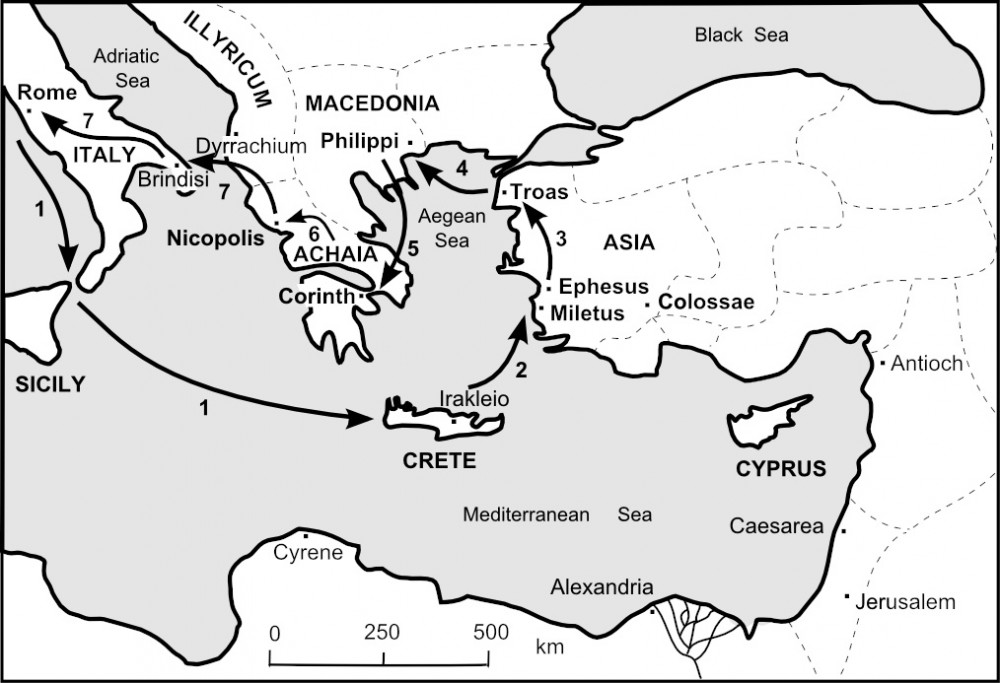
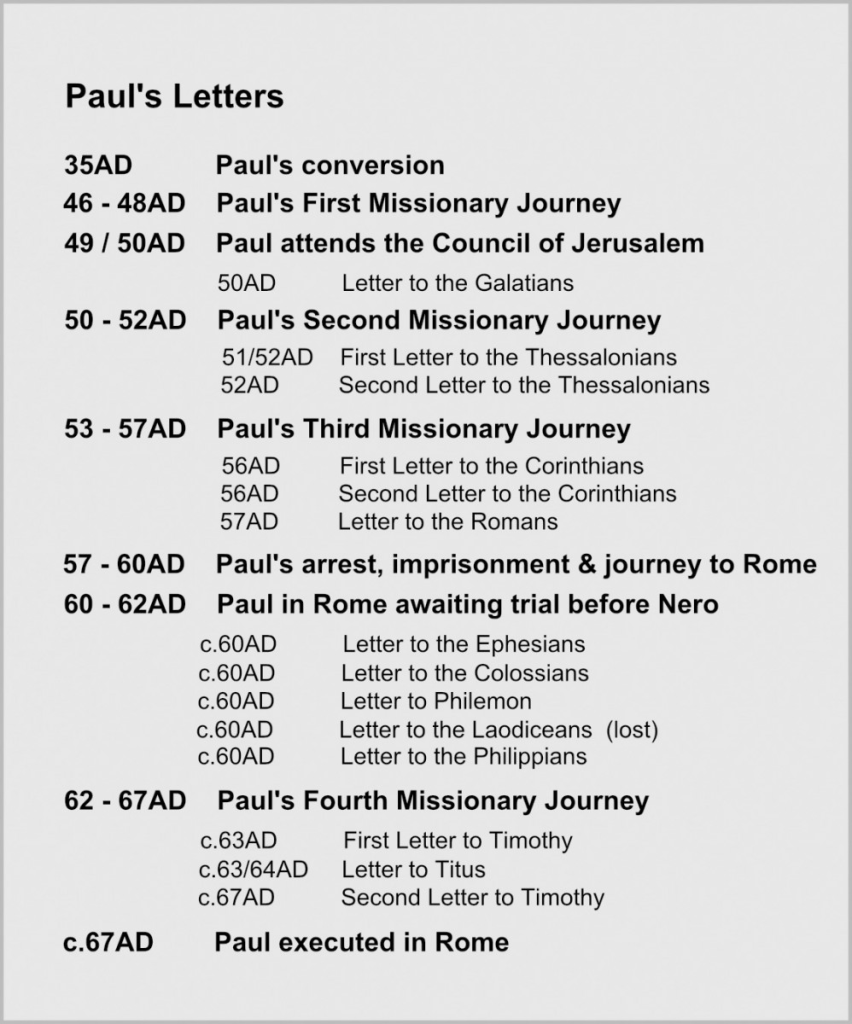
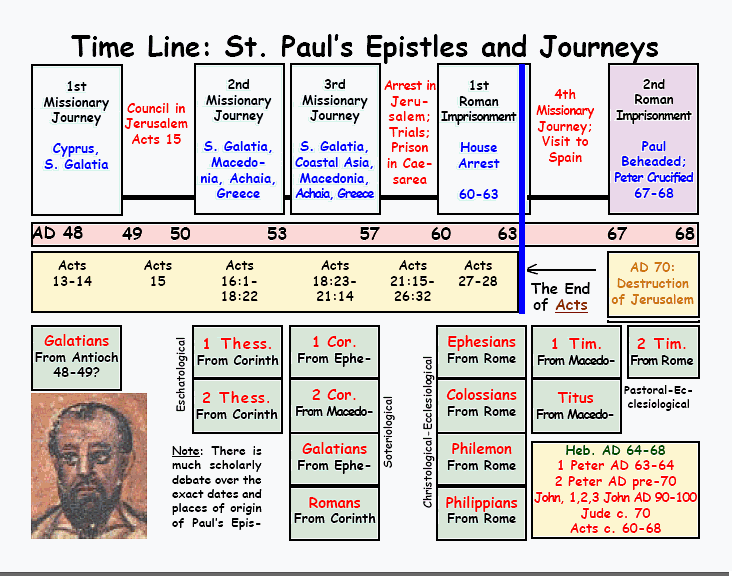
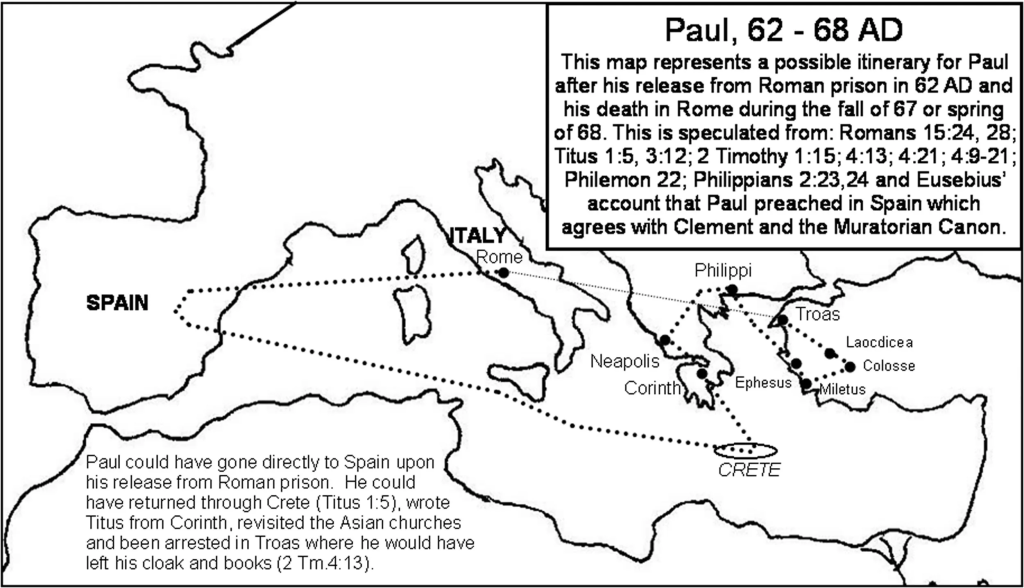
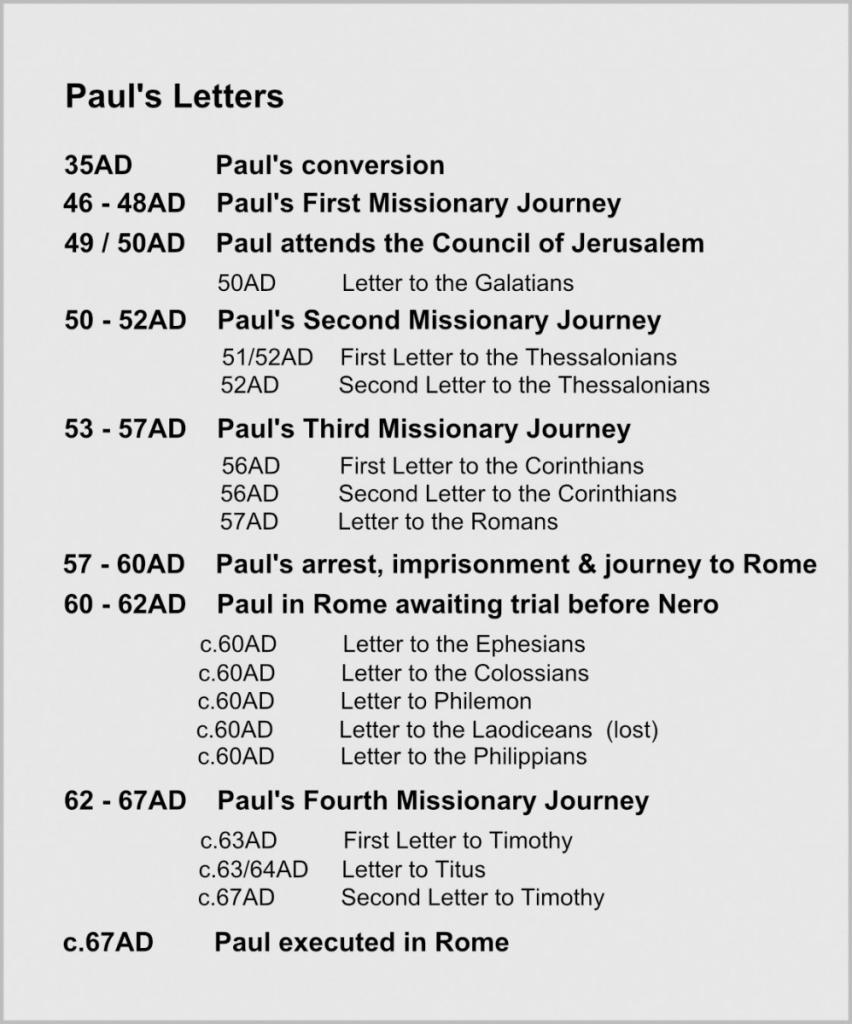

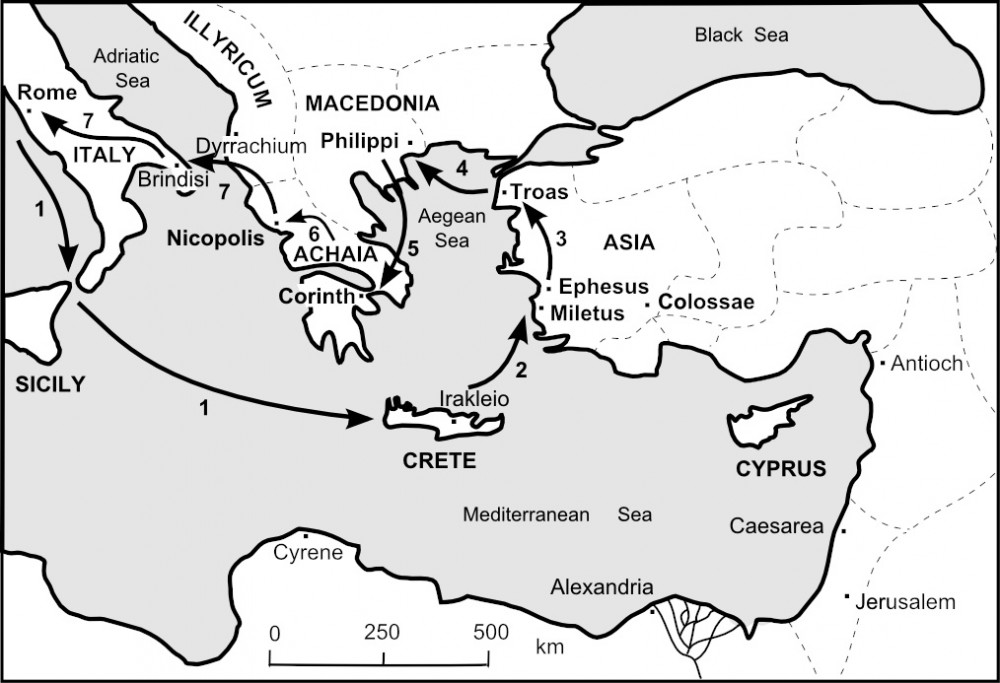

 Nicky's Notes