1 PETER 2: SUFFERING (2)

1 Peter 2:18 Servants, be subject to your masters with all respect, not only to those who are good and gentle, but also to those who are harsh. 19 For this finds favor, if for the sake of conscience toward God a person endures grief when suffering unjustly. 20 For what credit is there if, when you sin and are harshly treated, you endure it with patience? But if when you do what is right and suffer for it you patiently endure it, this finds favor with God.

Christ Is Our Example

21 For you have been called for this purpose, because Christ also suffered for you, leaving you an example, so that you would follow in His steps, 22 He who committed no sin, nor was any deceit found in His mouth; 23 and while being abusively insulted, He did not insult in return; while suffering, He did not threaten, but kept entrusting Himself to Him who judges righteously; 24 and He Himself brought our sins in His body up on the cross, so that we might die to sin and live for righteousness; by His wounds you were healed. 25 For you were continually straying like sheep, but now you have returned to the Shepherd and Guardian of your souls.

This is the 2nd article on the suffering of the diaspora Christians in 1 Peter. Please read the first article for background. This article looks at the 2nd main section in the letter on suffering. Several key points;

1) It starts with servants (slaves) who suffer from harsh masters. (AI) “Estimates suggest that slavery was widespread in the Roman world, with anywhere from 25% to 40% of the population being enslaved. This means a substantial number of early Christians would have been slaves or former slaves, as the early church drew members from all walks of life within the Roman Empire.” Peter tells them be subject to (obey) and respect those harsh masters. God is pleased if such a suffering slave can endure it faithfully. He makes the point that there is no credit (kleos: Glory, Renown, Fame) if you suffer for doing something wrong. I have beloved brother and friend who suffered 25 years in prison for something he did wrong. He used that time to grow into a strong believer, so it all worked out well. But in the early church, believers were tortured, imprisoned, and killed for their faith, not for something wrong they did. If they can suffer with patience, that “finds favor with God’.

2) Christ is our example of “unjust, undeserved suffering”. Why did Jesus have to suffer so much in the scourging and crucifixion? He did have to die for our sins, but couldn’t God have allowed him to die without so much suffering and still accomplish God’s mission of saving sinners from sin? Of course he could have. He could have. just allowed Jesus to be poisoned or smothered by some enemy and die a quick, relatively painless death. He could have allowed a soldier to pierce Jesus through with a sword causing quick death. But God allowed him to undergo terrible suffering before he died. Jesus had seen many crucifixion victims hanging on crosses on the Roman roads, a warning to all about rebellion to the empire. That’s why he was in such agony in the Garden of Gethsemene, sweat as blood (that sounds like a “panic attack” to me). Such suffering from the nails on the cross that he cried out “My God, my God, why hast Thou forsaken me”? He hang for 6 long hours suffering on the cross. Was this really a necessary of God’s plan? It was. Not essential to save us, but to give suffering Christians an example to follow when they suffer unjustly. God knew that Christians would suffer for their faith through much of the 2,000 years of church history and He wanted to give them an example of how to suffer faithfully, not returning insult for insult, etc. Don’t retaliate or seek vengance: just trust God who will repay those who persecute His children. The Roman arenas where Christians were killed, Foxes Book of Martyrs, even torturing and killing Christians by the Catholic church, suffering in Muslim controlled countries or atheistic countries like China. We don’t experience persecution in the U.S. but Jesus’ example of suffering even helps us as we go through various trials that test our faith. How should you respond when insulted or mocked b/c of your faith? When you suffer from a harsh boss? When you suffer from an abusive husband (Peter deals with that later)? Is Jesus giving an example for passive resistence: “a way of opposing the government without using violence especially by refusing to obey laws.” This was what Ghandi did in India as he opposed the oppressive British colonialism rule over India. He was committed to non-violence, but he did led protest Marches like his 240 mile Salt March to protest British policies that took advantage of the Indians. Martin Luther King might be the perfect example of one following Jesus’ example. King was inspired by Ghandi, but more so by Jesus. He was totally committed to non-violence although he did lead non-violent peace marches and boycotts. He never encouraged breaking any civil laws. Jesus stood up to the corrupt leaders of the Jews. He didn’t just ignore the corruption. He never encouraged any opposition to the cruel Roman authorities. He told Peter to pay the temple tax. He did resort to some turning over of the tables in the temple but he never retaliated when he suffered personally. So, Jesus’ suffering was necessary in God’s plan, not to save us but to give suffering Christians an example of how to suffer. As Paul said in 2 Timothy 3:12 Indeed, all who desire to live a godly life in Christ Jesus will be persecuted.”

3) After his suffering on the cross, He completed God’s plan of salvation by dying on the cross for our sins. “By his wounds” (the scourging, the crown of thorns) we are healed. This has to mean “spiritual healing”. Jesus can still heal physical sickness but this is not a promise of physical healing to those who become Christian. I know a saved lady who is still in a wheelchair due to spinal bifida even after becoming a Christian. Isaiah predicted Jesus’s non-retaliatory suffering: Peter probably alludes to Isaiah 53:

Isaiah 53:However, it was our sicknesses that He Himself bore,
And our pains that He carried;
Yet we ourselves assumed that He had been afflicted,
Struck down by God, and humiliated.
But He was pierced for our offenses,
He was crushed for our wrongdoings;
The punishment for our well-being was laid upon Him,
And by His wounds we are healed.
All of us, like sheep, have gone astray,
Each of us has turned to his own way;
But the Lord has caused the wrongdoing of us all
To fall on Him.

He was oppressed and afflicted,
Yet He did not open His mouth;
Like a lamb that is led to slaughter,
And like a sheep that is silent before its shearers,
So He did not open His mouth.

Thus Hebrews 2:10 10 In bringing many sons and daughters to glory, it was fitting that God, for whom and through whom everything exists, should make the pioneer of their salvation perfect (teleioó: To complete, to perfect, to accomplish, to bring to an end.)through what he suffered.” His sufferings made God’s plan of salvation “complete” b/c it was an important part of the plan.

1 PETER 1: SUFFERING (1)

I Peter 1:1 Peter, an apostle of Jesus Christ,

To those who reside as strangers, scattered throughout Pontus, Galatia, Cappadocia, Asia, and Bithynia, who are chosen according to the foreknowledge of God the Father, by the sanctifying work of the Spirit, to obey Jesus Christ and be sprinkled with His blood: May grace and peace be multiplied to you.”

Peter wrote this letter to the Jewish Christians scattered (diaspora: Dispersion, Scattering) over several countries. That would be the Jewish diaspora: “The term diasporas is only ever applied to ethnic Jews in biblical texts (John 7:35; James 1:1; in the Apocrypha, 2 Maccabees 1:27; Judith 5:19), so if it were taken to mean Gentiles in 1 Peter 1:1, it would have to be a remarkable exception. It certainly wouldn’t be a natural reading of the verse.” (Derek Demars) Some say 1 Peter 2:10 shows that the letter was written to Gentile Christians, but I refer you to my article on 1 Peter 2:10-17 to discuss that verse which I do not think means Peter is writing to Gentile Christians. Also remember that Peter is the “apostles to the Jews” (Galatians 2), so it is more likely that Peter would be writing to the Jewish Christians among the Jewish diaspora than to Gentile Christians scattered. Gentile Christians were never scattered. The Jewish diaspora were the “chosen” remnant of the Jewish believers who accepted Jesus as the Messiah. They were sanctified in the Spirit and sprinkled with the blood of Jesus. John 7:35 NAS: to go to the Dispersion among the Greeks.

Usually we speak of the diaspora as the scattering of the Jews after the destruction of the temple in 70 AD, but Wikipedia says this: “A Jewish diaspora existed for several centuries before the fall of the Second Temple in 70 CE. The Jewish diaspora in the second Temple period (516 BCE – 70 CE) was created from various factors, including through the creation of political and war refugees, enslavement, deportation, overpopulation, indebtedness, military employment, and opportunities in business, commerce, and agriculture.[7] Before the middle of the first century CE, in addition to Judea, Syria and Babylonia, large Jewish communities existed in the Roman provinces of Egypt, Crete and Cyrenaica, and in Rome itself.[8] In 6 CE the region was organized as the Roman province of Judaea.” All Jews in the diaspora suffered wherever they were scattered, but Peter was writing to Jewish Christians who were scattered before 70 AD for whatever reasons to Cappadocia, Asia, Bithynia (Pontus) and Galatia. Peter died in 65 AD, so he wrote I Peter before that.

Much of 1 Peter deals with the suffering and trials that the diaspora faced. So let’s look at the sections that deal with their suffering.

1 Peter 1:Blessed be the God and Father of our Lord Jesus Christ, who according to His great mercy has caused us to be born again to a living hope through the resurrection of Jesus Christ from the dead, to obtain an inheritance which is imperishable, undefiled, and will not fade away, reserved in heaven for you, who are protected by the power of God through faith for a salvation ready to be revealed in the last time. In this you greatly rejoice, even though now for a little while, if necessary, you have been distressed by various trials, so that the proof of your faith, being more precious than gold which perishes though tested by fire, may be found to result in praise, glory, and honor at the revelation of Jesus Christ; and though you have not seen Him, you love Him, and though you do not see Him now, but believe in Him, you greatly rejoice with joy inexpressible and full of glory, obtaining as the outcome of your faith, the salvation of your souls.

Several points from this section.

1) Christians have a “living” hope b/c of the resurrection of Jesus from the dead. Why “living”? B/c our Savior is not still dead like other religioius leaders of world religions, like Mohamed, Buddha, Zoroaster, the Bab, etc. Our Savior still lives to be our HIgh Priest forever. Also the resurrection of Jesus is the ultimate proof that He is the Son of God and Savior. No other world religion can offer such irrefutable proof of its validity.

2) The diaspora Christians had an imperishable inheritance, a salvation “ready to be revealed in the last time”. This indicates a future salvation of some kind. Vs 9 also:  “obtaining as the outcome of your faith, the salvation of your souls.” That would be a future salvation of some kind. But weren’t they already saved? Of course they were. So what is this salvation that is still in their future? Is it heaven? Could be. But it could be the same “immortality” that Paul said believers would receive at the resurrection of the dead which he said some of those he was writing to would still be alive to receive (1 Corinthians 15:50-54). That would have to be the resurrection of the dead at 70 AD, predicted by Daniel 12:1-2 to happen at the end of the Jewish Age in 70 AD. Paul said in Acts 24:15 that there “is about to be (mello, which always in the NT means “about to happen”) a resurrecton of the righteous and the unrighteous just as the Law and Prophets predicted. This is the “already, not yet” phase of salvation for the transiton Christians (those living between 30AD and 70AD): already saved but not yet received immortality until the resurrection in 70 AD.

3) They could rejoice even in he midst of “distressing” (lupeó: To grieve, to cause sorrow, to distress) suffering and trials, looking forward to that future salvation.

4) A tested, proven (dokimion: Testing, trial, proving) by enduring trials faithfully would result in “praise, glory, and honor at the revelation of Jesus Christ (i.e. his 2nd coming). Again, that is a reward in their future. While most say this 2nd coming revelation (apokalupsis: Revelation, unveiling, disclosure) of Jesus, full preterism would say that this 2nd coming was at 70 AD. 1 Peter 4:13 calls this 2nd coming a “revelation of his glory”. So what is the “glory” that these diaspora believers would receive at 70 AD if they remained faithful? Romans 8:18 For I reckon that the sufferings of the present time [are] not worthy [to be compared] with the glory about to be (mello) revealed in us. 21 that also the creation itself shall be set free from the servitude of the corruption to the liberty of the glory of the children of God; 23 And not only [so], but also we ourselves, having the first-fruit of the Spirit, we also ourselves in ourselves do groan, adoption expecting — the redemption of our body; (Young’s Literal Translation). Notice that this glory to be received by believers was “about to be revealed”. Many try to make this some, still in our future, restoration of the created earth to its Garden of Eden state, but this event is “about to” happen in the lifetime of those Paul is writing to, so it can’t be something in our future. So this must refer to the 2nd coming in 70 AD when God would destroy the temple and send the Romans to kill 1 million evil Jews in Jerusalem who rejected Jesus as the Messiah. When He did that, it would be obvious that the Jewish remnant believers in Jesus were the true children of God, not the unbelieving Jews who still claimed to be the children of Abraham and of God (John 8). The believing Jews would be “glorified” at the 2nd coming in 70 AD. 1 Peter 5:1 Elders who [are] among you, I exhort, who [am] a fellow-elder, and a witness of the sufferings of the Christ, and of the glory about to be revealed (again, mello)a … This glory of 1 Peter 1:7 was “about to be revealed” to them at 70 AD. It would indeed be “glorious” as they would be given immortality and imperishable, spiritual bodies that would live forever even after physical death (1 Corinthians 15).

5) They could rejoice even while “distressed” in their suffering and trials with “joy inexpressible and full of glory” over the prospects of receiving glory and immortality at the 2nd coming of Jesus in 70 AD. Again, we can’t ignore the fact that this is all “about to happen”.

In a way, we can’t relate to these suffering diaspora Christians. The Voice of the Martyrs constantly tells us about believers in foreign countries who are suffering just as the diaspora Christians were. This letter is more applicable to them than us, and they probably love this letter more than we do in the U.S. where we really don’t suffer persecution. While our lack of suffering is a good thing, it probably makes us weaker, materialistic Christians. Even if these verses mean heaven when one dies instead of 70 AD, a suffering Christian can rejoice at the prospect of the glory to be received in heaven in eternal life. Suffering believers long for that release from their suffering. They rejoice in their suffering for Jesus, and they even rejoice when a believer is martyred for his/her faith.That just sounds foreign to believers in the U.S. who don’t really suffer persecution.

But that doesn’t mean that we can’t rejoice over the prospects of eternal life after we die. After 70 AD, all believers receive their immortal, spiritual bodies when they become Christians. That allows them to “live even if they die physically” (John 11:24-26). We might not suffer persecution as the diaspora did, but we still go through a lot of trials or testing of our faith. We have a lot of “1st world” problems to endure. Our faith is constantly tested by the agnostic and atheistic attacks on the Bible, God, and Jesus. We are being mocked for our conservative stands on LGBQT and abortion. Bellevers are “distressed” by things like divorce, death of loved ones especially children, child abuse, infidelity of one’s mate, one’s children addicted to drugs, serious or even fatal illnesses of ourselves or loved ones, mental or physical abuse by one’s mate, poverty for some, the terminal illness especially in old age that brings a lot of physical suffering, etc.. These things might not be some Muslim terrorists killing us, burning our church buildings, and putting us in. prison for our faith, but they are real trials nonetheless. We can rejoice in those. trials, knowing that we will live on after death in eternity in our immortal spiritual bodies.

THE APOSTLE PETER

Here is a neat site with a timeline of Peter’s life: https://totallyhistory.com/biblical-history/simon-peter-the-apostle/ It has the main events and timeline along with the verses which I am not including below. Here is my summary of all the events in Peter’s life.

Peter starts his first letter to the Jewish Christians who were scattered over several countries with the words “Peter an apostle of Jesus Christ”. He was a Galilean fisherman and married. His brother Andrew, a disciple of John the Baptist, found Peter and told him that he had found the Messiah. Jesus changed his name from Simon to Cephas, which translated means Peter (Gk petros, a stone). Jesus calls Peter and Andrew to. follow him and they do. Jesus heals Peter’s sick mother-in-law. After fishing all night and catching nothing, Jesus tells Peter to cast his net into the water and he caught many fish. Peter is part of the inner circle of Peter, James, and John who see Jesus raise a dea d girl. Jesus walks on water to the boat the apostles were in during a storm, and Peter asks to walk on water to Jesus. He does so until he looks at the waves and sinks, but Jesus pulled him up. Peter makes the great confession, “You are the Christ the Son of the Living God”. Jesus tells Peter, “Upon this rock (either the apostle Peter or the confession that Peter made) I will build my church. Jesus would give Peter the keys to the kingdom. Peer rebukes Jesus when he tells him that he must suffer, be killed and rasied on the third day. Along with James and John, Peter sees Jesus transformed on the Mt of Transformation (he also sees Moses and Elijah). Jesus tells Peter that he will deny him 3 times but Peter says that he will never deny Jesus. Jesus leaves Peter, James and John to pray for him as he agonizes in the Garden of Gethsemane over his coming death. When Jesus is arrested in the Garden, Perter cuts off the ear of a servant. Peter goes to Pilate’s palace where he denies knowing Jesus 3 times. Mary Magdelene tells the apostles that the tomb of Jesus is empty and Peter and John run to the tomb. Jesus makes a separate appearance to Peter at some point after his resurrection. Jesus appeared to the 11 apostles, including Peter, the Sunday night of his resurrection that morning, and then again to the 12 apsotles, including Thomas, one week later. Jesus appears to Peter and 6 other apostles while fishing on the Sea of Galilee, and gives them a miraculous catch of fish. While eating with them that morning after the catch, Peter tells Jesus that he loves him three times as Jesus tells him to “feed my sheep”. Peter and the 10 apostles (judas is gone) see Jesus ascend into heaven from Galilee. Peter leads in the choosing of a replacement for Judas who had hanged himself (Matthias was chosen). After speaking in tongues (foreign languages) along with the other apostles, Peter preaches the first gospel sermon on the day of Pentecost, and 3,000 are baptized for the remission of sins. Peter and John heal a man at the temple who had been lame since birth. Peter and John are taken into custody by the Sadducees and warned not to preach Jesus any more. Peter confronts Ananias and Sapphira about their lying about their giving money and they are struck dead. Peter and John go to Samaria to lay their hands on those baptized there by Philip who had not received the Holy Spirit and Simon the Magician is rebuked for trying to buy the power to impart miraculous gifts. Peter heals a paralyzed Aenaes in Lydda and raises Dorcas from the dead in Joppa. Peter is sent by God to Cornelius, a Gentile centurion, in Caesarea. Peter preaches the gospel to him and Cornelius speaks in tongues to show that God will accept Gentiles for salvation and inclusion in the church. Cornelius is baptized. Back in Jerusalem, Peter is confronted by Jewish Christians for associating with Gentiles, but they are appeased when they hear about Cornelius speaking in tongues. Peter is put in prison by Herod who had just executed James the brother of John, but is released by an angel and goes to the house of Mary, the mother of John Mark. In Antioch of Syria, Paul rebukes Peter because he, influenced by some brethren from James the Lord’s brother in Jerusalem, has quit eating with the Gentile believers. Tradition says that Peter is crucified upside down in Rome by Nero because he felt unworthy to be crucified in the same manner as Jesus was.

We have so much more information about Peter’s life than any other apostle. Was he more important than the other apostles? Yes. He became the “apostle to the Jews” according to Paul. Galatians 2:On the contrary, when they saw that I had been entrusted with the gospel to the uncircumcised, just as Peter had been entrusted with the gospel to the circumcised (for he who worked through Peter for his apostolic ministry to the circumcised worked also through me for mine to the Gentiles).” But was he the first pope, the head of the church? No. The whole claim that Peter was the first pope comes from Jesus telling Peter: Matthew 16:18 And I tell you, you are Peter, and on this rock I will build my church, and the gates of hell shall not prevail against it. 19 I will give you the keys of the kingdom of heaven, and whatever you bind on earth shall be bound in heaven, and whatever you loose on earth shall be loosed in heaven.” I have read the debates: Is the “rock” Peter himself or the confession that Peter made that “Jesus is the Christ the Son of God”? But even if the rock is Peter, does that mean that he will be the first Pope, the head of the church? No. Ephesians 4:11 gives the leadership offices of the early church: “apostles, prophets, evangelists, pastors, and teachers”. Don’t you think that the position of “pope” would be included in that list if such a position was authorized by Jesus. Paul called Peter one of the “pillars of the church” along with James the Lord’s brother and John the apostle. Peter is not singled out as being above James and John. Many other arguments could be made against Peter being the first pope, but that will suffice for now.

So what are the highlights of Peter’s life? Would it be walking on water? Would it be the miraculous catches of fish? Would it be his confession that Jesus is the Christ, the Son of God? Would it be seeing the resurrected Jesus on several occarions? Would it be preaching the first gospel sermon in Acts 2? Would it be healing the sick and raising the dead? Would it be converting the first Gentile Cornelius?

What would be the “lowlights” of Peter’s life? Would it be sinking as he walked on the water? Would it be rebuking Jesus for saying that he would die and be raised, only to be rebuked by Jesus? Would it be denying Jesus 3 times, the last time with Jesus glancing out at Peter from Pilate’s hall? Would it be his time in jail, especially right after James was killed by Herod. Would it be his confusion about eating the meat in the sheet vision and what that meant relative to the conversion of Cornelius? Would it be the conflict with Paul in the church at Antioch (Galatians 2) over eating with Gentile believers? Would it be his last imprisonment in Rome before he was crucified?

Overall, this man’s life is amazing. He is usually the first one to speak out his opinions, questions, or doubts. He ends up being rebuked by Jesus more than any other apostle. He has the faith to walk on water (none of the other apostles did) but then he sinks. He is the only apostle to make the great confession that Jesus is the Christ, the Son of God, but then he denies Jesus 3 times. But instead of committing suicide like Judas, Peter becomes the chief spokesman apostle in the establishment of the first church. God confirms that the Gentiles like Cornelius are accepted in full fellowship with the Jews, and yet he acts hypocritically when men from James in Jerusalem influence him to quit eating with the Gentile Christians in Antioch. He is an “enigma”: “If you call a person an enigma, you mean that they’re hard to figure out—the reasons behind what they say and do are not easily understood.” Peter can be so weak and then he can be so strong. Maybe Jesus summed up Peter in Luke 22:31 “Simon, Simon, behold, Satan demanded to have you, that he might sift you like wheat, 32 but I have prayed for you that your faith may not fail. And when you have turned again, strengthen your brothers.” As soon as Jesus said that, 33 Peter said to him, “Lord, I am ready to go with you both to prison and to death.” 34 Jesus said, “I tell you, Peter, the rooster will not crow this day, until you deny three times that you know me.” Peter bragged that he would die for Jesus instead of denying him, and yet within 24 hours later he denied Jesus 3 times just like Jesus predicted. After his 3rd denial: Luke 22:60 And immediately, while he was still speaking, the rooster crowed. 61 And the Lord turned and looked at Peter. And Peter remembered the saying of the Lord, how he had said to him, “Before the rooster crows today, you will deny me three times.” 62 And he went out and wept bitterly.” It is amazing that Peter did not commit suicide like Judas did. It is amazing that Peter made a comeback like Jesus prayed for him: “but I have prayed for you that your faith may not fail. And when you have turned again, strengthen your brothers.”” Jesus knew he would brag about not denying Jesus but would fail. The key was how he responded to his failure.

Isn’t that the main lesson we get from Peter. How many times have you failed in your faith journey or let Jesus down? How did you feel? Guilty? Ashamed? But Jesus is always there to love us, forgive us, and use us “if” we will “turn” back to our faith. Yes, Peter failed when he walked on water, but he was the only one with the faith to try. Maybe he learned a valuable lesson from that (it had to be very scary). Would you have even tried to walk on the water? Do you ever venture out in your faith to attempt amazing things for Jesus?

WHY FULL PRETERISM? GOING FROM PARTIAL TO FULL PRETERISM!

(AI) “Preterism is a Christian belief that some or all of the Bible’s prophecies have already happened in history. The word comes from the Latin word praeter, which means “past” or “beyond”.” Most Bible scholars are “partial preterists” b/c they beleve many Bible prophecies have already happened. Some even believe that many of the new testament prophecies were fulfilled at the 70 AD destruction of the temple and of Jerusalem (prophecies that are often said to have not happened yet as of today). Few are “full preterists” who say that all the Bible prophecies have already happened, including the 2nd coming, the resurrection of the dead, the 70th week of Daniel, the new heavens and earth, the new Jerusalem, etc. This article: what factors would make someone move from partial preterism to full preterism?

  1. Jesus predicts that his 2nd coming would be within the lifetime of those he was speaking to. There are only 4 times in the synoptics where he predicts a 2nd coming or coming again: Matthew 10:23; 16:27,28; 24:30-34; 26:64. (My blog article “the 2nd coming of Jesus”). That either happened as Jesus predicted in the next 40 years after he predicted it (the word genea in Matthew 24:34 always means a 40 year period or tehe people living in a 40 year period in the NT), or else Jesus: 1) is a false prophet, or 2) he was mistaken (as C.S.Lewis claimed) which would make him a false prophet, or 3) he did predict an imminent 2nd coming but “delayed it” (Hebrews 10:37 refutes any delay theories: “37 for yet a very very little, He who is coming will come, and will not tarry”). Matthew 16:27-28 and Mark 8:38-9:1 is a key point. Some of those he was speaking to would still be alive at his 2nd coming. Matthew 16:28 28 Verily I say to you, there are certain of those standing here who shall not taste of death till they may see the Son of Man coming in his reign.'” Matthew 16:27 even uses the word mello (which always means “about to”) “For the Son of Man is “about to come” (usually translated incorrectly as “will come” except in Young’s Literal Translation). Some say the was predicting the Mount of Transfiguration that would happen soon after in Mt 17, but notice that these 2 parallel passages are both “coming in judgement” passages (“and then he will repay each person according to what he has done”). There was no judgment on the Mount of Transfiguration. Jesus’ coming in judgment ( 2nd coming) in 70 AD to judge the evil Jews who rejected him as the Messiah fulfills Jesus’ predictions of an imminent 2nd coming. Those predictions involve some figurative language such as the “stars falling” (Matthew 24:29) which can easily be seen to have a figurative not literal fulfillment based on OT predictions that use the same language to describe the destruction of Babylon, for example (Isaiah 13).
  2. I challenge you to find a verse in the gospels where Jesus predicts a “coming back” that is not to be fulfilled in the lifetime of those he is speaking to. Don’t you think that there would be a verse that did that? So why am I a “heretic” for defending Jesus’ credibility as a prophet just b/c I believe that what he predicted came true exactly as he predicted? I would never make full preterism a heaven or hell issue, just as I would not make any eschatological beliefs a heaven or hell issue (such as premillennialism or postmillennialism). But I just don’t understand why some would say I am a heretic for believing that Jesus’ predictions came true exactly as he predicted. The 3 options above if his predictions did not come true as predicted are just not acceptable. Some full preterists claim that it is heresy not to believe that the 2nd coming was in 70 AD but I don’t take that position although I think there is a lot at stake here. Unbelieving Jews, atheists, and Muslims all claim that Jesus is a false prophet b/c they say his predictions did not come true as predicted, and you can see why they would say that if indeed his predictions did not come true as predicted.
  3. Believing that the resurrection of the dead occurred at 70 AD is one of the hardest hurdles to overcome in moving from partial to full preterism. But here are some points to consider. Acts 24:14 `And I confess this to thee, that, according to the way that they call a sect, so serve I the God of the fathers, believing all things that in the law and the prophets have been written,15 having hope toward God, which they themselves also wait for, [that] there is about to be a rising again of the dead, both of righteous and unrighteous” (YLT). Paul is saying 2 things: 1) the resurrection of the dead was “about to” (mello) happen, and 2) the Law and Prophets predicted this resurrection that was about to happen. So where did the prophets predict a resurrection of the righteous and unrighteous? Daniel 12:And many of those who sleep in the dust of the ground will awake, these to everlasting life, but the others to disgrace and everlasting contempt. That is the only place in the OT that predicts this resurrection. And yet Paul says it is “about to happen”. So is Paul mistaken (which is untenable since it would make him not inspired and how would we know which of his writings are inspired and which are not?. Is Paul just another false prophet who thinks the 2nd coming and resurrection are imminent but is wrong? The whole chapter 12 in Daniel is about the “end time” , “the end”, the “tribulation of the Jewish nation” (which Jesus spoke of in Mt 24, a tribulation that had to occur within that generation Matthew 24:34), and the “abomination of desolation” (the destruction and desecration of the temple). Jesus said in Matthew 24:15 that the abomination of desolation as predicted by Daniel would be fulfilled within the lifetime of the generation living when he was saying this (Matthew 24:34 the word genea in the NT always refers to a 40 year period or the people living in a 40 year period). So Daniel 12:2 is also referring to a resurrection of the dead at the end of the age in 70 AD. Paul said that resurrection was about to happen. All the dead in the OT went to Hades to await their resurrection and final judgment of eternal life or eternal destruction in 70 AD. In 70 AD they were raised, not bodily to be seen, but spiritually just as Paul predicted. I believe that happened just as Paul predicted, or else Paul is a false prophet. Paul gives further detail on this resurrection in 1 Corinthians 15. He says that some of those he is writing to would still be alive at the resurrection. 15:51 Behold, I am telling you a mystery; we will not all sleep, but we will all be changed.” He says that the believers, whether dead or alive at the resurrection (the Daniel 12:2 resurrection) will be given “immortality”. 15:53 For this perishable must put on the imperishable, and this mortal must put on immortality. 54 But when this perishable puts on the imperishable, and this mortal puts on immortality, then will come about the saying that is written: “Death has been swallowed up in victory.” Is Paul mistaken about this prediction also? This resurrection to immortality occurred within their lifetime in 70 AD. All believers since that date receive immortality when they believe (they can lose it if they fall from grace) and as Jesus said in John 11, “they will live even if they die (physically)”. So the belief that the resurrection of the dead occurred at 70 AD is not only Biblical, but is not a big hurdle in going from partial to full preterism.
  4.  The other NT writers and apostles also predicted an imminent 2nd coming. James 5:You too be patient; strengthen your hearts, for the coming of the Lord is near.” Is James a false prophet? 1 Peter 4:who shall give an account to Him who is ready (hetoimós: Ready, prepared) to judge living and dead… The end of all things is near (eggizó: To draw near, to approach, to come near: same word as used in Mark 14:42 he who betrays me is “at hand”).” Is Peter the apostle a false prophet? What about the apostle John? He said that the events predicted in the book of Revelation were to take place “soon” (1:1), “the time is near (eggus: Near, close, at hand)” (1:3), “soon take place” (22:6), “the time is near” (22:10). The book is about the destruction of Jerusalem in 70 AD, a follow up of all that Jesus predicted in Mt 24, Mk 13, and Lk 21. But it is also about the 2nd coming: Rev 1:Behold, He is coming with the clouds, and every eye will see Him, even those who pierced Him; and all the tribes of the earth will mourn over Him. So it is to be. Amen.” John says repeated that Jesus said “I am coming quickly” (2:16; 3:11; 22:12,20)”. Some say that just means “swiftly” but it obviously means “soon” since the events were “about to happen” (mello which always means “about to happen” in the NT) (1:19; 2:10; 3:10,16; 6:11; 8:13; 12:5). So is John the apostle a false prophet also? Let’s throw in another prediction by Paul here. 2 Timothy 4:1I do fully testify, then, before God, and the Lord Jesus Christ, who is about to (mello) judge living and dead at his manifestation and his reign (YLT).” This fits an AD 70 judgment also.
  5. The book of Hebrews also predicts the destruction of Jerusalem in 70 AD and the 2nd coming. Hebrews 9:28 so Christ also, having been offered once to bear the sins of many, will appear a second time for salvation without reference to sin, to those who eagerly await Him.” But when would this 2nd appearing or coming happen? Hebrews 10:37 For yet in a very little while,
    He who is coming will come, and will not delay.” That 2nd appearing or coming would be in a very little while. That can only refer to his 2nd coming in 70 AD or else the writer of the Hebrew letter is a false prophet. The letter also predicts that the old covenant is “about to disappear” (8:13), which would fit 70 AD when the temple was destroyed, no more animal sacrifices since then, no more priests, and replaced with the new covenant. The book was definitely written before 70 AD: Hebrews 9:The Holy Spirit is signifying this, that the way into the holy place has not yet been disclosed while the outer tabernacle is still standing.” The verb “is” indicates that the temple “is” still standing at the time the letter was written. It would be destroyed in 70 AD. Unfortunately a lot of the translations have “was still standing” which is not the accurate verb tense in Greek. Hebrews 6:5 predicts the new age (i.e. the Messianic Age) that is “about to come” (mello). Hebrews 13:14 predicts a city (i.e. the new Jerusalem) that is “about to come” (mello). We don’t know who wrote the Hebrew letter, but whoever wrote it (and Paul did not write it) did so before 70 AD and his/her predictions would come true in 70 AD. He/she was truly inspired by the Holy Spirit.
  6. We must discuss 2 Thessalonians as a separate point since it is mainly about the 2nd coming. Chapter 1 says that Jesus will be revealed from heaven (i.e. the 2nd coming) to give relief to the Thessalonian Christians who are being afflicted or persecuted. Paul had said in 1 Thess 2:14 that they were being persecuted by their Jewish non believing countrymen but “wrath has come upon them (i.e. the Jewish unbelievers who were killed in 70 AD) fully.” (2:17). The main persecutors and killers of the Jewish Christians during the transition period from AD 30-70 were the Jewish unbelievers like Saul. Jesus’ 2nd coming in 70 AD would have the Romans killing a million evil Jews who rejected Jesus as the Messiah, so 2 Thess 1 certainly fits that context of giving the believers relief. It is always important that we. understand “audience relevance”, i.e. how does a passage relate to the audience it was written to. But some were saying that the 2nd coming “had already come” (2 Thess 2:2). Paul then goes on to say that before the 2nd coming there would be an “apostasy” (which could be a falling away of believers or it could be the Jewish revolt in years preceding 70 AD), and a “man of sin” would come with lying signs and wonders. This man of sin would claim to be god and would sit in God’s temple. This can only refer to Titus. Once the temple is destroyed in 70 AD, there is no temple for the man of sin to sit in, which eliminates all the many predictions of who the man of sin is (such as the papacy, some future Antichrist). Some person was holding that man of sin back at the time of writing, but 2 Thess 2:For the mystery of lawlessness is already at work; only He who now restrains will do so until He is removed. Then that lawless one will be revealed, whom the Lord will eliminate with the breath of His mouth and bring to an end by the appearance of His coming.” These verses tell us that this process was already at work at the time of writing. The man of sin was living at the time of writing. The man of sin (living at that time) would be judged at Jesus’ coming or appearing, which means the 2nd coming would have to be within the lifetime of those Paul is writing to.” Again, is Paul inspired? Did these things happen within the lifetime of those he was writing to or is he a false prophet? Paul had already spoken of the 2nd coming in the first letter to the Thessalonians: 1 Thess 1:10; 2:19; 3:13; 5:2. Would that no be the same 2nd coming that he gave further discussion on in 2 Thessalonians? I think so! So those verses in 1 Thess are talking about the 2nd coming within their lifetime, in 70 AD. That brings us to another somewhat of a hurdle to full preterism in 1 Thess 4:13-18. The early Christians in the transition period from 30-70 AD all expected Jesus’ 2nd coming to be imminent, in their lifetime. Why would they think that? As James Stuart Russell said, “because Jesus and the apostles told them it would be imminent in their lifetime!” So they were concerned when a few of their loved ones also believers, died before the 2nd coming (70 AD), that they would not be alive to receive and immortality at the 2nd coming. Paul says, “don’t worry about them. Jesus will bring them with him when he comes (1 Thess 4:14). Apparently during this transition period the dead believers (and martyrs) would go directly to be with Jesus when they died. They would not go to hades like all the dead in the OT. Revelation 20:4 speaks of this “first resurrection” of those martyred during the transition period as occurring at the beginning of the 100 year reign of Christ. The “rest of the dead”, i.e. the dead of the OT who were waiting in hades for their resurrection in 70 AD at the end of the age (Daniel 12:2; Acts 24:15), would not be raised till the end of the 1000 years which would be in 70 AD. At the end of the 1000 years, Gog and Magog (Rome) would “surround the beloved city (i.e. Jeruslem), so if that is something that has to happen “soon” or “shortly” then the end of the 1000 years would be the Romans sieging and detroying the city of Jerusalem. That means that the 1000 years is a figurative number (as often done in Revelation) and is the 40 years from AD 30 to AD 70. That destroys the theories about Christ coming in our future to set up a 1000 year reign on earth (the millennium) that many preach about today. BTW Jesus said that his kingdom was “not of this earth” (John 18:36); his kingdom that was “at hand” when he spoke (Mark 1:15) was the spiritul kingdom, the church, that began in 30 AD. Back to 1 Thess 4. Paul goes on to say that those already dead in Christ (those Jesus is bringing with him) will join those still alive to meet Jesus when he comes. Those alive would be caught up together with those dead to meet Jesus when he comes and “will always be with the Lord” (4:17). Some say this is the “rapture” of saints before or at the 2nd coming. Is this not the same 2nd coming as in 2 Thessalonians, which would be in 70 AD? If so, then this is not a prediction of some rapture of saints that will occur in our future at some future 2nd coming of Jesus. It is simply a reference to a common practice of that day. If a dignitary or king came to visit a city, the residents of the city would go out to meet the king and then the king would go with them into the city to be with them in person. Paul is saying that those living would figuratively meet Jesus as He came to earth in His 2nd coming, after which Jesus would go with them and abide with them in their presence. He is not taking anyone back to heaven. He is coming to make His presence with the believers on earth in the church. From the 2nd coming in 70 AD on Jesus has dwelt by faith in believers in the new Jerusalem, i.e. the church (Rev 21:1-4). But the main point here is that 1 Thess 4:13-18 must be talking about the same 2nd coming as in 2 Thess, which would be in their lifetime, in 70 AD. So forget all the rapture ideas that you here. We believers have already been caught up with Jesus’ presence in the church.
  7. In closing, I hope this will be helpful for someone who is a partial preterist but is contemplating becoming a full preterist. If you do become a full preterist, you are not going to be a heretic, at least in my estimation even if some would consider that to be heresy. You must be willing to go where the Scriptures lead you even if it goes against 2,000 years of church orthodoxy and doctrine. I am more interested in what the Bible says than what people say that it says.
  8. If you just don’t want to consider all this as worth studying, that’s fine. It is not a heaven or hell issue (no eschatological theory is a heaven or hell issue). Just keep trusting in Jesus for eternal life and doing good works to glorify God. That is what really matters, not eschatology. But some of us, like I, must study and teach about this issue in light of all the false teaching that is currently being taught. Thanks for reading and I hope this article has been helpful to some.

1 CORINTHIANS 8-10 WHO IS THE WEAK BROTHER?

1 Corinthians 8:1 Now concerning food sacrificed to idols, we know that we all have knowledge. Knowledge [a]makes one conceited, but love edifies peopleIf anyone thinks that he knows anything, he has not yet known as he ought to know; but if anyone loves God, he is known by Him.

Therefore, concerning the eating of food sacrificed to idols, we know that an idol is [b]nothing at all in the world, and that there is no God but one. For even if there are so-called gods whether in heaven or on earth, as indeed there are many gods and many lords, yet for us there is only one God, the Father, from whom are all things, and we exist for Him; and one Lord, Jesus Christ, by whom are all things, and we exist through Him.

However, not all people have this knowledge; but some, being accustomed to the idol until now, eat food as if it were sacrificed to an idol; and their conscience, being weak, is defiled. Now food will not bring us [c]close to God; we are neither [d]the worse if we do not eat, nor [e]the better if we do eat. But take care that this [f]freedom of yours does not somehow become a stumbling block to the weak. 10 For if someone sees you, the one who has knowledge, dining in an idol’s temple, will his conscience, if he is weak, not be strengthened to eat things sacrificed to idols? 11 For through your knowledge the one who is weak is ruined, the brother or sister for whose sake Christ died. 12 And so, by sinning against the brothers and sisters and wounding their conscience when it is weak, you sin against Christ. 13 Therefore, if food causes my brother to sin, I will never eat meat again, so that I will not cause my brother to sin.”

First let’s set the background for this issue of eating meat offered to idols. From Guzik: “The meat offered on pagan altars was usually divided into three portions. One portion was burnt in honor of the god, one portion was given to the worshipper to take home and eat, and the third portion was given to the priest. If the priest didn’t want to eat his portion, he sold it at the temple restaurant or meat market. The meat served and sold at the temple was generally cheaper. Then, as well as now, people loved a bargain (including Christians). Things offered to idols: The issue raised many questions for the Corinthian Christians: Can we eat meat purchased at the temple meat market? What if we are served meat purchased at the temple meat market when we are guests in someone’s home? Can a Christian eat at the restaurant at the pagan temple?” I don’t know if this was a Jew/Gentile issue or not. I don’t guess it has to be. But probably most of the Corinthian converts were of Gentile background. Some would have no problem eating meat that had been offered to idols since, as Paul said, there are no real gods behind those idols. Others might think it is wrong to eat that meat since it had been offered to a god and this might seem like participating in the idol worship that they had given up to become a Christian.

Paul’s points are these: 1) The correct “knowledge” on this issue is that it is ok to eat the meat offered to idols since there are no real gods behind those idols. 2) If you have this correct knowledge on the issue, don’t be arrogant with that knowledge when dealing with those who don’t have that knowledge. “Knowledge makes one conceited but love edifies people”. 3) Not all Christians have the correct knowledge on this issue. When they eat meat offered to idols, it makes them feel like they are still worshipping the gods of those idols like they used to do. Their conscience will tell them it is wrong to et that meat even if someone tells them it is ok. 4) If a Christian has a strong conviction, then it doesn’t matter if he eats or doesn’t eat the meat. It’s not a heaven/hell issue. 5) But if a Christian thinks it is wrong to eat the meat, then will violate his conscience in doing so and that is a sin even if it is not actually wrong to eat the met. The sin is that he violates his conscience. The “weak” brother in this matter is the one who violates his conscience whether he has the correct knowledge or not on the issue. 6) A brother with strong conviction and a strong conscience against eating the meat will watch you eat the meat and have no problem with it. He will not be tempted to eat the meat and violate his conscience. 7) But a brother with a weak conscience will see you eat the meat and he might be tempted to follow your example and eat the meat also even though the whole time he is violating his conscience. He is sinning if he does that. 8) You perhaps have unintentionally caused him to eat the meat and sin by violating his conscience. He might be thinking, “Jack is a mature Christian so if he eats the meat, I guess I can eat it (and yet the whole time he eats he is violating his conscience and sinning). You have caused him to sin. You might even be arrogant and flippant about it, telling him “there’s nothing wrong with eating the meat, so eat up” without asking him if eating the meat would violate his conscience or not. 10) Paul said that he would never eat meat if it caused a weak brother to sin (as just described).

We skip over to 1 Corinthians 10: 23 All things are permitted, but not all things are of benefit. All things are permitted, but not all things build people up. 24 No one is to seek his own advantage, but rather that of his neighbor. 25 Eat anything that is sold in the meat market without asking questions, for the sake of conscience; 26 for the earth is the Lord’s, and all it contains. 27 If one of the unbelievers invites you and you want to go, eat anything that is set before you without asking questions, for the sake of conscience. 28 But if anyone says to you, “This is meat sacrificed to idols,” do not eat it, for the sake of that one who informed you and for the sake of conscience; 29 Now by “conscience” I do not mean your own, but the other person’s; for why is my freedom judged by another’s conscience? 30 If I partake with thankfulness, why am I slandered about that for which I give thanks?

These instructions in chapter 10 are for the brother who knows it is ok to eat the meat and his conscience doesn’t bother him when he eats. 11) If you have the correct knowledge that there is nothing wrong with eating the meat, then don’t even bother to ask if the meat you buy in the market was offered to idols. Just buy it and eat it. 12) If an unbeliever asks you over to eat, then eat the meat he prepares for you without asking where it came from. It will probably be meat from the market that has been offered to idols, but that won’t bother you and there are no Christians around to be concerned about. 13) But if you are at the unbeliever’s house eating and another guest is obviously bothered by meat offered to idols being served then don’t eat b/c you by eating might encourage him to eat and violate his conscience.

Now to one last section. 1 Corinthians 10:14 Therefore, my beloved, flee from idolatry. 15 I speak as to wise people; you then, judge what I say. 16 Is the cup of blessing which we bless not a sharing in the blood of Christ? Is the bread which we break not a sharing in the body of Christ? 17 Since there is one loaf, we who are many are one body; for we all partake of the one loaf. 18 Look at the people of Israel; are those who eat the sacrifices not partners in the altar? 19 What do I mean then? That food sacrificed to idols is anything, or that an idol is anything? 20 No, but I say that things which the Gentiles sacrifice, they sacrifice to demons and not to God; and I do not want you to become partners with demons. 21 You cannot drink the cup of the Lord and the cup of demons; you cannot partake of the table of the Lord and the table of demons. 22 Or do we provoke the Lord to jealousy? We are not stronger than He, are we?23 All things are permitted, but not all things are of benefit. All things are permitted, but not all things build people up. 24 No one is to seek his own advantage, but rather that of his neighbor.”

This section adds another consideration in the discussion of eating meats or not. You might be one who can eat meats with clear conscience. You might could eat at a pagan feast where the meat is offered to idols. You might be strong enough to eat that meat without being tempted to worship the idol, and certainly the idol is nothing. But you are sharing in their worship just as you share with other believers when you take the cup and the bread in the Lord’s Supper. All things are permitted but not all things are of benefit. It is not wise to eat at the pagan feasts. It will hurt your influence and it cause a weak brother to sin if he sees you eating there. You have the Christian “liberty” or freedom to eat the meat but it might not be best for you to use that freedom.

So where would all this weak brother stuff apply today. The church I grew up in has a lot of such issues. Let’s just look at one: eating in the church building (and having a kitchen in the building). It might sound strange that someone would think that it is wrong to eat in the church building or have a kitchen in the building. After all, the church began in house churches where you would certainly eat meals and have a kitchen. The objection is that there are no “approved examples” of eating in the building. Also 1 Corinthians 11:34 if anyone is hungry, let him eat at home—so that when you come together it will not be for judgment.” That passage is not forbidding eating in the building. The early church had a love feast when they met which was a meal, during which they also took the Lord’s Supper. So the verse can’t mean “don’t eat in the building”. The problem was that they were not waiting on each other to take the Lord’s Supper or eat the love feast meal. They were having cliques and divisions. Paul’s point is that, if you are just at the assembly to eat a meal b/c you are hungry, then eat at home. The love feast and Lord’s Supper should be a time when you all eat together in love. As far as needing an “approved example” to eat in the building, why do you need an approved example. Who says that you can only do something if you have an approved example? Who says that, if you do have an approved example of the early church doing something in a particular way, that that is the only authorized way you can do that?

Having said all that, what if you still have a brother who believes it is wrong to eat in the building. He would violate his conscience if he ate in the building. So your elders decide to have a kitchen and have church meals in the building. First of all, this is not a heaven/hell issue, so you can “agree to disagree”. Romans 14:1 As for the one who is weak in faith, welcome him, but not to quarrel over opinions. One person believes he may eat anything, while the weak person eats only vegetables. Let not the one who eats despise the one who abstains, and let not the one who abstains pass judgment on the one who eats, for God has welcomed him. Who are you to pass judgment on the servant of another? It is before his own master that he stands or falls. And he will be upheld, for the Lord is able to make him stand.” The one who eats and the one who doesn’t eat should not judge one another. Certainly don’t withdraw fellowship from one another. If the church is having a meal in the building, then the one who feels it is wrong should simply not eat the meal. He should not expect the others to not eat just b/c he is not going to eat. He should not say to them, “if you eat then you will offend me and therefore you should not eat”. We had a lot of people using that logic in my church, but you shouldn’t restrict someone else’s liberty to do something just b/c you don’t do it. But what if a brother feels that it is wrong to eat in the building and yet he has a weak conscience. He sees others eating and thinks, “well I guess its ok to eat since they are eating”. And then he eats but the whole time he eats his conscience is bothering him. He has sinned then. Not b/c the eating is a sin but b/c he is violating his conscience. Romans 14:23 But whoever has doubts is condemned if he eats, because the eating is not from faith. For whatever does not proceed from faith is sin.” Your eating might have caused him to sin. So the key is communication and love. You need to make sure that anyone eating doesn’t have a problem with eating in the building. Let everyone know that they should follow their conscience on the matter.

That might sound like a frivolous example but it is a real example. Another might women be wearing the little doily in the assembly based on 1 Corinthians 11 wearing a veil when women pray in. mixed assembly. I won’t get into the right or wrong of the issue itself. But for sure it is not a heaven/hell issue. If a women feels she should wear the doily, then she should do so and not violate her conscience. Those who feel they don’t need to wear it should not judge those who disagree, and vice versa. The ones who don’t wear it should be careful to see if there is anyone who thinks they should wear it but don’t wear it b/c they see others not wearing it, and thus violate her conscience by not wearing it. I know that sounds frivolous, but it is a real issue in some churches.

Another more important issue might be drinking alcohol. If you believe it is ok to drink alcohol, then you need to be careful that you don’t influence someone to drink if they believe it is wrong. That would cause them to violate their conscience and sin. They might see you drinking and think “I guess it is ok” and then drink but the whole time violating his conscience. You may have, even unintentionally, caused him to sin by your drinking. So the key is to know how the other person feels about drinking, whether it is wrong. or not. Tell them to not drink if it bothers their conscience. It is not a heaven/hell issue so you can agree to disagree. I might add this. Even if you have the liberty to drink in moderation, you might decide not to drink alcohol at all since it might hurt your influence. Drinking is such a major issue nowadays. If you go to a social event where there is a lot of drinking, there will probably be a lot of drinking and some getting tipsy or even drunk. You are kinda like Paul’s example of attending the pagan feasts. It might be better if you didn’t drink at all if you attend (you might not have a choice on attending or not) or not attend at all.

I know this is long and drawn out, but a proper understanding of the weak brother issue is important.

1 CORINTHIANS 10

1 Corinthians 10:1 For I do not want you to be unaware, brothers and sisters, that our fathers were all under the cloud and they all passed through the sea; and they all were baptized into Moses in the cloud and in the sea; and they all ate the same spiritual food, and all drank the same spiritual drink, for they were drinking from a spiritual rock which followed them; and the rock was Christ. Nevertheless, with most of them God was not pleased; for their dead bodies were spread out in the wilderness.”

Paul is going to warn the Corinthian believers that they could fall from grace, so he uses the example of the Israelites in the 40 years of wandering in the wilderness. The Israelites were baptized also, but in the cloud and the Red Sea. How is that? “Baptized” in Greek is baptizó: To baptize, to immerse, to dip. They had the cloud above them and the walls of the Red Sea on both sides of them as they passed through, so literally they were “immersed” in the cloud and the sea. The Israelites ate the manna in the wilderness, their “spiritual food”, just as the Corinthians ate Jesus, the bread of life. John 6:48 I am the bread of life. 49 Your fathers ate the manna in the wilderness, and they died. 50 This is the bread that comes down from heaven, so that one may eat of it and not die. 51 I am the living bread that came down from heaven. If anyone eats of this bread, he will live forever. And the bread that I will give for the life of the world is my flesh.” The Israelites drank the water from the rock which “followed them”. (AI) “The idea that a single rock followed the Israelites in the wilderness is an ancient Jewish interpretation of the Bible. In the Bible, Moses struck two rocks in the wilderness, one at Rephidim and one at Kadesh, and named both “Meribah”. Some ancient Jewish interpreters concluded that these two rocks were actually one and the same rock, and that it followed the Israelites as a portable water source.” That rock was Christ. Was Jesus in his pre-incarnate form actually in that rock, or is it just a type of how Jesus gave the water of life to the Corinthians? John 4:13 Jesus said to her, “Everyone who drinks of this water will be thirsty again, 14 but whoever drinks of the water that I will give him will never be thirsty again. The water that I will give him will become in him a spring of water welling up to eternal life.” Here is a picture of the “split rock at Horeb (Mt Sinai in Saudi Arabia east of the Gulf of Aqaba that some say could be the rock that water flowed from in the wilderness.

So the Israelites were blessed spiritually just as the saved Corinthians. God redeemed them from slavery in Egypt just as he redeemed the Corinthians by the blood of Jesus. “Nevertheless” (alla: but, rather, on the contrary), in spite of the blessings of God and His continual provision for them in the wilderness, they disobeyed God and God was not pleased with them. He punished them by making them wander in the wilderness for 40 years and. everyone 20 and older would die in the wilderness. There were about 1 1/2 million Israelites who came out of Egypt. According to Exodus 12:37 there were 600,000 fighting men (age 20 and older)who came out of Egypt. So probably the same number of women age 20 and older. So possible 600,000 husband and wives. If they just had one child, that’s 600,000 children. You can see why some estimate that there were over 2 million Isrealites who came out of Egypt. But that means that about 1.2 million men and women age 20 and older died in the wilderness. There were 1.2 million bodies scattered all over he wilderness during the 40 years they wandered.

On a side note, is there any archaeological evidence of the exodus from Egypt? Any evidence of the corpses for 1.2 million bodies in the Sinai wilderness? There is some evidence of chariot wheels found on the bottom of the Gulf of Aqaba where Israel crossed the Red Sea, but other than that there is no archaeological evidence. Here is a site (https://www.discovery.global/chariot-wheels-discovered-in-the-red-sea) that claims evidence of chariot wheels similar to those of the 18th century Egyptian dynasty, and human and horse bones in the Gulf of Aqaba, which means that the real location of Mt Sinai is east of the Gulf of Aqaba in Midian, which is now Saudi Arabia. Here is a site that discusses the real location of Mt Sinai east of the Gulf of aqaba. https://www.discovery.global/the-real-mount-sinai-in-saudi-arabia

Should we not find archaeological evidence for he 1.2 million bodies in the wilderness? Not necessarily so.. “The last stage of decomposition is skeletonization, which leaves behind nothing but, you guessed it, a skeleton. This can take anywhere from 1 month to several years, depending on the environment, burial, etc. You may be wondering: will a skeleton also decompose? The answer is yes. If animals do not destroy or move the bones, skeletons normally take around 20 years to dissolve in fertile soil. However, in sand or neutral soil, skeletons can remain intact for hundreds of years.” (From https://crimeclean-up.com/blog/human-decomp-without-embalming That’s just normal decomposition rates. If God can bring water from a rock and manna from heaven, then He can decompose bodies at any rate He chooses. But even with natural decomposition rates in a hot wilderness desert, the 1.2 million corpses could have completely decomposed and left no trace that they were ever even there. Just speculating!

Back to the real lesson in 1 Corinthians 10. The Israelites coming out of Egypt were saved from slavery, blessed with manna and water, protected by God. All they had to do was trust and obey God and they could in a short time have entered and possessed the Promised Land of Canaan. But they didn’t and God punished them with 40 years wandering in the wilderness and everyone 20 and older died. The Corinthians had been baptized, partaking of the spiritual manna of Jesus, drinking the water of eternal life. All they needed to do was trust and obey and they could enter the Messianic “rest” of Hebrews 4:1 Therefore, while the promise of entering his rest still stands, let us fear lest any of you should seem to have failed to reach it. For good news came to us just as to them, but the message they heard did not benefit them, because they were not united by faith with those who listened.” It is fascinating that there is a parallel between the 40 years in the wilderness and the 40 years from 30-70 AD. 70AD and the destruction of the temple and of Jerusalem would be a critical date for those believers living in this transition period from 30-70 AD. The Hebrew Christians were tempted to leave Christ and fall away as 70 AD approached. Hebrews 10:24 and may we consider one another to provoke to love and to good works, 25 not forsaking the assembling of ourselves together, as a custom of certain [is], but exhorting, and so much the more as ye see the day (day of judgment in 70 AD) coming nigh. 26 For we — willfully sinning after the receiving the full knowledge of the truth — no more for sins doth there remain a sacrifice, 27 but a certain fearful looking for of judgment, and fiery zeal, about to (mello) devour the opposers.” The Hebrew writer is saying that there is “about to be” (mello) a judgment which could only refer to 70 AD judgment on the evil Jews. The Corinthian believers would most likely not have been caught in the siege of Jerusalem by Titus in 70 AD, but the event still had a significant impact on them. 1 Corinthians 15 tells how Christ would come at the “end” of the Jewish Age (70 AD), destroying spiritual death, and giving immortality to believers dead or allve. Paul said in 1 Corinthians 15:51 lo, I tell you a secret; we indeed shall not all sleep, and we all shall be changed; 52 in a moment, in the twinkling of an eye, in the last trumpet, for it shall sound, and the dead shall be raised incorruptible, and we — we shall be changed: 53 for it behoveth this corruptible to put on incorruption, and this mortal to put on immortality; 54 and when this corruptible may have put on incorruption, and this mortal may have put on immortality, then shall be brought to pass the word that hath been written, `The Death was swallowed up — to victory” So the Corinthian believers needed to remain faithful till they would receive their immortality at the 2nd coming in 70 AD.

Paul then gives several examples where Israel disobeyed God in the wilderness. The Corinthians would be tempted in the same way to disobey God. 1 Corinthians 10: Now these things happened as examples for us, so that we would not crave evil things as they indeed craved them

1) Idolatry and sexual immorality: The golden calf. Do not be idolaters, as some of them were; as it is written: “The people sat down to eat and to drink, and rose up to play.”  That would be the incident of the golden calf in Exodus 30:When Moses was up on Mt Sinai receiving the 10 commandments, the poople persuaded Aaron to make them a golden calf to worshp. Exodus 30:So the next day they got up early and offered burnt offerings, and brought peace offerings; and the people sat down to eat and to drink, and got up to engage in lewd behavior.”

2) Sexual Immorality: The sin at Peor. Nor are we to commit sexual immorality, as some of them did, and twenty-three thousand fell in one day.” Balak, the king of Moab, had hired the prophet Balaam to curse Israel as they passed through Moab on the way to Canaan. Balaam tried 4 times to curse Israel, but the Spirit each time blessed Israel through Moab. But Balaam got his money later. He counseled Balak to get the Israelites intermingling with the Moabites at Peor, which led to having sex with the Moabite women. God sent a plague among the Israelites which was only stopped when Phinehas rammed a spear through an Israelite man having sex with a Moabite woman brazenly in the camp. Numbers 25:When Phinehas the son of Eleazar, the son of Aaron the priest, saw it, he rose up from the midst of the congregation and took a spear in his hand, and he went after the man of Israel into the inner room of the tent and pierced both of them, the man of Israel and the woman, through the abdomen. So the plague on the sons of Israel was brought to a halt. But those who died from the plague were twenty-four thousand in number.”

3) Complaining: The snakes and the bronze serpent. Nor are we to put the Lord to the test, as some of them did, and were killed by the snakes.” As they were passing around the land of Edom on the last leg to Canaan, even the new generation after the 40 years began to complain. Numbers 21:So the people spoke against God and Moses: “Why have you brought us up from Egypt to die in the wilderness? For there is no food and no water, and we are disgusted with this miserable food (i.e. the manna). Then the Lord sent fiery serpents among the people and they bit the people, so that many people of Israel died.” It was then that God told Moses to put the bronze serpent on a staff so that someone bitten could, if he had faith, look at the serpent and be healed. Jesus referred to this in John 3:14 And just as Moses lifted up the serpent in the wilderness, so must the Son of Man be lifted up, 15 so that everyone who believes will have eternal life in Him.”

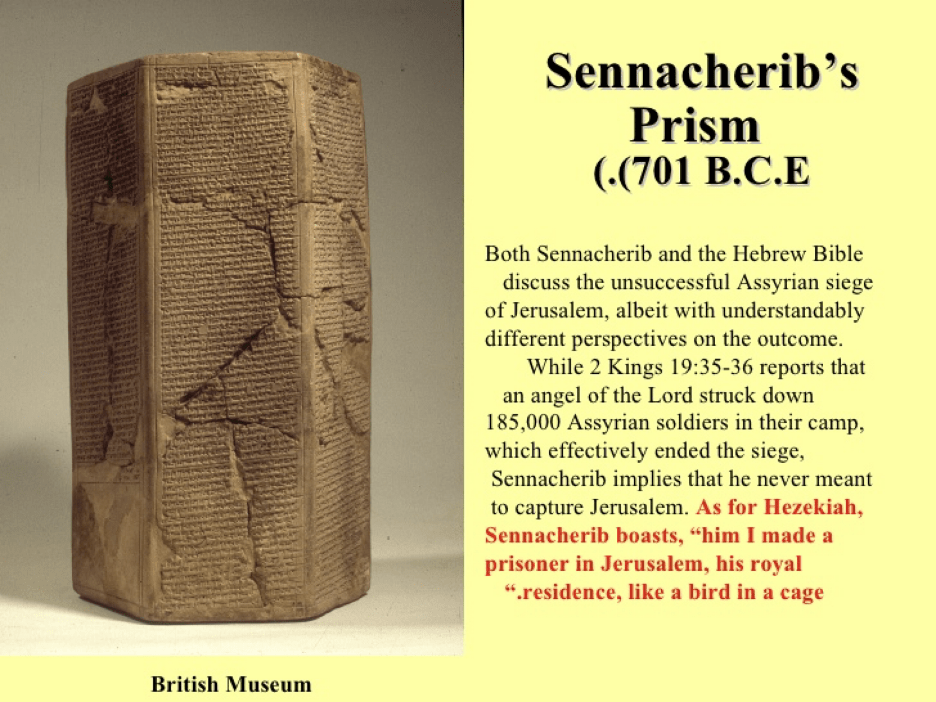
4) Grumbling: Korah’s rebellion. 10 Nor grumble, as some of them did, and were killed by the destroyer.” This incident would be Korah’s rebellion in Numbers 16 (not the incident with the 12 spies as some have suggested). Korah, a Levite, and 250 leaders of Israel complained about the power God had given Moses and Aaron (especially the high priesthood given to Aaron and his sons). Numbers 16:28 Then Moses said, “By this you shall know that the Lord has sent me to do all these deeds; for it is not my doing. 29 If these men die the death of all mankind, or if they suffer the fate of all mankind, then the Lord has not sent me. 30 But if the Lord brings about an entirely new thing and the ground opens its mouth and swallows them with everything that is theirs, and they descend alive into Sheol, then you will know that these men have been disrespectful to the Lord.” 31 And as he finished speaking all these words, the ground that was under them split open; 32 and the earth opened its mouth and swallowed them, their households, and all the people who belonged to Korah with all their possessions. 33 So they and all that belonged to them went down alive to Sheol; and the earth closed over them, and they perished from the midst of the assembly. 34 Then all Israel who were around them fled at their outcry, for they said, “The earth might swallow us!” 35 Fire also came out from the Lord and consumed the 250 men who were offering the incense.” But the grumbling mentioned in 1 Corinthians 10:10 occurred on the next day. Numbers 16:41 But on the next day all the congregation of the sons of Israel grumbled against Moses and Aaron, saying, “You are the ones who have caused the death of the Lord’s people (i.e. Korah, Dathan, Abiram and the 250 leaders)!” Because of their grumbling, God sent a plague among them. The plagued was only stopped when Aaron put incense from the table of incense in the tabernacle on his censer, making atonement for the people, and ran into the assembly, standing between the living and the dead. Numbers 16:49 But those who died by the plague were 14,700 in number, besides those who died on account of Korah. 50 Then Aaron returned to Moses at the entrance of the tent of meeting, for the plague had been brought to a halt.” “The destroyer” of 1 Corinthians 10:11 would be the “angel of death”, the “destroying angel”, called Shammael by the Jews. This would be the same “angel of death” that destroyed the 185,000 Assyrians who were sieging Jerusalem in Hezekiah’s reign. 2 Kings 19:35 Then it happened that night that the angel of the LORD went out and struck 185,000 in the camp of the Assyrians; and when the rest got up early in the morning, behold, all of the 185,000 were dead.”

The Warning. Paul then makes the application to the Corinthians. 1 Corinthians 10:11 Now these things happened to them as an example, and they were written for our instruction, upon whom the ends of the ages have come. 

Idolatry. Sexual immorality. Complaining. Grumbling. These were the sins that caused Israel to fall. The Corinthians were guilty of the same sins as the letter constantly points out. The example of the Israelites was “written” for instructing the Corinthians (and any readers of the Old Testament). Thank God for his written word. Romans 15:For whatever was written in earlier times was written for our instruction, so that through perseverance and the encouragement of the Scriptures we might have hope.” The warning: 1 Corinthians 10:12 Therefore let the one who thinks he stands watch out that he does not fall.

Apparently the Corinthians were an arrogant group who did not think they could fall from grace. From AI: Yes, the Corinthian church, as depicted in Paul’s letters, exhibited traits of arrogance and pride, which were significant problems for the church’s health and unity. 

Evidence of Arrogance in the Corinthian Church:

Disregard for the Cross:The Corinthian church was tempted to embrace worldly philosophies and values, diminishing the importance of Christ’s crucifixion. 

Spiritual Superiority and Boasting:Some Corinthians boasted about their spiritual gifts and knowledge, creating divisions and factions within the church. 

Disregard for Paul’s Authority:Some questioned or even denied Paul’s authority as an apostle, indicating a lack of humility and respect. 

Sexual Immorality:The Corinthians were known for their tolerance of sexual immorality, even exceeding the norms of the surrounding pagan culture, which Paul condemned as a sign of spiritual immaturity. 

Legalistic Disputes:The church members engaged in lawsuits against each other, demonstrating a lack of love and a reliance on worldly legal systems instead of resolving conflicts within the church. 

Misuse of the Lord’s Supper:The Corinthians were criticized for their disorderly and uncaring participation in the Lord’s Supper, turning a sacred act into a social event. 

Emphasis on Human Wisdom:Some in the Corinthian church were more interested in human wisdom and philosophy than in the simplicity of the Gospel message, which Paul saw as a sign of spiritual immaturity. 

Am I guilty of arrogance and pride, thinking that I can’t fall? From David Guzik: “Temptation works like rocks in a harbor; when the tide is low, everybody sees the danger and avoids it. But Satan’s strategy in temptation is to raise the tide, and to cover over the dangers of temptation. Then he likes to crash you upon the covered rocks.” We staying in Tamarindo in Costa Rica for a few days. Our beach was a very rocky beach like the one below. When the tide was in, the sea covered all the sharp lava rocks and it looked like you could swim safely in the water. When the tide was out, you could see the dangerous rocks that would have dashed you into pieces if you had swam when the tide was in, when it looked safe.”

The Encouragement. 1 Corinthians 10:13 No temptation has overtaken you except something common to mankind; and God is faithful, so He will not allow you to be tempted beyond what you are able, but with the temptation will provide the way of escape also, so that you will be able to endure it.

After reading the example of the Israelite sins, I’m thinking, “I do those sins all the time! How am I going to keep from falling?” We see the temptations others face, but we tend to think that our temptation is worse or unique. Nope. Others have experienced the same temptation. But this verse sounds like God will not let you ever face a temptation that we would succumb to. But He is not doing a good job if that is the case since I give in to temptation often! But the truth is that, with enough faith and trusting God’s wisdom, I could handle every temptation I face without sinning. Satan would use temptation to totally destroy our faith and get us to fall if he was allowed to. But, as with Job, God put limits on how much he could test Job with. Job handled the loss of everything he had, including his children, and the terrible boils all over his body and the pain. But maybe there was some temptation or test that Job simply could not handle. God would not let Satan use that test. So I think there could be a temptation that God knows that, even with faith and trusting God’s wisdom, I could not handle. For example, if my 3 children, their mates, Deborah’s mother and brother and sister, and all 10 grandchildren died in a house fire at a party while I was on my way home from school, I don’t know if I could handle that like Job did. That might be my breaking point. God knows the breaking point of each believer. Maybe that’s Jesus’ prayer: “Lead us not into temptation”.

God will provide a way of escape.From Guzik: ” Barclay says the word for a way of escape is really a mountain pass, with the idea of an army being surrounded by the enemy, and then suddenly seeing an escape route to safety. Like a mountain pass, the way of escape isn’t necessarily an easy way.” But one must be looking for the way of escape. Then he must choose to run to the way of escape instead of just staying in the midst of the temptation. From Guzik: “At a market, a little boy standing by some candy looked like he was going to put some in his pocket and walk out the door. A clerk watched the boy for a long time, and finally spoke to him. “Looks like you’re trying to take some candy,” the clerk said. The boy replied, “You’re wrong, mister. I’m trying not to.” For the time being, he was able to bear it.”

1 Corinthians 10:14 Therefore, my beloved, flee from idolatry.” This verse leads into a temptation that the Corinthians were facing over the eating of meats, the weak/strong brother issue. So I will save the. rest of the chapter for future blog. But the “therefore” tells us that the last warning is tied to vs 1-13 and the bad examples of Israel in the wilderness. Apparently idolatry was the worst of the sins he cited. Idolatry might be the worst of sins in the church today. I close with these verses from Paul in Ephesians 5:But sexual immorality or any impurity or greed must not even be mentioned among you, as is proper among saints; and there must be no filthiness or foolish talk, or vulgar joking, which are not fitting, but rather giving of thanks. For this you know with certainty, that no sexually immoral or impure or greedy person, which amounts to an idolater, has an inheritance in the kingdom of Christ and God.” Greed is idoltry b/c we end up worshipping the things we lust after.

DID JESUS DELAY HIS 2ND COMING AND ESTABLISHMENT OF HIS KINGDOM?

Jesus clearly predicted that his 2nd coming (coming back) would be within the lifetime of those he was speaking to and that some would still be alive at his 2nd coming (Mt 10:23; 16:27-28; 24:30-34; 26:64; Mark 8:38-9:1). See the article “Was Jesus a false prophet” for more discussion on that. If he did not return within their lifetime as predicted, then he is a false prophet (Deut 18:20-22). I believe he did just what he predicted and came back in judgment on the wicked Jews in 70 AD, killing 1 million Jews, destroying the temple and the city of Jerusalem. That was the “2nd coming” of Jesus, just as he predicted.

But those who say that he did not come back soon as he predicted must come us with an explanation as to why he did not. I think this would have started soon after 70 AD. If someone living in 70 AD did not understand that his 2nd coming was coming in judgment using the Romans in 70 AD, then that person would keep looking for his 2nd coming, thinking that it would still be soon just as Jesus predicted. That thinking might continue for, let’s say, another 25 years after 70 AD. But by the year 100 AD, it would be 70 years after Jesus made his imminent 2nd coming predictions, and that would be getting past that time that would be “within that generation that Jesus spoke to”. But maybe, they might say, give it a few more years. So in 120 AD, some are still looking for Jesus to come soon, but now it is 90 years after Jesus made his predictions and no longer “within that generation” and no one would still be alive to see his 2nd coming (Mark 8:38-9:1). Now Jesus’ credibility as a prophet starts to be called into question. But who is bold enough to say that Jesus was mistaken and that he is just another false prophet, which is what the unbelieving Jews and Muslims and atheists say about Jesus b/c he supposedly didn’t return soon like he predicted.

So another explanation is needed to make Jesus’ predictions not look like false predictions. So Maybe he did predict that would return soon, but he delayed that return because the Jews rejected him as the Messiah. Now we can’t ignore his predictions about the coming kingdom. He predicted that “the kingdom of heaven is at hand” (Mark 1:15). He predicted that some would still be alive to see him “coming in his kingdom” (Mark 9:1). That kingdom of God (or of heaven, the same) was the 5th kingdom in Daniel 2:44-45. Nebuchanezzar’s dream was a statue. Daniel said the statue was 4 kingdoms in succession: Babylon, Medo-Persia, Grecian, Rome. Daniel 2:44-45 God said that he would set up his kingdom, a 5th kingdom, in the days of the Roman Empire. Jesus, in 27 AD, said that 5th kingdom, God’s kingdom, was at hand which was indeed during the Roman Empire.

I include all that b/c the Jews expected the Messiah to set up a physical kingdom just like the kingdom of David with the Messiah exerting physical power over all the nations around them, including defeating the Romans. The Jews would have accepted Jesus as the Messiah if he did that, but he did not. Instead, he said: John 18:36 Jesus answered, “My kingdom is not of this world. If my kingdom were of this world, my servants would have been fighting, that I might not be delivered over to the Jews.” But was the kingdom at hand as he predicted, or is he a false prophet on that prediction also? Was that kingdom established soon after his prediction? Yes, but not a physical kingdom. Instead, he established the church, a spiritual kingdom. That spiritual kingdom was established in Acts 2 in 30 AD when Peter preached the first completed gospel sermon and 3,000 were baptized and added to the church, which is “the saved”.

Thus we can see why most all the Jews, except for a “remnant” rejected Jesus as the Messiah b/c they didn’t think he established a physical kingdom. Also, if his imminent 2nd coming was to establish an imminent kingdom, you can see why they did not believe that he did indeed come back soon as he predicted. They would say that if the 2nd coming was in 70 AD, then he would have established a physical kingdom in 70 AD, but he did not (according to them). Therefore, according to them, his 2nd coming could not have been in 70 AD.

Thus the nature of the kingdom that Jesus established is tied directly to his predictions of an imminent 2nd coming. So in the 2nd century, most would still expect Jesus to come back in that century, a delayed coming but still relatively soon (instead of let’s say 2,000 years later). But they would also still expect his return to establish a physical kingdom.

Back to the delayed idea. Since, according to them, he did not establish a physical kingdom in 70 AD, then his 2nd coming could not have been in 70 AD. He did predict an imminent 2nd coming and imminent kingdom to be established, but since the Jews rejected him he must have delayed both his imminent prediction of his coming and his kingdom. But did he? There are no scriptures where Jesus or the apostles said that. he delayed those predictions. As a matter of fact, Hebrews 10 destroys that ided. Hebrews 10:37 for yet a very very little, He who is coming will come, and will not tarry (delay)” That has to be referring to his 2nd coming. He wil not delay that coming. That destroys the “delayed coming” idea completely.

So, when did early Christians give up on the idea that Jesus was not coming back soon and that he wasn’t going to establish an earthly kingdom soon (as he predicted for both). Basically for 2,000 years many just tried to predict a date for the 2nd coming based on a variety of texts and world events.

180 AD, Montanism grew from the teaching of Montanus in Phrygia as a reaction against a growing laxity in the established church. Two women, Priscilla and Maximilla left their husbands to follow him. They desired to see the use of spiritual gifts to continue, emphasising tongues and prophecy. Initially they were accepted as part of the church and later considered as heretical.They expected the imminent end of the age and establishment of the millennium in Pepuza, a small village in Asia Minor.

180 AD. Around the time of Montanus at least two bishops, one in Pontus and one in Syria, were expecting the early return of Christ. One bishop in Pontus declared that the last judgement would come in two years and those who believe him ceased to cultivate their fields and rid themselves of houses and goods. The bishop in Syria led his flock into the wilderness to meet Christ. (Latourette p.128-129).

250 AD. Commodianus, who lived in Palestine, saw prophetic overtones to the persecution commanded by the emperor Decius (249-251). He listed seven persecutions that the church had suffered and likened them to the seven last plagues in the book of Revelation. The end of the world is at hand. Rome is the Antichrist, and this is the last persecution which represents the return of Nero. But Nero will be destroyed by a Jewish antichrist marching at the head of a Persian host. He in turn will be slain by angels and cast in to the lake of fire. The lost tribes will then return to Zion and God will come for judgement and to destroy the wicked. (Wand p.101).

500 AD. Both Hippolytus (c 170 – c 236) and Augustine (354 – 430) believed in the ‘Cosmic week’. Jesus had come in middle of sixth millennium, so they expected the end in AD 500.

1000 AD. An ancient chronicler tells us that it was widely believed that Jesus would return at the end of the first 1000 years of Christianity. As the last decade of the first millennium dawned, there was great apprehension and anticipation. With the birth of the year AD 999 certain amazing things began to happen. People began to listen to their church with whole-hearted seriousness. There was no stealing; cheating became almost unknown; bakers gave their bread away free of charge, and there was a constant cycle of confessions, absolutions, and communion.

1500 AD. Savonarola (1452-98) was a wandering prophet in Italy, predicting an imminent improvement on the earth before the final judgement. The social and political turmoil in Italy caused Savonarola to see the world as a battleground between good and evil. The last days were approaching with disaster for Florence and Italy, which would be averted if the people of Florence would repent. The coming antichrist would be defeated and the Turks and pagans would be converted. He saw Florence as Zion, the city of God, and himself as its prophet. He thought that Charles VIII of France was the last world emperor. He took control of Florence in 1494, before being defeated by the Medicis and being executed in 1498. (Kyle p.53).

1650 AD. Columbus’s motivation for exploration was partly religious. He wanted to sail west across the Atlantic Ocean in order to reach Asia directly. He did not know that America was in between. Inspired by the earlier crusades, his plan was to conquer Asia and take wealth from there to finance a crusade to the Middle East to capture the Holy Land from the Muslims, which he will lead himself. In order to persuade King Ferdinand and Queen Isabella of Spain to finance his fourth voyage to the ‘Indies’ he presented them with his ‘Book of Prophecies’. From the Bible, he had predicted that the world will end in 1650, and before then he would lead a crusade to liberate Jerusalem.

1666 AD. Many combined 1000 (the millennium) with 666 (the mark of the beast) to arrive at the date 1666. 1666 was the year of the plague followed by the Great Fire of London. The Quaker George Fox wrote that in 1666, every thunderstorm aroused end-time expectations (Kyle p.67-68).

1770 AD. In the late 1700s, the United Society of Believers in Christ’s Second Appearing also known as the Shakers, believed that the second coming of Christ would be through a woman. In 1770, Ann Lee became the leader of the Shakers and they believed she was revealed in “manifestation of Divine light” to be the second coming of Christ and was called Mother Ann.

1789 AD. Many English Bible interpreters thought that the French Revolution was the prophecies of Daniel chapter 7 and Revelation chapter 13 being fulfilled before their very eyes (Kyle p.72).

1843 or 1844 AD. William Miller (1782-1849) was a farmer from Western Massachusetts. After 14 years of intensive Bible study, he calculated the second coming in 1843 or early 1844. After it didn’t happen during that period, he re-calculated dates to 22nd October 1844. Many people were waiting in church on 22nd October, absolutely convinced that the Lord would appear during the service for all to see. His followers stayed together after the failed prediction and formed into the Seventh-Day Adventist Church. (Latourette p.1259) His calculations were quite elaborate, but his key was Daniel 8:14, the 2,300 days before the sanctuary will be cleansed. He said this described the second coming of Jesus, which would purge the world of evil and usher in the millennium. Miller took the 2,300 days to mean 2,300 years starting from 457 BC, when Ezra and 1,700 Jews returned to Jerusalem. This linked with the seventy weeks of years in Dan 9:24, so he counted back 490 years from AD 33 (the crucifixion) to arrive at 457 BC. Miller added 2,300 years to 457 BC to reach 1843. (Kyle p.89-93).

1874 AD (and several more). Charles Taze Russell (1852-1916), was the founder of the Jehovah’s Witnesses. He believed that Christ came in invisible form in 1874, and millennium had begun. (Latourette p. 1260). The Jehovah’s Witnesses are the most persistent date setters. The following years have been set by their leaders: 1874, 1878, 1881, 1910, 1914, 1918, 1925 and 1984 (Kyle p.93).

1890 AD. Joseph Smith of the Mormon church. In a revelation dated 2 April 1843, and published as scripture in Doctrine and Covenants 130:14–17, Smith states: “I was once praying very earnestly to know the time of the coming of the Son of Man, when I heard a voice repeat the following: Joseph, my son, if thou livest until thou art eighty-five years old, thou shalt see the face of the Son of Man; therefore let this suffice, and trouble me no more on this matter. I was left thus, without being able to decide whether this coming referred to the beginning of the millennium or to some previous appearing, or whether I should die and thus see his face. I believe the coming of the Son of Man will not be any sooner than that time”. Smith was born December, 1805, which would put that date at no earlier than 1890. 

1934 (and other dates) AD. Herbert W. Armstrong (Worldwide Church of God of Prophecy) had previously predicted[citation needed] in a 1934 edition of The Plain Truth magazine that Christ would return in 1936. After that prediction failed, he stated in a 1940 edition of The Plain Truth[citation needed] that “Christ will come after 3 1/2 years of tribulation in October 43.” After those failed predictions and loss of members he moved his operation from Oregon to Pasadena, California.

1988 AD. Hal Lindsey published a book, The Late Great Planet Earth, suggesting Christ would return in the 1980s, probably no later than 1988.


1988 AD. Whisenant wrote a book titled, ’88 reasons why the rapture will be in 1988′ which sold two million copies. He predicted the date of the rapture as being between the 11th and 13th September 1988. He reasoned that even though Jesus said that no one can know the day or the hour of his return, we can still know the month or the year. He even predicted the date of the beginning of World War III as 3rd October 1988.He later wrote another book titled ‘The Final Shout: Rapture Report 1989. What went wrong in 1988’, explaining errors in his calculations.

1994 AD. Harold Camping was the president of Family Radio in USA, predicted the world would end in September 1994. His book ‘1994?’, and its sequel ‘Are You Ready?’ used his own elaborate, rather unorthodox, system of dating, numerology and allegory pointing to the second coming being in September 1994. Even after the date, Camping still believed that Christ would return soon.

1999-2009 AD. Jerry Faldwell predicted the 2nd coming within these 10 years.

2020 AD. Jeane Dixon. The alleged psychic claimed that Armageddon would take place in 2020 and Jesus would return to defeat the unholy Trinity of the AntichristSatan and the False prophet between 2020 and 2037.[48]

Most of these dates (and many more not included here) came from Julian Spriggs. Some of the dates came from Wikipedia.

https://www.julianspriggs.co.uk/pages/SecondComingDates. Sources: Carl E Armerding and W Ward Gasque – Handbook of Biblical Prophecy (Armerding/Gasque)
Richard Kyle – The Last Days are Here Again (Kyle)
Latourette – The History of Christianity (Latourette)
J.W.C. Wand – A History of the Early Church to AD 500 (Wand)

Obviously all of these predictions, and many others, failed. They failed b/c the 2nd coming was in 70 AD and there are no Biblical predictions of another “coming” (a 3rd?) after 70 AD.

So how did the views about the kingdom of God change over the centuries. Jesus had said the kingdom was “at hand” and that it was spiritual, not physical but Christians kept looking for a physical kingdom of God to be set up on earth. Many important authors from the first to fifth centuries believed in the Kingdom of God as a new age that would begin when Christ came (a physical kingdom on earth). The idea of the Kingdom of God was replaced by the idea of heaven or hell at death. Augustine’s rejection of the Kingdom in favor of heaven-at-death settled the matter for the Roman Catholic Church. We would call this view “a-millennial” (no millennial). Basically the Catholic Church became the kingdom on earth, a greedy physical kingdom. Groups on the margins of the institutional Reformation churches expected the Kingdom of God to come imminently. These groups formed sects based on this expectation of a physical kingdom to be set up on earth. Some groups today expect Christians to usher in the Kingdom of God on earth.

Most expect Jesus’ reign on earth to be 1,000 years (based on Revelation 20:And I saw thrones, and they sat upon them, and judgment was given to them, and the souls of those who have been beheaded because of the testimony of Jesus, and because of the word of God, and who did not bow before the beast, nor his image, and did not receive the mark upon their forehead and upon their hand, and they did live and reign with Christ the thousand years.” Some believe that the 2nd coming will be before the millennium, thus premillennial. Others believe that the 2nd coming will be after the millennium, thus postmillennial. I believe the 1,000 years of Revelation 20:4 to be figurative, representing the 40 year period between 30 AD and 70 AD (the destruction of the temple and of the city Jerusalem). The end of the 1,000 years: Revelation 20:And when the thousand years may be finished, the Adversary shall be loosed out of his prison, and he shall go forth to lead the nations astray, that are in the four corners of the earth — Gog and Magog — to gather them together to war, of whom the number [is] as the sand of the sea; and they did go up over the breadth of the land, and did surround the camp of the saints, and the beloved city, and there came down fire from God out of the heaven, and devoured them.” This beloved city must be Jerusalem. All the events predicted in Revelation were to happen soon. Revelation 1:1 A revelation of Jesus Christ, that God gave to him, to shew to his servants what things it behoveth to come to pass quickly; and he did signify [it], having sent through his messenger to his servant John, who did testify the word of God, and the testimony of Jesus Christ, as many things also as he did see. Happy is he who is reading, and those hearing, the words of the prophecy, and keeping the things written in it — for the time is nigh (near). Revelation 22: And he said to me, `These words [are] stedfast and true, and the Lord God of the holy prophets did send His messenger to shew to His servants the things that it behoveth to come quickly. Lo, I come quickly; happy [is] he who is keeping the words of the prophecy of this scroll.’ 10 And he saith to me, `Thou mayest not seal the words of the prophecy of this scroll, because the time is nigh. 12 And lo, I come quickly, and my reward [is] with me, to render to each as his work shall be. 20 he saith — who is testifying these things — `Yes, I come quickly!’ Amen! Yes, be coming, Lord Jesus!” Thus, the surrounding of the beloved city (Jerusalem) by Gog and Magog (Rome) had to happen soon after the time of writing (63 AD). That could only be fulfilled when Rome sieged Jerusalem in 70 AD. The end of the 1,000 year millennium would be 70 AD. So the millennium would be the 40 years from 30-70 AD. There is no future millennial reign of Christ to be set up on earth, a physical kingdom.

As you can see, there are so many false theories and predictions that contradict Jesus’ prediction of an imminent 2nd coming and his prediction of a spiritual kingdom that was “at hand” even as he spoke. All the false predictions and expectations had simply caused confusion and frustration among believers for the past 2,000 years.

WAS JESUS A FALSE PROPHET?

First of all, who is Bart Ehrman. (AI) “Bart Ehrman is an American New Testament scholar who studies the historical Jesus, the origins of Christianity, and the New Testament’s textual criticism. He is a James A. Gray Distinguished Professor of Religious Studies at the University of North Carolina at Chapel Hill.”

According to Bart Ehrman, Jesus was a false prophet. ” Historical scholars for over a century have maintained that Jesus predicted that the end of history as we know it was to come in his own generation. Conservative Christians — laypeople and scholars alike — have insisted that this is a complete misportrayal of Jesus. And many people — possibly most? — believe that if Jesus really did preach this message, not only was he obviously wrong but also Christianity cannot possibly be true. A Jesus who was *demonstrably* mistaken about a central element of his preaching could not be a prophet of God, let alone the Savior of the world.” (Bart Ehrman Blog, May 1, 2023).

“But then God would intervene in an act of cosmic judgment in which he destroyed the forces of evil and set up a good kingdom here on earth, an actual physical kingdom ruled by his representative. This cataclysmic judgment would affect all people. Those who had sided with evil (and prospered as a result) would be destroyed, and those who had sided with God (and been persecuted and harmed as a result) would be rewarded.Moreover, this future judgment applied not only to the living but also to the dead. At the end of this age, God would raise everyone from the dead to face either eternal reward or eternal punishment. And so, no one should think they could side with the forces of evil, prosper, as a result, become rich, powerful, and influential, and then die and get away with it. No one could get away with it. God would raise everyone from the dead for judgment, and there was not a sweet thing anyone could do to stop him.And when would this happen? When would the judgment come? When would this new rule, the Kingdom of God, begin? “Truly I tell you, some of you standing here will not taste before you see the kingdom of God come in power.” The words of Jesus (Mark 9:1). Jesus was not talking about a kingdom you would enter when you died and went to heaven: he was referring to a kingdom here on earth, to be ruled by God. Or as he says later, when asked when the end of the age would come, “Truly I tell you, This generation will not pass away before all these things take place.”” (Bart Ehrman blog, April 2,2022).

Of course, the test for a false prophet is found in Deuteronomy: “When a prophet speaketh in the name of the LORD, if the thing follow not, nor come to pass, that is the thing which the LORD hath not spoken, but the prophet hath spoken it presumptuously….that prophet shall die” (Deuteronomy 18:22, 20). So, Bart Ehrman would be correct in saying that Jesus is a false prophet and certainly not the Savior of the world. Christianity would fall also since it is built on Jesus Christ.

The Quest for the Historical Jesus was written by Albert Schweitzer (Lutheran theologian, 1875-1965 AD). He believed that Jesus and his followers expected the world to end soon and that Jesus believed he was living at the end of time. Schweitzer’s book The Quest of the Historical Jesus summarizes his views on the subject: Schweitzer studied and cross-referenced many Bible verses that promised the Son of Man’s return. For example, he noted that Jesus told his disciples that the world would end before their generation passed. First-century Christian: Schweitzer believed that first-century Christians literally believed that Jesus’s promise would be fulfilled soon. Modern Christianity: Schweitzer believed that modern versions of Christianity ignore the urgency of Jesus’s message.

Schweitzer’s views on Jesus were different from those of his liberal contemporaries. He believed that Jesus was a heroic figure driven by an apocalyptic vision.” But, of course, Schweitzer believed that Jesus and the apostles were mistaken about their predictions of an imminent 2nd coming. Schweitzer would conclude that Jesus was a “heroic figure” but a false prophet nonetheless.

Schweitzer is technically correct when the says that “modern versions of Christianity ignore the urgency of Jesus’s message.” Allow me to explain why I say that.

Jesus only made 4 predictions about a “2nd coming” or “coming again”.

Matthew 10:23 `And whenever they may persecute you in this city, flee to the other, for verily I say to you, ye may not have completed the cities of Israel till the Son of Man may come.” This states that the “2nd coming” must occur within the generation of the apostles and their commission to preach the gospel to all of Israel and to the whole world.

Matthew 16:27 `For, the Son of Man is about to come in the glory of his Father, with his messengers, and then he will reward each, according to his work.” The Greek for “about to” is mello and it always means something about to happen or about to be in a certain place.” https://parousiafulfilled.com/mello-about-tohappen/index.php#:~:text=Clearly%20the%20authors%20of%20the,very%20SOON%E2%80%A6%20in%20their%20lifetime. Jesus clearly predicted that He was “about to come” back in judgment. BTW only Young’s LIteral Translation and a few others translate mello consistently as “about to”, including its usage in “end of time” eschatological passages like this one. Most translatations just translate it as “certainly will come” when it is used with eschatological passages although they translate it as “agout to” in non-eschatological passages. Why would they do that? Probably because the translators realize the implications if Jesus falsely predicted an imminent 2nd coming that did not happen soon.

Matthew 24:30 and then shall appear the sign of the Son of Man in the heaven; and then shall all the tribes of the earth smite the breast, and they shall see the Son of Man coming upon the clouds of the heaven, with power and much glory; 34 Verily I say to you, this generation may not pass away till all these may come to pass.” The Greek word for generation is genea and it always means a period of about 40 years or the people living in a period of about 40 years. Thayer explains it, giving Matthew 24:34 and Mark 13:30 as examples, “the whole multitude of men living at the time . . . used especially of the Jewish race living at one and the same period” (Joseph Henry Thayer, A Greek-English Lexicon of the New Testament, Grand Rapids, Mich.: Zondervan Publishing House, 1979, p. 112). G. Abbott-Smith writes that the Greek word genea means “race, stock, family,” but in the New Testament always “generation” (G. Abbott-Smith, Manual Greek Lexicon of the New Testament, 2nd ed., Edinburgh: T.&T. Clarke, 1923, p. 89). Arndt and Gingrich note that the term means “literally, those descended from a common ancestor,” but “basically, the sum total of those born at the same time, expanded to include all those living at a given time, generation, contemporaries” (W.F. Arndt and F.W. Gingrich, A Greek-English Lexicon of the New Testament and Other Early Christian Literature, Chicago: University of Chicago Press, 1957, p. 153). (From Thayer explains it, giving Matthew 24:34 and Mark 13:30 as examples, “the whole multitude of men living at the time . . . used especially of the Jewish race living at one and the same period“. From Jews for Judaism, which is not a Jewish Christian site. Here Jewish non Christians are saying that Jesus definitely predicted that his 2nd coming would be within the next 40 or so years and that Jesus was mistaken. It also says that any attempt to make the word generation mean simply “race” is wrong and goes against reputable Greek lexicons.

Mark 8: 38 for whoever may be ashamed of me, and of my words, in this adulterous and sinful generation, the Son of Man also shall be ashamed of him, when he may come in the glory of his Father, with the holy messengers.’ Mark 9:1  And he said to them, `Verily I say to you, That there are certain of those standing here, who may not taste of death till they see the reign of God having come in power.'” Jesus clearly predicted that some of those he was speaking to would still be alive when he came back (his “2nd coming”). If someone still wants to say that generation just means “race”, and that Jesus is only predicting that the Jewish race will still exist at his 2nd coming, this verse is a killer. It says that some would still be alive. Period. That is either true of Jesus is a false prophet.

Matthew 26:64 Jesus saith to him, `Thou hast said; nevertheless I say to you (i.e. Caiaphas the high priest), hereafter ye shall see the Son of Man sitting on the right hand of the power, and coming upon the clouds, of the heaven.'” We don’t know for sure how long Caiaphas lived, but I believe Jesus that he lived long enough to at least see the beginning of the events of the 2nd coming. Or else Jesus is a false prophet.

There are no other predictions (other than the parallel passages in Mark and Luke which read the same) from Jesus about his 2nd coming or the time of his 2nd coming. That’s it. Any doctrine about the 2nd coming must be taken from these passages. Period.

Schweitzer is right that “modern versions of Christianity ignore the urgency of Jesus’s message.” In other words, most Christians and Christian scholars simply read these predictions and ignore the fact that Jesus is clearly saying that his 2nd coming will be within the next 40 or so years. They might try to use the “generation” is “the Jewish race” but we see that isn’t the Greek meaning, and that doesn’t explain Mark 8:38-9:1 “some will still be alive”. Or they may say, “yes, Jesus predicted an imminent 2nd coming but postponed it due to his rejection by the Jews”. But Hebrews refutes that idea: Hebrews 10:35 Ye may not cast away, then, your boldness, which hath great recompense of reward, 36 for of patience ye have need, that the will of God having done, ye may receive the promise, 37 for yet a very very little, He who is coming will come, and will not tarry (chronizó: To delay, to tarry, to take time); 38 and `the righteous by faith shall live,’ and `if he may draw back, My soul hath no pleasure in him,’ 39 and we are not of those drawing back to destruction, but of those believing to a preserving of soul.”

Some might be so bold to say that “Jesus did predict an imminent 2nd coming but was “mistaken”. The classic on this is from C.S.Lewis who claimed that Mattew 10:23 and 24:34 were the most embarrassing verses in the Bible b/c Jesus was mistaken, thinking that his 2nd coming was imminent and within the generation of those he was speaking to. So, even though Lewis became a Christian, here is how he tried to explain Jesus’ mistaken beliefs: …” But there is worse to come. ‘Say what you like,’ we shall be told, ‘the apocalyptic beliefs of the first Christians have been proved to be false. It is clear from the New Testament that they all expected the Second Coming in their own lifetime. And, worse still, they had a reason, and one which you will find very embarrassing. Their Master had told them so. He shared, and indeed created, their delusion. He said in so many words, “this generation shall not pass till all these things be done.” And He was wrong. He clearly knew no more about the end of the world than anyone else.’

It is certainly the most embarrassing verse in the Bible. Yet how teasing, also, that within fourteen words of it should come the statement ‘But of that day and that hour knoweth no man, no, not the angels which are in heaven, neither the Son, but the Father.’ The one exhibition of error and the one confession of ignorance grow side by side. That they stood thus in the mouth of Jesus Himself, and were not merely placed thus by the reporter, we surely need not doubt. Unless the reporter were perfectly honest he would never have recorded the confession of ignorance at all; he could have had no motive for doing so except a desire to tell the whole truth. And unless later copyists were equally honest they would never have preserved the (apparently) mistaken prediction about ‘this generation’ after the passage of time had shown the (apparent) mistake. This passage (Mark 13:30–32) and the cry ‘Why hast thou forsaken me?’ (Mark 15:34) together make up the strongest proof that the New Testament is historically reliable. The evangelists have the first great characteristic of honest witnesses: they mention facts which are, at first sight, damaging to their main contention.

The facts, then, are these: that Jesus professed Himself (in some sense) ignorant, and within a moment showed that He really was so. To believe in the Incarnation, to believe that He is God, makes it hard to understand how He could be ignorant; but also makes it certain that, if He said He could be ignorant, then ignorant He could really be. For a God who can be ignorant is less baffling than a God who falsely professes ignorance. The answer of theologians is that the God-Man was omniscient as God, and ignorant as Man. This, no doubt, is true, though it cannot be imagined. Nor indeed can the unconsciousness of Christ in sleep be imagined, nor the twilight of reason in His infancy; still less His merely organic life in His mother’s womb. But the physical sciences, no less than theology, propose for our belief much that cannot be imagined.”

Wow! Lewis says that Jesus was mistaken in his belief in an imminent 2nd coming, but that’s okay b/c he then said that Jesus admitted his ignorance since “no man, not even the Son, knew the exact day of his 2nd coming. That is not an acceptable explanation! Jesus did not say that he “might be coming back soon”. He said that he was coming back soon. The test for a false prophet is Deuteronomy 18:“When a prophet speaketh in the name of the LORD, if the thing follow not, nor come to pass, that is the thing which the LORD hath not spoken, but the prophet hath spoken it presumptuously….that prophet shall die” Jesus would be a false prophet to be stoned to death if his prediction did not come true. Period. William Miller predicted that Jesus was coming back on March 23, 1843 and it didn’t happen. He will go down in history as a false prophet. Why would our assessmenet of Jesus be any different? Jesus added that he did not know the exact day, but that doesn’t take away his prediction about the 2nd coming to happen within that generation whild some were still alive. Jesus gave signs to look for the 2nd coming, but he never gave the exact date of it. If he gave the exact date, most would wait till that day to repent! I’m glad C.S.Lewis became a Christian in spite of his questioning of Jesus’ predictions, but he was wrong, and any atheist, Muslim, Jew, or agnostic can see the fallacy of his reasoning.

So, Jesus predicted he would come back (his 2nd coming) within that generation (Matthew 24:30,34)that he was speaking to (within the next 40 years or so), while some listening to him were still alive (Mark 9;1). Well did he? Yes. He came in judgment on the wicked Jewish nation in 70 AD when He sent the Romans to destroy the temple and the city of Jerusalem, which they did under Titus.

That coming is described with a lot of figurative language similar to judgments on nations in the Old Testament. For example, Matthew 24:29 “But immediately after the tribulation of those days the sun will be darkened, and the moon will not give its light, and the stars will fall from the sky, and the powers of the heavens will be shaken. 30 And then the sign of the Son of Man will appear in the sky, and then all the tribes of the earth will mourn, and they will see the Son of Man coming on the clouds of the sky with power and great glory.” That had to occur within that generation (24:30), within the next 40 years or so. But did the “stars fall from the sky” withiin the next 40 years? Not literally. But Isaiah 13 predicted the fall of Babylon, which happened in 539 BC, using similar language. Isaiah 19:10 For the stars of heaven and their constellations Will not flash their light; The sun will be dark when it rises And the moon will not shed its light.” Did the stars quit shining (there are billions of stars) when that predicttion was fulfilled? No. That is tyypical apocalyptic figurative language, a way of saying a big catastrophic event was going to occur, a change in the way things were governed on earth. Isaiah 34:4 is another example: “For the stars of heaven and their constellations Will not flash their light; The sun will be dark when it rises And the moon will not shed its light.” This again was a judgment on nations back in Isaiah’s time. So the stars did not have to fall in 70 AD for Matthew 24:30-34 to be fulfilled in 70 AD.

I hope this challenges you to study this topic if you haven’t already done so. Too many Christians just ignore the seriousness of this topic. We must defend Jesus as a true prophet. The alternative is that he was just another false prophet and our faith in Christianity is void and He is not the Savior of the world.


2 TIMOTHY 4: THE LAST DAYS; PREACH THE WORD; PAUL IS ABOUT TO DIE

2 Timothy 4:1  I do fully testify, then, before God, and the Lord Jesus Christ, who is about to judge living and dead at his manifestation and his reign —preach the word; be earnest in season, out of season, convict, rebuke, exhort, in all long-suffering and teaching, for there shall be a season when the sound teaching they will not suffer, but according to their own desires to themselves they shall heap up teachers — itching in the hearing, and indeed, from the truth the hearing they shall turn away, and to the fables they shall be turned aside. And thou — watch in all things; suffer evil; do the work of one proclaiming good news; of thy ministration make full assurance,

Another one of those “full preterism” verses in 4:1. Jesus is “about to” (mello, always means about to happen or about to be at a place). https://parousiafulfilled.com/mello-about-to-happen/index.php#:~:text=So%2C%20whenever%20something%20was%20%E2%80%9Cabout,(Matt%2017%3A12). For example For example, when Jesus prophesied his coming crucifixion, he told his disciples that the Son of Man “is about to” [Gk: μέλλει : mellei] suffer at the hands of certain men (Matt 17:12). Matthew 3:7 – But when he saw many of the Pharisees and Sadducees coming to his baptism, he said to them, “You brood of vipers! Who warned you to flee from the wrath to [Gk: μελλούσης : mellouses : which is about to] come (i.e. the judgment on the Jews in 70 AD). But mello is used in several eschatological passages like 2 Timothy 4:1 (a judgment of the living and the dead passage at his manifestation (epiphaneia: Appearing, Manifestation; used in 2 Thess 2:8 NAS: and bring to an end by the appearance of His coming) so this is a 2nd coming judgment passage. Matthew 16:27 – the Son of Man is going to i [Gk: μέλλει : mellei : is about to] come with his angels in the glory of his Father, and then he will repay each person according to what he has done.Acts 17:31 – because he has fixed a day on which he will i [Gk: μέλλει : mellei : is about to] judge the world in righteousness by a man whom he has appointed; and of this he has given assurance to all by raising him from the dead.”Check the site just given for more uses. Luke 21:36 – But stay awake at all times, praying that you may have strength to escape all these things that are going to i [Gk: μέλλοντα : mellonta : are about to] take place, and to stand before the Son of Man.” Luke 21 is all about the end of the age in 70 AD and the destruction of the city and the temple in 70 AD, so the use of mello in 21:36 makes sense. Revelation 1:19 YLT – Write the things that thou hast seen, and the things that are, and the things that are about to [Gk: μέλλει : mellei : is (are) about to] iii ) come after these things.” Revelation was written in about 63 AD about things “shortly to take place” (Rev 1:1-3), so mello makes sense here also.

Preach (kérussó: To proclaim, to preach, to herald) the word. The verb κηρύσσω (kérussó) is used in the New Testament to describe the act of proclaiming or announcing a message publicly. It often refers to the preaching of the Gospel. That is something an “evangelist” like Titus would do, to preach the gospel (good news) message to sinners. We call our sermons “preaching”, but technically our sermons are just teaching (occasionally preaching the gospel good news of the death, burial, and resurrection of Jesus and how to be saved), but not preaching. Semantics I guess. I’m sure Titus preached the basic gospel message to unconverted sinners everywhere he could. There would be a season when people will not listen to sound (hugiainó: To be sound, to be healthy, to be well; the word we get “hygiene” from) teaching. They will have “itching ears” and will “heap up teachers” that will scratch their itching ears. (AI) “In the Greco-Roman world, rhetoric and philosophy were highly valued, and speakers often tailored their messages to please their audiences. This cultural context helps illuminate the metaphorical use of “knéthó” in the New Testament, where it warns against the tendency to seek out teachings that align with personal desires rather than divine truth.”

The number of false prophets and false teachers is amazing. Marshall Applewhite of Heaven’s Gate cult; Jim Jones of People’s Temple (Guyanaa tragedy). David Karesh of Branch Davidians cult. Charles Manson and the Manson Family. David Berg of the Children of God cult. Bhagwan Shree Rajneesh and the Rajneeshpuram,cult. Here is a site that discusses each of these false prophets and cults. https://www.teenvogue.com/story/most-famous-cults-history These are just a few of the many! Add Joseph Smith of the Mormons. Ellen G. White of the 7th Day Adventists. Rutherford and Russell of the Jehovah’s Witnesses. Mary Baker Eddy of the Christian Science. L Ron Hubbard and Scientology. Warren Jeffs of the Fundamentalist Church of Jesus Christ of Latter Day Saints. That list doesn’t include the many, many false prophets who falsely predicted dates for the 2nd coming.

But what is amazing to me is why so many people can be drawn to these false prophets. These false prophets and cult leaders obviously had charismatic appeal to people. But what was it that caused so many to be drawn to Joseph Smith and his Book of Mormon. Or to Marshall Applewhite and to Jim Jones, joining in mass suicide. (AI) “Cults prey upon the vulnerable among us, such as teenage runaways, drug addicts, abuse survivors, those who have lost someone close to them through death or a breakup, those suffering from insecurity or mental health issues, or anyone who feels disconnected from society.” But many are just well meaning people who like the personality and teachings of some preacher. Surprisingly the majority of those drawn to cults have higher education. Most have less religious and spiritual upbringing. Again it just amazes me that so many people would fall into the false teaching of cults and cult leaders. I’m not sure what the “fables” in 4:4 are that the false teachers are teaching, but the fables of the Book of Mormon would to me be a prime example. There are 17 million Mormons worldwide.

Next Paul turns to his expected imminent death. 2 Timothy 4:For I am already being poured out as a drink offering (spendó: To pour out as a drink offering, to make a libation, and the time of my departure has come. I have fought the good fight, I have finished the course, I have kept the faith; in the future there is reserved for me the crown of righteousness, which the Lord, the righteous Judge, will award to me on that day; and not only to me, but also to all who have loved His appearing.” The Law had drink offerings (Exodus 29:40), libations poured out in worship to God. His death would be like that. The Christian life is a constant battle against sin and evil. Paul fought the good fight. It is a race filled with obstacles and difficulties. Paul finished the course. It is life filled with doubt and bad things that challenge your faith in God. Paul kept the faith. He would get his crown stephanos: Crown). (AI) “In the New Testament, “stephanos” primarily refers to a crown or wreath, symbolizing victory, honor, or reward. Unlike a royal diadem, which signifies sovereignty, a “stephanos” is often associated with the wreath awarded to victors in athletic contests or given as a mark of honor and celebration. It is used metaphorically to describe the eternal rewards and honors bestowed upon believers by God.”

Next is Paul’s personal concerns. Remember that this is last winter, spent in a Roman dungeon. He wants Timothy to come to him in prison soon,, before he dies. He is sending Tychicus to Ephesus, probably with this 2 Timothy letter, to relieve Timothy in his work there so that Timothy can come see Paul in prison. He is cold and wants his overcoat he left in Troas. He feels deserted by many. He is lonely, having only Luke with him at the time he wrote. We wonder why he left his books and parchments in Troas, but he wants Timothy to bring them. We are happy to see that Paul says that Maark is useful him for service. We assume that is John Mark who deserted Paul and Barnabas on the 1st missionary journey. That caused a big argument between Paul and Barnabas over whether to take Mark with them on the 2nd journey as Paul refused to take him. Paul and Barnabas split up after that, with Paul taking Silas on his 2nd journey and Barnabas taking John Mark with him on a journey somewhere. In his hour of need, Demas deserted Paul, having loved this present world. Maybe that means that Demas was afraid to stick around with Paul in prison for fear that he also might end up in prison. He was deserted by all at his first defense (possibly a trial during his 2nd imprisonment in Rome). Can we even fathom how Paul felt in his last few months in a cold dungeon in Rome? If you were writing your last letter before you died, who would you write to and what would you say?

Paul did not expect to get out of prison this time like he did after house arrest in Acts 28. He expected to be released from the 2 year house arrest of Acts 28. He wrote Philippians during that 2 year house arrest, his 1st imprisonment, and wrote Philippians 1:21 For to me to live is Christ, and to die is gain. 22 If I am to live in the flesh, that means fruitful labor for me. Yet which I shall choose I cannot tell. 23 I am hard pressed between the two. My desire is to depart and be with Christ, for that is far better. 24 But to remain in the flesh is more necessary on your account. 25 Convinced of this, I know that I will remain and continue with you all, for your progress and joy in the faith, 26 so that in me you may have ample cause to glory in Christ Jesus, because of my coming to you again.” Not so this time in his 2nd imprisonment. But even if he died in prison this time he expected to be brought safely into the heavenly kingdom (i.e. wherever eternal life is).

2 Timothy 4: Make every effort to come to me soon; 10 for Demas, having loved this present world, has deserted me and gone to Thessalonica; Crescens has gone to Galatia, Titus to Dalmatia. 11 Only Luke is with me. Take along Mark and bring him with you, for he is useful to me for service. 12 But I have sent Tychicus to Ephesus. 13 When you come, bring the overcoat which I left at Troas with Carpus, and the books, especially the parchments. 14 Alexander the coppersmith did me great harm; the Lord will repay him according to his deeds. 15 Be on guard against him yourself too, for he vigorously opposed our teaching.

16 At my first defense no one supported me, but all deserted me; may it not be counted against them. 17 But the Lord stood with me and strengthened me, so that through me the proclamation might be fully accomplished, and that all the Gentiles might hear; and I was rescued out of the lion’s mouth. 18 The Lord will rescue me from every evil deed, and will bring me safely to His heavenly kingdom; to Him be the glory forever and ever. Amen.

A reminder of Paul’s possible 4th journey after he was released from 2 years in house arrest in Rome (Acts 28). Notice Troas which is where he left his overcoat, books, and parchments. He left Titus in Crete and Timothy in Ephesus. He went through Troas where he left his overcoat and books and parchment. He planned to spend the winter in Nicopolis (Titus 3:12 When I send Artemas or Tychicus to you, do your best to come to me at Nicopolis, for I have decided to spend the winter there) and apparently did not make it there before being arrested and carried to Rome for his last winter during which he wrote 2 Timothy. He would have written the letter to Titus and the 1st letter to Timothy probably from Macedonia on his way to Nicolopis.

If you just had to try to read Paul mind as he is about to die, what do you think were his main concerns? 1 Timothy had a lot of instructions for Timothy to teach to the church about elders, deacons, roles of men and women members, widows, and false teachers. But 2 Timothy is more about instructions to Timothy to not be ashamed of Paul in prison, to be strong, to peach the word and rebuke false teachers. It is more personal as Paul mentioned Timothy’s mother and grandmother. He is very concerned about Timothy carrying on the work.

That concludes the study of 2 Timothy. Hope you enjoyed it.

2 TIMOTHY 3

2 Timothy 3: 1 But realize this, that in the last days difficult times will come. For people will be lovers of self, lovers of money, boastful, arrogant, slanderers, disobedient to parents, ungrateful, unholy, unloving, irreconcilable, malicious gossips, without self-control, brutal, haters of good, treacherous, reckless, conceited, lovers of pleasure rather than lovers of God, holding to a form of godliness although they have denied its power; avoid such people as these. For among them are those who slip into households and captivate weak women weighed down with sins, led on by various impulses, always learning and never able to come to the knowledge of the truth. Just as Jannes and Jambres opposed Moses, so these men also oppose the truth, men of depraved mind, worthless in regard to the faith. But they will not make further progress; for their foolishness will be obvious to all, just as was that also of Jannes and Jambres.

More verses on the last days. 2 Peter 3:3-4 ESV Knowing this first of all, that scoffers will come in the last days with scoffing, following their own sinful desires. They will say, “Where is the promise of his coming? For ever since the fathers fell asleep, all things are continuing as they were from the beginning of creation.” 1 Timothy 4:1 ESV Now the Spirit expressly says that in later times some will depart from the faith by devoting themselves to deceitful spirits and teachings of demons,” Hebrews 1:2 ESV But in these last days he has spoken to us by his Son, whom he appointed the heir of all things, through whom also he created the world.” Micah 4:1 ESV It shall come to pass in the latter days that the mountain of the house of the Lord shall be established as the highest of the mountains, and it shall be lifted up above the hills; and peoples shall flow to it.” Hosea 3:5 ESV Afterward the children of Israel shall return and seek the Lord their God, and David their king, and they shall come in fear to the Lord and to his goodness in the latter days.” Isaiah 2:2 ESV It shall come to pass in the latter days that the mountain of the house of the Lord shall be established as the highest of the mountains, and shall be lifted up above the hills; and all the nations shall flow to it.” Daniel 10:14 ESV And came to make you understand what is to happen to your people in the latter days. For the vision is for days yet to come.” 1 Peter 1:20 ESV He was foreknown before the foundation of the world but was made manifest in the last times for the sake of you.” Jude 1:18 ESV They said to you, “In the last time there will be scoffers, following their own ungodly passions.” Jeremiah 30:24; 23:20  ESV The fierce anger of the Lord will not turn back until he has executed and accomplished the intentions of his mind. In the latter days you will understand this.” 1 Corinthians 10:11 ESV Now these things happened to them as an example, but they were written down for our instruction, on whom the end of the ages has come.” Ezekiel 38:After many days you will be mustered. In the latter years you will go against the land that is restored from war 16 You will come up against my people Israel, like a cloud covering the land. In the latter days I will bring you against my land, that the nations may know me, when through you, O Gog, I vindicate my holiness before their eyes.” Daniel 2:28 But there is a God in heaven who reveals secrets, and He has made known to King Nebuchadnezzar what will be in the latter days. Your dream, and the visions of your head upon your bed, were these.”

My church taught that the “last days” was the Christian Age that started in 30 AD in Acts 2 and is still going. I believe the phrase refers to the last days of the Jewish Age, the period from 30-70 AD. In 70 AD In 70 AD the temple and city of Jerusalem were destroyed. Hebrews 8:13 When He said, “A new covenant (Jeremiah 31:31-34),” He has made the first obsolete. But whatever is becoming obsolete and growing old is about to disappear.” That was written in about 60 AD. Some say the old covenant ended in 30 AD, but this verse clearly says that the old covenant did not disappear till shortly after 60 AD, which would fit 70 AD as the date it disappeared. So we start to see that it makes more sense that the last days are the last days of the Jewish Age, ending in 70 AD.

The passage that really shows that is Acts 2:17 ‘And it shall be in the last days,’ God says, ‘That I will pour out My Spirit on all mankind; And your sons and your daughters will prophesy, And your young men will see visions, And your old men will have dreams; 18 And even on My male and female servants I will pour out My Spirit in those days, And they will prophesy. 19 And I will display wonders in the sky above And signs on the earth below, Blood, fire, and vapor of smoke. 20 The sun will be turned into darkness And the moon into blood, Before the great and glorious day of the Lord comes. 21 And it shall be that everyone who calls on the name of the Lord will be saved.’” Peter was quoting Joel 2:28-32.

The “great and terrible day of the Lord” was predicted by Malachi 4:“Behold, I am going to send you Elijah the prophet before the coming of the great and terrible day of the Lord.” Of course, the coming of Elijah was fulfilled figuratively in John the Baptist. Matthew 11:14 And if you are willing to accept it, John himself is Elijah who was to come.” 17:10 And His disciples asked Him, “Why then do the scribes say that Elijah must come first?” 11 And He answered and said, “Elijah is coming and will restore all things; 12 but I say to you that Elijah already came, and they did not recognize him, but did [d]to him whatever they wanted. So also the Son of Man is going to suffer at their hands.” 13 Then the disciples understood that He had spoken to them about John the Baptist.” That great and terrible day of the Lord would be when Jesus came in judgment on the evil Jewish nation, using the Romans, in 70 AD, killing a million Jews in the siege and destruction of Jerusalem. That would be his 2nd coming. A lot of people say that the last days were the days between the 1st and 2nd coming, which is correct. They just think the 2nd coming has not happened yet. If you understand that the 2nd coming happened in 70 AD, then the last days were the days between the 1st and 2nd coming. See my blog articles on the “2nd coming” if what I just wrote sounds heretical! That imminent judgment day on the Jews in 70 AD is why Peter would cap off his sermon with a warning: Acts 2:40 And with many other words he solemnly testified and kept on urging them, saying, “Be saved from this perverse generation!” It was that generation of evil Jews that would be judged. Matthew 23: 34 “Therefore, behold, I am sending you prophets and wise men and scribes; some of them you will kill and crucify, and some of them you will flog in your synagogues, and persecute from city to city, 35 so that upon you will fall the guilt of all the righteous blood shed on earth, from the blood of righteous Abel to the blood of Zechariah, the son of Berechiah, whom you murdered between the temple and the altar. 36 Truly I say to you, all these things will come upon this generation.”

I think that establishes that the last days were the last days of the Jewish Age from 30 to 70 AD. We are not living in the “last days” today as many would have you believe. The apostles believed that they were living in the last days, and it doesn’t make sense that the last days would last going on 2,000 years now. During those last days the miraculous gifts of the Holy Spirit would be poured out on “mankind”. Of course, that would mean that it was available to all mankind b/c the only way the miraculous gift of the Holy Spirit was given was by the laying on of the apostles’ hands. In the OT only a few received the miraculous power of the Holy Spirit (prophets mainly and Moses and the 70 men), but in the early church the miraculous would be given to all believers, men and women, servants and masters, as long as the apostles laid their hands on them. In Acts 8 the Samaritans were baptized but Acts 8:14 Now when the apostles in Jerusalem heard that Samaria had received the word of God, they sent them Peter and John, 15 who came down and prayed for them that they would receive the Holy Spirit. 16 (For He had not yet fallen upon any of them; they had simply been baptized in the name of the Lord Jesus.) 17 Then they began laying their hands on them, and they were receiving the Holy Spirit.” Paul laid his hands on the 12 men in Acts 19:1 Now it happened that while Apollos was in Corinth, Paul passed through the upper country and came to Ephesus, and found some disciples. He said to them, “Did you receive the Holy Spirit when you believed?” And they said to him, “On the contrary, we have not even heard if there is a Holy Spirit.” And he said, “Into what then were you baptized?” And they said, “Into John’s baptism.” Paul said, “John baptized with a baptism of repentance, telling the people to believe in Him who was coming after him, that is, in Jesus.” When they heard this, they were baptized in the name of the Lord Jesus. And when Paul had laid hands upon them, the Holy Spirit came on them and they began speaking with tongues and prophesying. There were about twelve men in all.” They received the miraculous indwelling of the Holy Spirit. The only exception to this practice was when God directly poured the Holy Spirit, the miraculous, on Cornelius to show the Jewish brethren and Peter that the Gentiles could be saved just s they were. Also God poured out the miraculous on Saul when Ananias came that Saul might be filled with the Holy Spirit (Acts 9). Ananias was not an apostle so I assume God just gave Saul the Spirit.

It would make sense that, since the miraculous gift of the Holy Spirit was given by the laying on of the apostles’. hands that the gifts would cease as they died off. Peter says in Acts 2 that the miraculous would be poured out during the last days from 30-70 AD, so that fits perfectly. Plus it is obvious that the miracles of those last days are not being done today.

As I said, my church taught that the last days was the Christian Age that started on 30 AD and is still going today until the 2nd coming. That’s a real problem since my church is mostly cessationist (i.e. the miracles ceased in the first century). According to Joel 2 and Acts 2, the miraculous would be poured out in the last days. If we are still in the last days, then the miraculous should still be abundant today, the same miraculous gifts found in the early church (1 Corinthians 12-14). But my church doesn’t believe they do exist today. The charismatics who believe in the miraculous today see that inconsistent interpretation and scoff at us. A correct understanding of the last days eliminates this problem.

That’s a long way to get back to 2 Timothy 3:1 but I thought it was a good place to basically do a study of the “last days” in the Bible. So Paul is saying that in the last days from 30-70 AD that all these sins would be rampant. There would be a falling away, an apostasy before 70 AD. Jesus predicted that: Matthew 24:“Then they will hand you over to tribulation and kill you, and you will be hated by all nations because of My name. 10 And at that time (i.e. the time of the end in 70 AD) many will fall away, and they will betray one another and hate one another. 11 And many false prophets will rise up and mislead many people. 12 And because lawlessness is increased, most people’s love will become cold. 13 But the one who endures to the end is the one who will be saved. 14 This gospel of the kingdom shall be preached in the whole world as a testimony to all the nations, and then the end will come.” All that had to happen within that generation of Jews: Matthew 24:34 Truly I say to you, this generation will not pass away until all these things take place.” Also 1 Timothy 4:1 But the Spirit explicitly says that in later times some will fall away from the faith, paying attention to deceitful spirits and teachings of demons.” Paul spoke of this in 2 Thessalonians 2:1Now we ask you, brothers and sisters, regarding the coming of our Lord Jesus Christ and our gathering together to Him, that you not be quickly shaken from your composure or be disturbed either by a spirit, or a message, or a letter as if from us, to the effect that the day of the Lord has come. No one is to deceive you in any way! For it will not come unless the apostasy comes first, and the man of lawlessness is revealed, the son of destruction, who opposes and exalts himself above every so-called god or object of worship, so that he takes his seat in the temple of God, displaying himself as being God.” That “apostasy” could be the rebellion of the Jews against the Romans in the years before 70 AD that led to the destruction of the temple and city, or it could be an apostasy of believers (as Jesus predicted) who don’t endure in the face of persecution from the Jews and Romans.

As Jesus predicted in Matthew 24:9-12, this apostasy and falling away of believers would be led by false teachers who “slip into households and captivate weak women who are led on by various impulses”. They would “oppose the truth” just as the magicians, Jannes and Jambres, did when Moses came to Pharoah. Their names are not mentioned in Exodus, but they are here.

Then on a personal note to Timothy: 2 Timothy 2:10 Now you followed my teaching, conduct, purpose, faith, patience, love, perseverance, 11 persecutions, and sufferings, such as happened to me at Antioch, at Iconium, and at Lystra; what persecutions I endured, and out of them all the Lord rescued me! 12 Indeed, all who want to live in a godly way in Christ Jesus will be persecuted. 13 But evil people and impostors will proceed from bad to worse, deceiving and being deceived.” Paul commends Timothy. Paul makes an interesting observation: All who want to live godly in Jesus will be persecuted”. That has been the general rule for the 2,000 years of church and Christian history. Martyrdom and persecution of believers has been the rule not the exception. The church was its strongest in the first 3 centuries before Constantine legalized Christianity. It got weaker when it became fashionable to become a Christian. Millions of Christians are still being persecuted for their faith in India, North Korea, Muslim countries, Iran, China, and many other places. The lack of persecution of the church in the U.S. has made the church weaker actually.

Paul closes with one of my favorite passages on the inspiration of the Scriptures. 2 Timothy 3:You, however, continue in the things you have learned and become convinced of, knowing from whom you have learned them15 and that from childhood you have known the sacred writings which are able to give you the wisdom that leads to salvation through faith which is in Christ Jesus. 16 All Scripture (graphé: Scripture, writing) is inspired (theopneustos: God-breathed, inspired by God) by God and beneficial for teaching, for rebuke, for correction, for training in righteousness; 17 so that the man or woman of God may be fully capable, equipped for every good work.” This is the only one occurrence of this Greek word theopneustos, but the idea of “inspiration” of Scripture is found elsewhere. 2 Peter 1:20 But know this first of all, that no prophecy of Scripture becomes a matter of someone’s own interpretation, 21 for no prophecy was ever made by an act of human will, but men moved by the Holy Spirit spoke from God.” “Men moved by the Holy Spirit to speak and write God’s word.” 1 Corinthians 2:10 For to us God revealed them through the Spirit; for the Spirit searches all things, even the depths of God. 11 For who among people knows the thoughts of a person except the spirit of the person that is in him? So also the thoughts of God no one knows, except the Spirit of God. 12 Now we have not received the spirit of the world, but the Spirit who is from God, so that we may know the things freely given to us by God. 13 We also speak these things, not in words taught by human wisdom, but in those taught by the Spirit, combining spiritual thoughts with spiritual words.” Notice that inspiration was in words. The Holy Spirit somehow allowed the inspired writers and speakers to use their own vocabulary and thoughts but guided their thoughts and words so as to give the actual word of God, without errors (infallible). The apostles were promised this inspiration of the Holy Spirit: John 16: 13 But when He, the Spirit of truth, comes, He will guide you into all the truth; for He will not speak on His own, but whatever He hears, He will speak; and He will disclose to you what is to come.” So the Scriptures are verbal (in error free words) plenary (full truth, not just parts of the Bible but all of the Bible) inspiration (God breathed words by the Holy Spirit). Of course, only the original writings of the NT writers were error free. The copies and translations are not. However, a study of the transmission of the original writings will show that we have very, very accurate copies and translations even though we don’t have the originals We have over 5,000 partial or full manuscripts to use in making translations today.

This is AI and long but I think it is worth including:

The rejection of the inspiration of scriptures, often called biblical criticism or skepticism, stems from various viewpoints that challenge the traditional understanding of the Bible’s divine origin and authority. 

Reasons for Rejection:

  • Historical and Literary Criticism:Some scholars argue that the Bible is a product of human authorship influenced by the historical and cultural contexts of its time, questioning its divine inspiration or inerrancy. 
  • Scientific and Archaeological Discoveries:Some findings in science and archaeology have been interpreted as contradicting or challenging biblical accounts, leading some to question the Bible’s accuracy or reliability. 
  • Moral and Ethical Concerns:Critics point to passages in the Bible that they consider morally problematic, such as violence, slavery, and discrimination, questioning its divine origin or relevance for modern society. 
  • Internal Contradictions and Inconsistencies:Some argue that the Bible contains internal contradictions, inconsistencies, or errors that challenge its claim to be divinely inspired. 
  • Humanist Perspective:Humanists, who emphasize human reason and experience, often reject the Bible’s claim to be divinely inspired, considering it a product of human culture and history. 

Consequences of Rejection:

  • Loss of Authority:Rejecting biblical inspiration can lead to questioning the Bible’s authority as a source of moral guidance and religious truth. 
  • Doubt and Uncertainty:Rejection of the Bible’s divine origin can create doubt and uncertainty about religious beliefs and practices. 
  • Shifting Perspectives:Rejecting the Bible’s inspiration can lead to alternative interpretations of religious texts, emphasizing human agency and reason over divine revelation. 
  • Conflict and Debate:The rejection of biblical inspiration can lead to conflict and debate between those who believe in the Bible’s divine origin and those who do not. 

Different Approaches to Biblical Interpretation:

  • Literal Interpretation:Some believe the Bible should be interpreted literally, accepting its words as historically accurate and divinely inspired. But that doesn’t mean that there aren’t figurative parts of the Bible. Context determines literal or figurative.
  • Figurative Interpretation:Others argue that the Bible should be understood figuratively, recognizing its symbolic and metaphorical language.This method means that the Bible can’t be taken literally period.

The “sacred writings” that Timothy was taught from childhood would have been the OT scriptures, the 39 books of the OT as arranged into 22 books in 3 divisions: the Law, the Psalms, and the Prophets (Luke 24:27). But as time went on, the writings of the NT inspired writers would be considered Scripture also. 2 Peter 3:14 Therefore, beloved, since you look for these things, be diligent to be found spotless and blameless by Him, at peace, 15 and regard the patience of our Lord as salvation; just as also our beloved brother Paul, according to the wisdom given him, wrote to you, 16 as also in all his letters, speaking in them of these things, in which there are some things that are hard to understand, which the untaught and unstable distort, as they do also the rest of the Scriptures, to their own destruction.” Here Peter is saying that Paul’s writings are Scripture just like the OT writings were Scripture. Paul was an inspired apostle although he was not one of the original 12.

It is the responsibility of parents to teach the word of God to their children, just as Timothy’s mother and grandmother did (2 Timothy 1:5). A correct understanding of the OT Scripture would lead one to faith in Christ. Romans 10:For Christ is the end of the Law for righteousness to everyone who believes.” John 5:39 You examine the Scriptures because you think that in them you have eternal life; and it is those very Scriptures that testify about Me; 40 and yet you are unwilling to come to Me so that you may have life.” The Law would convict men of sin and their inability to save themselves by animal sacrifices. The Prophets or Writings would make many messianic predictions which were all fulfilled with 100% accuracy although written hundreds of years ahead of time. The OT and NT Scripture is beneficial for correction and training so that the man or woman of God might be fully capable, equipped for every good work. The Scriptures do have all the basic doctrines of truth, but the ultimate goal of the Scriptures is to equip us to do good works for God.

This was AI interesting: According to a 2022 Gallup poll49% of Americans believe the Bible is inspired by God, but not everything in it is to be taken literally: Fables, history, and moral precepts: 29% of Americans say the Bible is a collection of fables, history, and moral precepts recorded by man. Literal word of God: 20% of Americans believe the Bible is the actual word of God to be taken literally.” There is a lot of semantics here that can confuse the issue. I consider myself to be a literalists, but there are many portions of Scripture that are figurative and not literal. Such as the predictions in Matthew 24 that the stars would fall within that generation (24:34) which was obviously figurative. A lot of that 49% probably consider the Bible to be inspiring but not the word of God, and perhaps not completed inspired but full of errors. Groups like the LGBQT movement obviously do not believe that the Bible is word for word the word of God.