
HISTORICAL:
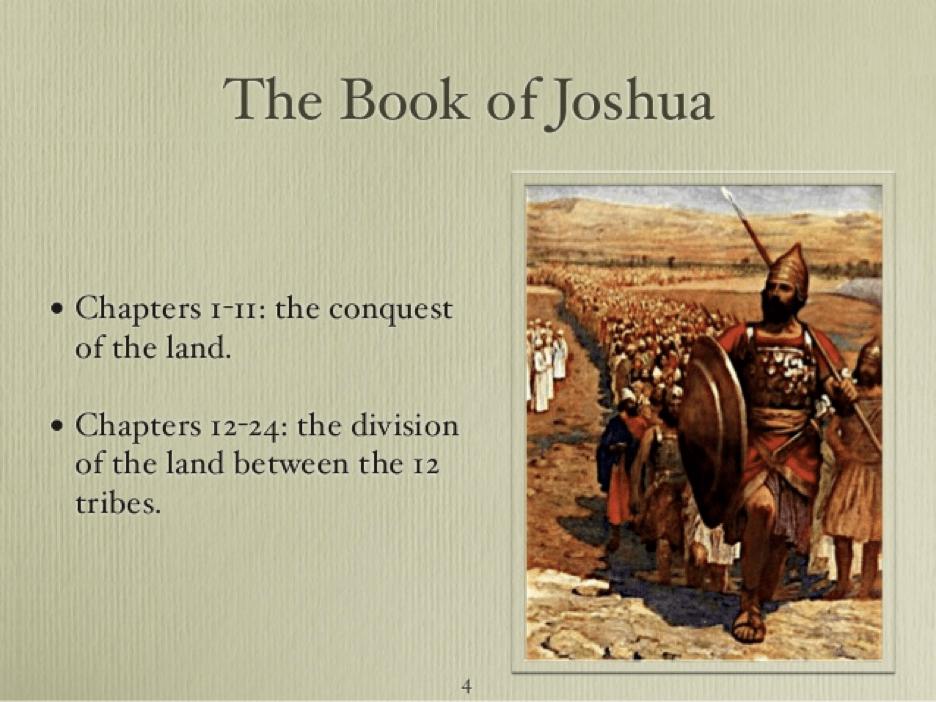
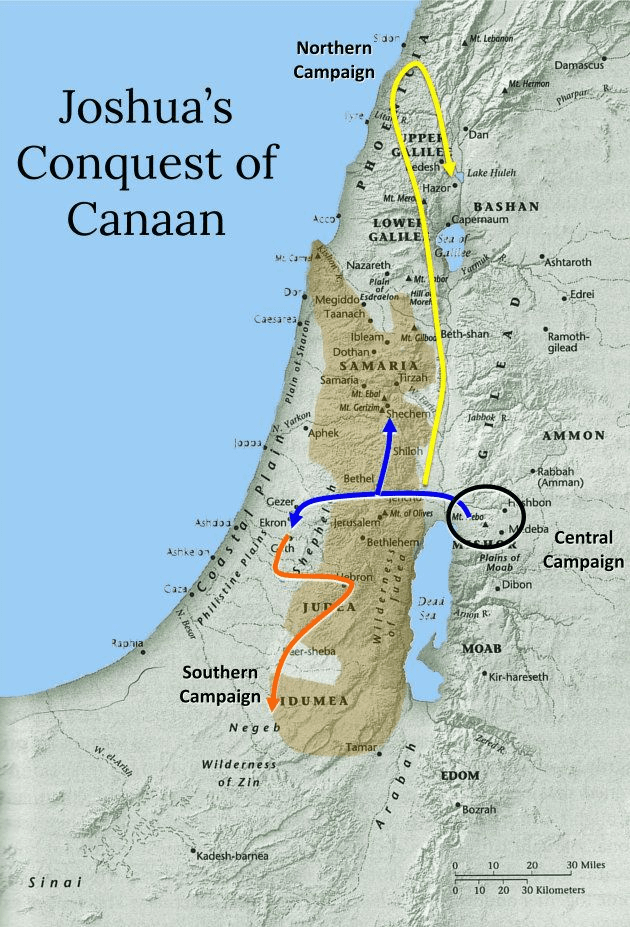
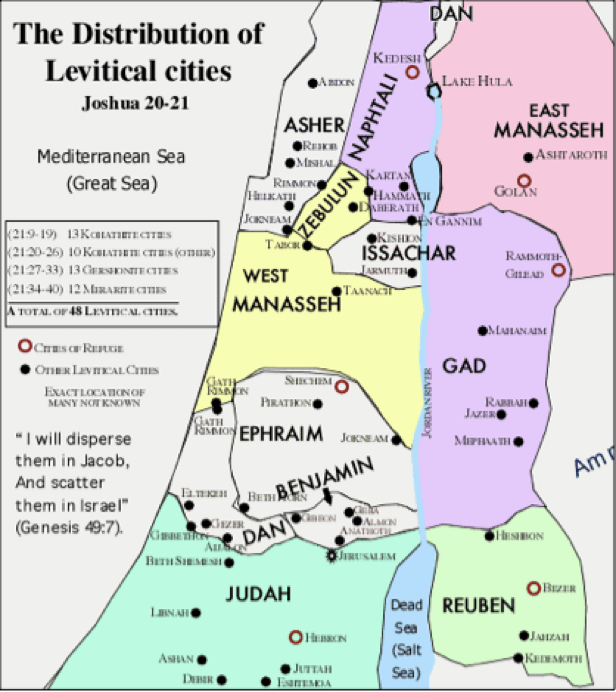
God had promised Abraham the land of Canaan (Gen 12:1-3) and repeated that promise to Isaac and Jacob. God told Abraham that his descendants would be in slavery in a foreign land for 400 years (Gen 15:13-16) before they would come out and occupy the land. Moses led them out of slavery, but was not allowed to go into Canaan. He appointed Joshua to lead them into Canaan. In about 7 years, Israel defeated all the major forces of the cities of Canaan, starting with Jericho in the central part, then the conquest of southern Canaan, and finally the conquest of northern Canaan. The land was divided between the 12 tribes. The Levites received 48 Levitical cities (ch 21) spread throughout the land so they could teach the Law to all 12 tribes, but they did not get a “tribe portion” of the land. Instead, the 2 sons of Joseph, Ephraim and Manasseh, received a “tribe portion” of the land since Jacob had ultimately given Joseph the firstborn portion (Gen 48:21,22) which means that he would receive twice as much land as his brothers. There were 6 cities of refuge (ch 20). The 12 tribes then went to their respective parts of the land, and were commanded to finish utterly destroying the Canaanites. They did not utterly destroy them, but they did possess the land such that Joshua 21:43-45 says, “So the Lord gave Israel all the land which He had sworn to give to their fathers, and they possessed it and lived in it. Not one of the good promises which the Lord had made to the house of Israel failed; all came to pass.”
BIOGRAPHICAL:
Joshua has often been pictured as a type of Christ. Why is that? In 2 main ways. First, his name. Moses changed his name from Hoshea (“salvation” in Hebrew) to Joshua. “Jesus” is the Septuagint (LXX) spelling of Joshua, and Mary was told, “You shall call your son Jesus, for he shall save His people from their sins” (Mat 1:21). Secondly, Joshua led the Israelites to victory over all their enemies and enabled them to enter their “rest” (Jos 22:4) in Canaan. Their rest was a time of no more war with the Canaanites, and a time of prosperity as they took over all the wealth of the Canaanites. Read Deut 8:7-10 for a full description of the “rest” that they were allowed to enjoy in Canaan. Moses delivered them from Egypt (a type of our deliverance from the slavery of sin), but it was Joshua who led them to victory over all enemies and occupying the land, entering the “rest”. Many Israelites did not enter that rest due to unbelief and died in the 40 years in the wilderness (Heb 3), but the next generation under Joshua did enter the “rest”. Joshua was a 2nd type of Jesus in that Jesus overcame all enemies and led the 1st Christians to enter the Messianic “rest” after 40 years of testing and tribulation (not all made it as seen in the Hebrews warnings). Read Isaiah 65:17-25 for a great description of the “rest” that would be given Christians when the Messiah would come. That was fulfilled in a spiritual way in the spiritual blessings in the church of Jesus Christ, body of the save. Hebrews 4 pictures that Messianic rest as still future at the time of writing, so it must be referring to the final victory at 70 AD. It is unfortunate that many are still waiting for a physical fulfillment of that prophecy. Heb 10:35 says that they would get their reward, that rest, in a “very little while”. Joshua, of the tribe of Ephraim, died at 110 years old (24:29)
Here is a great topical outline of Joshua. I tried to put quotation marks where I quoted directly.
Outline of Joshua

Kathryn M. Schifferdecker
Revised by Monica Melanchthon (07/23)
1. Introduction (Joshua 1:1-18)
A. The Lord Commissions Joshua (Joshua 1:1-9)
God commands Joshua to be strong and courageous. There are giants in the land and each city has an army to defend it. But God promises to be with him and give him success.
From Pastor Dave Martine:
B. Joshua Prepares the People (Joshua 1:10-18)
The tribes of Reuben, Gad, and Manasseh had requested land east of the Jordan and were not planning on crossing the Jordan. Joshua commanded the three tribes to first help their fellow Israelites in conquering the land west of the Jordan before they could settle east of the Jordan..
2. The Israelite Spies and Rahab (Joshua 2:1-24)
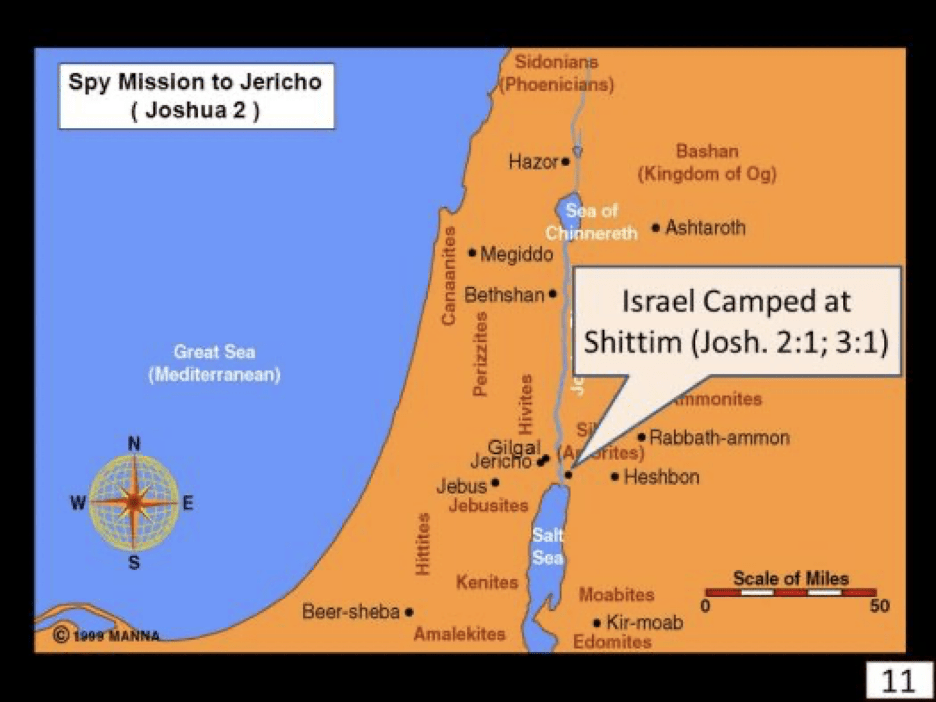
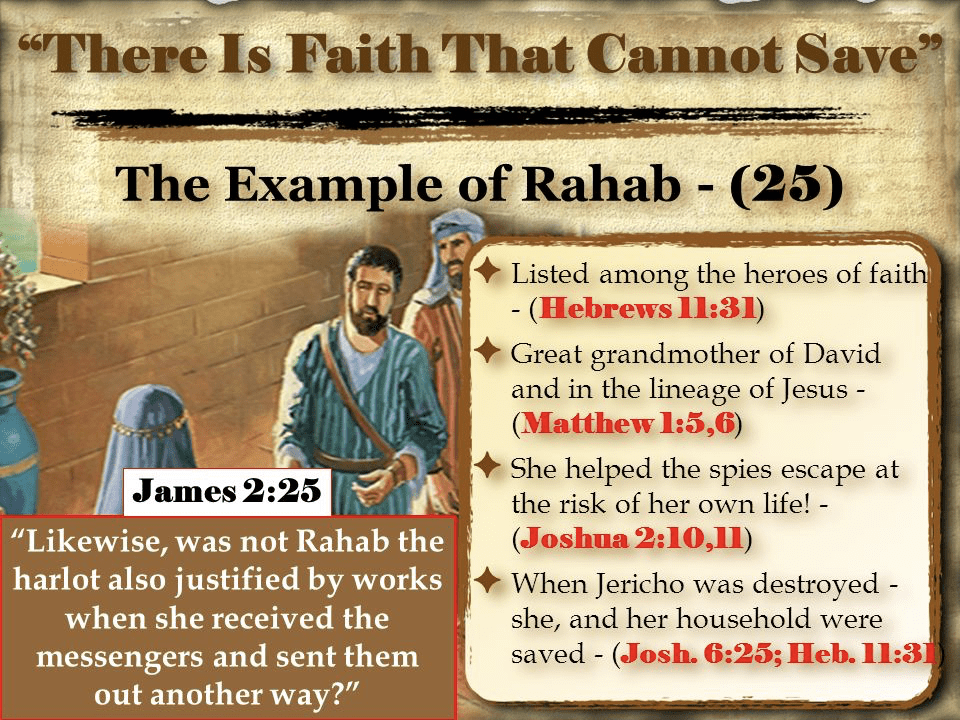
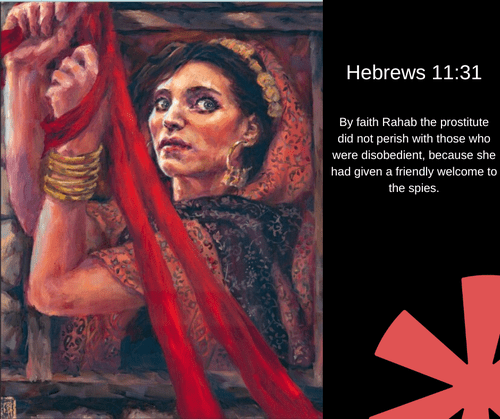
The 2 Israelite spies enter Jericho and meet Rahab, a prositute. She tells them how terrified the people are of Israel and their god, YHWH. They all had heard how YHWH defeated all the gods of Egypt in the 10 plagues and the drowning of Pharoah’s army in the Red Sea. She is ready to put her trust in the one true God of Israel, YHWH. BTW that tells us that every Canaanite had the same opportunity to turn from their false gods and turn to YHWH, but only Rahab did. God was just in wiping out the Canaanites due to their idolatry even though it seems like genocide to. us. The spies promises to spare her family.
From Truth Snitch
By Diane Norton:
3. Israel Crosses the Jordan River (Joshua 3:1-5:1)
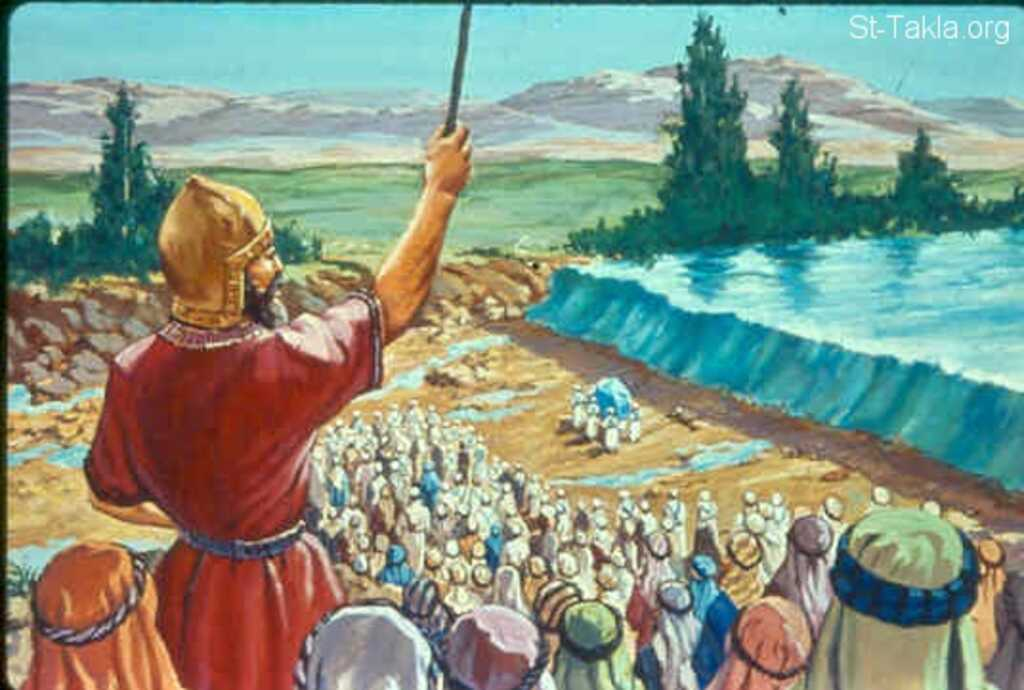
The Israelites cross the Jordan River, into the land of promise, following the priests who carry the ark of the covenant. As at the Red Sea, God stops the flowing of the Jordan waters for the Israelites so that they cross on dry ground. Joshua and the Israelites set up twelve stones as a memorial at Gilgal, where they camp after crossing the Jordan. The leaders of Canaan hear of the drying of the waters of the Jordan and fear the Israelites. This crossing of the Joran confirmed to Israel that Joshua had taken over leading Israel just as the parting of the Red Sea confirmed Moses as leader.
from inspiredscripture.com
Published by Dwayne Hancock
4. Circumcision and Passover (Joshua 5:2-12)
Those men born during the 40 years in the wilderness had not been circumcised, so Israel paused to circumcise them even though that would leave them vulnerable to attack from the Canaanites (as Simeon and Levi attacked and killed the Shechemites after they had been circumcised. The place where they were circumcised is named, Gibeath Haaraloth translated as the “hill of foreskins.” They celebrate the Passover and start eating the produce of the land. The supply of manna that sustained them in the wilderness for 40 years ceases.
5. The Commander of the Army of the Lord (Joshua 5:13-15)
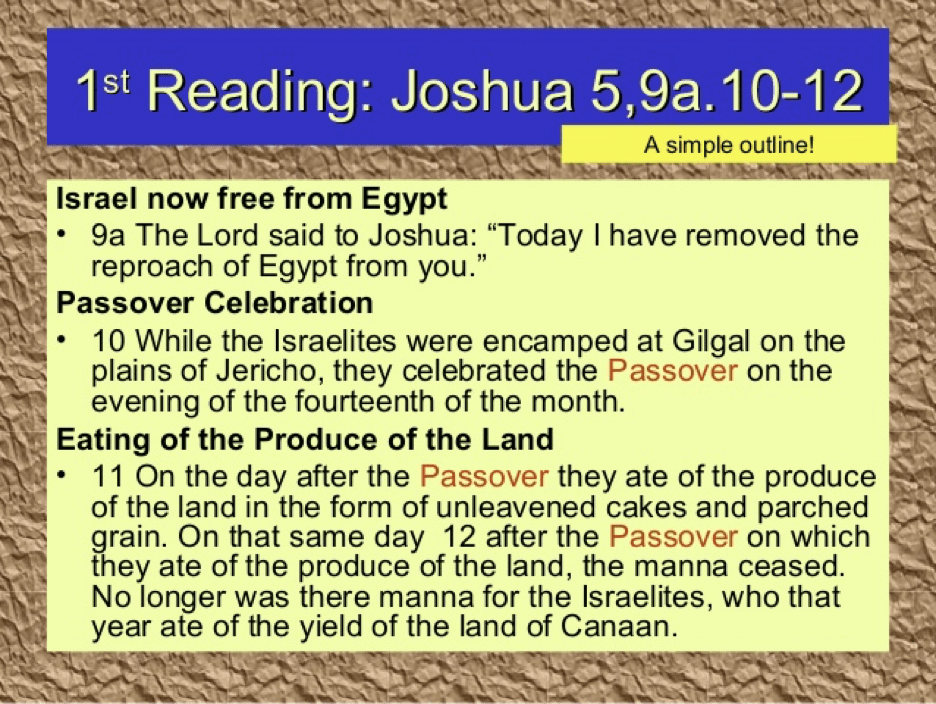
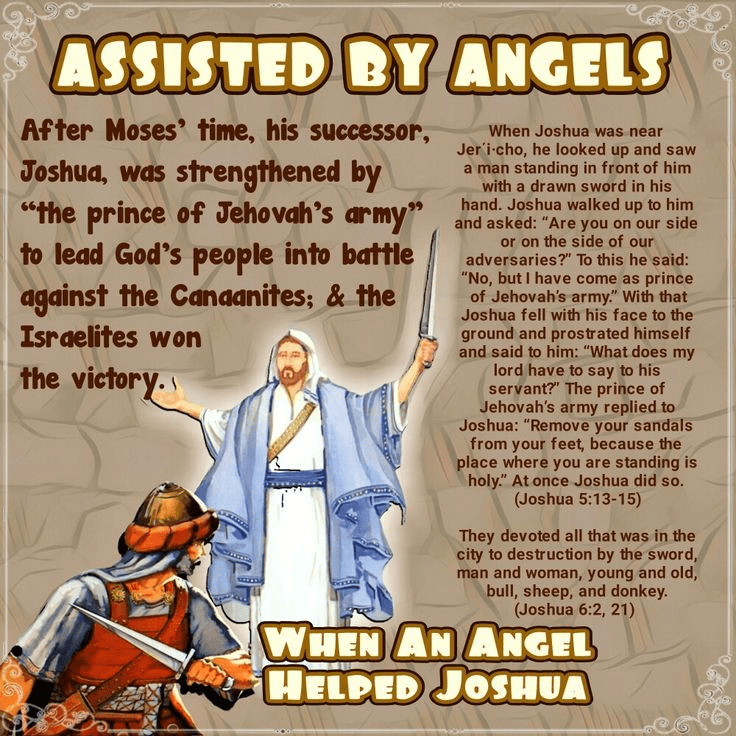
A man wielding a sword, the commander of the Lord’s army , appears to Joshua who falls on his face to the ground and requests instruction.The soldier tells tells Joshua to remove the sandals from his feet, for the ground upon which he is standing is holy. This soldier is probably the angel of the Lord, an appearance of God Himself in human form. He gives Joshua the battle plan for taking Jericho.
6. The Conquest and Destruction of Jericho (Joshua 6:1-27)
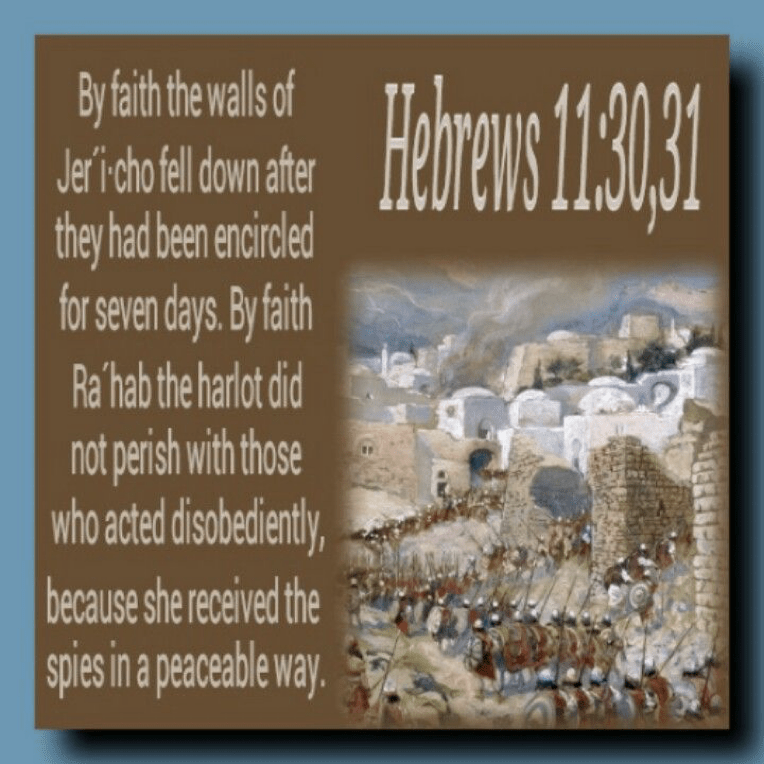
The Israelite people march around the city of Jericho, once each day for days, with seven priests carrying the ark and blowing on trumpets of ram’s horns continually. In front of the ark are the armed men, while the rear guard follow the ark. On the seventh day, they march around the city seven times. Joshua tells them that they are to destroy the city and should not covet or take anything (silver, gold, iron, bronze, or garments). During the seventh march around the city, the people hear the long blast of the ram’s horn and shout as instructed. The walls of the city miraculously fall, giving access to the Israelites who destroy Jericho and everyone and everything in it (both men and women, young and old, oxen, sheep, and donkeys), except for Rahab and her family. Anyone who attempts to rebuild the city now stands cursed. Joshua’s fame spreads.
7. The Sin of Achan (Joshua 7:1-26)
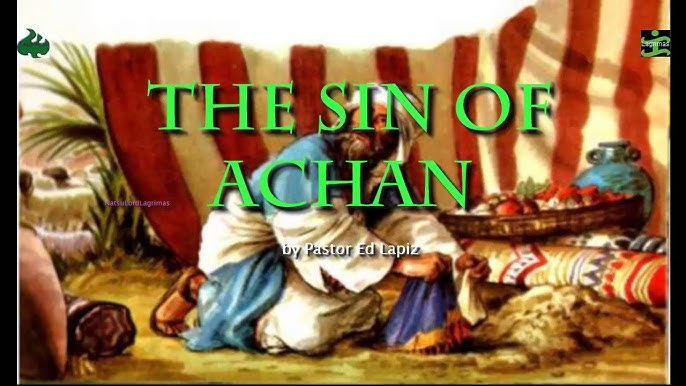
The spies sent to scout out Ai return and inform Joshua that it is a small city and that only a few soldiers need to be sent to take it. 3,000 Israelite men go to fight Ai and are defeated, losing 36 of their men.. Joshua is terribly disturbed b/c the Canannites would now think that Israel could be defeated. God tells Joshua that the defeat is due to “sin in the camp”: one of the Israelites has taken booty (a beautiful mantle from Shinar and 200 shekels of silver and a bar of gold weighing 50 shekels), from Jericho God reveals the culprit (by casting lots) to be Achan, of the tribe of Judah. He and his entire household (women, children, slaves, and livestock) are stoned, burned, and killed as punishment. A heap of stones is raised on the site, which to this day is named “the valley of Achor,” meaning “calamity.” This might sound like “group punishment” (punishing the whole group for the sin of one person) and I suppose that it is. God sometimes has to make an example for everyone to see what happens if he disobeys God. This reminds us of 1 Corinthians 5, where Paul rebukes the church for tolerating the sin of one member, and tells them to withdraw from him.
8. The Destruction of the City of Ai (Joshua 8:1-29)
Joshua and an army (30,000 in number) march against Ai and destroy it as they did Jericho. God tells them how to ambush and capturing the city of Ai. They kill all its inhabitants (12,000 in total). YHWH allows them to take livestock and other booty from the city as spoils of war. Ai is burnt and the king of Ai is hung; at sundown his body is taken down and thrown down at the city gates. Stones are raised into a heap on his body.
9. Covenant Renewal (Joshua 8:30-35)
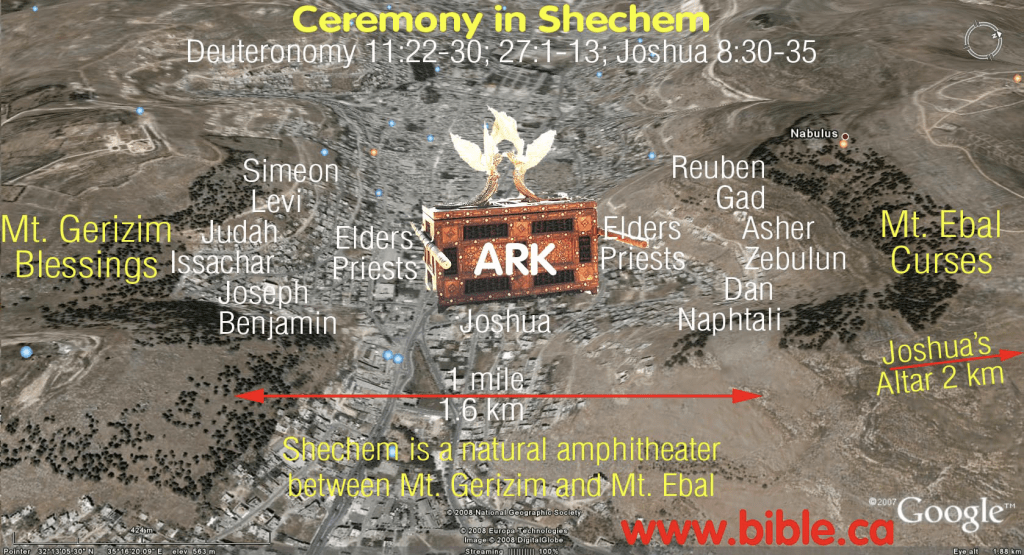
The Israelites fulfill Moses’ instructions God had given Moses in Deuteronomy 27 to hold a covenant renewal ceremony at Mount Ebal and Mount Gerizim. 6 of the tribes read the curses of disobedience from Mt. Ebal and the other 6 tribes read the blessings of obedience from Mt Gerizim. Joshua builds an altar of unhewn stones at Shechem, and the priests offer sacrifices. Joshua cuts out a copy of the law of Moses in stone and reads it to the Israelites.
10. Treaty with the Gibeonites (Joshua 9:1-27)
The Gibeonites of central Canaan persuade the Israelites to make a peace treaty with them, so that they and their cities will not be destroyed. The Israelites were commanded to destroy all the nations in Canaan but they could make a treaty with nations outside of Canaan. They present themselves as having come from afar, showing their dry bread and dusty footwear as evidence. When the Israelites discover the trick, they honor the treaty, but consign the Gibeonites to be “hewers of wood and drawers of water” for the tabernacle.

11. Continued War with the Peoples of the Land (Joshua 10:1-11:23)
A. The Sun Stands Still as Israel Fights the Amorites (Joshua 10:1-15)
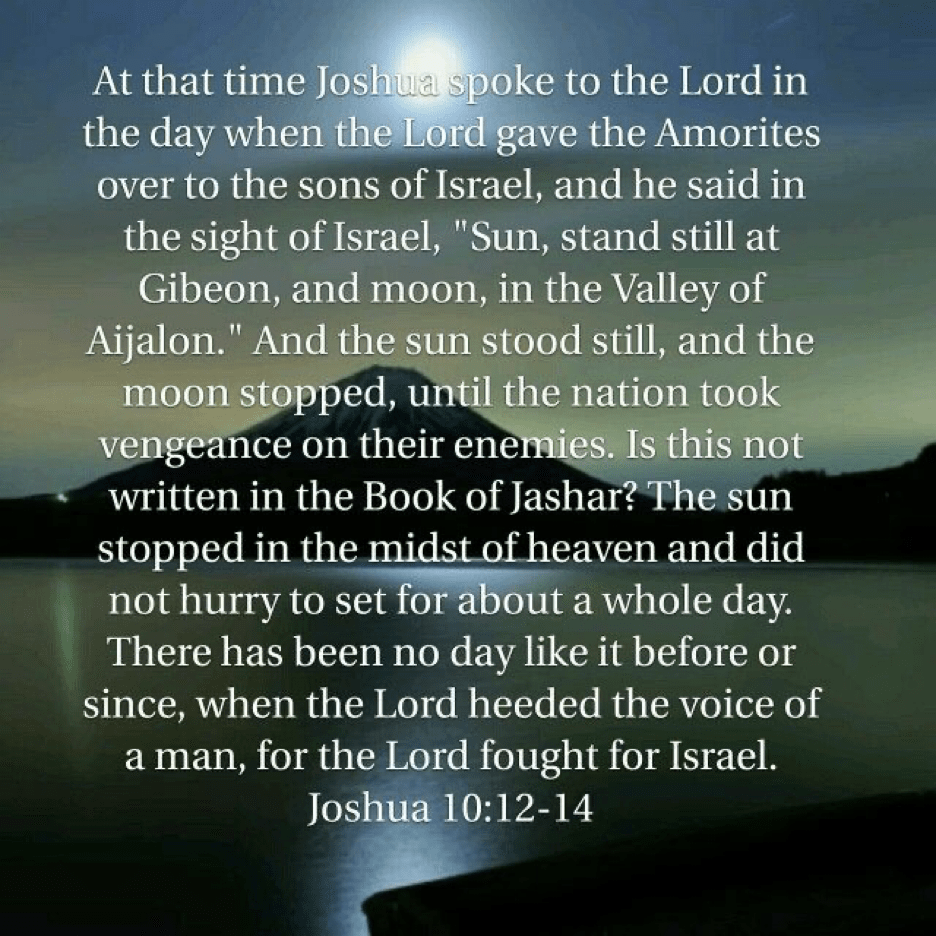
5 Canaanite kings attack the Gibeonites b/c they made a treaty with Israel instead of fighting Israel. Joshua honors his word given to the Gibeonites and marches all night to defend them. The Israelites defeat the five Amorite kings (of Jerusalem, Hebron, Jarmuth, Lachish, and Eglon) who have attacked Gibeon. At Joshua’s request, the sun stands still for a day so that the Israelites can have more time to completely kill the attacking armies. 10:14 14 There has been no day like it before or since, when the Lord heeded the voice of a man, for the Lord fought for Israel.
B. Five Amorite Kings Killed (Joshua 10:16-27)
“The five Amorite kings flee and hide in a cave. Joshua finds them and has large stones rolled over the mouth of the cave, imprisoning them there until their armies are destroyed. The five kings are then brought to Joshua, and they are killed as a symbol of what will happen to all of Israel’s enemies. Their bodies are hung until sundown and then thrown into the same cave where they had hidden themselves and stones are set over the mouth of the cave.”
C. Victories for Israel (Joshua 10:28-11:15)
Joshua and the Israelites capture and destroy many cities in the South – Makkedah, Libnah, Lachish, Gezer, Eglon, Hebron, and Debir. Canaanite kings in the North mobilize a large army (“as numerous as the grains of sand on the seashore”) to attack the Israelites but they are defeated and the territory in the North is captured, the cities plundered, and the people wiped out..

From historyinthebible.com
D. Summary of Joshua’s Victories (Joshua 11:16-23)
This is a summary of all the land that Joshua and the Israelites conquer in Canaan. However, the Anakim (giants) survived and are confined to the Phlistine cities of Gaza, Gath, and Ashdod. David will fight the Philistine giant Goliath later, and even kill 5 of Goliath’s brothers. The summary ends, “And the land had rest from war” (11:23). The period of the conquest of Canaan by Joshua was about 7 1/2 years.
E. The Kings Conquered by Moses (Joshua 12:1-6)
“These verses list the lands and kings conquered by Moses and the Israelites east of the Jordan River. This land was given as property to the tribes of Reuben, Gad, and the half-tribe of Manasseh.”
F. The Kings Conquered by Joshua (Joshua 12:7-24)
“These verses list the lands and the 31 kings conquered by Joshua and the Israelites west of the Jordan River.”
12. Dividing the Land for an Inheritance (Joshua 13:1-21:45)
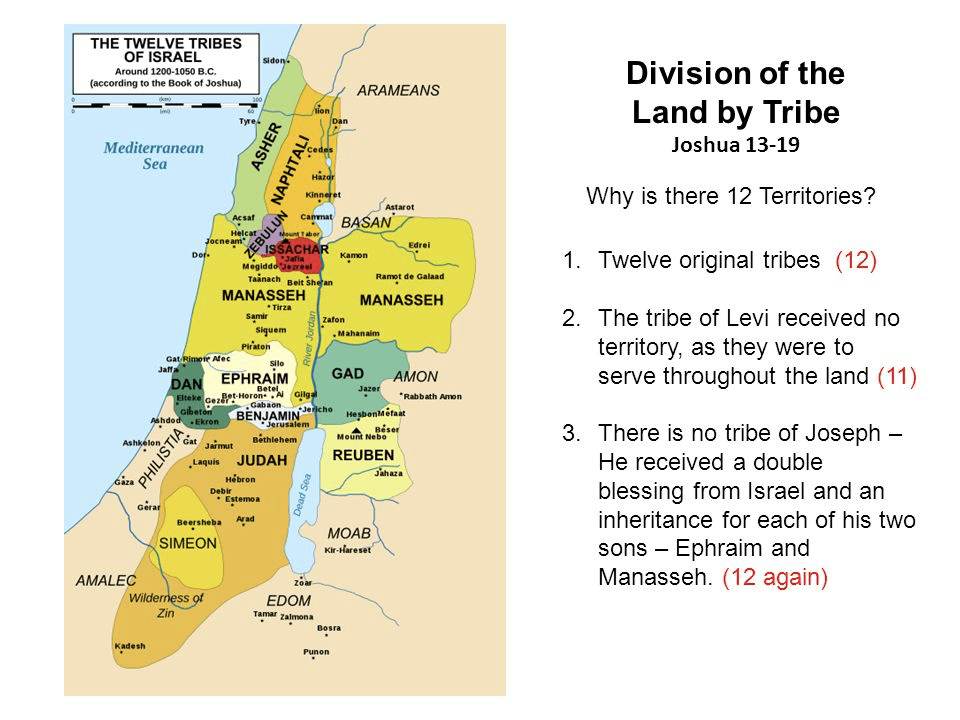
The land captured by Israel, both east and west of the Jordan River, is divided and distributed by lots among twelve tribes. The Levite tribe does not get land, and Joseph gets two parcels of land for his two sons, Ephraim and Manasseh, who become basically 2 of the 12 tribes.
A. Introduction: The Land Still Unconquered and the Command to Divide the Land (Joshua 13:1-7)
The Lord lists for Joshua the parts of Canaan still unconquered by the Israelites The Lord commands Joshua to divide the land of Canaan for an inheritance to nine tribes plus one half-tribe of Israel that settle west of the Jordan.
B. The Land East of the Jordan Given by Moses to Israelite Tribes (Joshua 13:8-33)
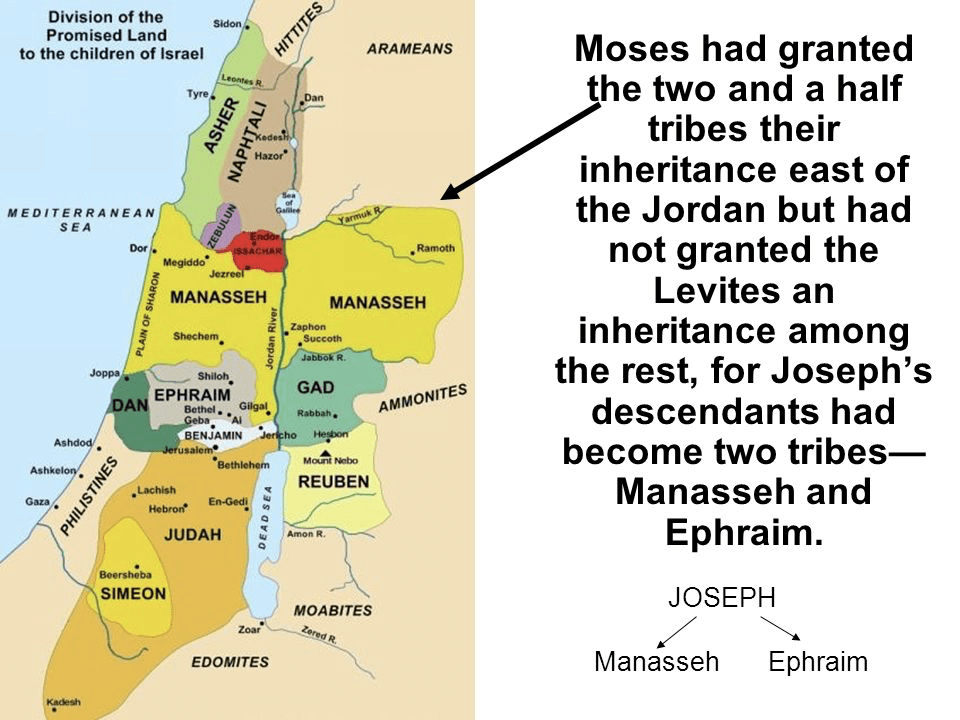
“The text lists the lands and cities east of the Jordan River given by Moses to the other two tribes and a half-tribe of Israel: Reuben (15-23), Gad (24-28), and the half-tribe of Manasseh (29-33).”
C. The Land West of the Jordan Given by Eleazar and Joshua to Israelite Tribes (Joshua 14:1-19:51)
The land of Canaan, west of the Jordan, is divided by lot and given to nine Israelite tribes plus a half-tribe of Manasseh. Joshua and Caleb, the only two people still living of the generation that came out of Egypt, are given their own individual allotments of land. Caleb is allotted Hebron (14:6-15) and Joshua is given Timnath-serah in the highlands of Ephraim (19:49-51).
D. The Cities of Refuge (Joshua 20:1-9)
The Levites do not get a parcel of land. The Lord commands Israel to set aside 6 “cities of refuge,” where a person who has killed someone unintentionally can take refuge from those who would seek revenge (the “blood avengers). The cities are located throughout the land.
E. Cities for the Levites (Joshua 21:1-42)
“The priestly tribe of Levi, is given no land because “the LORD God of Israel is their inheritance” (13:33). The tribe of Levi is allotted 48 towns scattered throughout the territory of the other tribes. These towns include the six cities of refuge.
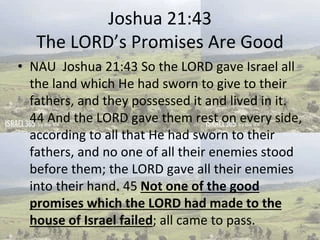
F. Promises Fulfilled (Joshua 21:43-45)
“Not one of all the good promises that the LORD had made to the house of Israel had failed; all came to pass” (21:45). Many today say that Israel never got the land that God promised Abraham, but these verses say that they did.
From Valley Bible Fellowship
13. An Altar Built and a War Prevented (Joshua 22:1-34)
“The eastern tribes–Reuben, Gad, and the half-tribe of Manasseh–return to their territory after having helped the other tribes conquer Canaan. They build a memorial altar on the western bank of the Jordan River. The other tribes interpret the building of the altar as rebellion against the Lord and threaten war, but the eastern tribes explain that the altar is meant to serve as a witness in generations to come that they, too, worship the same God as the rest of Israel.”
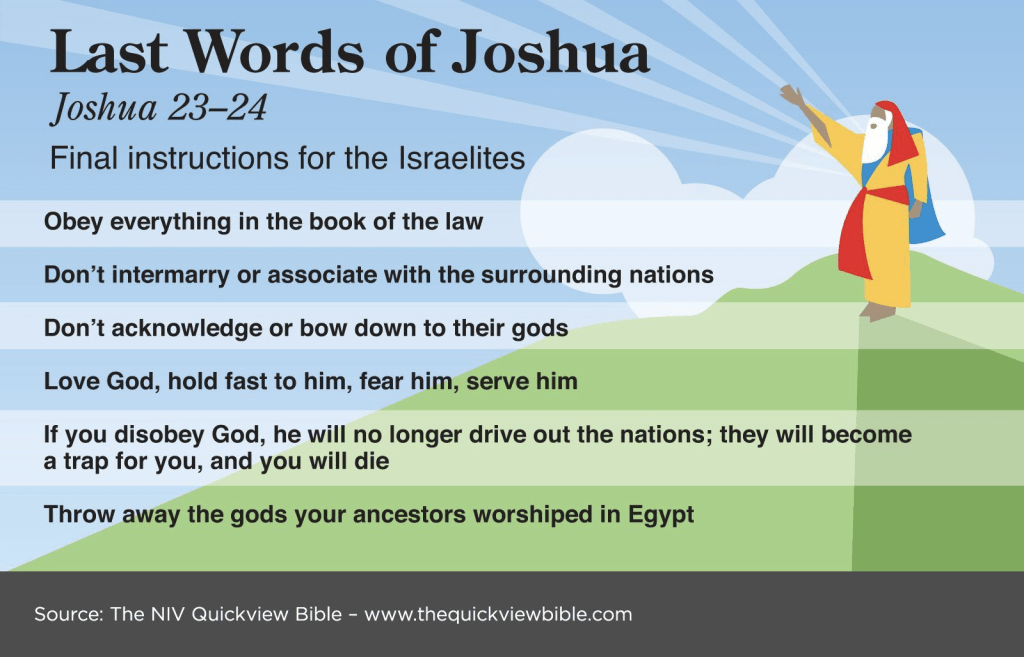
14. Joshua’s Exhortation (Joshua 23:1-16)
“Joshua has grown old and is about to die. He calls all Israel to him and exhorts them to obey the commands of the book of the law of Moses, so that they might not be enticed by the nations around them to forsake the covenant.”
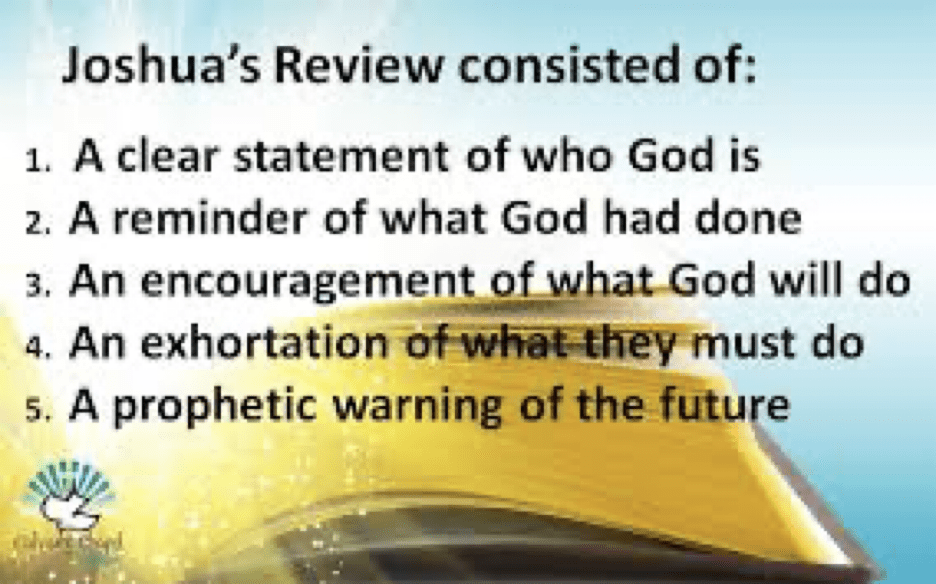
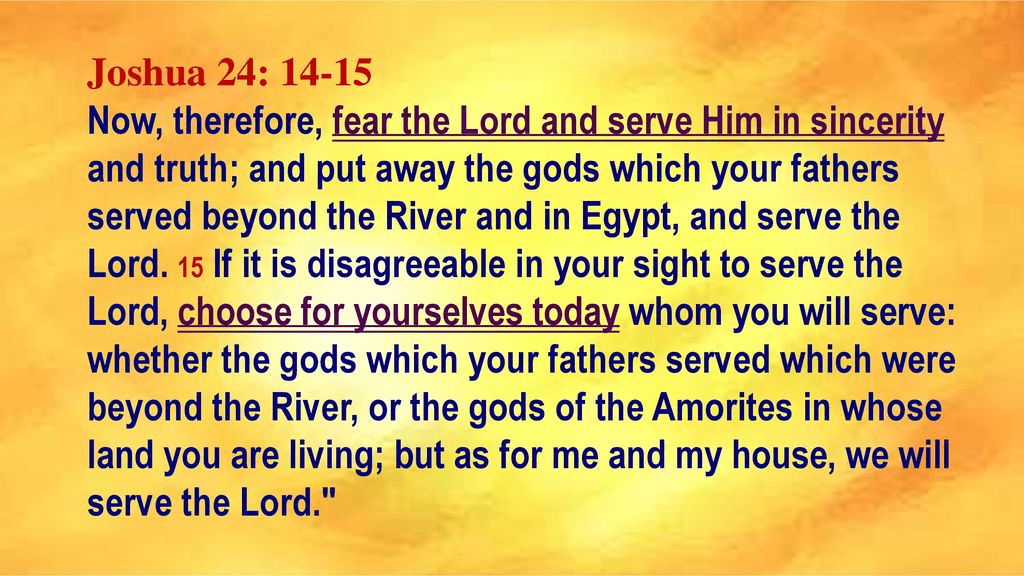
15. Covenant Ceremony (Joshua 24:1-28)
“Joshua calls all Israel to him at Shechem, where he asks them to serve the Lord–the God of Abraham, Isaac, and Jacob–rather than other gods. They reaffirm their allegiance to the Lord, and Joshua makes a covenant with them there, erecting a stone as a memorial of the covenant.”
By Gwen White
16. Death of Joshua and Death of Eleazar (Joshua 24:29-33)
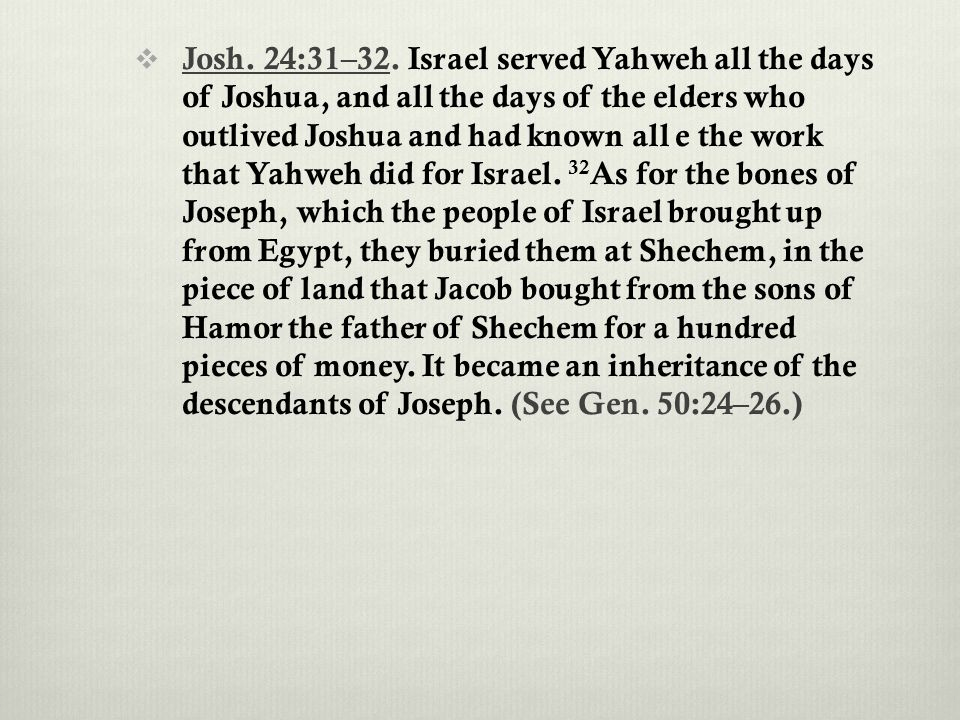
Joshua dies at 110 years of age and is buried in his land The bones of Joseph, which the Israelites brought out of Egypt, are buried at Shechem. The priest Eleazar, son of Aaron, dies and is buried at Gibeah.
From Lizbeth Ball








 Nicky's Notes