
Again, https://www.gotquestions.org/life-Hezekiah.html has a great article on Hezekiah. Quoting:
“Hezekiah, a son of the wicked King Ahaz, reigned over the southern kingdom of Judah for twenty-nine years, from c. 715 to 686 BC. He began his reign at age 25 (2 Kings 18:2). He was more zealous for the Lord than any of his predecessors (2 Kings 18:5). During his reign, the prophets Isaiah and Micah ministered in Judah.
After Ahaz’s wicked reign, there was much work to do, and Hezekiah boldly cleaned house. Pagan altars, idols, and temples were destroyed. The bronze serpent that Moses had made in the desert (Numbers 21:9) was also destroyed, because the people had made it an idol (2 Kings 18:4). The temple in Jerusalem, whose doors had been nailed shut by Hezekiah’s own father, was cleaned out and reopened. The Levitical priesthood was reinstated (2 Chronicles 29:5), and the Passover was reinstituted as a national holiday (2 Chronicles 30:1). Under Hezekiah’s reforms, revival came to Judah.
Because King Hezekiah put God first in everything he did, God prospered him. Hezekiah “held fast to the Lord and did not stop following him; he kept the commands the Lord had given Moses. And the Lord was with him; he was successful in whatever he undertook” (2 Kings 18:6–7).”
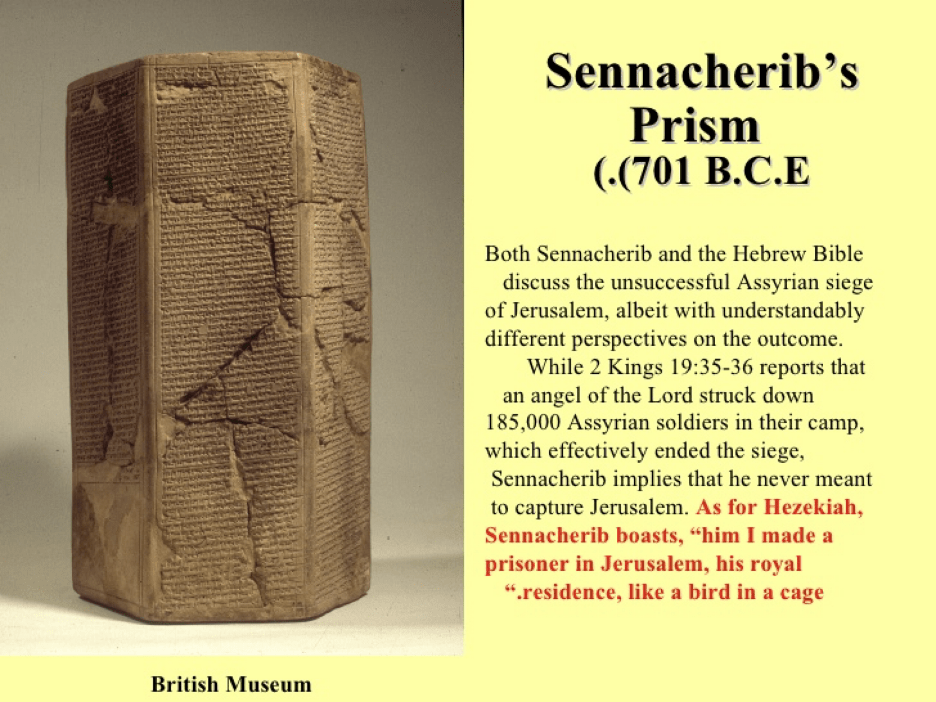
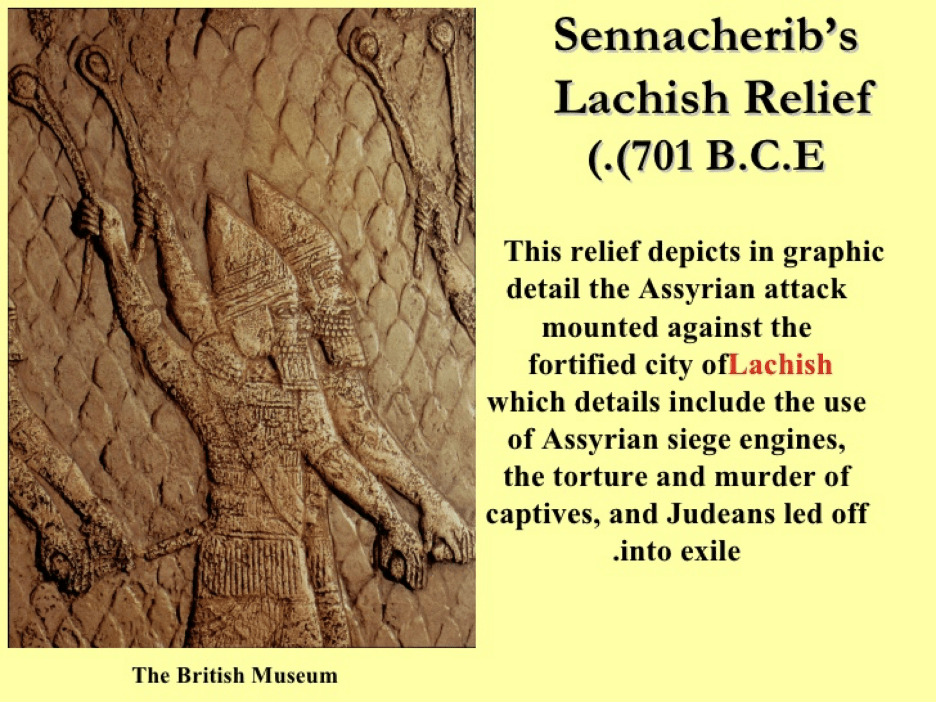
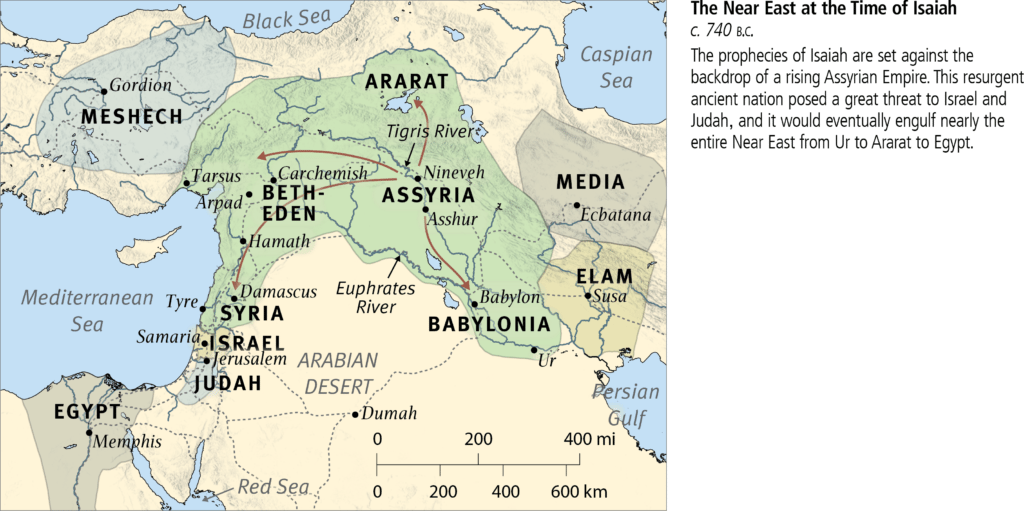
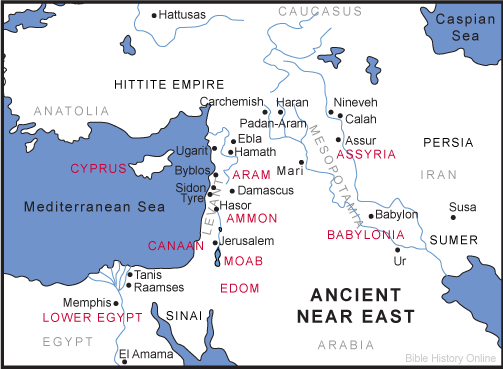
But Hezekiah faced a major crisis in 701 BC. I encourage you to stop right now and read 2 Kings 18-19 for that story. Here is my summary of the story. The Assyrians, who had already taken the northern kingdom captive in 722 BC, had captured several cities in Judah. Hezekiah payed much gold and silver to King Sennacherib to try to get him to. leave Jerusalem alone. The king. took the tribute but sent an. army to siege and take Jerusalem anyway. The Assyrian army commander Rabshakeh gave a loud speech to to Hezekiah’s men on the walls, mocking the god of Judah. He said that the god of Judah could no more save Jerusalem than the gods of all the nations that the Assyrians had conquered. He even claimed that the god of Judah had commanded him to destroy Jerusalem. Isaiah told Hezekiah that a rumor would cause the Assyrians to temporarily leave the siege and that eventually the Assyrian king would be assassinated. Maybe God was giving Sennacherib a chance to leave Jerusalem alone. But after dealing witht the rumor (that te Ethiopians were attacking, but they weren’t), Sennacherib later continued the siege with an army of 185,000. Hezekiah had tried to prepare for such a siege by contructing the S shaped 1750 foot long underground tunnel from the Gishon spring to provide water for the city during a siege. Hezekiah was powerless to save Jerusalem, but he told his men that God would be with them and that encouraged them.. Sennacherib sent a letter to Hezekiah, again mocking the god of Judah. Hezekiah spread the letter out in the temple and prayed for God’s help. Isaiah told him that the city would be saved without a fight. Yes, God had used the evil Assryians to punish the northern kingdom and take them captive in 722 BC, but the Assryians had gone too far in mocking God. That night, the angel of the Lord killed all 185,000 of the Assyrian army and all the rest of the Assyrians attacking cities of Judah returned to Ninevah. Years later in 681 BC, Sennahcerib was worshipping in the temple of his god Nisroch and 2 of his sons assassinated him, and Esarhaddon became king. The Assyrians would later be judged by God and conquered in 612 BC by Babylon and the Medes. The prophet Isaiah had said that God had used Assyria to punish the northern kingdom, “the rod of God’s anger”, but that Assryia would fall to Babylon. Jonah had preached to Ninevah and the city was spared for. a while, but later the prophet Nahum would pedict the fall fo Ninevah.
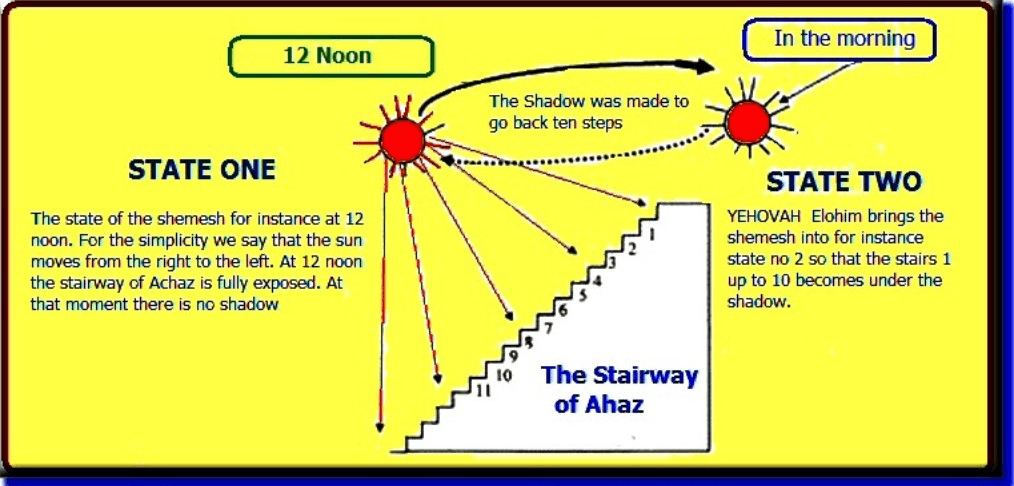
So far, so good. Hezekiah is humble, always trusting God for protection of Jerusalem, and prayerful in the midst of crisis. Unfortunately, his life did not end good. He became deathly sick and Isaiah told him that he was going to die. Hezekiah wept and prayed to be given more years, citing his past good deeds as the basis for God healing him. God gave him 15 extra years of life. He asked for a sign and Isaiah gave him a sign. The shadow on the sun dial would go back 10 steps. The Babylonians sent envoys to Hezekiah when they heard about this, and Hezekiah showed them all of his treasures. He had become prideful, bragging about all his treasures. B/c he did this, Isaiah told him that it would be the Babylonians, not the Assyrians, who would one day take all those treasures from Judah. God already knew and had predicted through Isaiah that the Babylonians would conquer Assyria in the future, and they did in 612 BC. Hezekiah was at least glad that would not happen in his days.
As mentioned in another article: most of the 19 kings of Judah were evil. A few were good, but even those few all had a bad ending. Asa won a victory over the Ethipians by trusting in God but was lifted up with pride when rebuked by the prophet Hanani for not trusting God in a later battle and died of diseased feet. Uzziah was made very strong militarily but was lifted up with pride, offered incense in the temple, and died with leprosy. Josiah died fighting Neco of Egypt even though Neco told him that he was not even tryiing to attack Judah. Joash was righeous as long as the priest Jehoida,who saved him from Athaliah killing all her grandchldren, lived but after he died Joash became evil and killed Jehoida’s son the prophet Zechariah who rebuked him. Joash was assassinated.
Hezekiah was no different. He was such an humble, righteous, prayerful man but became prideful after God gave him the 15 extra years. It might have been better if God had not given him that extra time, but it says that God was testing him to see what was in his heart. The victories and successes that God had given him had made him proud. When sieged by the Assyrians, he consults Isaiah as to what to do. He prays to God for wisdom and strength. He takes Sennacherib’s threatening letter to the temple and prays. But when the Babylonians come to inquire about his healing and the sun dial sign, he does not consult God for wisdom, nor does he pray. He acts out of pride, showing them “his” treasures. He died and his son Manasseh became king. Manasseh would become the most evil king of Judah, the “Ahab” of Judah.
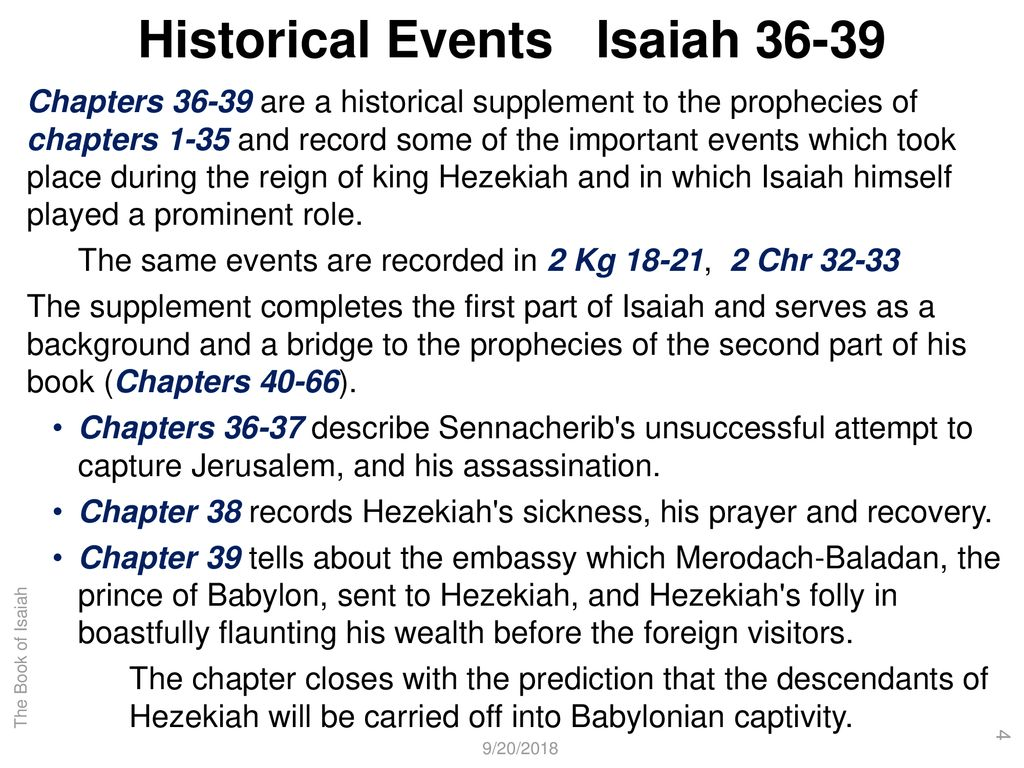
Isaiah tells this same story in chapters 36-39.
God has blessed me with many material blessings, houses and cars, financial security, relatively good health, godly children, a good marriage of 54 years, and several successful ministries in mission work, church work, and Christian education. I just pray that I don’t become prideful in my last years (I am 75 now) like Hezekiah did. I hope that I will become more prayerful, humble, and trusting in God. I pray that I will always seek God’s wisdom in dealing with crisis. I hope that God will give me what is best and not necessarily what I ask for at times. Hezekiah’s extra years turned out to be what he wanted but not what was best for him. I hope that I will remove the idols in my life, the things that I put ahead of God in my life.
What about you?
From Quantum Bible Study”

These images were taken from pinterest.com.
From holylandphotos blog. Hezekiah’s tunnel.

 Nicky's Notes