
George Grenfell began 30 years of mission work in central Africa in 1875. An affair with his black Jamaican housekeeper almost ended his mission work, but He overcame his moral failure and continued his mission work. He would travel thousands of miles on the Congo River and its tributaries first in his steamer Peace and then 2 later steamers. The Peace was constructed in England, then dismantled and shipped to Africa in 800 packages weighting 65 pounds each. It took 1,000 people four months to carry the cargo to its destination. 3 engineers died shortly after arriving in the Congo trying to reassemble the Peace. Grenfell oversaw the putting of the steamer together. He later wrote, “The Peace was prayed together”. The spiritual darkness and depravity was unbelievable: burial murders (some living person had to be sacrificed and die when someone was buried), witchcraft cruelties (killing tens of thousands), slave raiding (to replenish the slave lavor supply or to sell to foreign slave traders), cannibalism, sensuality (drunkenness and sexual immorality), and sadistic methods of punishment (they enjoyed inflicting pain). At the end of one voyage he wrote, “We have been attacked by natives about 20 different times; we have been stoned and shot at with arrows, and have been the mark for spears more than we can count.” “But the Congolese were not the only danger the missionaries faced — death by disease was a constant threat. The Congo was called “the short-cut to heaven.” In 1883-84, seven of Grenfell’s colleagues died after only a few months of service. In 1885, four men died in three months. In 1887, six missionaries fell in five months. These enormous losses prompted the missionary society to consider abandoning or at least curtailing the work in the Congo. But Grenfell possessed a different spirit. In 1888, he wrote the Society, “We cannot continue as we are. It is either advance or retreat, but if it is retreat, you must not count on me, I will be no party to it, and you will have to do without me.” Thankfully, the Society chose not to retreat. For almost 25 years Grenfell labored in the Congo. His last years were darkened by the sorrows of illness but gladdened by the joys of harvest. In 1902, he wrote, “Our services are crowded as they have never been before; God’s spirit is manifestly working.” In his journeys up and down the river, he saw many evidences of change, and he reported, “The light of life was beginning to dawn in many dark hearts.”
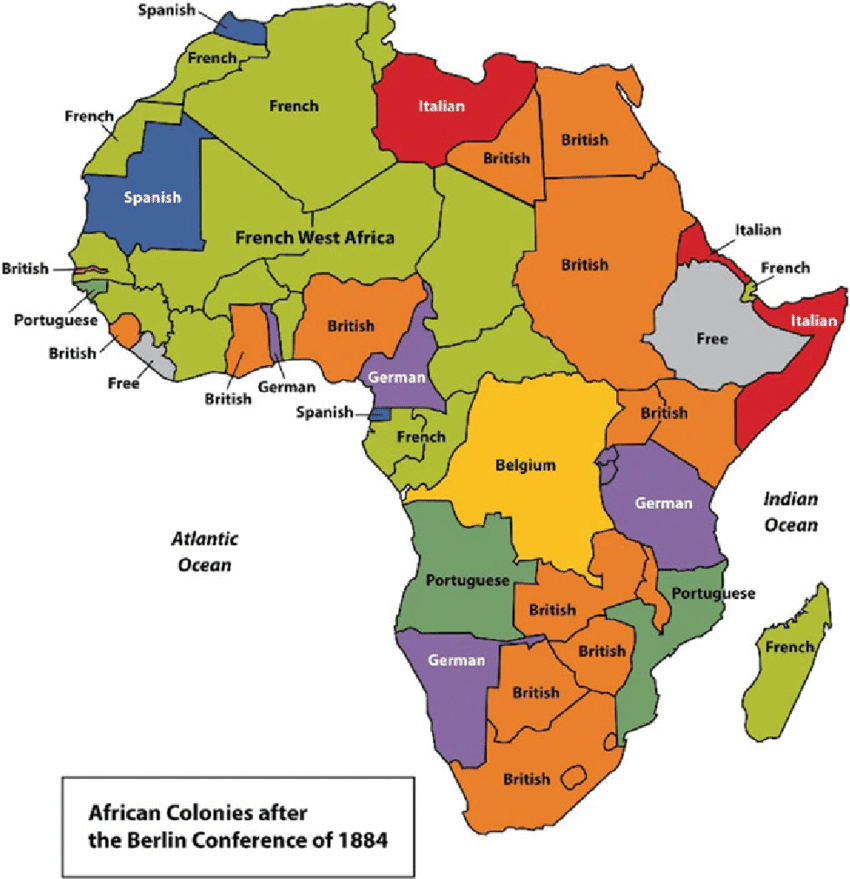
On a side note, Grenfell had dealings with the Belgium King Leopold II. Leopold II personally owned and controlled the Congo Free State, a vast territory in Central Africa, from 1885 until 1908. Under Leopold’s rule, Congolese people were subjected to brutal forced labor (working them literally to starvation and death), primarily for the collection of rubber, leading to widespread deaths and atrocities. Reports of human rights abuses in the Congo, including forced labor and widespread deaths, led to international condemnation and pressure on the Belgian government to take control of the colony. Facing mounting pressure and international criticism, the Belgian government intervened in 1908, taking control of the Congo Free State and renaming it the Belgian Congo, ending the reign of Leopold II over Belgium. The Belgian Congo remained a Belgian colony until 1960, when it gained independence and became the Democratic Republic of the Congo. Grenfell believed to the very end that Leopold had sincere intentions to help the people of the Congo until he finallly realized that he had been duped by Leopold who was only concerned about the wealth he could get from the Congo. Thus another sad chapter in the history of European colonization of Africa: European countries taking control over African areas to rob them of their precious resources in the guise of spreading civilization and Christianity! Here is a map of what that looked like around 1884. Ethiopia and Liberia were the only two countries never colonized by Europeans. Ethiopia had a strong Christian presence and military strength which helped them avoid colonization. Between 1945-1960 most of these colonized countries gained independence. Of course they were never reimbursed for all the resources that the European countries had stolen from them. It is amazing that during this colonial period of Africa that Christian missionaries helped make Africa about 50% Christian today. Unfortunately, it is about 45% Muslim which has led to much violence against Christians in Africa. In Sudan anti-Christian persecutions grew particularly after 1985, including murders of pastors and church leaders, destruction of Christian villages, as well as churches, hospitals, schools and mission bases, and bombing of Sunday church services. As of 2024, more than 100 churches have been damaged so far, and Christians have been abducted and killed.
Grenfell’s death occurred shortly after he opened a new mission station at Yalemba, near Stanley Falls. He fell ill from the dreaded haematuric fever and entered into the presence of his Lord, July 1, 1906. His last words were, “Jesus is mine.”” (Thomas Ray of the Baptist Bible Tribune) I wonder if he took those last 3 words from the song Blessed Assurance: Blessed assurance, Jesus is mine Oh, what a foretaste of glory divine Heir of salvation, purchase of God Born of his Spirit, washed in His blood. This is my story, this is my song. Praising my Savior all the day long This is my story, this is my song. Praising my Savior all the day long”. Here is the song to start your day: https://www.youtube.com/watch?v=UePXtov0zC0
Grenfell said: “Cruelty, sin, and slavery are as millstones around the necks of the people, dragging them down into a sea of sorrows.” Isaiah described it this way: Isaiah 5:8 “Woe to those who drag wrongdoing with the cords of deceit, and sin as if with cart ropes.” The imagery is the weariness of dragging a heavy. cart around everywhere you go. That cart is your sins. The cords you drug the cart with are deceit: you are deceived into thinking that the evil that you are doing is not sin. The 25 million natives along the Congo River believed that their many heathen practices were acceptable. As Isaiah said, “Woe to those who call evil good and good evil.” (Isaiah 5:20)
Grenfell was met with native spears when he first arrived in the Congo. 20 years later, he was met by little children who stood on the beach to welcome him and the singing of “All Hail the Power of Jesus’ Name” coming from a fishing canoe. He taught brick-making, treated the sick, engaged in translation, and was awarded a Gold Medal in 1886 for his service in exploration of the Congo and its tributaries. His legacy was that he prepared the way for the conversion of many in the Congo.
I continue to be amazed at the resilience and sacrifice of these missionaries to difficult foreign countries and unreached people groups. I see church preachers making 100k a year in their comfortable offices and wonder where church priorities are compared to these former giants of spreading the gospel. I know that located paid preachers do a lot of good, but think how many souls could be saved if we used most church contribution money for missions, printing Bibles, digging wells, feeding the poor, helping the oppressed! Most congregations have several talented, knowledgable Bible teachers that could preach sermons for us and let us all that staff money to support missionaries! I guess I end a lot of articles with that same thought, don’t I? But it does bother me.
George Grenfell got a Gold Medal on earth but he got a crown of righteousness (2 Timothy 4:8), a crown of glory (1 Peter 5:4), a crown of life (Revelation 2:10; James 1:12), an incorruptible crown (1 Corinthians 9:25), and a crown of joy (Philippians 4:1; 1 Thessalonians 2:19) after he finished his mission work, died, and got his reward in heaven. I have a feeling that he appreciated those spiritual crowns in heaven far more than his Gold Medal.
 Nicky's Notes