SEPT 19. READ NUMBERS 4-8

Just a few interesting things in Numbers 4-8:

The test for an unfaithful wife (Numbers 5:11-31). If a man suspects that his wife has been unfaithful, he is to bring her to the priest who makes her drink holy water. If she is guilty, her abdomen would swell and she would miscarry (if she was pregnant). I assume that she would be stoned to death if guilty. If nothing happens to her after drinking the water, then she is innocent. I know what you are thinking (or I presume to know!). What is the test for a husband who is suspected of adultery? Well there isn’t one! So is God a misogynist? God is no respecter of persons. I think this test is to protect the wives of evil Jewish husbands. As Jesus said in Matthew 19, the law for divorce in Deuteronomy 24 was b/c of the hardness of the hearts of men’s hearts, to protect the wives. I think it is the same case in Numbers 5. The test would keep an evil husband from false accusing his wife of adultery which could lead to her shame, even her stoning.

The Nazarite vow (Numbers 6:1-21). AI: “People take the Nazirite Vow (outlined in Numbers 6) to completely dedicate themselves to God for a specific season or a lifetime by removing ordinary distractions and pursuing intense spiritual focus.

Key Reasons for Taking the Vow

Intense Consecration: By abstaining from wine and grape products (symbolizing earthly joy and luxury), letting hair grow wild (a visible sign of humility and set-apart status), and avoiding dead bodies (pursuing strict ritual purity), the person removed worldly distractions to draw closer to a higher power.

Gratitude and Thanksgiving: People often took the voluntary, temporary vow to thank God for a major blessing, such as recovering from a serious illness or the birth of a child.

Combating Temptation: In Jewish tradition, an individual might take the vow as a temporary discipline to restrain physical desires or overcome personal pride and temptation.

Samuel and Samson in the Old Testament and John the Baptist in the New Testament took the Nazarite vow.

The priestly blessing (Numbers 6:22-27).

22 The Lord said to Moses, 23 “Tell Aaron and his sons, ‘This is how you are to bless the Israelites. Say to them:

24 “‘“The Lord bless you
    and keep you;
25 the Lord make his face shine on you
    and be gracious to you;
26 the Lord turn his face toward you
    and give you peace.”’

27 “So they will put my name on the Israelites, and I will bless them.”

That’s about it in these chapters. Keep up on. your daily reading. If you fall way behind, just pick up on the current date reading.

SEPT 18 READ LEVITICUS 26-27; NUMBERS 1-3

Leviticus 26: Blessings for obeying God’s laws; Curses for disobeying God’s laws.

Leviticus 26 outlines the conditional covenant between God and Israel, promising profound Blessings and Curses (Lev 26:1-46) — The Fellowship based on their obedience or disobedience to His commandments. [1]

Core Foundation (Verses 1–2)

  • Idolatry forbidden: God commands Israel not to make idols, carve images, or set up sacred stones.
  • Sabbath observance: They must keep God’s Sabbaths and revere His sanctuary. [1, 2, 3, 4]

Blessings for Obedience (Verses 3–13)

  • Abundant harvest: Seasonal rains will yield massive crops, allowing them to thresh grain until the grape harvest and eat safely until full.
  • Peace and security: God will grant peace in the land so they can sleep without fear, and hostile armies will flee before them.
  • Increase and fertility: The nation will be fruitful and multiply.
  • Divine presence: The ultimate reward is God walking among them to be their God while they remain His people.

Curses for Disobedience (Verses 14–39)

  • Sickness and distress: God will bring sudden terror, wasting diseases, and burning fevers that consume the eyes and sap life.
  • Unfruitful land: Their hard work will be wasted because the soil will yield no crops and the skies will turn to iron.
  • Escalating discipline: If disobedience continues, punishment intensifies in four compounding, sevenfold stages—from wild animals robbing them of children to military siege and starvation.
  • Exile: The disobedient nation will be scattered among enemy nations and their cities left desolate.

Promise of Restoration (Verses 40–46)

  • Repentance: If the exiled people humble themselves and confess their sins, God will remember His covenant with Abraham, Isaac, and Jacob.
  • Unbroken commitment: Even during severe correction, God promises never to utterly reject or destroy them to the point of breaking His covenant.

Numbers 1-3. The census and arrangement of the camp. These are the chapters you “skim” through. The book of Numbers is called “Numbers” b/c of the two numberings (censuses) of the people: the first at Mt Sinai during the year they are there (Numbers 1; 603,550 fighting men above the age of 20), and the second on the plains of Moab 40 years later after the disobedient generation has all died off in the wilderness (Numbers 26: 601,730 fighting men). The Levites were placed in the middle nearest the tabernacle along with Moses and the priests. The duties of the 3 Levitical families for taking care of and moving of the tabernacle are given. This is the way Israel would camp each time they would stop during the 40 years in the book of Numbers. Just imagine the logistics of this. Over 600,000 fighting men over the age of 20 would mean 1 1/2 to 2 milliion total people. They gather their manna every day. They get water from the rock every day. But I wonder what their daily life was like.

Numbers will contain the story of those 40 years in the wilderness, although 38 of the 40 years is only. told about in 6 of the 36 chapters in Numbers (chapters 15-20). A sad statistic: about 1 1/2 to 2 million Israelites die in the 40 years wandering in the wilderness. That’s about 37,000 per year and 100 per day. That had to be the most depressing time for everyone. Imagine disposing of the bodies (I assume they had to be buried to prevent diseases like cholera but the Bible doesn’t record burying them). Imagine knowing that you, if you were 20 or older, are going to die in this horrible wilderness and nothing can change that. All that for later in your reading in Numbers.

Here’s a great slide showing the contents of the book of Numbers.

Here is the map that we will be using as we study Numbers. Bible.ca is a great source of information. The map correctly (IMO) places Mt Sinai to the east of the Gulf of Aqaba instead of at the traditional site west of that gulf. That means Mt Sinai was in modern day Saudi Arabia. The Israelites spend a whole year at Mt Sinai, so that’s where Numbers begins.

SEPT 17. READ LEVITICUS 21-25

Leviticus 21-22: Laws for priests.

Rules on Mourning and Death (Leviticus 21:1–6)

  • General priests: Cannot make themselves ceremonially unclean by touching a dead body, except for immediate family members (mother, father, son, daughter, brother, or dependent unmarried sister). [1, 2]
  • Body modifications: Priests are prohibited from shaving their heads, trimming their beards, or cutting their bodies as part of funeral mourning rituals.

Rules on Marriage and Family (Leviticus 21:7–15)

  • Marriage restrictions: Ordinary priests cannot marry a prostitute, a woman who has been defiled, or a divorced woman.
  • The High Priest: Held to an even higher standard; he must marry only a virgin from his own people and cannot marry a widow, a divorced woman, or a prostitute. He also cannot go near any dead body, even that of his own parents.
  • Family discipline: If a priest’s daughter becomes a prostitute, she brings shame upon her father and is to be burned to death.

Physical Requirements for Service (Leviticus 21:16–24)

  • No physical blemishes: Any descendant of Aaron with a physical defect or blemish cannot approach the altar to offer food/gifts to God.
  • Disqualifying conditions: Included blindness, lameness, a disfigured face, a broken limb, a hunchback, a dwarf, chronic eye/skin diseases, or damaged testicles.
  • Allowance: While disqualified from serving at the altar or entering the inner sanctuary, priests with physical defects were still permitted to eat the holy food.

Handling Holy Offerings and Uncleanness (Leviticus 22)

  • Partaking in sacrifices: Priests who are ceremonially unclean (due to a bodily discharge, skin disease, or touching something unclean) cannot eat the sacred holy offerings until they are cleansed.
  • Who may eat: Only members of the priest’s household (including bought servants or daughters who return home due to widowhood/divorce) may eat the holy food; unauthorized outsiders, guests, or hired workers cannot.
  • Unblemished sacrifices: Priests were also responsible for ensuring that any animal brought by the Israelites for sacrifice was completely free of physical defects.

Leviticus 23: The feast days.

Leviticus 24: The lamp and bread of the sanctuary. The priests were commanded to keep the lamps on the lampstand (the menora) burning continuously. There were to change out the bread on the table of shewbread every Sabbath and the priests could eat the old bread. A blasphemer is stoned to death by the entire congregation. “Eye for eye and tooth for tooth” is established as a rule of justice.

Leviticus 25: The Sabbatic year and the year of Jubilee. The laws for redemption.

Leviticus 25 outlines a system of Sabbath and Jubilee years that functioned as a radical agricultural, economic, and social reset for ancient Israel.

The Sabbath Year (Shabbat)

  • Timing: Occurred every seventh year.
  • Land Rest: Fields and vineyards were left unworked; no sowing, pruning, or harvesting of planned crops.
  • Provision: Whatever the land produced naturally could be eaten freely by everyone, including landowners, servants, hired workers, and local animals.
  • Trust: It required Israel to trust God for a triple harvest in the sixth year to sustain them through the fallow period.

The Year of Jubilee (Yovel)

  • Timing: Occurred every 50th year, following a sequence of seven Sabbath cycles (7 x 7 = 49 years).
  • Proclamation: Announced with the blowing of the ram’s horn (shofar) on the Day of Atonement.
  • Land Return: Leased, sold, or mortgaged ancestral land reverted to its original family owners.
  • Emancipation: Hebrew debt slaves and bonded laborers were set free to return to their clans.
  • Agricultural Rest: Like the Sabbath year, the land received a second consecutive year of rest from planting and harvesting.

Theological Purpose

  • Divine Ownership: The foundational premise was that “the land is mine [God’s] and you reside in my land as foreigners and strangers” (Lev. 25:23).
  • Economic Equity: It prevented permanent generational poverty and the extreme accumulation of land and debt by a wealthy few. Capitalism is better than communism but capitalism breeds greed

In Leviticus 25, the laws of redemption ensured that ancestral land and impoverished Israelites could not be permanently lost or enslaved.

Rules for Redeeming Property (Land)

  • Temporary sales: Land was never sold permanently because it ultimately belonged to God; a sale was essentially a lease based on the number of crops until the next Jubilee.
  • Self-redemption: The original owner could buy their land back at any time by paying back the value of the crops for the remaining years until the Jubilee.
  • Kinsman-Redeemer (Go’el): If a person grew too poor to redeem their land, a nearest relative was obligated to step in and buy it back for them.
  • The Jubilee Reset: If neither the owner nor a relative could redeem the land, it automatically reverted to the original family during the 50th Year of Jubilee.

Rules for Redeeming People (Slaves/Servants)

  • Poverty-driven servitude: An Israelite who grew impoverished could sell themselves into service to a fellow Israelite or a foreigner.
  • Family buyout: A relative could redeem an Israelite sold into servitude to a foreigner at any time by calculating the price based on the years remaining until the Jubilee.
  • Release at Jubilee: If they were not redeemed earlier by a family member, indentured Israelites were freed automatically with their children during the Year of Jubilee.

These chapters are hard to read and sort out the detials so I hope that the AI bullet articles help clarify all the laws.

SEPT 15. READ LEVITICUS 11-15

Chapter 11: Clean and unclean meat. Great slide. Barnes Bible Charts has a lot of great images you can research.

Why did God forbid eating of unclean meats? That avoided eating scavengers that carried harmful diseases (although rabbits aren’t scavengers, and spanish mackerel, and swordfish don’t have scales and aren’t scavengers but are unclean). I’m not sure what other reasons God might have commanded this. What about Christians eating unclean meats today? Groups like the 7th Day Adventists won’t eat pork. These food laws were given specifically to Israel and not to Gentiles or all mankind. Paul answered this question in 1 Timothy 4:1 But the Spirit explicitly says that in later times some will [a]fall away from the faith, paying attention to deceitful spirits and doctrines of demons, by means of the hypocrisy of liars seared in their own conscience as with a branding iron, men who forbid marriage and advocate abstaining from foods which God has created to be gratefully shared in by those who believe and know the truth. For everything created by God is good, and nothing is to be rejected if it is received with gratitude; for it is sanctified by means of the word of God and prayer.” Christians are under the new covenant, not the old, and can eat anything as long as they give thanks.

Chapter 12: Laws of motherhood.

A “sin” offering after childbirth. AI: “In ancient Israelite law, contact with major bodily fluids and blood made a person ritually unclean for a set time (40 days for a boy, 80 days for a girl). The Hebrew word for “sin offering” (chata’at) is often better translated as a “purification offering.” It restored the mother so she could re-enter the holy sanctuary. The sacrifice did not mean the mother committed a personal crime or moral wrong. It simply removed the ritual barrier caused by the blood of childbirth.” Luke 2:22 “And when the time came for their purification according to the Law of Moses, they brought Him (the baby Jesus) to Jerusalem to present Him to the Lord.”

Chapter 13: The test for leprosy.

AI: The word for “leprosy” צָרַעַת (tsaraath) designates an array of divinely diagnosed contaminations that could afflict skin, clothing, and even houses. It likely included common issues like psoriasis, eczema, boils, ringworm, and lucoderma. Scripture never confines the term to modern Hansen’s disease; instead, it functions as a covenant marker of uncleanness that calls for priestly discernment and ritual resolution. The word appears about thirty-five times, with its densest concentration in Leviticus 13–14.” Of course it included Hansen’s Disease. White hair in the infection is mentioned as a test for leprosy. tzaraath actually described a broad category of escaling or inflammatory skin conditions. It most likely referred to vitiligo, an autoimmune condition where skin completely loses its pigment and the hairs inside the white patches frequently turn white. As you can see, the priests are the health officers, not doctors. Some of the skin diseases were contagious and the laws of leprosy helped keep them from spreading. God was concerned about the physical and spiritual welfare of Israel (and us also).

Chapter 14: Cleansing a leper or a leprous house.

Under the Law of Moses outlined in Leviticus 14, cleansing a healed person with a skin disease required a careful, multi-day purification ritual conducted by a priest which included several animal sacrifices. It is interesting that the priest offered a guilt offering and placed blood on the tip of the person’s right ear, right thumb, and right big toe. It is also interesting that leprosy could be found in houses, resulting even possibly in tearing down the whole house.

Chapter 15: Laws for bodily fluids and discharges

Leviticus 15 outlines ancient Israelite laws regarding ceremonial uncleanness caused by various bodily fluids and discharges. These laws included bodily discharges of sexually transmitted diseases, normal seman emission, a woman’s menstrual periods, and prolonged or abnormal bleeding outside of the normal menstrual cycle. The woman with the blood issue that Jesus healed would fit into that last category.

Many of these laws were just for ceremonial uncleanness and did not involve moral sins. Many of them were just designed to prevent the spread of disease and for good hygiene. Remember, these laws were given when the priests were serving as the health officers and there were no doctors. Doctors today could use these same methods to detect diseases today, I suppose.

Hang in there! Halfway through your favorite book in the Bible.

SEPT 13 READ LEVITICUS 1-5

Ok, here’s the book you have been dreading reading! I will see if we can make it interesting. Here is an outline:

Chapters 1-5 cover the burnt offering, grain offering, peace offering, sin offering, and guilt offering. Great slide;

Several times after describing the particular offering it says, “Thus (with the animal sacrifice) the priest shall make atonement for him in regard to his sin which he has committed, and he will be forgiven.” But read Hebrews 10:1 For the Law, since it has only a shadow of the good things to come and not the very form of things, can never, by the same sacrifices which they offer continually year by year, make perfect those who draw near. Otherwise, would they not have ceased to be offered, because the worshipers, having once been cleansed, would no longer have had consciousness of sins? But in those sacrifices there is a reminder of sins year by year. For it is impossible for the blood of bulls and goats to take away sins.” Sounds like a contradiction, doesn’t it? Perhaps this will help clear this up: Hebrews 9:13 For if the blood of goats and bulls and the ashes of a heifer sprinkling those who have been defiled sanctify for the cleansing of the flesh, 14 how much more will the blood of Christ, who through the eternal Spirit offered Himself without blemish to God, cleanse your conscience from dead works to serve the living God?” The blood of bulls and goats did “cleanse the flesh” but did not “cleanse the conscience”. Making an offering did forgive a sinner of his sin, but it wasn’t really the blood of animals that did it. Forgiveness was by the grace of God under the Law based on God knowing that He would one day use the blood of Jesus to forgive all sins. Once Jesus died, His blood “flowed backward and forward”. Backward to cover all those sins forgiven by the offerings under the Law. Hebrews 9:15 For this reason He is the mediator of a new covenant, so that, since a death has taken place for the redemption of the transgressions that were committed under the first covenant, those who have been called may receive the promise of the eternal inheritance.” David is an example of someone forgiven under the Law of Moses. David said ““Blessed are those whose lawless deeds have been forgiven, and whose sins have been covered.” (Romans 4:7) God forgave him of his sin with Bathsheeba, but it was by the blood of Jesus and the grace of God that he was forgiven. Maybe an example of all this is when you receive things bought with your credit card. You receive the purchased item immediately but the account is only settled at the end of the month when you pay the credit card bill. Sincere repentant sinners were forgiven under the old covenant but “on credit”, the final redemption price being paid with the blood of Jesus.

Hebrews goes on to discuss the old and the new covenants. Hebrews 9:16 For where a covenant is, there must of necessity be the death of the one who made it. 17 For a covenant is valid only when men are dead, for it is never in force while the one who made it lives. 18 Therefore even the first covenant was not inaugurated without blood. 19 For when every commandment had been spoken by Moses to all the people according to the Law, he took the blood of the calves and the goats, with water and scarlet wool and hyssop, and sprinkled both the book itself and all the people, 20 saying, “This is the blood of the covenant which God commanded you.” 21 And in the same way he sprinkled both the tabernacle and all the vessels of the ministry with the blood. (Exodus 23). 22 And according to the Law, one may almost say, all things are cleansed with blood, and without shedding of blood there is no forgiveness.” The author goes on to say that the Law was “about to disappear” at the time of writing (about 60 AD). Hebrews 8:13 When He said, “A new covenant,” He has made the first obsolete. But whatever is becoming obsolete and growing old is ready to disappear.” The old covenant did “disappear” in 70 AD when the Romans destroyed the temple and Jerusalem. Since 70 AD there have been no animal sacrifices, temple, or priesthood to offer sacrifices.

That’s about it for Leviticus 1-5. I hope this article has been helpful in your study.

SEPT 12. READ EXODUS 36-40

In Exodus 25-31 God gave Moses the instructions for building the tabernacle and making the furnishings in it. You may wantt to go back to the blog article on Exodus 26-30 for pictures of the tabernacle, the coverings, the furnishings, and the priestly garments. Exodus 35-40 tells about the actual building of the tabernacle, its furnishings, and the priestly garments. The people volunteered to bring the materials: gold, silver, skins for curtains, linen, etc and they brought so much that they were told to quit bringing any. It has been estimaed that the value of the materials donated was 70-100 million dollars in today’s currency. God gave the Spirit to certain craftsmen to enable them to build with. It took about 6 months to build everything and it was completed about one year from when they left Egypt. Exodus 39:42 So the sons of Israel did all the work according to all that the Lord had commanded Moses. 43 And Moses examined all the work and behold, they had done it; just as the Lord had commanded, this they had done. So Moses blessed them.” In chapter 40 Moses put everything it its proper place and location.

THE GLORY OF THE LORD Exodus 40:34 “Then the cloud covered the tent of meeting, and the glory of the Lord filled the tabernacle. 35 Moses was not able to enter the tent of meeting because the cloud had settled on it, and the glory of the Lord filled the tabernacle. 36 Throughout all their journeys whenever the cloud was taken up from over the tabernacle, the sons of Israel would set out; 37 but if the cloud was not taken up, then they did not set out until the day when it was taken up. 38 For throughout all their journeys, the cloud of the Lord was on the tabernacle by day, and there was fire in it by night, in the sight of all the house of Israel.”

The main idea of the tabernacle is that it was a visible place of the dwelling of God among Israel. Exodus 25:8: “And let them make me a sanctuary; that I may dwell among them.” Exodus 29:45-46: “And I will dwell among the children of Israel, and will be their God. And they shall know that I am the Lord their God… Shekinah is a Hebrew word meaning “that which dwells” or “the dwelling presence”. While the exact word Shekinah does not appear in the Hebrew Bible, the root verb shakan (meaning “to dwell” or “to pitch a tent”) is used frequently. Rabbis later used Shekinah to describe tangible encounters with God. The tabernacle was later replaced with the temple that Solomon built, and God dwelt in that temple. God’s presence filled Solomon’s Temple as a radiant cloud of glory during its dedication, According to 1 Kings 8 and 2 Chronicles 5, when the priests placed the Ark of the Covenant inside the Most Holy Place, a thick cloud filled the house of the Lord so intensely that the priests could not continue their work. Later in the history of Israel, the glory of the Lord would depart from the temple due to the sins of the people (Ezekiel 10-11) which led to the destruction of the temple in 586 BC by the Babylonians.

Ezekiel predicted that when the Messiah would come: Ezekiel 37:27: “My tabernacle also shall be with them: yea, I will be their God, and they shall be my people. Ezekiel predicted that the glory of God would return to the temple in Ezekiel 43:1–5, “coming from the east and entering through the east gate to fill the temple.” There is much debate over what Ezekiel’s temple was in Ezekiel 40-48, but I believe it is fulfilled in church, the temple of God in the New Testament. God came to dwell in His people, the church, a spiritual temple not physical. “The New Testament reveals that this physical tent foreshadowed Jesus coming to “tabernacle” or dwell among us, and later sending the Holy Spirit to live inside believers. John 1:14: “And the Word was made flesh, and dwelt among us, (and we beheld his glory, the glory as of the only begotten of the Father,) full of grace and truth.” The Greek word for “dwelt” is skenoo, which literally means to “tabernacle” or pitch a tent. 2 Corinthians 6:16: “…For ye are the temple of the living God; as God hath said, I will dwell in them, and walk in them; and I will be their God, and they shall be my people.” Revelation 21:3: “And I heard a great voice out of heaven saying, Behold, the tabernacle of God is with men, and he will dwell with them, and they shall be his people, and God himself shall be with them, and be their God.” Zechariah 6:12 predicted, “‘Thus says the Lord of hosts, “Behold, a man whose name is Branch, for He will branch out from where He is; and He will build the temple of the Lord.” I believe that temple that Jesus built for God to dwell in is the church. The same Shekinah glory that filled the tabernacle fills the church today where God dwells in His people.

SEPT 11. READ EXODUS 31-35

Chapter 31 begins telling how God put His Spirit in different men giving them the wisdom and craftsmanship to make all the intricate designs and details of the construction of the tabernacle and its furnishings.

THE SIGN OF THE SABBATH This is a critical passage when discussing the keeping of the sabbath today. Exodus 31:17 It is a sign between Me and the sons of Israel forever; for in six days the Lord made heaven and earth, but on the seventh day He ceased from labor, and was refreshed.” The Sabbath was a sign between God and Israel only. The day itself was chosen b/c God rested on that day in the creation week. Genesis 2:Then God blessed the seventh day and sanctified it, because in it He rested from all His work which God had created and made.” But that verse does not say that God commanded Adam and Eve to observe the Sabbath (which is what the 7th Day Adventists claim). Most scholars believe that Moses wrote Genesis during the 40 years of wilderness wandering, about 2500 years after the creation week. By the time he wrote Genesis, Moses and the Israelites would have been commanded at Mt Sinai to keep the Sabbath, so it is understandable that he includes the verse in Genesis 2:3 telling why God sanctified the Sabbath. But again, it does not say that God commanded all mankind to start keeping the Sabbath from the beginning of time. Nowhere in Genesis do we find Abraham, Isaac, or Jacob observing the Sabbath. The 7DA’s will quote Jesus when He said, “The Sabbath was made for man, not man for the Sabbath” as if Jesus is saying that the Sabbath was a command for all men from the beginning, but that is not what Jesus meant. Jesus was saying that the Sabbath was not a law that overrode common sense situations like healing on the Sabbath (which he was doing) or getting an ox out of the ditch on the Sabbath (which the Pharisees did). But Jesus is not changing to whom the Sabbath was given to: it was given to Israel and not all mankind. Also, in the book of Nehemiah it says, ““Then You came down on Mount Sinai, and spoke with them from heaven; You gave them just ordinances and true laws,
good statutes and commandments. “So You made known to them Your holy sabbath, and laid down for them commandments, statutes and law through Your servant Moses.” (Nehemiah 9:13-14). He did not make the Sabbath known before Mt Sinai in Exodus 20 in the giving of the 10 commandments. It does say in Exodus 16:22-30 that on the way from the Red Sea to Mt Sinai that the leaders came to ask Moses why they were to gather twice as much on Friday as other days of the week and Moses told them about the Sabbath, and they “rested on the Sabbath day” (Exodus 16:30). But if the Israelites had been keeping the Sabbath all along they would have known why they could not gather manna on the Sabbath. Also, they are in the wilderness of Sin which is very close to Mt Sinai and just a very short time before the giving of the 10 commandments in Exodus 20. Yes, Jesus kept the Sabbath as well as all the Law of Moses b/c He was a Jew and the Law of Moses was still valid when he lives. Yes, Paul and other Jewish Christians kept the Sabbath b/c they were Jews and the Law was binding on all the Jews (Christian or not) until 70 AD when the Hebrew writer said that the Law would “disappear” (Hebrews 8:13). Any Christian, Jew or Gentile, can keep the Sabbath if they so desire. It is actually still a good thing to put away worldly pursuits, pleasure, and business and rest on the Sabbath. Many Gentile Christians do keep the Sabbath, but they should not make it a test of fellowship on other Gentile Christians who do not believe that they are commanded to keep the Sabbath. One final point. Many denominational preachers have said, “we should keep the 10 commandments today, even the 4th “remember the Sabbath to keep it holy”, but they say that “Sunday is the Christian sabbath”. Nowhere does the Bible say that God changed the Sabbath to Sunday. The Sabbath has always been from 6pm Friday to 6pm Sunday. We Christians do not make Sunday a rest day, but most Christians assemble on Sunday b/c that is the day that Jesus arose from the dead. BTW, it is interesting that the 7DA’s agree that Jesus was raised on Sunday. Another thing to point out is the inconsistency of those who claim to keep the Sabbath today. The penalty for breaking the Sabbath was death. Exodus 31:14 Therefore you are to observe the sabbath, for it is holy to you. Everyone who profanes it shall surely be put to death; for whoever does any work on it, that person shall be cut off from among his people. 15 For six days work may be done, but on the seventh day there is a sabbath of complete rest, holy to the Lord; whoever does any work on the sabbath day shall surely be put to death.” I’m always amazed at how Sabbath keepers ignore this penalty. They might try to make the penalty a “ceremonnial” law that was done away with by Jesus, but how can they ignore this passage in Exodus 31 where he is giving the penalty for breaking the Sabbath as a “perpetual” covenant. I hope this discussion of the Sabbath was helpful to you. I tried to cover all baes on this issue. Now you must decide if you wish to observe the Sabbath rest in any way.

THE GOLDEN CALF Chapter 32 begins the incident of the making and worshipping of the golden calf. The unbelief of the Israelites is hard to fathom. They saw the 10 plagues. They saw the Red Sea kill Pharoah’s chariots and believed (Exodus 14:31). It had only been about 3 months since the crossing of the Red Sea. Sure, Moses was up on Mt Sinai a long time (40 days and nights) and they began to wonder what had happened to him. But to get Aaron to make a golden calf and say “This is your god, O Israel, who brought you up from the land of Egypt”? What happened to that belief they had as they watched Pharoah’s army drown? And look at Aaron’s role in this incident. When Moses came down from the mount with the two tablets of stone, he confronted Aaron. Aaron said, “So they gave gold to me, and I threw it into the fire, and out came this calf.” Moses saw that the people were out of control “b/c Aaron had let them get out of control” (Exodus 32:24). This is God’s newly appointed high priest. Moses had to be greatly disappointed in his brother Aaron’s actions in this incident. Moses’ anger burned against the people, he ground the calf into powder and made them drink it, and called upon the Levites to kill 3,000 of the rebels. Life Lesson: It is difficult at times to believe in a God whom we cannot see. The Israelites wanted to have a god they could see, so they made the calf. You can understand why idolatry is so prevealent in so many non-Christian cultures and religions. I struggle at times to believe in a God whom I can’t see, who fills the universe in some spiritual way. That is hard to believe! I’m thankful for the resurrection of Jesus that assures me that Yahweh truly exists.

MOSES’ INTERCESSION FOR THE ISRAELITES WHO MADE THE GOLDEN CALF While on the mount, God told Moses about the golden calf. Exodus 32:The Lord said to Moses, “I have seen this people, and behold, they are an obstinate people. 10 Now then let Me alone, that My anger may burn against them and that I may destroy them; and I will make of you a great nation.” What a temptation for Mosses! For God to make of Moses a great nation instead of Abraham! But Moses pleads for God not to destroy the people. He reminds God of his covenant to Abraham and what it would look like to the Egyptians if He destroyed them after after all those plagues to save them. Later in Numbers 13-14 Moses will again intercede for the people when the 12 spies are sent out and God is ready to destroy the people and make the great nation out of Moses, not Abraham. Numbers 12 says that Moses was the “meekest man on earth” and his intercession for the people on several occasions proves that. Moses even told God, Exodus 32:32 But now, if You will, forgive their sin—and if not, please blot me out from Your book which You have written!” He takes his role leading the people that seriously! Life Lesson: How is your intercessory prayer life? 1 Timothy 2:1 urges that petitions, prayers, intercession, and thanksgiving be made for all people.” I use rhe ACTS prayer model: Adoration (praise), Confession (of sins), Thanksgiving, Supplication (intercession for others). I don’t know exactly how intercessory prayer works to convince God to do things or to not do things. I do know that Moses’ intercessory prayer changed God’s mind about destroying the people. Exodus 32:14 So the Lord changed His mind about the harm which He said He would do to His people.” Some teach that all things are predestined and that God never changes His mind, but several verses show where God planned to do something but intercessory prayer changed His mind. Pray, believing that your prayer might convince God to change His mind about something that looks inevitable.

GOD SPEAKS TO MOSES FACE TO FACE AND HIS FACE SHINES Moses had a temporary tent (the tabernacle had not been built yeet) where God would speak to him “face to face as a man speaks to a friend”. Deuteronomy 34:10 says that Moses was the only one God ever spoke face to face with. Exodus 34:29-35 tells us that Moses’ face would shine after he came from speaking with God in the tent as he told the people what God had to say to them. To keep from diminishing the importance of God’s word to them, he would put a veil on after speaking so they could not see the fading glory in his face. In 2 Corinthians 3:12-13 Paul said that the unbelieving Jews that he was trying to convert were hearing the new covenant teachings with a veil over their minds preventing them from the seeing the fading glory of the old covenant. Life Lesson: People should be able to see a change in our countenance after we spend time speaking with God in prayer. They should be able to see that our personal one on one time with God and in meditation on His word delights us, convicts us, assures us. We should come out of that prayer time with happy and peaceful expressions on our faces. Life lesson: Paul said this in 2 Corinthians 4 after talking about the veil that was keeping the Jews from accepting the fading glory of the old covenant: And even if our gospel is veiled, it is veiled to those who are perishing, in whose case the god of this world has blinded the minds of the unbelieving so that they might not see the light of the gospel of the glory of Christ, who is the image of God.” God has shown us the spiritual light of salvation through Jesus, the Light of the world. John 8:12 “Again Jesus spoke to them, saying,“I am the light of the world. Whoever follows me will not walk in darkness, but will have the light of life.” But there is a veil over the minds of unbelievers that keeps them from seeing that Light. It might be their pride, their refusal to give up their sinful lusts, their intellectual arrogance, their bitterness over bad things that have happened to them, their rejection of belief in God b/c of the existence and of pain and suffering, their belief that science and evolution negates the need for belief in God. Do you have a veil that keeps you from seeing the light of the gospel? You read God’s word but it doesn’t change you. You have some veil that keeps you from really seeing the spiritual light that God can give you.

MOSES IS GIVEN A SPECIAL GLIMPSE OF THE GLORY OF GOD Moses was burdened with leading these obstinate Israelites and you can understand why! He told God, “I pray You, if I have found favor in Your sight, let me know Your ways that I may know You” (Exodus 33:13). “I pray You, show me Your glory!” (Exodus 33:18) Exodus 33:21 Then the Lord said, “Behold, there is a place by Me, and you shall stand there on the rock; 22 and it will come about, while My glory is passing by, that I will put you in the cleft of the rock and cover you with My hand until I have passed by. 23 Then I will take My hand away and you shall see My back, but My face shall not be seen.” Moses did as God said and saw a glimpse of the glory of God that no man has ever seen but him. It gave him the assurance he needed to lead the people. God also gave Moses a summary of His “ways” and His attributes: Exodus 34:Then the Lord passed by in front of him and proclaimed, “The Lord, the Lord God, compassionate and gracious, slow to anger, and abounding in lovingkindness and truth; who keeps lovingkindness for thousands, who forgives iniquity, transgression and sin; yet He will by no means leave the guilty unpunished, visiting the iniquity of fathers on the children and on the grandchildren to the third and fourth generations.” Moses made haste to bow low toward the earth and worship.” In Judaism, Exodus 34:6-7 is called the Thirteen Attributes of Mercy Exodus 34:6-7 is  mentioned between 15 and 27 times by various biblical authors, including King David (Psalms 86:15, 103:8, 145:8), Joel (Joel 2:13), Jonah (Jonah 4:2), and Numbers 14:18. This makes it the most cross-referenced verse in the old testament, showing its importance. The verses are cited whenever God is about to punish sin, to forgive sin, to be patient with disobedient Israel, etc. Life Lesson: Romans 1:20 says that we can “clearly see the invisible attributes of God” by the things He created, That is called “natural revelation”. But the incredible design of the universe and the human body doesn’t tell us what that Creator is like? It takes special revelation from God’s mouth to tell us what God is like. He gave that special revelation to Moses and He gives it to us in His word. Are you studying the word daily to. know God’s ways and attributes? Life lesson: The “nature” of God is a critical topic. Many struggle with belief in God b/c of the existence of pain, evil, and suffering. How can a loving God allow such? How can a loving God command the Israelites to commit genocide of the Canaanites? How can a loving God allow my little child to die? Why does God often allow the righteous to suffer and the wicked to prosper? Billy Graham’s fellow evangelist preacher, Charles Templeton walked of the campaign trail and became an atheist b/c of the existence of evil in the world and his belief that science and evolution refuted the Bible. He wrote his book, Farewell To God, in 1996 and died an atheist. Do you ever have such doubts about the nature of God and His ways? Find a place where you can ask God to show you His glory and His ways. That place might be an inner room in your house, a church prayer room, a rock by a beautiful lake or mountain. Tell him about your struggles and how much you need a special glimpse of His glory to keep you faith going and to help you with your struggles. He will reveal Himself to you just as He revealed Himself to Moses.

SEPT 10. READ EXODUS 26-30

These chapters are the instructions given Moses by God for building the tabernacle. Exodus 25:Let them construct a sanctuary for Me, that I may dwell among them. According to all that I am going to show you, as the pattern of the tabernacle and the pattern of all its furniture, just so you shall construct it.” Of course, God dwells everywhere, so this is a figurative dwelling of God. They were commanded to make the ark of the covenant out of acacia wood and keep the 2 tables of stone on which the 10 commandments were written inside the ark. Acacia is the largest and most durable tree native to the arid Sinai region, making it the only practical timber available of sufficient size along their route. The wood used to cons truct the ark had to be durable since the ark would last for hundreds of years. The mercy seat of pure gold was placed on top of the ark with two cherubim on top of the mercy seat. Exodus 25:21 You shall put the mercy seat on top of the ark, and in the ark you shall put the testimony which I will give to you. 22 There I will meet with you; and from above the mercy seat, from between the two cherubim which are upon the ark of the testimony, I will speak to you about all that I will give you in commandment for the sons of Israel.” The ark would be placed in the Most Holy Place in the tabernacle. Later we read that the high priest would go into the Most Holy Place only on the Day of Atonement once each year and sprinkle blood on the mercy seat to “atone” for the sins of the people for the past year.

As you read of the construction of the tabernacle and its furnishings, you will notice a lot of gold, silver, curtain material, etc. These materials would have been the things the Egyptians gave Israel as they were leaving Egypt after the death of the firstborn. It even says that Israel “plundered” Egypt, so there were a lot of materials given to them. Here are some great slides of the tabernacle and its furnishings. These images are all found by a google search and I never use them to make money. I only use them for my Bible classes, for teaching the Bible, and for my blog articles (for which I do not charge a subscription).

Of special note is the ark of the covenant in the Most Holy Place. The two tables of stone of the 10 commandments, a jar of manna, and Aaron’s rod that budded were all kept inside the ark.

Chapter 28 gives the instructions for the garments for Aaron the first high priest and his sons who were priests. The garments were lavish as God wanted to show His glory in the dress of these priests who would be ministering to him in the tabernacle. Notice the golden ephod with its golden breastplate with 12 precious stones and the Uriim and Thumim used to determine God’s will. Animal sacrifices were made for the conssecration of Aaron and his sons and they were anointedd with oil.

The priests were commanded to offer two lambs on the brazen altar (the altar of burnt offerings) each day (one in the morning and one at twilight). Exodus 29:45 I will dwell among the sons of Israel and will be their God. 46 They shall know that I am the Lord their God who brought them out of the land of Egypt, that I might dwell among them; I am the Lord their God.
God gave this pattern for building the tabernacle and its furnishings in great detail.” Hebrews 8:Now if He were on earth, He would not be a priest at all, since there are those who offer the gifts according to the Law; who serve a copy and shadow of the heavenly things, just as Moses was warned by God when he was about to erect the tabernacle; for, “See,” He says, “that you make all things according to the pattern which was shown you on the mountain.” Exodus 25: Exodus 25:Let them construct a sanctuary for Me, that I may dwell among them. According to all that I am going to show you, as the pattern of the tabernacle and the pattern of all its furniture, just so you shall construct it.”

The typology of the tabernacle and its seven sacred furnishings serves as an earthly shadow and prophetic blueprint pointing directly to the person, work, and mediatorial ministry of Jesus Christ.

The Outer Court
The Altar of Burnt Offering: Made of acacia wood covered in bronze, it symbolized divine judgment and Christ as the ultimate, substitutionary sacrifice for the forgiveness of sins.
The Bronze Laver: A basin of water where priests washed before ministering, typifying daily spiritual cleansing and regeneration through the Word and the Spirit.

The Holy Place
The Golden Lampstand (Menorah): A pure gold, seven-branched lamp providing continuous light, prefiguring Christ as the Light of the World and the illuminating power of the Holy Spirit.
The Table of Showbread: Held twelve loaves representing the twelve tribes, symbolizing Christ as the Bread of Life who sustains communion between God and His people.
The Altar of Incense: Stood before the inner veil, typifying the perpetual intercession and prayers of Christ on behalf of the redeemed.

The Most Holy Place (Holy of Holies)
The Veil: A heavy curtain separating humanity from God’s immediate presence, which was torn open at Christ’s crucifixion, granting believers direct access to the Father.
The Ark of the Covenant and Mercy Seat: An acacia and gold chest housing the Law beneath the blood-sprinkled mercy seat, representing the throne of grace, atonement, and the dwelling presence of God.

Israel would stay at Mt Sinai for a year so there was plenty of time to build the tabernacle and its furnishings.

SEPT 8. READ EXODUS 16-20

FROM THE RED SEA TO MT SINAI The The complaining and grumbling of Israel began at Marah (Exodus 15:22-25). Several more things happened between the Red Sea and Mt Sinai in Exodus 16-20. Here is a summary:

1. Marah: This is where the travelers encountered bitter, undrinkable water. Moses miraculously sweetened the water by casting a piece of wood into it.

2. Elim: They camped beside 12 springs of water and 70 date palms.

3.. Wilderness of Sin: Here, the community grumbled about food shortages. In response, God introduced the weekly Sabbath and began providing daily manna and evening quail.

4. Rephidim (Massah and Meribah): Rephidim encompasses multiple events:

  • Massah & Meribah: These titles mean “testing” and “quarrelling”. They describe the exact spot within Rephidim where the people complained about water, prompting Moses to strike the rock at Horeb to supply them.
  • The Battle of Rephidim: The location where Joshua led the defense against the attacking Amalekites while Aaron and Hur held up Moses’ arms. Much later God would tell Saul to completely wipe out the Amalekites b/c of this attack. Yahweh-Nissi (The Lord is my Banner).

4. Mount Sinai (Mount Horeb): The sacred mountain where Israel camped, received the Ten Commandments, and constructed the Tabernacle

MANNA AND WATER FROM THE ROCK God gave them manna every day for the 40 years in the wilderness (except on the Sabbath: they would gather twice as much on Friday although some tried to gather on the Sabbath and found none( ) and water fron the rock. They could only gather what they could eat in a day: anything extra would rot at sunset. 1 Corinthians 10:1  For I do not want you to be unaware, brethren, that our fathers were all under the cloud and all passed through the sea; and all were baptized into Moses in the cloud and in the sea; and all ate the same spiritual food; and all drank the same spiritual drink, for they were drinking from a spiritual rock which followed them; and the rock was Christ.” As they crossed the Red Sea, the sea was on both sides of them and the cloud that followed them was above them: thus they were “immersed” (baptized) in the cloud and sea. The rock was Christ: water from the rock is a type of Jesus giving the water of eternal life to believers.

JETHRO COMES TO MOSES Exodus 18: Apparently Moses’ wife and two sons had started his journey back to Egypt but returned to Midian b/c Jethro (Ruel) brought them to meet Moses at Mt Sinai. Jethro saw that Moses was wearing himself out trying to judge every single dispute among the people and advised him to delegate the minor issues to various capable men.

ARRIVAL AT MT SINAI. Exodus 19: The Israelites arrived at Mt Sinai in the 3rd month after they left Egypt. They had traveled about 350 miles. They camped at the foot of Mt Sinai. The terrifying scene at Mount Sinai in Exodus 19 features a violent display of divine presence with heavy thunder, flashes of lightning, a thick dark cloud, and a blaring trumpet that caused the entire Israelite camp to shake with fear. This display of God’s power was designed to strike fear in the people such that they would be afraid to not obey God. Hebrews 12 describes this same scene: 12:18 For you have not come to a mountain that can be touched and to a blazing fire, and to darkness and gloom and whirlwind, 19 and to the blast of a trumpet and the sound of words which sound was such that those who heard begged that no further word be spoken to them. 20 For they could not bear the command, “If even a beast touches the mountain, it will be stoned.” 21 And so terrible was the sight, that Moses said, “I am full of fear and trembling.” The Hebrew writer would then go on to say that the Hebrew Christians had not come to Mt Sinai but had come to a spiritual Mt Zion and the heavenly Jerusalem, the church and warned them not to leave their faith in Jesus to return to Judaism. I can’t imagine what it was like being at the fout of Mt Sinai seeing and hearing all this. It had to be terrifying.

THE 10 COMMANDMENTS Moses want up on Mt Sinai and God gave him the 10 commandments. Here is a great slide:

ARE THE 10 COMMANDMENTS BINDING ON GENTILE CHRISTIANS UNDER THE NEW COVENANT? 9 of the 10 commandments would apply to Christians under the new covenant also, but “remember the Sabbath day to keep it holy” was a special command given to Israel and not to Gentile Christians under the new covenant. Eodus 31:12 The Lord spoke to Moses, saying, 13 “But as for you, speak to the sons of Israel, saying, ‘You shall surely observe My sabbaths; for this is a sign between Me and you throughout your generations, that you may know that I am the Lord who sanctifies you.” Nehemiah 9:13 says that God made known the Sabbath at Mt Sinai. They did not have a command to rest on the Sabbath before Mt Sinai The 7th Day Adventists claim that people were commanded to keep the Sabbath from the very beginning in the Garden of Eden but that is not true. Genesis 2 says that God blessed and sanctified the Sabbath day but it doesn’t say that He commanded Adam and Eve to start resting on the Sabbath. Nowhere in the new covenant are Gentile Christians commanded to keep the Sabbath. Jesus kept the Sabbath but this is b/c he was a Jews still living under the old covenant. Paul and Jewish Christians continued to keep the Sabbath until 70 AD when the old covenant “disappeared” (Hebrews 8:13). Of course, any Christian is free to observe a day or rest on Saturday, but he/she should not bind that on others.

MATTHEW 24

CHAPTER 24

24:1-14 Signs of Christ’s return

Mark 13 and Luke 21 comment on the beautiful stones in Herod’s temple. 

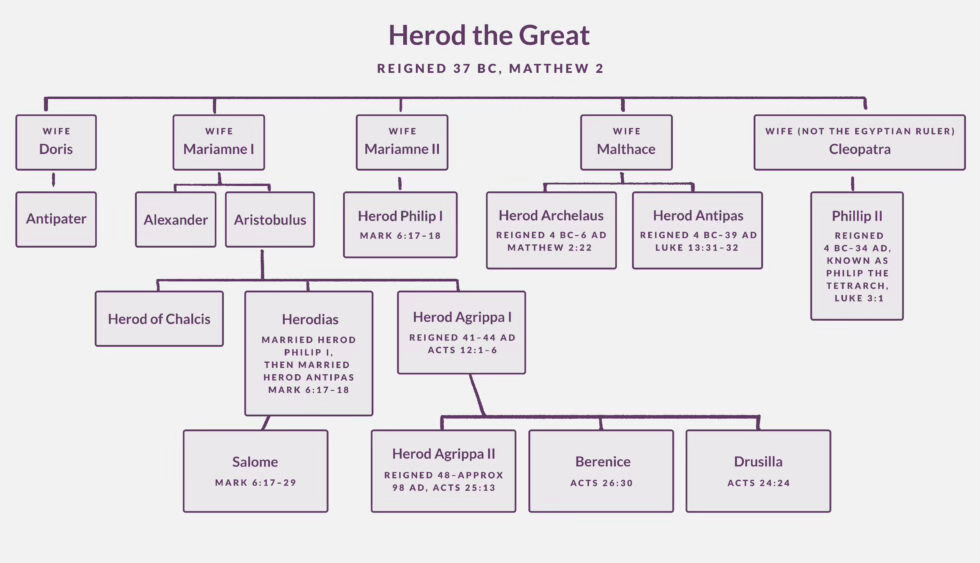
AI: “Herod’s Temple, or the Second Temple, was a massive expansion of the Jewish temple in Jerusalem begun by Herod the Great around 19 BCE. It served as the focal point of Jewish worship and the three major pilgrimage festivals until it was completely destroyed by the Roman army in 70 CE.

History and Construction

Following the return of the Jewish people from the Babylonian exile and the destruction of the First Temple (built by Solomon), the Second Temple was constructed around 516 BCE. Seeking to legitimize his rule and honor the Jewish faith, Herod the Great initiated a massive renovation and expansion project in the 1st century BC.

  • The Temple Mount: Herod greatly expanded the flat esplanade of the Temple Mount by building monumental retaining walls and filling in the surrounding terrain, creating a massive, nearly 35-acre platform.
  • Engineering Feats: The construction involved massive stones, some weighing hundreds of tons, which were maneuvered and set using advanced ancient techniques. 
  • Timeline: While the main sanctuary took about 18 months to build, expansions and subsidiary additions continued for decades. It was frequently under construction during the time of Jesus’s ministry.

Architecture and Layout

The temple complex was renowned for its beauty and grandeur, and the Talmud noted that “he who has not seen the Temple of Herod has never seen a beautiful building”. 

  • The Sanctuary: The temple building itself was faced with white marble and overlaid with gold, reflecting the sunlight so brightly that it was hard to look at directly.
  • The Courts: The esplanade was surrounded by magnificent colonnades. On the southern side stood the Royal Stoa, a grand basilica used for civic and commercial purposes. Other sections included the Court of the Gentiles, the Court of the Women, and the Court of the Priests.
  • The Antonia Fortress: At the northwest corner of the complex sat the Antonia Fortress, a Roman military garrison that overlooked the temple courts.

Significance and Destruction

Herod’s Temple was the epicenter of religious, cultural, and national life for the Jewish people. Complex sacrifices and rituals were performed there, and it was the destination for required annual pilgrimages.

  • Destruction: In 66 CE, the First Jewish-Roman War broke out. In 70 CE, Roman legions under the command of Titus besieged and conquered Jerusalem. The Romans set fire to the temple and completely leveled it, leaving not one stone standing upon another, as prophesied in Christian scriptures.
  • Modern Surviving Remains: The Temple building itself was entirely lost. However, the colossal retaining walls Herod built to support the Temple Mount esplanade survived. The most famous and holiest remaining section of this structure is the Western Wall (or Wailing Wall) in Jerusalem, which continues to be a sacred site of prayer for the Jewish people. 

But Jesus said to the disciples, “Not one stone will be left on another”. The disciples  would never have expected such  a prediction of the destruction of God’s holy temple. The Babylonians destroyed it in 586 BC. The Jews rebuilt it, although not as grandeur as Solomon’s first temple, in 516 BC on the first return from Babylonian captivity. Herod then made it a beautiful structure by the time of Jesus. 

The disciples then asked a question with two parts.” 1) When will that happen? 2) What will be the sign of Christ’s coming and the end of the age. They had heard Jesus predict that he would come back within that generation (Matthew 10:23; 16:27,28). They assumed that the 2nd coming would bring about the end of the Jewish Age and usher in the beginning of the Messianic Age. The prediction of the destruction of the temple had to confound and disturb. Maybe they are thinking that Christ will return, destroy the temple, rebuild a 3rd temple, which is what a lot of Christians think today. 

AI: “In Matthew 24:3, the disciples asked Jesus about the “end of the age”. To the 1st-century Jewish mind, this was not the end of the physical planet, but the end of the Old Covenant era—the age dominated by the Jerusalem Temple and Roman oppression. They expected the Messiah to trigger an apocalyptic transition, overthrow the Roman Empire, and establish a permanent, glorious Kingdom of Israel.

Key Jewish expectations regarding the “end of the age” included:

  • The Messiah’s Glorious Reign: They expected the Messiah to literally “come” (as inquired in verse 3) to sit on a physical throne, judge the wicked, and restore national sovereignty to Israel.
  • The Resurrection and Judgment: Rooted in passages like [Daniel 12:1-13], they anticipated a final resurrection of the dead and a vindication of the righteous.
  • The Passing of “This Age”: Jewish theology divided history into two periods: “this present evil age” (characterized by sin, suffering, and foreign domination) and “the age to come” (characterized by righteousness and the visible presence of God).

When Jesus prophesied the destruction of the Temple (v. 2), the disciples naturally assumed this catastrophic judgment would signal the arrival of the Messiah’s kingdom and the dawn of the “age to come”.”

So the disciples are looking for “when” the temple will be destroyed and for the “signs” that would precede the 2nd coming and end of the age. Jesus then names several things that will happen that will not be signs (wars, etc.). He gives a “when” answer in Matthew 24:14 This gospel of the kingdom shall be preached in the whole world as a testimony to all the nations, and then the end will come.”” The preaching of the gospel to the whole Roman Empire would have to happen first and the end of the age would follow right after that. The apostles fulfilled that by 70 AD (Colossians 1:23) when the temple was destroyed. 

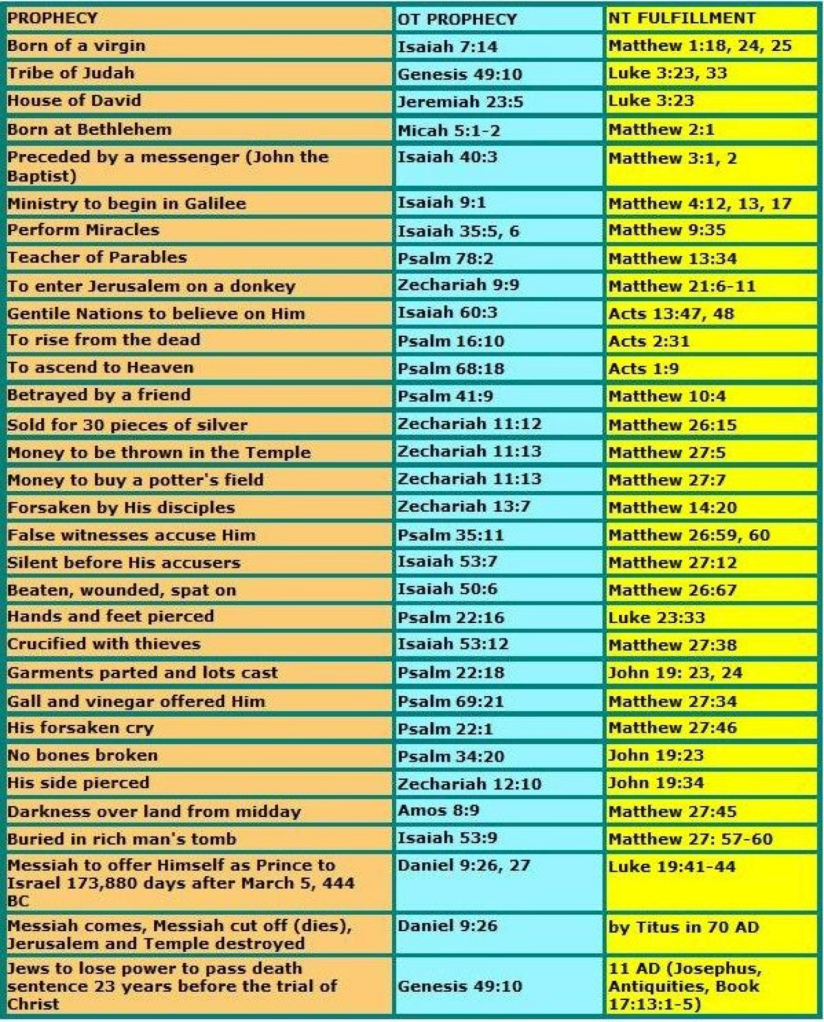
Daniel 9:24-27 had predicted the abomination and destruction of the temple in the 70 week prophecy. Daniel 12 also predicted the abomination of desolation to occur at the “end”, the “end time”, and the “end of the age”. That would be where the Jews got the idea of the “end of the age”. Jesus said that the abomination of desolation predicted by Daniel would occur after the gospel was preached to the whole world (Matthew 24:15). When would that be? In Matthew 24:34 Jesus said 34 Truly I say to you, this generation will not pass away until all these things take place.” The Greek word genea in the New Testament always means a 40 year period or the people living in a 40 year period. So the abomination of desolation of the temple had to occur within about 40 years of when Jesus said that. That means that he must be predicting the destruction of the temple by the Romans in 70 AD since he made that prediction in about 30 AD.

Luke 21 describes it differently and adds that Jerusalem itself will be trampled under foot by Gentiles (Romans) and destroyed: 21:20 “But when you see Jerusalem surrounded by armies, then recognize that her desolation is near. 21 Then those who are in Judea must flee to the mountains, and those who are inside the city must leave, and those who are in the country must not enter the city; 22 because these are days of punishment, so that all things which have been written will be fulfilled. 23 Woe to those women who are pregnant, and to those who are nursing babies in those days; for there will be great distress upon the land, and wrath to this people; 24 and they will fall by the edge of the sword, and will be led captive into all the nations; and Jerusalem will be trampled underfoot by the Gentiles until the times of the Gentiles are fulfilled.” But Luke puts the same time limit for the event to happen: 21:32 Truly I say to you, this generation will not pass away until all things take place.” Indeed the Romans did surround Jerusalem and siege it for 5 months before finally breaking through the 3 walls and destroying the city and the temple under Titus. 

Luke also adds, 21: 22 because these are days of punishment, so that all things which have been written will be fulfilled.” All Old Testament prophecies had to be fulfilled by 70 AD, and that would include Daniel’s predictions about the abomination of desolation and the end of the Age. 

Jesus adds a few warnings for the inhabitants of the city to flee hastily to the mountains when they see this sign coming true. He predicted a tribulation of the Jews like had never occurred. That tribulation would happen at the same time as the abomination of desolation. Matthew 21:21 For then there will be a great tribulation, such as has not occurred since the beginning of the world until now, nor ever will again.” Daniel 12:1-2 also predicted this AD 70 tribulation that would occur at the end of the age in 70 AD. Many use this verse to predict a tribulation of Christians at some time in our future, but that is totally incorrect. The tribulation Jesus spoke of occurred in the suffering and killing of Jews by the Romans in the Wars of the Jews (66-70 AD) and In the siege and destruction of the temple in 70 AD. 

Jesus then predicts his 2nd coming that the disciples had asked for a sign of when that would happen (24:3). 24:29 “But immediately after the tribulation of those days the sun will be darkened, and the moon will not give its light, and the stars will fall from the sky, and the powers of the heavens will be shaken. 30 And then the sign of the Son of Man will appear in the sky, and then all the tribes of the earth will mourn, and they will see the Son of Man coming on the clouds of the sky with power and great glory. 31 And He will send forth His angels with a great trumpet blast, and they will gather together His elect from the four winds, from one end of the sky to the other.” Notice that this 2nd coming would occur “immediately after the tribulation”. If the tribulation occurred in 70 AD, then the 2nd coming would be immediately after that, also in 70 AD. Jesus had already predicted that his 2nd coming would be within the lifetime of those he was talking to (Matthew 10:23; 16:27,28) so this prediction agrees with earlier predictions. He even said that some of those he was talking to would still be alive to see his 2nd coming in his kingdom (Matthew 16:28). He said in 24:30 that this 2nd coming would happen within that generation. Jesus had ascended in the clouds (Acts 1:9-11) and two angels told the apostles that he would return in the same way. Matthew 24:30 confirms that he came “on the clouds” in 70 AD. “Every eye will see him”: Revelation 1:7 describes the Second Coming of Jesus, stating: “Behold, he is coming with the clouds, and every eye will see him, even those who pierced him, and all tribes of the earth will wail on account of him.” Matthew 24:30 “they will see” Jesus when he would come in 70 AD at his 2nd coming. Did every eye on the planet see Jesus coming in 70 AD? No, but the first century Jews saw that 70 AD was Jesus coming on the clouds to judge the Jews, especially those who crucified him, who would be killed by the Romans in 70 AD. The bottom line is that Matthew 24:30-34 said that they would see Jesus coming on the clouds at the 2nd coming within that generation, fulfilling the prediction that every eye will see him coming on the clouds.

But what about “the stars will fall from the sky” if this prediction in 70 AD? Did that happen literally in 70 AD. Of course not. But such figurative language was used often in the Old Testament describing judgments of nations. Isaiah 13 uses the same type of figurative language to describe the judgment of Babylon. Isaiah 13:10 “the stars will not flash their light, the sun will be dark when it rises, and the moon will not shed its light”. So the stars falling was fulfilled figuratively in the 2nd coming in 70 AD. Many think that the stars will have to fall literally at some future 2nd coming but that is false. 

In Matthew 24:36-41 Jesus compares this imminent 2nd coming with the judgment of the world in the days of Noah. Just like the wicked before the flood, the wicked Jews would not heed Jesus’ warning about 70 AD. 24:37 For [ab]the coming of the Son of Man will be just like the days of Noah.” This is the same 2nd coming in 70 AD that he had just predicted. Many agree that up to verse 35 is predicting AD 70 but then they say verses 36-41 is predicting a 3rd coming that is still in our future. Where would such a new prediction of a 3rd coming come from since we now have 3 predictions (Matthew 10:23; 16:27,28; 24:30-34) by Jesus that his 2nd coming would be within that generation? Not only that, he says that, just like the flood, “two men will be taken and one left”. So who was “taken” at the flood? It was the wicked taken and the righteous (Noah and his family) that were left. This is totally opposite of what futurists teach will happen at some “rapture” at some future 2nd coming. They say the righteous will be taken and the wicked left, which is the opposite of what Jesus said would happen in 70 AD. Matthew 24 is predicting only one 2nd coming in 70 AD Even Jesus did not know the exact time and date, but he gave the signs to look for so the righteous Jews could escape the city before it was too lat. According to Eusebius, they Jewish Christians in the city did heed Jesus’ warnings and fled to Pella before 70 AD. 

This discussion of Matthew 24 doesn’t deal with every detail, but I hope it does correctly interpret Jesus’ comments. Some say that it does predict AD 70 but that it has a double fulfillment of a 3rd coming in our future, but such double fulfillments would make the original prediction meaningless. The prediction was that the 2nd coming would occur within that generation and that can’t be fulfilled a 2nd time going on 2000 years later. Some use this chapter to predict nothing but a future 2nd coming that is yet to happen, but that is false also. They say that the “generation” in Matthew 24:34 is some future “terminal generation, the last generation before the 2nd coming, instead of the generation living when Jesus spoke this. That is false also. I heard on TV preacher use 24:34 to say that the 2nd coming was imminent at the time he was speaking b/c he said it had to happen “within this generation” of about 40 years, i.e. the period the preacher was living in. If it meant that when the preacher lived, why did it not mean that when Jesus spoke it? 

AI: Associated with Daniel’s prophecies, this is widely viewed as a future, literal event where an ultimate world leader (the Antichrist) desecrates a rebuilt Jewish Temple in Jerusalem.” Of course, for Matthew 24 to be fulfilled in our future, a 3rd temple would have to be built and many expect that to happen.

AI:”Beliefs about a Third Temple on the Temple Mount in Jerusalem are rooted in Jewish eschatology and Christian end-times prophecy. Specific groups hold varying views on its construction:

  • Orthodox Judaism: Many believe a literal Third Temple will be built, and animal sacrifices will be reinstituted in the Messianic era. Organizations like the Temple Institute have actively prepared for this by recreating ritual objects and priestly garments. Traditional views dictate that this Temple will be built by the Messiah himself or descend miraculously from heaven. They do not expect this 3rd temple to be defiled or destroyed, as Christians believe, b/c they do not accept Jesus as the true Messiah and therefore reject his teachings in Matthew 24. 
  • Evangelical and Dispensational Christians: Many Christians (particularly premillennialists) believe a literal Third Temple must be built in Jerusalem prior to the Second Coming of Jesus Christ. They interpret biblical prophecies as foretelling that the Antichrist will allow the Temple to be built, only to defile it mid-way through a seven-year tribulation period. They believe that 3rd temple will be destroyed. 
  • The Church of Jesus Christ of Latter-day Saints: Also known as the LDS Church, they believe that a Jewish temple will be built in Jerusalem in the last days, in addition to another temple to be built in Missouri.”

That just amazes me these groups all agree that a 3rd temple will be built but totally disagree on what will happen after that. The orthodox Jews believe that the temple will not be destroyed but will resume animal sacrifices and convert Gentiles to Judaism. They get this from Jeremiah 33:17 For this is what the Lord says: ‘David shall not lack a man to sit on the throne of the house of Israel; 18 and the Levitical priests shall not lack a man before Me to offer burnt offerings, to burn grain offerings, and to prepare sacrifices continually.’” That does sound like what will happen if this was to be fulfilled literally. But if you are a Christian and believe in the New Testament, then you know that is not going to happen. The book of Hebrews clearly states that the animal sacrifices have ceased and we are saved by the blood of Jesus. God would never have us go back to animal sacrifices and Levitical priests like in the Old Covenant. All Christians are priests in the new covenant and not just one tribe of Judah who can’t even prove their genealogy today. So Jeremiah 33:17-18 is fulfilled figuratively and not literally in the new covenant. The sacrifices Christians offer as spiritual priests are praise, thanksgiving, and sharing with others instead of animal sacrifices. 

Then there are the Christians who mistakenly say Matthew 24 is still in our future, that a 3rd temple will be built and destroyed, and that Jesus’ 2nd coming will convert the Gentiles and Jews to Christianity. But they think the nation of Israel is somehow part of this happening so they promote the support of Israel. But God said that he was taking the kingdom from Israel and giving it to the spiritual kingdom, the church (Matthew 21:43). God wants all Jews to be saved by belief in Jesus but he is through with Israel as a nation. Strange bedfellows, the Jews and the Christians. Raising money together to build a 3rd temple but totally different plans for that temple and two totally different plans of salvation (one with Jesus and one with a future Messiah to come). Of course the Mormons have their cultish believe in two temples, one in Jerusalem and one in Missouri (why not Utah?) 

Let’s thrown in another kink. AI: “Shia Muslims do not believe that Jesus will rebuild the Jewish temple but they do believe that Jesus is coming back with the Imam Madhi. In Shia eschatology, the primary goal of Jesus’s return is to support the Imam Mahdi (the twelfth, hidden Shia Imam) in establishing global justice and to unite believers under Islam.

Key aspects of these beliefs include:

  • The Role of Jesus: Jesus (known as Isa in Islam) is a highly revered prophet and the Messiah. Upon his return, he is expected to pray behind Imam Mahdi, demonstrating the finality of Prophet Muhammad’s message and the leadership of the Imam.
  • Focus on Existing Holy Sites: Rather than building a new Jewish temple, the returned Jesus and Imam Mahdi are focused on defeating evil and restoring righteous rule and the conversion of all peoples and religions other Islam. The site of the former Jewish temple in Jerusalem is currently home to the Al-Aqsa Mosque and the Dome of the Rock, which are deeply sacred in Islam.
  • Islamic Prophecy: According to traditional Islamic sources, Jesus will fulfill his role by correcting misunderstandings about his life, confirming his status as a messenger, and guiding Christians and Jews to recognize the truth of Islam. He will tell Christians that they have been misled into believing that Jesus was the Son of God when he was just another prophet, not even the last prophet (Muhammed was the last prophet). Muhammed was very clear in the Koran that God did not have a Son and that the Christians had been deceived to believe that Jesus was the Son of God.