
Do you have any idea where the New Hebrides islands are? They are in the South Pacific.
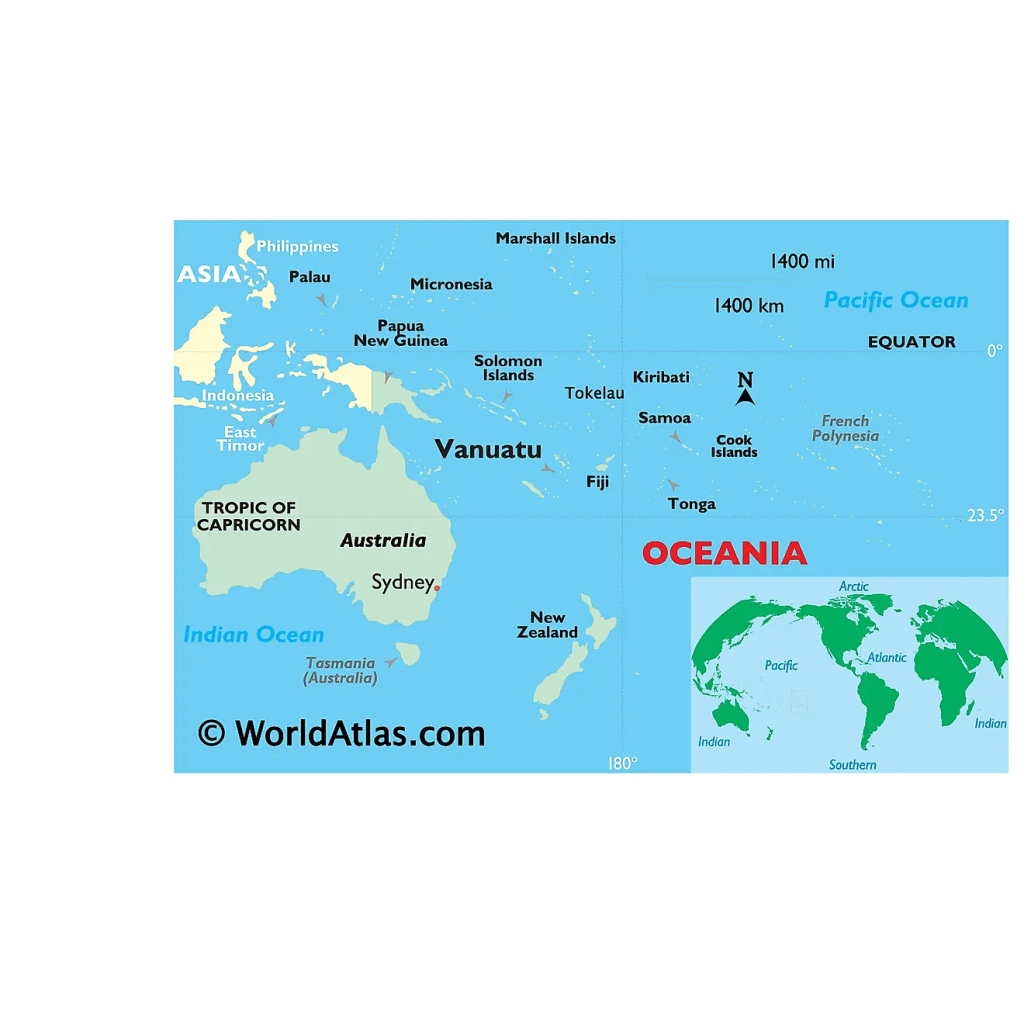
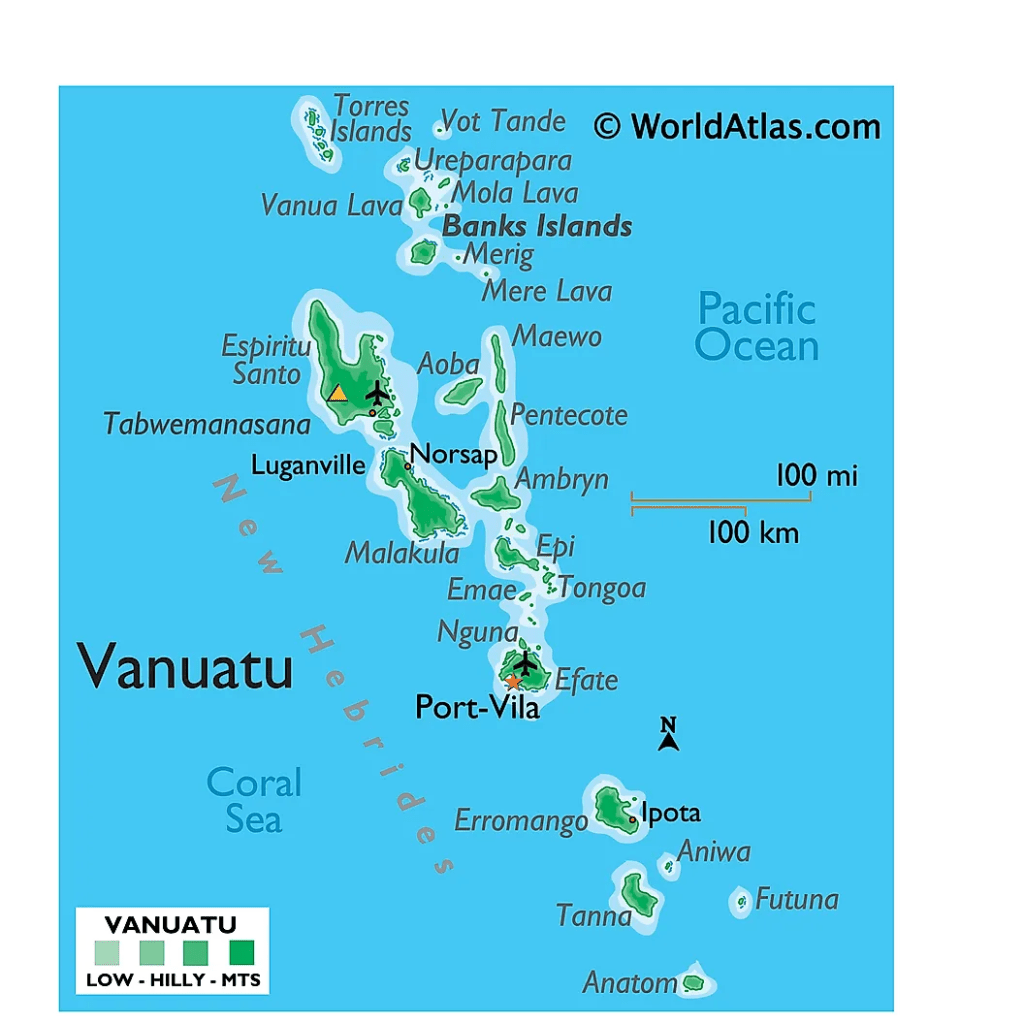
The New Hebrides, now known as Vanuatu, consists of roughly 80 islands in the South Pacific. These islands are situated northeast of New Caledonia and southeast of the Solomons. While there are 80-odd islands in total, not all of them are inhabited. Notice the islands of Tanna and Aniwa. They are at the heart of the post today concerning John G. Paton. Born in Scotland in 1824, John married Mary in April, 1858 and 14 days later sailed to the South Pacific and landed on the island of Tanna in November, 1858. They joined a missionary who had been working there for several years. Three months after their arrival, a son, Peter Robert Robson, was born on 12 February 1859. But just 19 days later, Mary died from tropical fever soon to be followed to the grave by the newly born Peter at 36 days of age. The natives on Tanna were cannibals. In 1839 two missionaries had been martyred and eaten by the cannibals in the South Pacific. “After Mary died, John spent nights sleeping on their grave to protect them from the local cannibals. The gravesite is still accessible to this day with a plaque marking the spot, erected in 1996.” (Wikipedia)
John continued alone for 4 years trying to convert the cannibals in spite of the danger he faced from the cannibals. 14 times he was attacked with a fever. He barely escaped the cannibals on many occasions. Later he returned to Scotland to raise money for the work in the New Hebrides and to encourage missionaries to go there. In 1865 he married again to Maggie and they went to another island in the New Hebrides, Aniwa, in 1866. The natives of Aniwa were cannibals also but they were more receptive than those in Tanna. “John learned the language and reduced it to writing. Maggie taught a class of about fifty women and girls who became experts at sewing, singing and plaiting hats, and reading. They trained the teachers, translated and printed and expounded the Scriptures, ministered to the sick and dying, dispensed medicines every day, taught them the use of tools, held worship services every Lord’s Day, built orphanages and took care of many orphans, and sent native teachers to all the villages to preach the gospel. Enduring many years of deprivation, danger from natives and disease, they continued with their work and after 15 years of patient ministry, the entire island of Aniwa professed Christianity. In 1899 Paton saw his Aniwa New Testament printed and the establishment of missionaries on twenty-five of the thirty islands of the New Hebrides.” (Wikipedia) Maggie died in 1905 and John died at the age of 82 in 1907. John spent almost 50 years mission work in Tanna and Aniwa. He was courageous and willing to put his life on the line to propagate the gospel of Jesus.
“In Christianity, an unreached people group refers to an ethnic group without an indigenous, self-propagating Christian church movement. It is estimated that of the 8.08 billion people alive in the world today, 3.42 billion of them live in unreached people groups with little or no access to the Gospel of Jesus Christ. For every $100,000 a Christian earns, only $107 on average will go to world missions. And roughly 1% of that money will support the 3.1 billion people who live in unreached people groups.” (AI)
I encourage you to pray over this map of unreached people groups worldwide. Churches spend about 75-80 % of the money they collect in contributions on buildings and staff. Churches collect about 75 billion per in contributions but only a small % of that money goes into mission work and a very, very small % of that money goes toward reaching the unreached people groups with the gospel. Fellow Christians, what are we doing? Where do you think Jesus would want all that money spent? Children dying all over the world b/c of unclean water. Families and children in refugee camps trying to escape local warring groups. Famine and flood relief needed. The Bible needs to be translated into all the languages of the world. “As of November 2024 the whole Bible has been translated into 756 languages, the New Testament has been translated into an additional 1,726 languages, and smaller portions of the Bible have been translated into 1,274 other languages. Thus, at least some portions of the Bible have been translated into 3,756 languages.” (AI) So the translations are there, we just need to print and distribute them to the world.
I hope you at least tithe (give a tenth). I hope you give that tithe to the many organizations that print Bibles, support missionaries, drill wells, provide food for the oppressed and needy worldwide.
 Nicky's Notes