
1 Timothy 5:1 Do not sharply rebuke (epipléssó: To rebuke, to reprove, to chide: It implies a strong, often public, expression of disapproval or correction) an older man, but rather appeal to him as a father, and to the younger men as brothers, 2 to the older women as mothers, and to the younger women as sisters, in all purity.” Paul would tell Timothy: 2 Timothy 4:2 preach the word; be ready in season and out of season; correct, rebuke, and exhort, with great patience and instruction”. So there might come a time when he would need to publicly correct or rebuke a church member, but how he should do it is important. Instead of being harsh and dictatorial, try to approach them in love as you would a family member, as you would your own father or mother, respecting their age. Or a family brother, in love. Especially be careful how you correct a younger women, in all purity. Too many church preachers have gotten into sexual temptation while counseling a woman.
I often wonder what Paul is thinking as he wrote his letters. What was his flow of thoughts? He had just commented on older members and younger members in 5:1-2. Did that lead him into “how to approach widows”? Obviously caring for widows was of special importance to Paul. To God also. (AI) “In the Old Testament, the care of widows was considered a significant responsibility, with the Bible repeatedly instructing people to treat widows with compassion, provide for their needs, and protect them from exploitation, essentially portraying God as a defender of the widow and expecting his people to do the same; this included leaving food for them in the fields and setting aside a special tithe for their support.” Deuteronomy 14:28,29: 28 “At the end of every third year you shall bring out all the tithe of your produce in that year, and you shall deposit it in your town. “You are to set aside a portion for the foreigner, the fatherless and the widow in your land, so that they may eat and be satisfied; then the Lord your God will bless you in the land you are entering to possess.” Exodus 22:22:“Do not mistreat any widow or fatherless child.” Psalm 68:5:“A father to the fatherless, a defender of widows, is God in his holy dwelling.” Deuteronomy 26:12-13 Every third year, the year of the tithe, give a tenth of your produce to the Levite, the foreigner, the orphan, and the widow so that they may eat their fill in your cities. And then, in the Presence of God, your God, say this: I have brought the sacred share, I’ve given it to the Levite, foreigner, orphan, and widow. What you commanded, I’ve done. I haven’t detoured around your commands, I haven’t forgotten a single one.” Jeremiah 7:6 if you do not oppress (or expoloit) the stranger, the orphan, or the widow, and do not shed innocent blood in this place, nor follow other gods to your own ruin, 7 then I will let you live in this place, in the land that I gave to your fathers forever and ever.” Zechariah 7:9 “This is what the Lord of armies has said: ‘Dispense true justice and practice kindness and compassion each to his brother; 10 and do not oppress the widow or the orphan, the stranger or the poor; and do not devise evil in your hearts against one another.’” Malachi 3:5 “Then I will come near to you for judgment; and I will be a swift witness against the sorcerers, the adulterers, against those who swear falsely, those who oppress the wage earner in his wages or the widow or the orphan, and those who turn away the stranger from justice and do not fear Me,” says the Lord of armies.” Deuteronomy 24:17-21 “You shall not pervert the justice due to the sojourner or to the fatherless, or take a widow’s garment in pledge, but you shall remember that you were a slave in Egypt and the Lord your God redeemed you from there; therefore I command you to do this. “When you reap your harvest in your field and forget a sheaf in the field, you shall not go back to get it. It shall be for the sojourner, the fatherless, and the widow, that the Lord your God may bless you in all the work of your hands. When you beat your olive trees, you shall not go over them again. It shall be for the sojourner, the fatherless, and the widow. When you gather the grapes of your vineyard, you shall not strip it afterward. It shall be for the sojourner, the fatherless, and the widow.” Ruth “gleaned” in the fields of Boaz. Isaiah 1:17 Learn to do good; seek justice, correct oppression; bring justice to the fatherless, plead the widow’s cause.” Isaiah 10:1 Woe to those who make unjust laws, to those who issue oppressive decrees,2 to deprive the poor of their rights and withhold justice from the oppressed of my people, making widows their prey and robbing the fatherless.”
James 1:27 Pure and undefiled religion in the sight of our God and Father is this: to visit orphans and widows in their distress, and to keep oneself unstained by the world.” The Greek word for “visit” is episkeptomai: To visit, to look after, to care for. (AI) “In the Greco-Roman world, visiting someone was not merely a social call but often carried the connotation of providing support or assistance. This cultural understanding is reflected in the New Testament usage, where visiting is often linked with acts of mercy, care, and oversight. In Jewish tradition, visiting the sick and caring for the needy were considered acts of righteousness and piety, aligning with the biblical emphasis on love and community responsibility.” You visit a widow with the intent of seeing what they need and then helping them.
So we come to some special instructions concerning widows. 1 Timothy 5:3 Honor widows who are actually widows; 4 but if any widow has children or grandchildren, they must first learn to show proper respect for their own family and to give back compensation to their parents; for this is acceptable in the sight of God. 5 Now she who is actually a widow and has been left alone has set her hope on God, and she continues in requests and prayers night and day. 6 But she who indulges herself in luxury is dead, even while she lives. 7 Give these instructions as well, so that they may be above reproach. 8 But if anyone does not provide for his own, and especially for those of his household, he has denied the faith and is worse than an unbeliever.” What does he mean by “actually widows” or “actually a widow”? He is talking about a widow who meet certain qualifications that would make them eligible for regular assistance from the church. First of all, she must “be left alone” with no family members that could take care of her. But what if there is a family member who could take care of a family widown but doesn’t? I’m sure Paul would say “take care of that widow”, but he would say “don’t put her on the list of widows to be given regular assistance”. Secondly, she must not be a widow who “indulges herself in luxury”.
The Old Testament had instructions for the care of widows, even a tithe every third year for the care of widows and orphans. There would no such laws for the care of widows in the Roman Empire when. Paul wrote 1 Timothy. There was no “state welfare” system. Family members were expected to take care of their widows. Paul expected family members to take care of their own widows. But the early church had a “list” of “actually widows” or “widows indeed” (KJV ) who received regular help and food. Acts 6 is an example of this. The Grecian widows were being neglected so 7 men were chosen to provide food for those widows, no doubt on a daily basis such as “meals of wheels” today takes food every day to the needy elderly. Widows in the U.S. often don’t even need help from family members. My mom was widowed twice, but she did not need financial help from me. She had social security, a teacher’s retirement benefit, and a surviving widow’s benefit from the military. She did not “indulge in luxury” (1 Timothy 5:6) but she had enough money to take care of herself in her own apartment. She did not need help from me or the church. But many widows in the U.S. maybe only have social security (or perhaps no social security depending on having worked or a deceased husband’s social security).
But which widows could be put on this list for regular church help? 1 Timothy 5:9 A widow is to be put on the list only if she is not less than sixty years old, having been the wife of one man, 10 having a reputation for good works; and if she has brought up children, if she has shown hospitality to strangers, if she has washed the saints’ feet, if she has assisted those in distress, and if she has devoted herself to every good work. 11 But refuse to register younger widows, for when they feel physical desires alienating them from Christ, they want to get married, 12 thereby incurring condemnation, because they have ignored their previous pledge. 13 At the same time they also learn to be idle, as they go around from house to house; and not merely idle, but also they become gossips and busybodies, talking about things not proper to mention. 14 Therefore, I want younger widows to get married, have children, manage their households, and give the enemy no opportunity for reproach; 15 for some have already turned away to follow Satan. 16 If any woman who is a believer has dependent widows, she must assist them and the church must not be burdened, so that it may assist those who are actually widows.“
Pretty stringent requirements for a widow to be placed on this list. “At least 60 years old” would be a key one. Qualified widows apparently had to make a pledge of some kind to be put on the list. I would love to see what that pledge was. He mentioned younger widows having “physical desires” (sexual), wanting to get married. So the pledge was probably that the widow would pledge to abstain from sex, courting a man, etc. Paul says that the younger widows tended to have those physical desires, be idle gossips and busybodies, talking about things they should not mention. He tells the younger widows to get married, have children, and manage their households. Younger widows who behaved badly was apparently a problem in the church when Paul wrote b/c “some had already turned away to follow Satan”.
(AI) “Early Christian Church leaders did embrace the obligation to care for the most vulnerable—the third century Didascalia Apostolorum outlined numerous provisions of the responsibilities of the bishops towards widows and orphans, who were interestingly also considered Church officials.” Support: The church provided material support for widows. Community: The church incorporated widows into the community. Honor: The church honored widows’ contributions to the common good. Special status: Widows enjoyed a special status in the church and were able to serve in a particular manner. Order of Widows: The church organized formal groups of widows as part of its orders of ministry. “By the 3rd century (by 250 AD) the church at Rome had over 1500 registered widows and recipients of alms. The city was divided into seven administrative districts, or diaconiae, under the care of seven deacons. Instead of the Roman state distributing bread, the deacons looked after it.” Here is a great article from Christian History Institute on this topic. https://christianhistoryinstitute.org/magazine/article/new-era-in-roman-healthcare
The Romans looked to the god Asclepios, the god of medicine and healing, for immediate healing but there was nothing in place for long term caring for widows and orphans. Unwanted childen were often left out in the cold to die. Widows were left to die. The sick had not hospitals to go to. It was Christians who started hospitals and care facilities. “In the early fourth century, lay Christian orders began to appear in the large cities of the Eastern Roman Empire. The two best known were the spoudaioi (“the zealous ones”) and (in Egypt) the philoponoi (“lovers of labor”). The mission of these groups, drawn mostly from the lower classes, was to reach out to the indigent sick in cities such as Alexandria and Antioch. These cities had a large population of homeless sick and dying on the streets. The philoponoi would distribute food and money to them and take them to the public baths, where their basic hygienic needs could be met and they could find warmth in winter. None had medical training, but they were motivated by compassionate concern. Over time they became an intermediate order between clerical orders and laymen, and in the sixth and seventh centuries they were attached to large churches in the major cities of the Byzantine Empire and continued the long tradition of church-centered diaconal care of the sick.” (from the CHI article) “Many movements in the history of Christian philanthropy have drawn on the legacy of early Christian medical care. Roman Catholics have excelled in organizing and institutionalizing medical charities, including hospitals, most of them maintained by religious orders of women. The Sisters of Charity, founded by St. Vincent de Paul (1580–1660), became a major force in caring for the sick.”
Here is another CHI article about the Christians and the church establishing places to help the poor and the sick, which would include widows. https://christianhistoryinstitute.org/magazine/article/from-poorhouse-to-hospital
Here is another CHI article: https://christianhistoryinstitute.org/magazine/article/timeline-healthcare-and-hospitals
This article gives a timeline for a timeline of “healthcare and hospitals in the mission of the church”:
Early 2nd century: Christians by this time have developed church infrastructure to assist the sick. This assistance is usually led by deacons and deaconesses and focuses on palliative care.
— Late 2nd century: Galen (c. 131–201) practices as a physician and publishes the medical treatises that will form the basis of Western medicine for centuries.
— 250–51: Devastating plague spreads throughout the Western Roman Empire, causing the church to expand its program of benevolence. The church at Rome is said to minister to 1,500 widows and others in need, spending annually an estimated 500,000 to 1,000,000 sesterces.
— 4th century: Bishops in the eastern half of the empire begin to establish xenodocheia as Christian welfare institutions for the sick and poor.
— 330: Basil of Caesarea (c. 330–379) is born into a Christian family from Cappadocia in Asia Minor (central Turkey).
—360: Basil founds his hospital in Cappadocia; he is ordained bishop in 370.
— The decades after 370: In Constantinople, Alexandria, and throughout the Eastern empire, many hospitals are founded on the example of Basil’s great “Basileum.”
— Late 4th century: John Chrysostom (c. 349–407) tells us that the Great Church in Antioch, Syria, supported 3,000 widows and unmarried women, as well as the sick, the poor, and travelers.
— Late 4th century: Fabiola (d. 399?) establishes first Roman hospitals.
In the U.S., many widows need financial help, but often they don’t need financial help and are neglected by the church. My mom was an example of that. She did not need financial help but she loved the few visits that she received from a few, only a few, church members. One man and his wife, Keith and Jamie Coates, visited her every month without fail. Dorothy Minor, the wife of Hugh Minor, a long time ministry associate of mine, would visit my mom every week for Bible study (mom teaching her). Those visits helped my mom so much. That was what she needed; not money or food. But how many members of our church at that time visited my mom, a widow, or any other widows, on a regular basis. Or how many widows did I visit and look after emotionally and spiritually, if not financially.
5:17-22 is about elders and I included thoughts on these verses in the 1 Timothy 3 article on elders.
Actually 5:23-24 sounds connected to 5:17-22. It seems that Paul is stll talking about elders who sin and need to be rebuked. So it is intersting that between 5:22 and 5:24 Paul says: 23 Do not go on drinking only water, but use a little wine for the sake of your stomach and your frequent ailments.” Why throw that in here? Sometimes we may be talking to someone about a topic and remember something that we wanted to tell them about something else, so we pause and do a BTW on the 2nd topic. And then we resume the first topic. For whatever reason, Paul wanted to tell Timothy to use a little wine for his stomach and frequent ailments. Wine was a common drink in the early church. Even elders and deacons could drink wine as long as not too much wine and not addicted to wine. But apparently Timothy was a “tee-totaler” and drank no wine. Was he concerned that drinking wine might hurt his influence? Here is an article that discusses the many benefits of red wine, especially for heart health and digestion. https://www.medicalnewstoday.com/articles/265635 Maybe Paul found this out from his traveling companion, Dr. Luke. Of course, drinking too much alcohol can cause a lot of problems, including addiction and cirrhosis of the liver. Paul condemned drunkenness: Galatians 5:19 Now the deeds of the flesh are evident, which are: sexual immorality, impurity, indecent behavior, 20 idolatry, witchcraft, hostilities, strife, jealousy, outbursts of anger, selfish ambition, dissensions, factions, 21 envy, drunkenness, carousing, and things like these, of which I forewarn you, just as I have forewarned you, that those who practice such things will not inherit the kingdom of God.” Ephesians 5:18 And do not get drunk with wine, in which there is debauchery, but be filled with the Spirit.” Romans 13:13 Let’s behave properly as in the day, not in carousing and drunkenness, not in sexual promiscuity and debauchery, not in strife and jealousy.” 1 Peter 4:3 For the time already past is sufficient for you to have carried out the desire of the Gentiles, having pursued a course of indecent behavior, lusts, drunkenness, carousing, drinking parties, and wanton idolatries. 4 In all this, they are surprised that you do not run with them in the same excesses of debauchery, and they slander you.” The Greek for “debauchery” is asótia: Dissipation, debauchery, profligacy, reckless living. These comments from biblehub.com on asotia: “Usage: The term “asótia” refers to a lifestyle characterized by excess, indulgence, and a lack of moral restraint. It implies a squandering of resources, both material and spiritual, in pursuit of hedonistic pleasures. In the New Testament, it is used to describe behaviors that are contrary to the disciplined and righteous life expected of believers. Cultural and Historical Background: In the Greco-Roman world, “asótia” was often associated with the behavior of those who lived extravagantly and without regard for societal norms or personal responsibility. Such lifestyles were typically marked by excessive drinking, sexual immorality, and wastefulness. The term would have been understood by early Christians as a warning against adopting the hedonistic practices prevalent in the surrounding pagan culture.” Drunkenness leads to debauchery or reckless living. These verses sound a lot like today’s society. Binge drinking is basically getting drunk. Large amounts of alcohol in a short period of time.
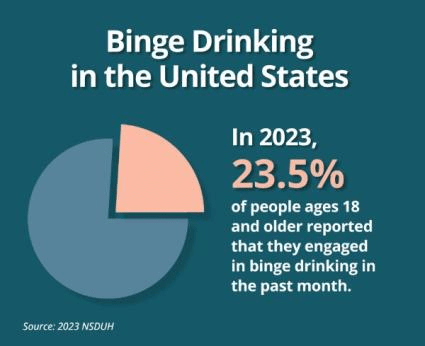
Particularly concerning is drinkin alcohol among college students ages 18-22. Prevalence of Drinking: According to the 2022 National Survey on Drug Use and Health (NSDUH), 49.0% of full-time college students ages 18–22 drank alcohol in the past month.1
Prevalence of Binge Drinking: According to the 2022 NSDUH, 28.9% of full-time college students ages 18–22 reported binge drinking in the past month.1
Prevalence of Heavy Alcohol Use: According to the 2022 NSDUH, 7.4% of full-time college students ages 18–22 reported heavy alcohol use in the past month.2
From alcohol help.com https://www.alcoholhelp.com/resources/college-alcohol-abuse/
“A large percentage of college students consume alcohol by binge drinking. Binge drinking is defined as when a person consumes an excessive amount of alcohol in a short timeframe. For men, binge drinking involves drinking five or more alcoholic beverages in two hours. On the other hand, binge drinking for women is considered four or more drinks within a two-hour time period.
The high-risk period of binge drinking for college students is during the first six weeks of their freshman year. Many of these students fall into peer pressure and begin drinking soon after the first day of classes. Alcohol use is commonly viewed as the “college experience” that students desire. They want to fit in and make new friends, so they keep drinking without thinking about the potential consequences involved.
Within the last couple of decades, college students have started consuming more hard liquor than beer. Rather than drinking to socialize, an increasing number of young adults are drinking to get drunk. Since liquor has one of the highest alcohol percentages by volume, it takes fewer drinks to feel its effects. The end goal for some is to drink as much as possible or black out. These outcomes are extremely dangerous and can possibly lead to life-threatening effects, such as alcohol poisoning.
Consequences Of Heavy Drinking In College: Nearly every college student has been impacted by alcohol use during their academic career – even if they have never drank themselves. For instance, a person can witness a friend’s drinking pattern worsening over time, gradually taking over their life. Heavy drinking affects more than just an individual; it can destroy anything in its path, including friendships and relationships. Excessive alcohol consumption can take a toll on a student’s academics. Drinking may even become a priority over attending classes, completing homework and studying for exams. An estimated one in every four college students admit to having poor grades or other academic problems because of their drinking behavior. Alcohol-related problems begin to arise when an individual drinks excessively and puts their health – and the health of others – at risk. Several consequences associated with heavy drinking in college are:
Performing Poorly In Classes
A lack of effort in school can make a difference in whether a student passes or fails a class. It can cost thousands of dollars to retake a course or change majors due to bad grades. In addition, failing classes will push back a student’s graduation, taking more time and money to complete the degree program.
Risking Injury
Drinking can increase a person’s risk of injury, ranging from minor cuts to broken bones or concussions. The higher someone’s blood alcohol content (BAC) level, the greater the chance of getting injured. Each year, close to 600,000 college students unintentionally injure themselves due to heavy drinking. Injuries can involve bruising, fractures, muscle sprains and other similar issues.
For those who struggle with depression or anxiety, alcohol consumption can cause life-threatening effects. Students who face extreme mental instabilities are most at risk of attempting to commit suicide or other acts of self-harm. Alcohol can significantly alter a person’s mind, which can make them act irrationally.
Becoming A Victim Of Assault
Alcohol is known to lower a person’s inhibitions and therefore, makes them more vulnerable to physical or sexual assault. Close to 700,000 students between the ages of 18 and 24 are assaulted by a student who had been drinking prior to the offense.
Another serious crime linked closely to alcohol use is sexual assault. All too often, perpetrators prey on victims who have been drinking. Victims are sometimes too incoherent to fight back or pass out before knowing what happened. Sexual assault can have a lasting effect on someone emotionally and physically, including getting a sexually transmitted disease (STD), having an unwanted pregnancy, or causing lasting psychological damage.
Committing Criminal Activities
When someone is under the influence of alcohol, their actions may be entirely different from how they would normally behave. This involves committing a crime, no matter how minor it may be, that a person wouldn’t have committed if they were sober. Highly intoxicated college students usually partake in vandalism, property damage, driving under the influence and other criminal activities.
Sometimes though, alcohol-related crimes can be extremely serious and put other people in danger. Harmful criminal activities involve battery, kidnapping and homicide. College students who commit crimes while intoxicated can face legal punishments such as fines, probation, suspended license and jail time.
Developing Health Issues
The effects of heavy drinking do not always happen immediately. It may take months or even years for some effects to occur. Nearly 150,000 college students develop some type of alcohol-related health problem every year. This may include liver damage, high blood pressure, inflammation of the pancreas and other health complications.
College students who participate in frequent drinking activities are also more likely to develop a dependency on alcohol later in life. Although alcoholism typically results from years of drinking, it can also happen during periods of heavy and frequent drinking during college. Bad drinking habits in college can evolve into other issues, like alcoholism, in the future.
College Drinking Statistics
Roughly 20% of college students meet the criteria for having an alcohol use disorder (AUD). Close to 60% of college students between the ages of 18 and 22 admitted to drinking in the past month. Of those, nearly two in every three engaged in binge drinking. A little less than 2,000 college students ranging from 18 to 24 years old die from unintentional, alcohol-related injuries each year.”
This is alarming information about drinking in college. Parents tend to send their kids off to college without monitoring their drinking habits in college. How many of these 28.9% of college students who got drunk in the last month or of the 20% of college student who have AUD (addiction to alcohol) hide their alcohol consumption from their parents? More than ever parents should consider Christian colleges. I’m sure there is some drinking and drunkenness there also, but it is monitored more closely there. “Christian colleges can and often do expel students for drunkenness, as most Christian colleges have strict alcohol policies that consider public intoxication a serious violation of their code of conduct, potentially leading to disciplinary actions including expulsion depending on the severity of the offense and the institution’s specific guidelines.” Students who drink in Christian colleges either hide it well or drink off campus, but it is monitored more closely than in public colleges. Apparently no one would ever be expelled from a public college just for drunkenness unnless it led to other serious infractions.
What about addiction to alcohol (AUD)?
“Globally an estimated 237 million men and 46 million women suffer from alcohol-use disorders with the highest prevalence among men and women in the European region (14.8% and 3.5%) and the Region of Americas (11.5% and 5.1%). Alcohol-use disorders are more common in high-income countries.” Alcoholism is the third-leading cause of preventable death in the United States. Every day, 385 Americans die from excessive alcohol use, with 83.9% of those deaths occurring in adults aged 35 or older. Of all deaths attributable to alcohol, 28% were due to injuries, such as those from traffic crashes, self-harm and interpersonal violence; 21% due to digestive disorders; 19% due to cardiovascular diseases, and the remainder due to infectious diseases, cancers, mental disorders and other health conditions.”
Maybe Timothy was wise to be “tee-totaler”! My church’s preachers condemned any drinking of alcohol, even in moderation, as a sin. But the Bible doesn’t condemn drinking in moderation. It only condemns drunkenness. The Law of Moses actually encouraged drinking of wine or strong drink in meals to be enjoyed at the tabernacle or temple. Deuteronomy 14:26 And you may spend the money (tithe money) on whatever your [heart desires: on oxen, sheep, wine, other strong drink, or whatever your heart desires; and there you shall eat in the presence of the Lord your God and rejoice, you and your household.” But it also condemns drunkenness as one of the sins of Israel: Isaiah 28:7 And these also reel with wine and stagger from intoxicating drink: The priest and the prophet reel with intoxicating drink, They are confused by wine, they stagger from intoxicating drink; They reel while having visions, They stagger when rendering a verdict. 8 For all the tables are full of filthy vomit, without a single clean place.” Isaiah 5:11 Woe to those who rise early in the morning so that they may pursue intoxicating drink, Who stay up late in the evening so that wine may inflame them! 12 Their banquets are accompanied by lyre and harp, by tambourine and flute, and by wine; But they do not pay attention to the deeds of the Lord, Nor do they consider the work of His hands.”
Perhaps more than ever we need to encourage not drinking alcohol at all (unless you need it for your stomach ailments). It just leads to so many sinful things. Even if you drink in moderation at a social gathering, others are getting drunk. They might even mock and make fun of you for not getting drunk such as the Gentiles did in 1 Peter 4:4 In all this, they are surprised that you do not run with them in the same excesses of debauchery, and they slander you.” So avoid “drinking parties” 1 Peter 4:3 3 For the time already past is sufficient for you to have carried out the desire of the Gentiles,having pursued a course of indecent behavior, lusts, drunkenness, carousing, drinking parties, and wanton idolatries.” It can only hurt your influence as a Christian to drink moderately in such parties. Also you might never intend to get drunk, but you get persuaded by others to drink too much, and then bad things happen, especially to women as seen in the sexual assault statistics above.
Enough said. Go practice “pure and undefiled religion: to visit (to care for) widows and orphans”. If you drink alcohol, drink in moderation, but it is probably wiser to not drink at all.
 Nicky's Notes