
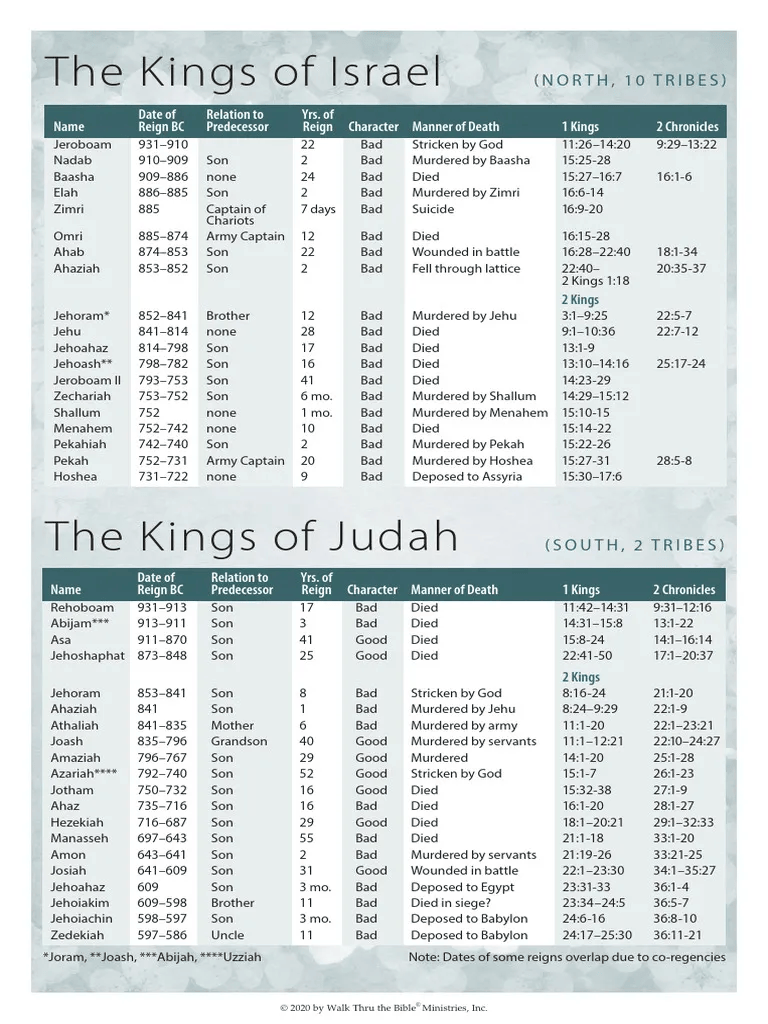
Judah #16 Josiah (continued). 2 Kings 22:1-23:30. Reigned 31 years.
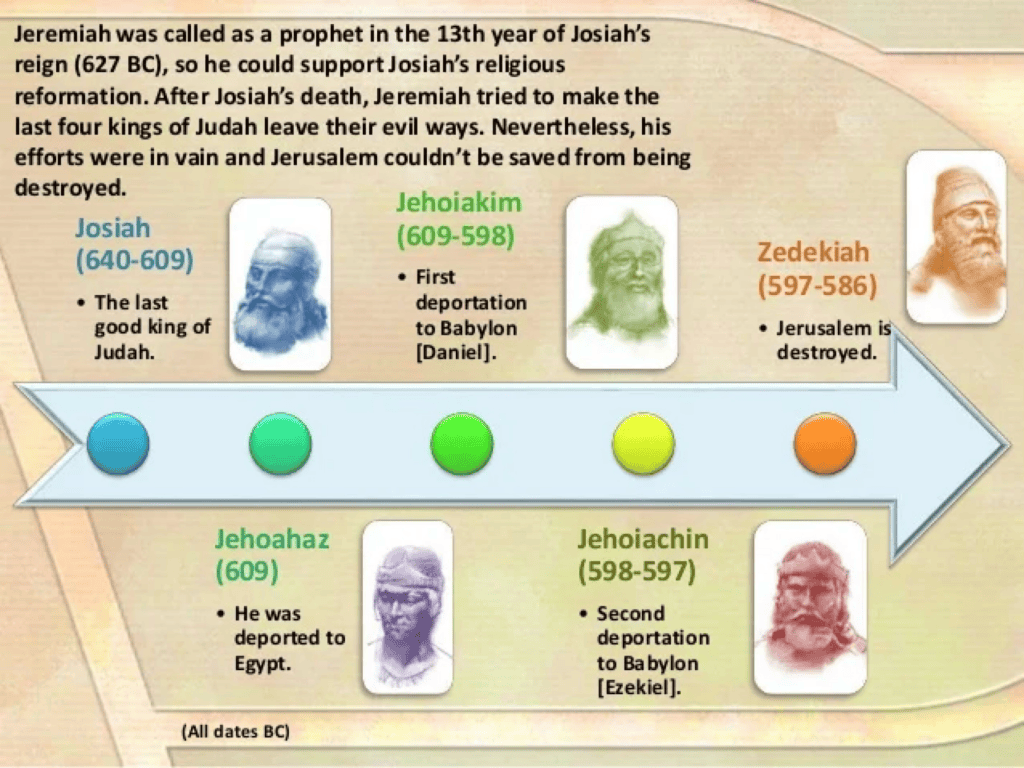
2 Kings 23 Josiah had the book read in all Judah. He celebrated the Passover like had not been celebrated in Israel since the days of Samuel the prophet nor any of the kings of Israel. Unfortunately, in 609 BC when Neco king of Egypt was coming to Carchemish on the Euphrates to help what was left of the Assyrians (Ninevah had fallen to Babylon in 612 BC) to battle the rising Babylonians (Neco and the Assyrians would be defeated at Carchemish, the new Assyrian capital, in 605 BC, rendering Egypt and Assyria powerless for the future), Josiah felt for some reason that he just had to fight and stop Neco even though Neco told him that God did not want Josiah to interfere with Neco’s mission. Josiah disguised himself in the battle with Neco but was fatally wounded and died. Josiah reigned 31 years.
Life Lesson: Josiah was about 26 when he did his major reforms. He would have been in the gen Z age group today from 18 to 29 years old. We see a lot of homosexual advocacy among gen Z but we also see a lot of conservative gen Z who reject LGBQT as was seen with the Charlie Kirk rallies on college campuses. So there is hope for the US but gen Z need to step up and the lead in defending the Scriptures as the Word of God. If you are a college student or recent graduate of college I hope you will read this and take a stand when you have the opportunity. God’s Spirit is moving on college campuses today. Kinda like the Billy Graham “crusades for Christ” back in the 60’s. Young people are disallusioned and depressed with life and need God’s word.
Nahum the prophet prophesied during the reign of Josiah and predicted the final destruction of Ninevah, the capital of Assyria, (it had been spared in the book of Jonah) which fell to the Chaldeans (Babylonians) and Medes in 612 BC due to Assyria’s ruthless military violence and arrogance (ch 3). 605 BCE: Crown prince Nebuchadnezzar II of Babylon decisively defeated the remaining Egyptian-Assyrian forces at the Battle of Carchemish, securing undisputed Babylonian dominance over the Near East.The sack of No-ammon (Thebes of Egypt) in 663 BC had already occurred when Nahum was written. Ninevah was besieged for 2 years and its devastation so complete that 200 years later Xenphon passed by its ruins without being able to get the name of the city from the local inhabitants.
Zephaniah the prophet prophesied during the reign of Josiah, king of Judah, possibly spurring on the reforms of Josiah. He predicts a day of judgment soon on Judah b/c of her sins (1:7) of idolatry and trusting in riches. Josiah did many reforms and found the book of the Law, but the evil of his grandfather Manasseh (687-742) BC was too ingrained to overcome.
Josiah is one of the last 5 kings of Judah just before the deportations to Babylon.
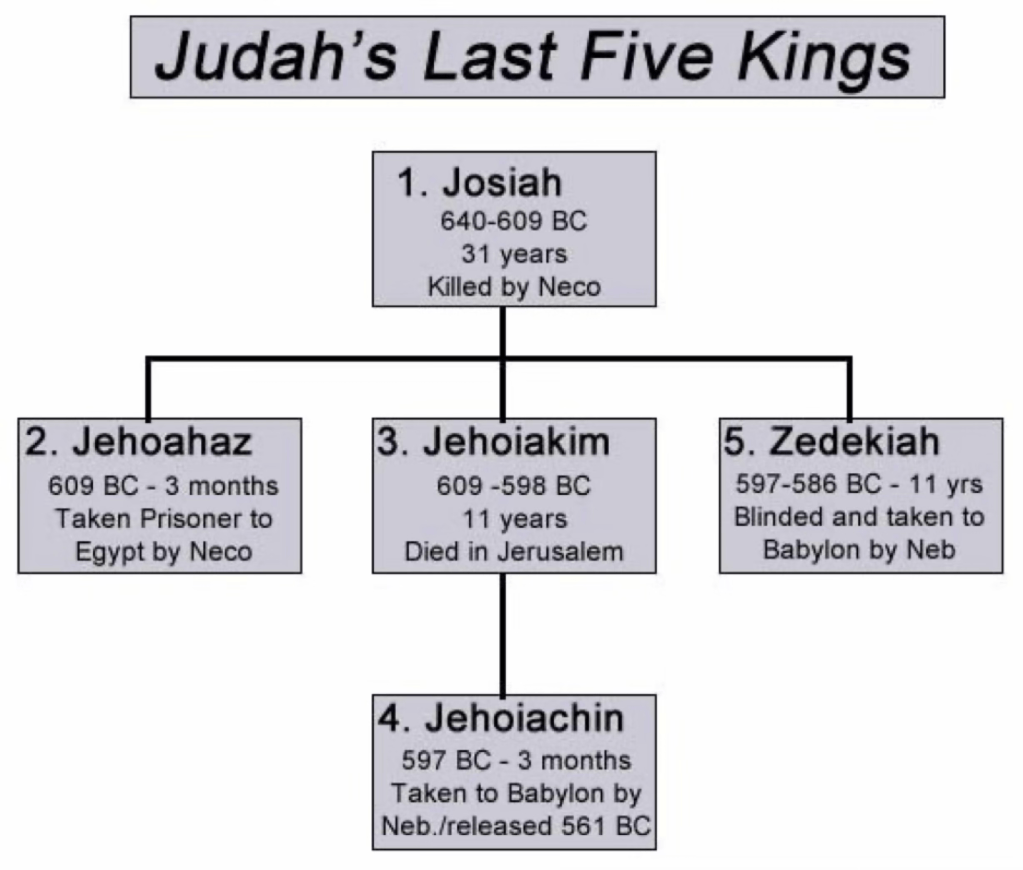
Judah #17 Jehoahaz. 2 Kings 23:31-33. Reigned 3 months. Pharoah Neco of Egypt imprisoned him and he died in Egypt.
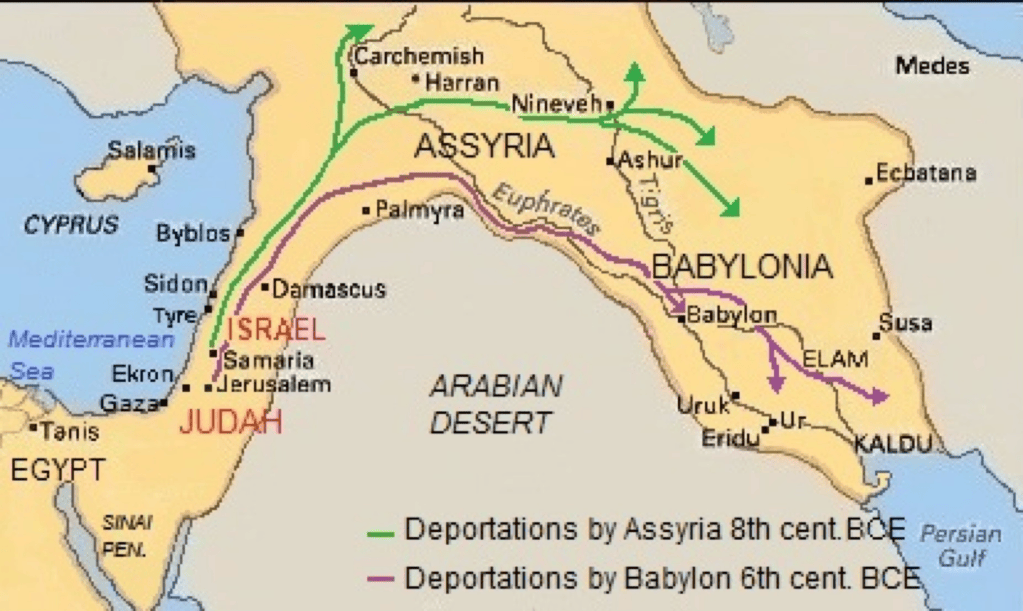
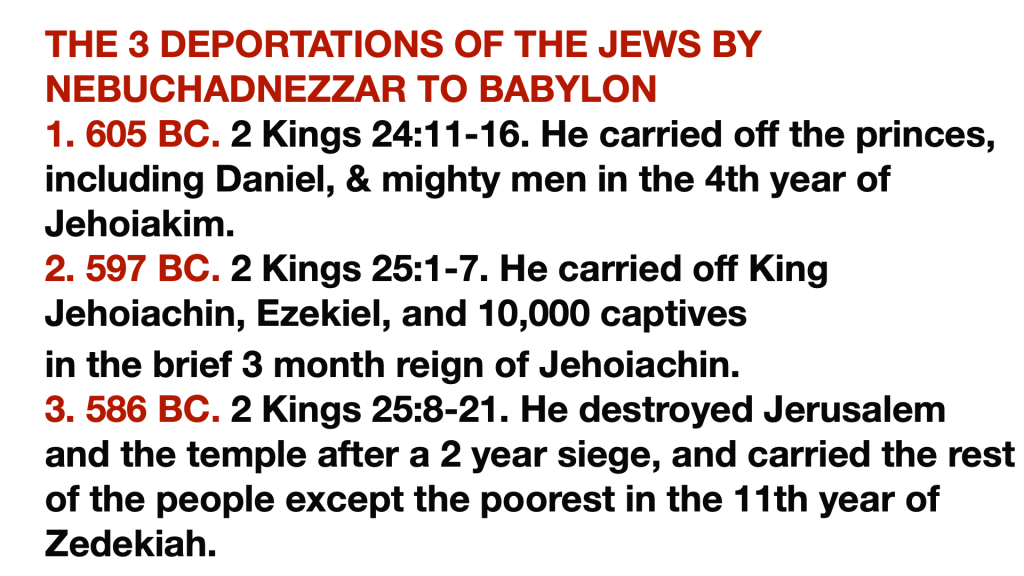
Judah #18 Jehoiakim. 2 Kings 23:34-24:5. Reigned 11 years. Neco made Jehoiakim king and Jehoiakim at first payed much tribute to Neco and was controlled by Neco. But later he became the servant of Nebuchadnezzar of Babylon for 3 years. After defeating Egypt in 605 BCE, Nebuchadnezzar II marched on Jerusalem and forced King Jehoiakim to pay tribute. He rebelled against Nebuchadnezzaar. 2 Kings 24:7 The king of Egypt did not come out of his land again, for the king of Babylon had taken all that belonged to the king of Egypt from the brook of Egypt to the river Euphrates.” Nebuchadnezzar took some captives during the reign of Jehoiakim. Rather than a mass deportation of the general population, the Babylonians took select members of the royal family and nobility—traditionally including Daniel and his companions—to Babylon as political hostages to guarantee loyalty. This was in 605 BC. While many historians and biblical timelines count the major mass deportation in 597 BCE (under Jehoiachin) or 586/587 BCE (under Zedekiah) as the main exiles, the 605 BCE event marks the initial subjugation and first wave of captives. We will call this the “first deportation” of Judah to Babylon in 605 BC. Jehoiakim is the king who shredded the prophesies of Jeremiah and burnt them.
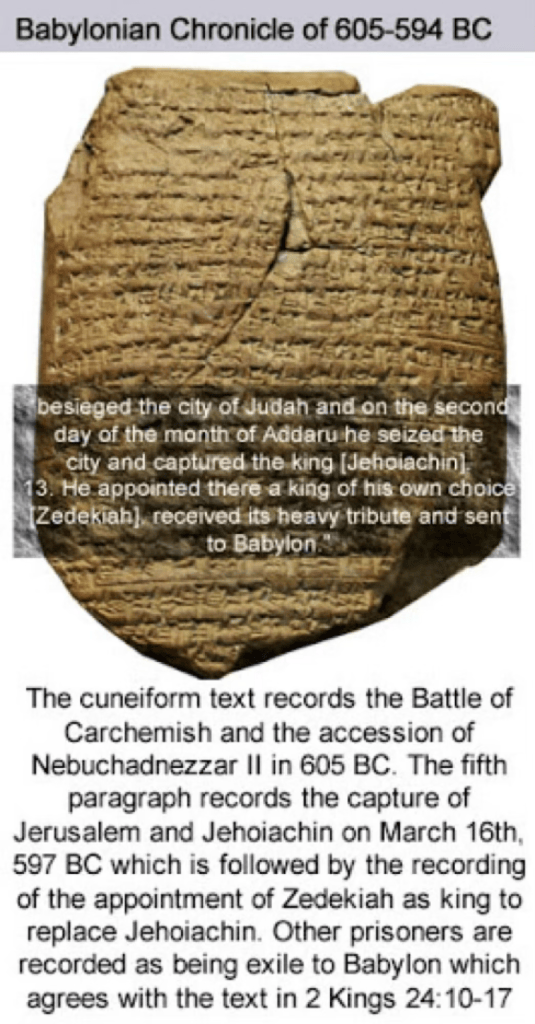
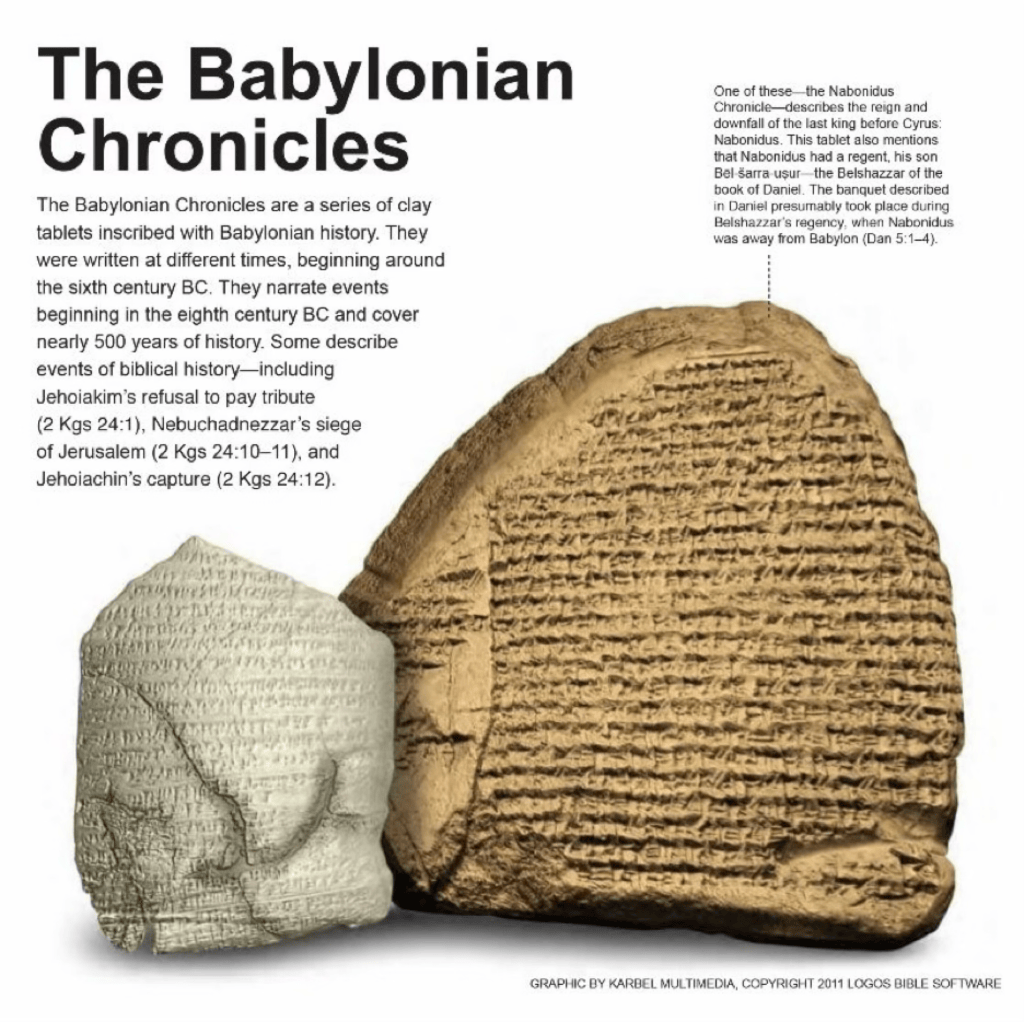
Habakkuk the prophet was a contemporary of Jeremiah and prophesies just before the 1st deportation of Jews by Nebuchadnezzar of Babylon in 607 BC, the 2nd deportation in 597 BC, and the fall of Jerusalem in 586 BC.
He asks 2 questions and God answers him. 1) Why does the evil in Judah go unpunished after punishment had been predicted for so long? Answer: God will punish the evil of Judah using the Babylonians. 2) Why will God use the more wicked (Babylon) to punish the less wicked (Judah). Answer: Chaldea (Babylon) is greedy, cruel, and idolatrous and God will punish them also after he uses them to punish Judah. God sent the Medes/Persians to destroy Babylon in 536 BC. Habakkuk closes asking God “in wrath remember mercy”. He concludes that “the righteous will live by faith” (2:4). His faith remains unwavering even after asking these questions.
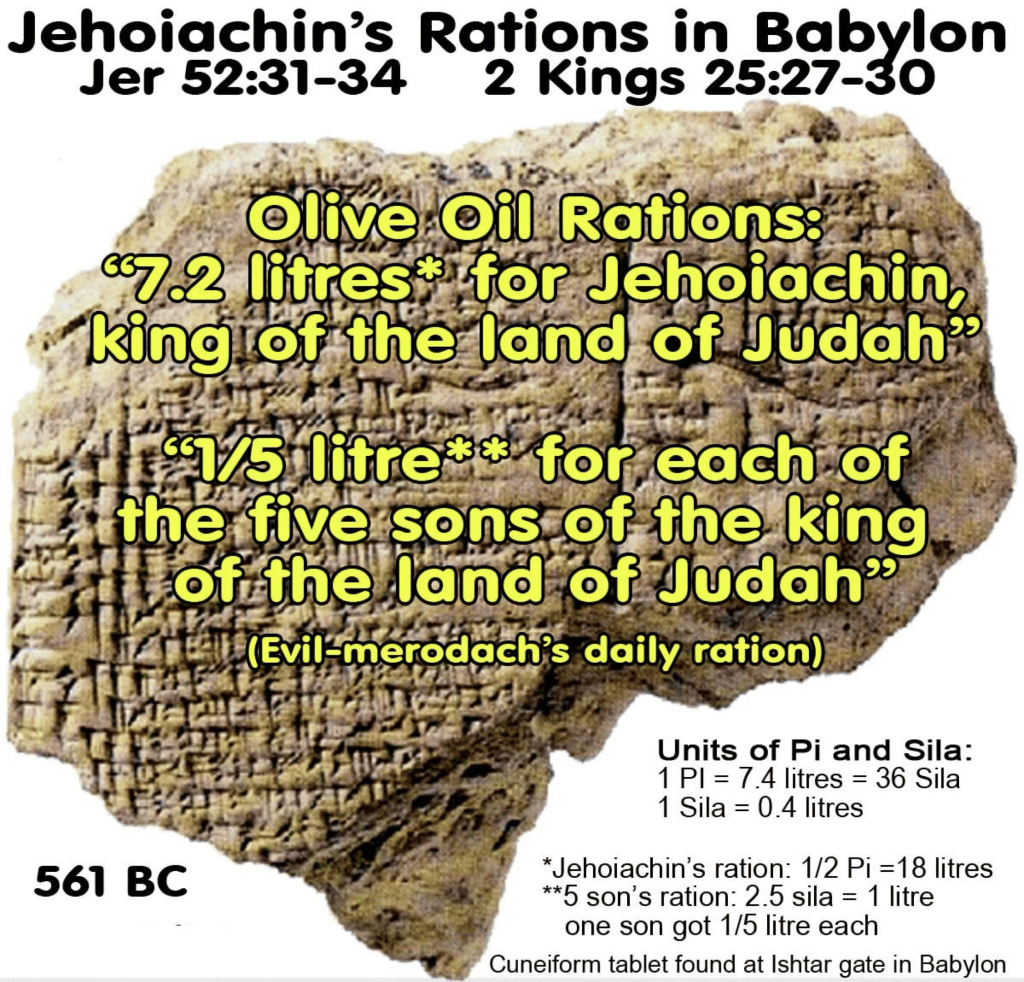
Judah #19 Jehoiachin. 2 Kings 24:6-16. Reigned 3 months. He was carried captive to Babylon along with thousands of others by Nebuchadnezzar. All the officials, men of valor, craftsmen, etc. were carried to Babylon, leaving only the poor in Jerusalem. We will call this the “second deportation” to Babylon in 597 BC. The prophet Ezekiel was also carried to Babylon in this deportation. Ezekiel would begin his prophesying in Babylon. The Babylonians actually considered Jehoiachin to be the last rightful king of Judah. They treated King Jehoiachin of Judah with kindness after 37 years of imprisonment. In 562 BC, the new Babylonian king, Evil-Merodach (Amel-Marduk), released him from prison, elevated his seat above all other captive vassal kings, gave him royal clothes, and provided a daily food allowance at the royal table for the rest of his life.
Judah #20 Zedekiah. 2 Kings 24:17-25:30. Reigned 11 years.
Zedediah rebelled against Nebuchadnezzar and relied on Egypt for help. Nebuchadnezzar sieged Jerusalem for 2 1/2 years before destroying the city, temple, and taking the remaining people, except Jeremiah and the poor in 586 BC. That would be the “3rd deportation” of Judah to Babylon. Nebuchadnezzar slaughtered Zedekiah’s sons before his eyes and then put out his eyes! Gedaliah was appointed governor, but was murdered by Ishmael who flees to Egypt taking Jeremiah by force. Judah would be in Babylon for 70 years until Cyrus the Persian defeated the Babylonians, allowed them to return.
Jeremiah prophesied beginning in the 13th year of King Josiah in 627 BC. He prophesied up to the destruction of Jerualem in 586 BC and even prophesied for 10 more years after the destruction till 576 BC, but was never carried captive to Babylon.
Maybe 845 BC or maybe after 586 BC
Obadiah the prophet: The theme is the fall of Edom b/c she did violence to her brother Jacob (Israel or Judah?) and standing aloof when foreigners entered Jerusalem and carried off her wealth. But when? 1) Obadiah was contemporary with Elijah (1 Kings 18:1-16), so Edom is condemned for gloating over a Philistine attack on Israel under Jehoram. 2) Jeremiah 49:7-22 parallels Obad 1-9, so Edom is condemned for gloating over the fall of Jerusalem in 586 BC.
1 Chronicles 1-2 Genealogies of Adam, Abraham, the 12 sons of Jacob, and David. Nothing there to discuss.

